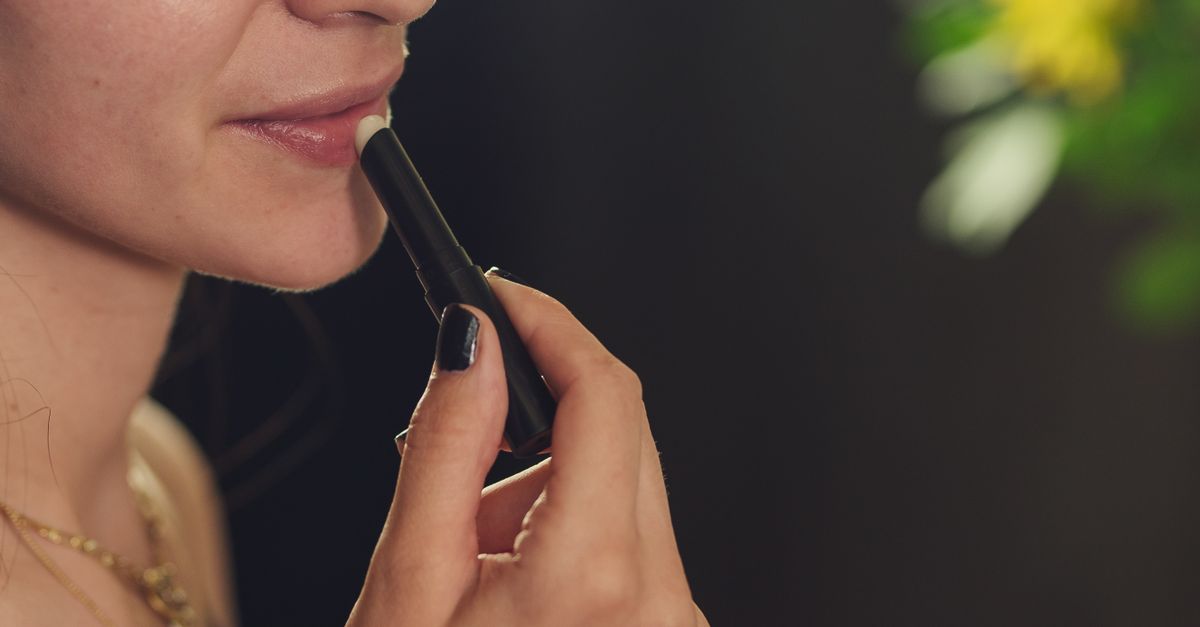
The Winter Rescue Kit incorporates a blend of organic ultraviolet filters, including octinoxate, octisalate, octocrylene, and avobenzone, to provide broad-spectrum photoprotection for exposed skin and labial mucosa during harsh weather. The most notable side effect involves localized photoallergic contact dermatitis, which can manifest as intense pruritus and vesicular eruptions in sensitive individuals upon ultraviolet exposure.
1. Introduction & Mechanism of Action of the Winter Rescue Kit
The formulations within the Winter Rescue Kit rely on a synergistic matrix of organic chemical filters to mitigate actinic damage caused by high-energy solar radiation. Avobenzone serves as the primary UVA absorber, preventing deep dermal collagen degradation and the formation of reactive oxygen species that lead to premature aging. Because avobenzone is inherently photounstable, octocrylene is heavily utilized in the formulation to act as a robust photostabilizer and supplementary UVB filter.
Octinoxate and octisalate specifically target the shorter, high-energy UVB wavelengths responsible for acute epidermal erythema. These organic molecules absorb incoming photons and undergo a transient structural isomerization. This process effectively neutralizes the dangerous ultraviolet energy, releasing it slowly as harmless thermal energy across the surface of the skin. This mechanism provides immediate, invisible protection without leaving a heavy, chalky residue.
2. Warnings & Before Applying the Winter Rescue Kit
Patients with a known history of photoallergic contact dermatitis or hypersensitivity to cinnamates or benzophenones must avoid these formulations entirely. Applying chemical filters to actively bleeding, deeply fissured, or severely ulcerated skin facilitates systemic absorption of the compounds, leading to intense localized burning and a heightened risk of systemic hypersensitivity.
Individuals with atopic dermatitis or highly reactive skin profiles should perform a small patch test on the inner forearm before applying the products to sensitive facial tissue or the labial mucosa. While topical sunscreens are generally safe, pediatric application on infants under six months of age is medically contraindicated due to their altered skin absorption dynamics and inability to excrete absorbed chemicals efficiently.
3. Indications & Dosage Guide for the Winter Rescue Kit
The Winter Rescue Kit is strictly indicated for the prevention of sunburn and for maintaining localized hydration in extreme environmental conditions. It serves as a vital prophylactic measure against actinic cheilitis and the reactivation of herpes simplex labialis triggered by intense ultraviolet exposure, which is frequently exacerbated by the high solar reflectivity of snow and ice.
For optimal protection, the products must be applied generously and evenly across the exposed skin and lips at least fifteen minutes prior to sun exposure. The chemical filters require frequent reapplication to maintain their ultraviolet shield. Standard dermatological guidelines dictate reapplying the protective layer every two hours, or immediately after eating, drinking, or excessive mechanical wiping of the face.
4. In-Depth Side Effects Analysis of the Winter Rescue Kit
Common Side Effects
The most frequently observed adverse reactions are localized and superficial. Users may experience a slight tingling sensation upon application, especially if the skin barrier is already chapped from harsh winds. A waxy or heavy residue buildup can occur with overly frequent application. Mild, transient dryness might paradoxically manifest as the carrier vehicles evaporate.
Serious Side Effects You Should Report
Serious hypersensitivity reactions require immediate discontinuation of the product and targeted localized medical treatment.
| Side Effect Category | Specific Symptoms |
|---|---|
| Allergic Contact Dermatitis | Severe swelling of the lips and face, blistering, intense pruritus |
| Photoallergy | Erythema and weeping lesions appearing strictly after sun exposure |
| Systemic Hypersensitivity | Urticaria extending beyond the application site, difficulty swallowing |
Rare Side Effects
In exceedingly rare instances, patients may develop angular cheilitis, an inflammatory condition at the corners of the mouth, secondary to moisture entrapment or allergic irritation from the balm excipients. Furthermore, localized hyperpigmentation has been documented in isolated cases following chronic photoallergic reactions.
Side Effects That Usually Do Not Require Medical Attention
Minor peeling of the superficial mucosal layer or a brief, mild alteration in taste upon accidental ingestion of minute quantities of lip balm are completely benign. These minor issues resolve quickly once the frequency of application is adjusted or the skin adapts to the formulation.
5. Overdose of the Winter Rescue Kit
A clinical overdose through standard topical application is physiologically impossible. However, accidental ingestion of the protective balms, particularly by young children, can lead to mild systemic toxicity. The highly concentrated chemical filters and heavy wax bases act as gastric irritants.
Symptoms of ingestion include nausea, mild vomiting, and transient diarrhea. Immediate medical intervention is rarely necessary for small ingestions, but providing clear fluids to dilute the gastric contents is strongly recommended. If a child consumes a large quantity or exhibits persistent, intractable vomiting, contacting a local poison control center for specific guidance is imperative.
6. Missed Dose & What to Avoid While Using the Winter Rescue Kit
Since this is an as-needed prophylactic regimen, missing an application simply leaves the cutaneous tissue vulnerable to ultraviolet damage during that specific timeframe. Users must reapply a thick layer immediately upon remembering if they remain exposed to direct sunlight.
Patients should strictly avoid applying aggressive chemical exfoliants or topical retinoids directly to the lips or face prior to using these products, as this drastically increases the risk of severe chemical irritation. Additionally, users must avoid licking their lips frequently, as salivary enzymes rapidly break down the chemical UV filters, completely negating the sun protection.
7. Drug & Alcohol Interactions with the Winter Rescue Kit
Topical photoprotectants have a exceptionally low profile for drug interactions due to minimal systemic absorption. However, patients treating viral outbreaks should apply their antiviral medications first. Reviewing fluorouracil guidelines is also crucial for patients managing precancerous lesions, to ensure the potent topical chemotherapy is not chemically altered by the sunscreen agents.
Systemic alcohol consumption does not directly interact with the chemical UV filters. However, heavy alcohol intake can cause systemic dehydration, worsening lip fissuring and making the labial mucosa far more susceptible to the irritating potential of the chemical sunscreen agents.
8. Precautions, Safety & Duration of Action for the Winter Rescue Kit
The duration of action for the chemical filters is strictly limited by physical wear and intrinsic photodegradation. After two hours of continuous ultraviolet exposure, the absorptive capacity of molecules like avobenzone diminishes significantly. Consistent reapplication is the only scientifically proven way to maintain a safe protective threshold.
The kit components must be stored in a cool, dry place. Leaving the products in a hot environment or in direct sunlight will melt the wax bases and permanently alter the homogenous distribution of the active chemical filters, rendering the SPF rating entirely inaccurate and the product unsafe for effective sun protection.
9. How to Stop Using the Winter Rescue Kit & Storage/Disposal
Discontinuation requires no special medical protocol. Users can stop applying the products at any time without adverse physiological consequences. Transitioning to a physical sunscreen barrier containing zinc oxide or titanium dioxide is a standard clinical alternative for those who develop sensitivities to these specific chemical formulations.
Dispose of the empty or expired product containers in standard household waste. Do not attempt to burn or incinerate the plastic packaging, as this will release noxious fumes from the residual chemical UV filters and the synthetic housing.
10. When to See a Doctor Regarding the Winter Rescue Kit
Consult a dermatologist immediately if application results in severe vesicular eruptions, bleeding fissures, or intense swelling that extends to the surrounding facial skin. If a severe sunburn occurs on the lips despite using the product, leading to intense pain, swelling, or signs of secondary bacterial infection such as yellow crusting, professional medical evaluation and targeted antibiotic therapy are strictly required.
11. Frequently Asked Questions (FAQ)
1. Why do I need to apply these products 15 minutes before sun exposure?
The chemical filters require approximately fifteen minutes to thoroughly bond with the superficial layers of the skin to provide maximum, uniform photoprotection.
2. Are chemical sunscreens safe to use in extreme cold?
Yes. The chemical filters are stable in cold temperatures, and the heavy emollient bases are specifically designed to prevent frostbite and windburn.
3. Does this kit protect against cold sores?
It does not treat the underlying virus, but preventing severe UV damage to the lips is a medically proven method for reducing the frequency of sun-triggered herpes simplex outbreaks.
4. Is it safe to lick my lips while wearing the lip balm?
Accidental ingestion of minute amounts is harmless, but constant licking physically removes the protective barrier and exposes you to severe sunburn.
5. Why does the formula contain multiple different sunscreen ingredients?
No single chemical provides complete protection. Combining them ensures broad-spectrum coverage against both UVA aging rays and UVB burning rays.
6. Can I apply standard cosmetics over these products?
Yes, but you must allow the sunscreen base to fully set for several minutes before applying cosmetics to avoid degrading the uniform protective layer.
7. Will the products in this kit expire?
Yes. Chemical UV filters degrade naturally over time. You must discard the products by the expiration date printed on the packaging to ensure adequate protection.
8. Is it safe to use these chemical filters during pregnancy?
Topical chemical sunscreens are generally deemed safe during pregnancy, but consulting your obstetrician regarding the specific use of organic UV filters is recommended.
9. What is the clinical purpose of octocrylene in the formula?
Octocrylene absorbs high-energy UVB radiation and crucially stabilizes avobenzone, preventing it from breaking down too quickly in direct sunlight.
10. Why are my lips peeling after using this kit?
Peeling is a common sign of mild contact dermatitis. If it persists, you may be sensitive to one of the chemical filters and should switch to a mineral-based photoprotectant.
Bibliography
Disclaimer: The content is for informational purposes only and does not replace medical advice. Always consult your doctor or pharmacist for personalized treatment.