1. Introduction and Mechanism of Action for Wish Rubbing Alcohol 32oz
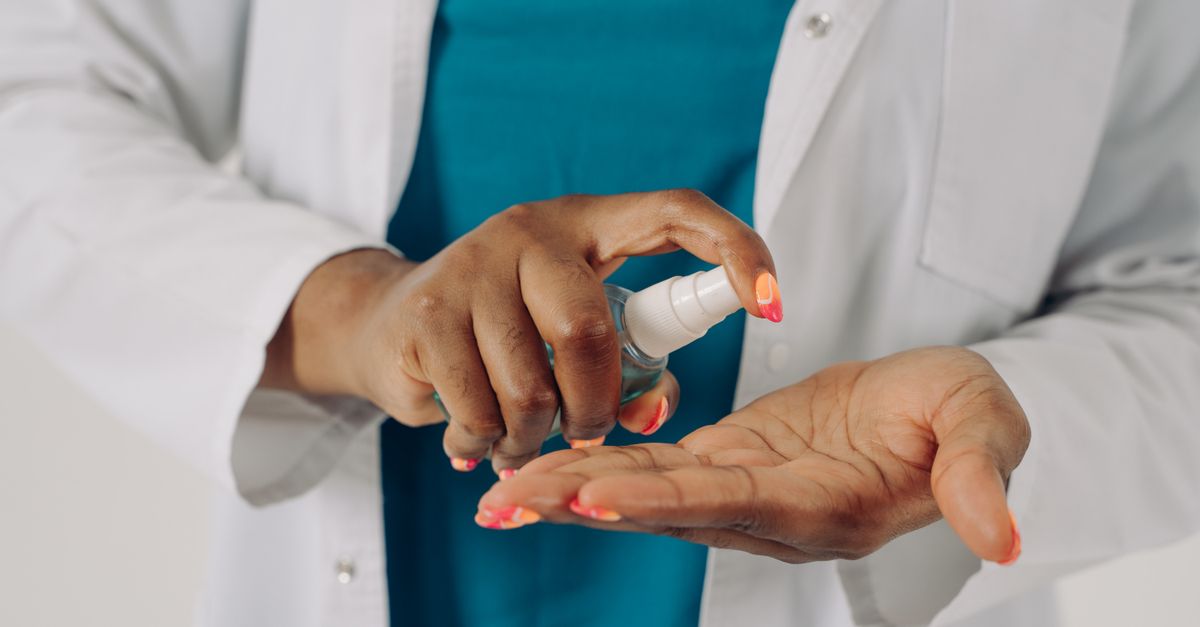
Wish Rubbing Alcohol 32oz is a potent topical antiseptic solution containing isopropyl alcohol, indicated strictly for the external cleansing and sterilization of minor cuts and abrasions. The most notable side effect is severe localized tissue dryness and stinging upon application to compromised skin barriers. This chemical agent provides a rapid, broad-spectrum bactericidal effect to prevent secondary infections in superficial wounds.
Isopropyl alcohol functions as a powerful denaturing agent. When applied to the skin, it readily penetrates the lipid bilayer of bacterial and fungal cell membranes. Once inside the pathogen, the alcohol disrupts the structural integrity of vital cellular proteins. This rapid denaturation causes the cellular components to coagulate, leading to immediate structural collapse and the death of the invading microorganism.
The antimicrobial efficacy of isopropyl alcohol is highly dependent on the presence of water. Aqueous solutions ranging from 60 to 90 percent are significantly more effective than pure alcohol, as the water acts as a catalyst, slowing evaporation and allowing the alcohol sufficient time to penetrate the bacterial cell wall before denaturing the surface proteins.
2. Warnings and Prerequisites Before Applying Isopropyl Alcohol
Before utilizing Wish Rubbing Alcohol as a first-aid antiseptic, patients must critically evaluate the severity of the injury. This solution must absolutely never be applied to deep puncture wounds, severe lacerations, animal bites, or full-thickness thermal burns. Applying strong alcohol to deeply exposed tissue causes severe chemical necrosis, destroying the healthy fibroblasts required for wound closure and drastically delaying the natural healing process.
Individuals with chronic skin conditions such as severe eczema or psoriasis should avoid using high-concentration alcohol on affected plaques. Isopropyl alcohol acts as a powerful solvent that aggressively strips away natural epidermal lipids. On already compromised skin, this defatting action will trigger severe contact dermatitis, intense pruritus, and painful epidermal fissures.
A critical warning involves the severe toxicity of the chemical if introduced internally. Wish Rubbing Alcohol is formulated strictly for external use. It must never be ingested, utilized as an oral rinse, or applied extensively to highly vascularized mucous membranes. Ingestion leads to catastrophic central nervous system depression and profound metabolic acidosis.
3. Indications and Dosage Guide for Wish Rubbing Alcohol 32oz
This topical solution is clinically indicated for the preparation of the skin prior to minor medical procedures, such as lancing a superficial splinter, and for the initial cleansing of minor epidermal abrasions. Proper application ensures localized sterilization without inducing severe cellular toxicity.
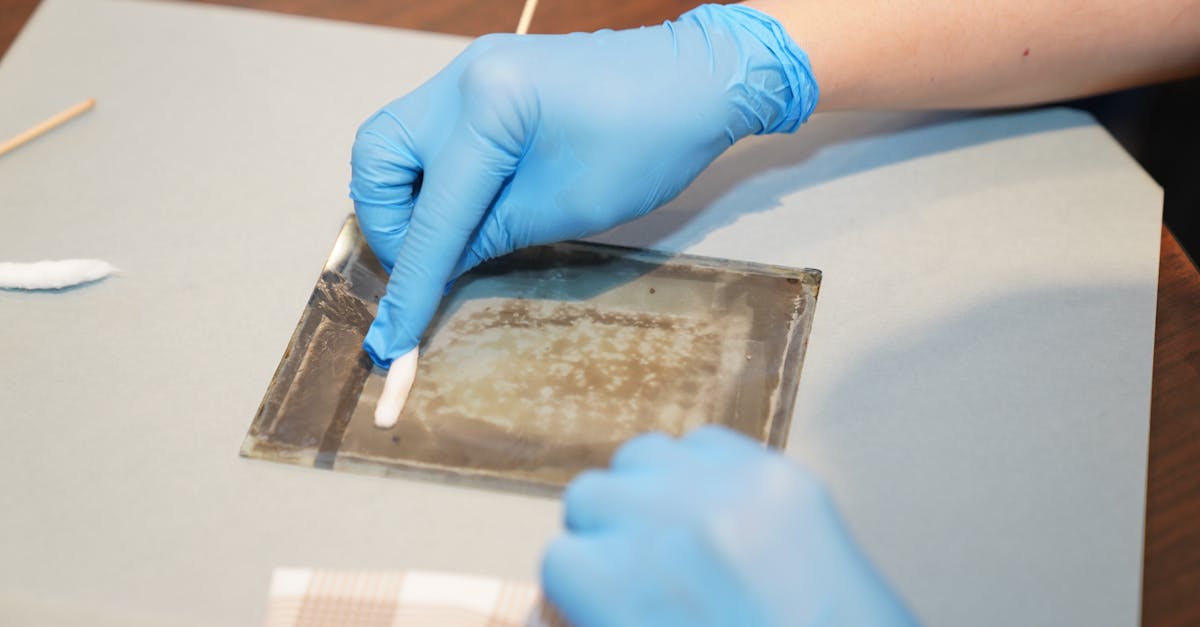
To effectively sanitize a minor wound, the patient should apply a small amount of the liquid to a sterile cotton swab or gauze pad. The affected area should be gently wiped once to remove superficial dirt and surface pathogens. Copious pouring of the liquid directly onto an open wound is strongly discouraged, as this delivers an excessive chemical load that damages underlying healthy tissue.
Following application, the area must be allowed to air dry completely. The volatile nature of isopropyl alcohol means it evaporates rapidly at room temperature. Once the area is dry, a sterile bandage should be applied. Continuous, daily application to a healing wound is not recommended, as it will continually destroy the newly forming granulation tissue.
4. In-Depth Side Effects Analysis of Isopropyl Alcohol
Because isopropyl alcohol is a harsh chemical solvent, its application generates immediate physiological reactions at the tissue level, leading to a specific profile of localized adverse effects.
Common Side Effects
Most individuals experience expected, temporary reactions related strictly to the volatile chemical properties of the liquid.
– Intense, sharp stinging or burning upon contact with broken skin
– Noticeable dryness and minor flaking of the surrounding healthy skin
– Temporary skin blanching followed by localized erythema
Serious Side Effects to Report
Severe local reactions signify improper application, chemical burns, or the initiation of severe tissue damage requiring medical intervention.
– The sudden development of unrelenting, severe pain radiating from the wound
– Noticeable failure of the wound to heal after several weeks of use
– The appearance of deep, necrotic or blackened tissue within the wound bed
Rare Side Effects
Unusual physiological responses occur predominantly through extreme misuse or inappropriate application to large body surface areas.
– Severe blistering of the skin indicating a chemical burn from prolonged exposure
– Dizziness or mild confusion if massive amounts are inhaled in a poorly ventilated space
– Widespread allergic contact dermatitis presenting as severe hives
Side Effects That Usually Do Not Require Medical Attention
Minor cosmetic or sensory shifts are standard during the chemical evaporation phase.
– A profound cooling sensation as the liquid rapidly evaporates from the skin
– A strong, distinct chemical odor lingering on the application site
| Side Effect Category | Specific Symptoms |
|---|---|
| Dermatological | Stinging, severe dryness, chemical burns, delayed healing |
| Systemic (Misuse) | Dizziness from inhalation, central nervous system depression if ingested |
| Infectious (Indirect) | Increased risk of infection if chronic use destroys the healing barrier |
5. Recognizing and Managing Isopropyl Alcohol Toxicity
Systemic toxicity from the standard topical application of isopropyl alcohol on a minor scrape is biologically impossible. However, catastrophic medical emergencies arise from accidental ingestion or intentional consumption by individuals substituting it for ethanol.
The clinical presentation of isopropyl alcohol ingestion is characterized by profound inebriation that rapidly progresses to severe central nervous system depression. The body metabolizes isopropyl alcohol into acetone, a potent ketone. Symptoms include intense abdominal pain, vomiting of blood, severe hypotension, and respiratory depression. The patient will exhibit a distinct, fruity acetone odor on their breath. Without immediate intervention, the patient will slip into a deep coma accompanied by fatal cardiovascular collapse.
If ingestion occurs, caregivers must never induce vomiting, as this risks severe pulmonary aspiration of the caustic liquid. Emergency medical services must be dispatched immediately. In the emergency department, medical staff will provide aggressive supportive care, secure the airway, and potentially utilize hemodialysis to rapidly clear the alcohol and acetone from the bloodstream.
6. Missed Dose Guidelines and What to Avoid
Because Wish Rubbing Alcohol 32oz is not a continuous therapeutic medication and should only be utilized once during the initial injury phase, there is no dosing schedule. A missed dose is clinically irrelevant. If a wound is already several days old and forming a scab, patients must actively avoid applying rubbing alcohol, as it will instantly destroy the fragile new cells and restart the healing process.
Patients must aggressively avoid applying external heat sources or open flames near the application site. Isopropyl alcohol is highly flammable. Smoking, utilizing a gas stove, or operating electrical equipment that may spark must be strictly avoided until the liquid has completely evaporated from the skin and any soaked cotton materials have been safely discarded.
Furthermore, users must avoid applying this solvent to the eyes or the delicate skin surrounding the periorbital region. Isopropyl alcohol causes excruciating pain, severe corneal burns, and potential blindness if it contacts ocular tissue.
7. Drug and Alcohol Interactions with Wish Rubbing Alcohol
Systemic pharmacological interactions are entirely nonexistent due to the lack of systemic blood absorption when applied topically to minor scrapes. It is completely safe for patients utilizing any systemic oral medications or antibiotics.
Topical interactions dictate a strict application protocol. If a physician recommends the application of a topical antibiotic ointment, such as bacitracin, the patient must ensure the rubbing alcohol has completely evaporated and the skin is bone dry. Applying ointments over wet alcohol will trap the caustic chemical against the skin, leading to severe chemical irritation and rendering the antibiotic matrix ineffective.
Systemic alcohol consumption possesses no direct chemical interaction with topically applied isopropyl alcohol. However, individuals under the influence of systemic ethanol may exhibit impaired judgment, leading to improper wound care or accidental ingestion of the topical antiseptic.
8. Precautions, Safety, and Duration of Action
The bactericidal action of Wish Rubbing Alcohol is nearly instantaneous upon contact with the microbial cell wall. The duration of action is exceptionally brief; once the liquid evaporates, its active antiseptic properties are entirely exhausted. It leaves no active residue behind to provide ongoing antimicrobial protection.
Safety during application requires protecting surrounding healthy tissues. Because the alcohol acts as a powerful degreaser, repeated application to the hands or body will cause the stratum corneum to crack and bleed. Medical professionals utilizing rubbing alcohol frequently must combat this extreme dryness with heavy, non-comedogenic emollients to maintain their own epidermal barrier.
Patients using the liquid to sterilize medical instruments, such as tweezers or thermometers, must ensure the instruments are thoroughly rinsed with sterile water or allowed to air dry completely before coming into contact with human tissue to prevent chemical transfer burns.
9. Discontinuation and Storage Protocols
Discontinuation of Wish Rubbing Alcohol should occur immediately after the initial wound cleansing. Subsequent daily wound care should transition entirely to washing with mild soap and water to protect the newly forming skin cells and promote rapid re-epithelialization.
Proper storage is critical to maintain the chemical stability and safety of the highly volatile liquid. The bottle must be stored tightly sealed at standard room temperature, strictly away from direct sunlight, radiators, or any potential ignition sources. An open bottle will rapidly lose its alcohol concentration to the surrounding air, leaving behind mostly water and rendering the antiseptic useless.
Empty bottles can be recycled according to local municipal guidelines. Unused or expired alcohol should not be poured in large quantities down household drains due to the flammability risk. Keep the large 32oz bottle strictly out of the reach of children to prevent catastrophic accidental ingestion.
10. When to Seek Immediate Medical Attention
Immediate emergency evaluation is absolutely critical if the liquid is accidentally splashed into the eyes. The patient must instantly flush the eyes with a continuous, gentle stream of cool water for a minimum of fifteen minutes and seek emergency ophthalmological care to prevent permanent corneal scarring.
Patients must also seek urgent medical evaluation if a wound initially treated with rubbing alcohol develops signs of a severe, advancing infection. The sudden appearance of radiating red streaks, increasing warmth, severe swelling, thick purulent drainage, or a systemic fever indicates that the initial chemical cleansing failed and a severe secondary bacterial infection requires prescription oral antibiotics.
Finally, emergency medical services must be contacted immediately if a patient accidentally ingests any amount of the solution. Severe abdominal pain, uncontrollable vomiting, extreme lethargy, and a fruity odor on the breath are critical signs of isopropyl alcohol poisoning requiring advanced life support.
Frequently Asked Questions (FAQ)
1. Why does rubbing alcohol sting so badly on a cut?
Isopropyl alcohol is a harsh chemical solvent. When it touches the exposed nerve endings in an open cut, it instantly stimulates the pain receptors and physically irritates the damaged tissue, causing a sharp, intense burning sensation.
2. Should I pour this on my cut every day to keep it clean?
Absolutely not. You should only use rubbing alcohol once, immediately after you get the cut, to clean out dirt. Using it every day kills the new, healthy skin cells your body is trying to grow, severely delaying the healing process.
3. Can I use this to clean a deep puncture wound from a rusty nail?
No. You must never put rubbing alcohol into deep, closed wounds. It will cause severe internal tissue damage. Deep puncture wounds require immediate medical attention to prevent tetanus and deep bacterial infections.
4. Is it safe to use this alcohol to cool down a child with a fever?
No. This is a highly dangerous outdated practice. Rubbing alcohol can be absorbed through the skin or inhaled in large amounts, which can cause severe neurological toxicity and coma in children.
5. Why does my skin turn white and dry out after using this product?
Isopropyl alcohol is a powerful degreaser that aggressively strips away the natural protective oils from your skin. This defatting action causes the top layer of skin to instantly dehydrate, turn white, and eventually peel.
6. Can I put an antibiotic ointment on right after using rubbing alcohol?
You must wait until the alcohol has completely evaporated and the skin is entirely dry. If you put an ointment over wet alcohol, it will trap the harsh chemical against your skin and cause a chemical burn.
7. What is the difference between rubbing alcohol and hydrogen peroxide?
Rubbing alcohol denatures bacterial proteins and evaporates quickly, while hydrogen peroxide uses an oxidative bubbling action to mechanically lift dirt out of wounds. Both are harsh and should only be used once for initial cleaning.
8. What should I do if a family member accidentally drinks the rubbing alcohol?
Call emergency medical services immediately. Do not induce vomiting. Isopropyl alcohol is highly toxic if swallowed and can cause internal bleeding, coma, and fatal cardiovascular collapse.
Bibliography
Disclaimer: The content is for informational purposes only and does not replace medical advice. Always consult your doctor or pharmacist for personalized treatment.