1. Introduction
Relieving ankle swelling after prolonged sitting requires initiating mechanical muscle pumps and utilizing gravitational assistance. Elevating the legs above the heart, performing targeted calf contractions, and wearing graduated compression stockings effectively force accumulated fluid out of the lower extremities and back into central circulation. This type of swelling, clinically known as dependent edema, is a common physiological consequence of modern sedentary lifestyles, where gravity traps fluid in the lowest anatomical spaces.
The human circulatory system relies heavily on physical movement to propel venous blood against the force of gravity. When an individual sits motionless at a desk or during a long flight, the muscular pumps in the legs become dormant. Without this mechanical assistance, blood pools in the lower veins, increasing hydrostatic pressure and forcing plasma out of the blood vessels into the surrounding soft tissues of the ankle.
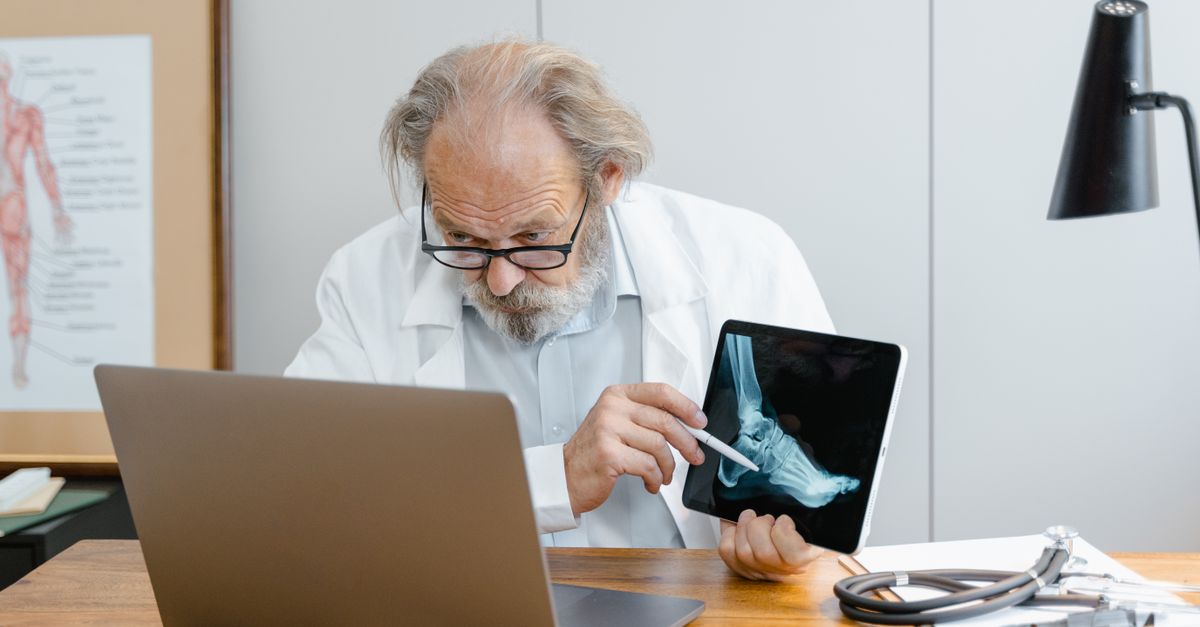
Clinicians evaluate ankle edema to ensure it is a benign result of immobility rather than a symptom of underlying cardiovascular or renal pathology. Implementing a structured routine of movement breaks and mechanical support is essential not only for comfort but to prevent chronic vascular damage and permanent skin changes in the lower extremities.
2. The Physiology of Venous Return
Arteries rely on the powerful pumping action of the heart to push oxygenated blood down to the feet. Veins, however, operate under a low-pressure system. To return deoxygenated blood from the ankles back up to the chest, the venous system relies on one-way valves and surrounding skeletal muscle contractions.
The veins in the legs contain tiny, delicate leaflets that open to allow blood to flow upward and close instantly to prevent it from flowing backward. When these valves function correctly, they act as a biological ladder, holding the blood against gravity between muscular contractions.
When a person sits for eight hours a day, the blood remains stagnant. The continuous gravitational pull places immense weight on these delicate valves. Over time, this constant hydrostatic pressure stretches the vein walls, rendering the valves incompetent and allowing massive volumes of blood to pool continuously around the ankles.
3. Dependent Edema and Hydrostatic Pressure
The swelling seen after a long day of sitting is primarily composed of interstitial fluid. The cardiovascular system is a closed loop, but the capillaries, the smallest blood vessels, are semi-permeable. They constantly leak clear plasma into the surrounding tissues to deliver nutrients.
Normally, this leaked fluid is reabsorbed by the lymphatic system and the venous capillaries. However, when venous blood pools due to sitting, the pressure inside the veins skyrockets. This elevated hydrostatic pressure physically blocks the plasma from re-entering the bloodstream.
With no escape route, the plasma accumulates in the interstitial spaces of the foot and ankle. This accumulation is visible as dependent edema, characterized by a soft, doughy swelling that often leaves a temporary indentation when pressed, a clinical sign known as pitting edema.
4. The Role of the Calf Muscle Pump
The calf muscle is frequently referred to as the peripheral heart. It is the primary engine of venous return in the lower body. When the gastrocnemius and soleus muscles contract, they physically squeeze the deep veins of the leg, propelling venous blood violently upward toward the inferior vena cava.
Prolonged sitting completely inactivates this peripheral heart. The muscles remain flaccid, and the pumping mechanism halts. Relieving sitting-induced swelling is impossible without reactivating this specific muscle group.
Simple, targeted movements can reignite the pump even while seated. Performing ankle pumps, where the toes are pointed firmly upward and then pushed downward against the floor, engages the calf muscles. Repeating this motion thirty times every hour forces the pooled blood past the venous valves, rapidly decreasing the hydrostatic pressure in the ankles.
5. Lymphatic System Contributions
The lymphatic system works in tandem with the venous system to clear fluid from the extremities. Lymphatic vessels collect the larger protein molecules and excess fluid that the veins cannot absorb. Like veins, lymphatic vessels rely entirely on muscular contraction and deep breathing to move fluid upward.
When a person sits motionless, lymphatic drainage essentially stops. Furthermore, sitting with the hips and knees bent at sharp ninety-degree angles physically kinks the lymphatic vessels in the groin and behind the knee, creating a mechanical roadblock for fluid return.
To facilitate lymphatic drainage, it is necessary to unkink these pathways. Standing up and stretching the hips into full extension opens the primary lymphatic channels in the pelvis, allowing the trapped fluid from the ankles to flow freely back into the central lymphatic ducts.
6. Compression Therapy Mechanisms
Graduated compression stockings are the most effective prophylactic medical device for preventing dependent edema. These specialized garments apply controlled, therapeutic pressure to the outside of the leg. The pressure is highest at the ankle and gradually decreases as the stocking moves up the calf.
This external mechanical pressure acts as a rigid barrier. It physically compresses the superficial veins, narrowing their diameter. A narrower vein forces the blood to flow at a much higher velocity, preventing stagnation and pooling.
Furthermore, the external pressure opposes the internal hydrostatic pressure pushing fluid out of the capillaries. By preventing the plasma from leaking into the tissues in the first place, compression stockings eliminate the development of afternoon ankle swelling. They must be put on first thing in the morning before any swelling has occurred to be optimally effective.
7. Elevation and Gravitational Drainage
Once swelling has established itself, gravity must be used as a therapeutic tool rather than a detrimental force. Elevating the legs is a rapid method for draining interstitial fluid, but the geometry of the elevation is critical for success.
Propping the feet on a low footstool is insufficient, as the ankles remain below the level of the heart. To achieve true gravitational drainage, the patient must lie flat on their back and elevate their legs on a wedge pillow or against a wall so that the ankles are physically higher than the right atrium of the heart.
Maintaining this strict elevated position for twenty to thirty minutes utilizes gravity to pull the interstitial fluid out of the ankle tissues, down the lymphatic vessels, and back into the central venous circulation, significantly reducing the visible puffiness and the feeling of heaviness.
8. Targeted Physical Exercises
Integrating specific cardiovascular activity after a sedentary day is vital for long-term vascular health. A brisk twenty-minute walk utilizes continuous, rhythmic calf contractions to thoroughly flush the residual venous pooling from the lower extremities.
Aquatic therapy or swimming provides exceptional relief for swollen ankles. The hydrostatic pressure of the water acts exactly like a full-leg compression stocking. The deeper the leg is submerged, the higher the water pressure forcing the fluid out of the tissues, combined with the cooling effect of the water which constricts dilated blood vessels.
Yoga poses, specifically the legs-up-the-wall pose, combine aggressive elevation with deep diaphragmatic breathing. The deep breaths create negative pressure in the chest cavity, creating a vacuum effect that actively sucks venous blood and lymphatic fluid upward from the legs.
9. Dietary Influences on Fluid Retention
Dietary intake heavily influences the severity of dependent edema. Sodium acts as a powerful osmotic agent within the bloodstream. Consuming a high-sodium lunch, such as fast food or processed soups, forces the body to retain massive amounts of water to dilute the salt concentration.
This excess water volume increases the total blood volume, leading to even higher hydrostatic pressure within the veins when the individual sits down. Reducing sodium intake to clinical guidelines directly minimizes the volume of fluid available to leak into the ankles.
Conversely, potassium helps the kidneys excrete excess sodium. Increasing the intake of potassium-rich foods, provided the patient has healthy renal function, helps maintain an optimal fluid balance. Adequate pure water intake is also necessary, as dehydration prompts the body to hoard fluid aggressively, exacerbating peripheral swelling.
10. Identifying Pathological Edema
While sitting-induced swelling is common, clinicians use specific parameters to ensure it is not a sign of systemic disease.
| Clinical Characteristic | Benign Dependent Edema | Pathological Edema (Warning Signs) |
|---|---|---|
| Symmetry | Both ankles swell equally. | One leg is significantly more swollen than the other. |
| Resolution | Resolves completely overnight. | Persists into the morning despite elevation. |
| Associated Symptoms | Mild heaviness or tightness. | Shortness of breath, chest pain, or rapid weight gain. |
| Skin Appearance | Normal color, temporary pitting. | Redness, warmth, hard skin texture, or weeping fluid. |
11. Pharmacological Considerations
Patients frequently assume that diuretic medications, commonly called water pills, are the solution for swollen ankles. However, prescribing loop diuretics for simple dependent edema caused by sitting is medically inappropriate and potentially dangerous.
Diuretics force the kidneys to excrete fluid from the central blood volume, not directly from the tissues in the ankle. Overusing these medications leads to systemic dehydration and severe electrolyte imbalances, which can trigger profound muscle cramps and cardiac arrhythmias.
Instead of pharmacological intervention, venoactive supplements, such as horse chestnut seed extract, are sometimes utilized. Clinical studies suggest these compounds may help strengthen the endothelial lining of the veins and reduce capillary leakage, though they must be used as an adjunct to mechanical compression, not a replacement.
12. Environmental and Workplace Adjustments
Preventing dependent edema requires proactive adjustments to the sedentary work environment. The primary intervention is implementing a mandatory movement schedule. Standing up and pacing for two minutes every hour breaks the cycle of continuous hydrostatic pressure.
Ergonomic workstation setups play a significant role. If a chair is too high, the edge of the seat presses firmly against the back of the thighs, physically crushing the popliteal vein and cutting off venous return. Ensuring the feet rest flat on the floor or a supportive footrest prevents this dangerous mechanical tourniquet effect.
Under-desk elliptical machines or rocking footrests allow for continuous, low-level engagement of the calf muscles while remaining seated. This continuous micro-movement maintains a baseline level of venous return, preventing the severe fluid stagnation that leads to pronounced afternoon swelling.
13. Warning Signs and Red Flags
While most ankle swelling is harmless, specific presentations require immediate emergency medical evaluation. If the swelling occurs exclusively in one leg and is accompanied by pain, redness, and a localized feeling of warmth in the calf, a deep vein thrombosis must be suspected.
A deep vein thrombosis is a blood clot that forms in the stagnant venous pool. If this clot dislodges, it travels directly to the lungs, causing a fatal pulmonary embolism. Prolonged sitting, such as during long-haul flights or desk work, is a primary risk factor for this catastrophic event.
Furthermore, if the ankle swelling is bilateral but is suddenly accompanied by difficulty breathing when lying flat, extreme fatigue, or a persistent cough, it indicates congestive heart failure. The heart pump has weakened and can no longer propel fluid effectively, causing it to back up into the lungs and lower extremities simultaneously.
14. Frequently Asked Questions FAQ
1. Why do my ankles only swell up on work days and not on weekends?
On work days, you are likely sitting in a rigid posture for eight hours, which turns off your calf muscles and lets gravity pull fluid into your ankles; on weekends, even casual walking keeps your calf muscles pumping the fluid back up to your heart.
2. Does drinking more water help reduce ankle swelling?
Yes, staying well-hydrated helps your kidneys flush out excess sodium; if you are dehydrated, your body releases hormones that force your tissues to hoard water, which makes the dependent swelling in your ankles much worse.
3. Are compression socks safe to wear every single day?
Medical-grade graduated compression socks are completely safe and highly recommended for daily wear, provided they are fitted correctly and you do not have severe peripheral artery disease that restricts arterial blood flow.
4. Can crossing my legs make my ankles swell faster?
Crossing your legs creates a physical kink in the veins behind your knee, acting like a mild tourniquet that significantly slows down the return of blood from your lower leg, forcing more fluid to leak into the ankle tissues.
5. How high do I need to elevate my legs to make the swelling go down?
To use gravity effectively, you must lie flat on your back and prop your legs up on pillows so that your ankles are physically higher than the level of your chest and heart for at least twenty minutes.
15. Bibliography
Disclaimer: The content is for informational purposes only and does not replace medical advice. Always consult your doctor for personalized treatment.