1. Introduction
Relieving upper back tension that causes headaches involves a combination of targeted stretching, postural correction, myofascial release, and stress management. This type of pain often stems from muscle spasms in the trapezius and cervical regions, leading to cervicogenic or tension-type headaches. When the muscles connecting the shoulder blades to the base of the skull become chronically tight, they generate referred pain that radiates upward into the head.
These secondary headaches are a direct neurological consequence of mechanical overload in the upper spine. Resolving the headache requires treating the source of the tension rather than merely masking the cranial pain with analgesics.
Clinicians focus on relaxing the hyperactive muscle fibers and restoring normal cervical biomechanics. A systematic approach to postural hygiene and targeted muscle relaxation is essential for breaking the pain cycle and achieving lasting relief.
2. The Connection Between Back Tension and Headaches
The anatomical link between the upper back, the neck, and the head is highly complex. The muscles of the upper back, particularly the trapezius, levator scapulae, and rhomboids, act as foundational stabilizers for the cervical spine. When these muscles are subjected to sustained tension, they develop localized areas of spasm known as trigger points.
These trigger points send constant nociceptive, or pain, signals to the spinal cord. In the upper cervical spine, the nerve pathways for the neck and the head converge in an area called the trigeminocervical nucleus.
Because sensory signals from the upper back and the face share this neural relay station, the brain frequently misinterprets the origin of the pain. The brain perceives the distress signals from the tight upper back muscles as a throbbing or aching pain wrapping around the head or settling behind the eyes.
3. Understanding Cervicogenic Headaches
A headache that originates from disorders of the neck and upper back is clinically classified as a cervicogenic headache. Unlike migraines, which are primarily vascular and neurological events, cervicogenic headaches are mechanical in nature.
Patients typically experience a dull, non-throbbing pain that begins in the upper back or base of the skull and radiates forward to the forehead or temples. The pain is usually unilateral, meaning it affects one side of the head, though bilateral cases occur.
A defining characteristic of cervicogenic headaches is that they are mechanically provoked. Moving the neck in specific directions or applying manual pressure to the tense muscles of the upper back reliably triggers or worsens the headache symptoms.
4. The Role of the Trapezius and Suboccipital Muscles
The trapezius is a large, kite-shaped muscle spanning from the mid-back up to the neck and the base of the skull. It is highly susceptible to emotional stress and physical fatigue. Tension here is one of the leading causes of referred head pain.
Working in tandem with the trapezius are the suboccipital muscles, a group of four small muscles located directly beneath the skull bone at the top of the neck. These muscles are responsible for fine-tuning the movements of the head and keeping the eyes level with the horizon.
When posture dictates that the head is constantly thrust forward, the suboccipital muscles are forced to remain in a state of continuous, strained contraction to hold the head upright. This relentless mechanical strain leads to intense muscle fatigue, reduced local blood flow, and the subsequent initiation of severe headache pathways.
5. Impact of Poor Posture and Ergonomics
Upper cross syndrome is a postural dysfunction that drives upper back tension. It is characterized by rounded, forward-slumping shoulders and a forward head carriage. This posture is epidemic in modern society due to prolonged sitting at computers, looking down at smartphones, and driving.
For every inch the head moves forward of the body’s center of gravity, the relative weight of the head placed upon the upper back and neck muscles increases by ten pounds. A head held just two inches forward forces the upper back muscles to manage an extra twenty pounds of static weight all day long.
This biomechanical disadvantage stretches the muscles of the mid-back until they become weak and painful, while simultaneously shortening and tightening the muscles of the chest and upper neck. This muscular imbalance is a primary engine for chronic tension headaches.
6. Identifying the Symptoms of Tension-Related Headaches
Recognizing the specific symptoms of tension-related headaches helps differentiate them from other neurological conditions. The pain is often described as a tight band squeezing the head, a heavy weight resting on top of the skull, or a persistent dull ache.
Unlike migraines, tension headaches caused by back tension rarely present with severe nausea, vomiting, or significant sensitivity to light and sound. The pain intensity is generally mild to moderate, allowing most individuals to push through daily activities despite the discomfort.
Physical examination usually reveals a severely restricted range of motion in the cervical spine. Patients find it difficult or painful to turn their head fully over their shoulder or touch their chin to their chest, accompanied by palpable, hard knots in the upper shoulder musculature.
7. Acute Relief Strategies for Muscle Spasms
When a severe tension headache sets in, prompt intervention is needed to interrupt the muscle spasm. Resting in a quiet, dimly lit room helps calm the central nervous system, reducing the overall somatic response to stress.
Gentle manual traction of the neck can provide immediate mechanical relief. By lying flat on the back and having a trained individual gently pull the head away from the shoulders, the cramped suboccipital and trapezius muscles are mechanically lengthened, easing the pressure on the upper cervical nerve roots.
Deep, diaphragmatic breathing exercises act directly on the autonomic nervous system. By consciously slowing the breath and engaging the diaphragm, the parasympathetic nervous system is activated. This shifts the body out of the fight-or-flight state, lowering systemic muscle tone and relaxing the upper back.
8. Heat and Cold Therapy Applications
Thermal therapies are highly accessible and effective for muscular tension. Applying local heat to the upper back and neck dilates the blood vessels, enhancing circulation to the spasming muscles. This increased blood flow brings oxygen and essential nutrients while washing away accumulated metabolic waste products like lactic acid.
A hot water bottle, a microwavable gel pack, or taking a warm shower can significantly relax the trapezius muscles. Heat should be applied for fifteen to twenty minutes at a time.
Conversely, cold therapy is utilized if the tension is acute or followed a specific physical strain that caused inflammation. Ice packs numb the area by constricting blood vessels, which acutely blunts nerve pain conduction. Alternating between heat and ice, known as contrast therapy, can create a pumping effect in the tissues that aggressively reduces stiffness.
9. The Importance of Ergonomic Workspace Optimization
Long-term relief from upper back tension requires dismantling the environmental factors that cause it. Ergonomic optimization of the daily workspace is non-negotiable. The computer monitor must be positioned directly at eye level to prevent the constant downward gaze that strains the neck.
Chairs must provide adequate lumbar support to maintain the natural curve of the lower spine, which automatically stacks the upper spine and head into better alignment. Feet should rest flat on the floor, and the elbows should be bent at a ninety-degree angle, supported by armrests to take the weight of the arms off the trapezius muscles.
Taking frequent micro-breaks is just as important as the physical setup. Implementing the twenty-twenty-twenty rule, looking at an object twenty feet away for twenty seconds every twenty minutes, resets visual focus and encourages spontaneous postural shifting.
10. Physical Therapy and Myofascial Release Techniques
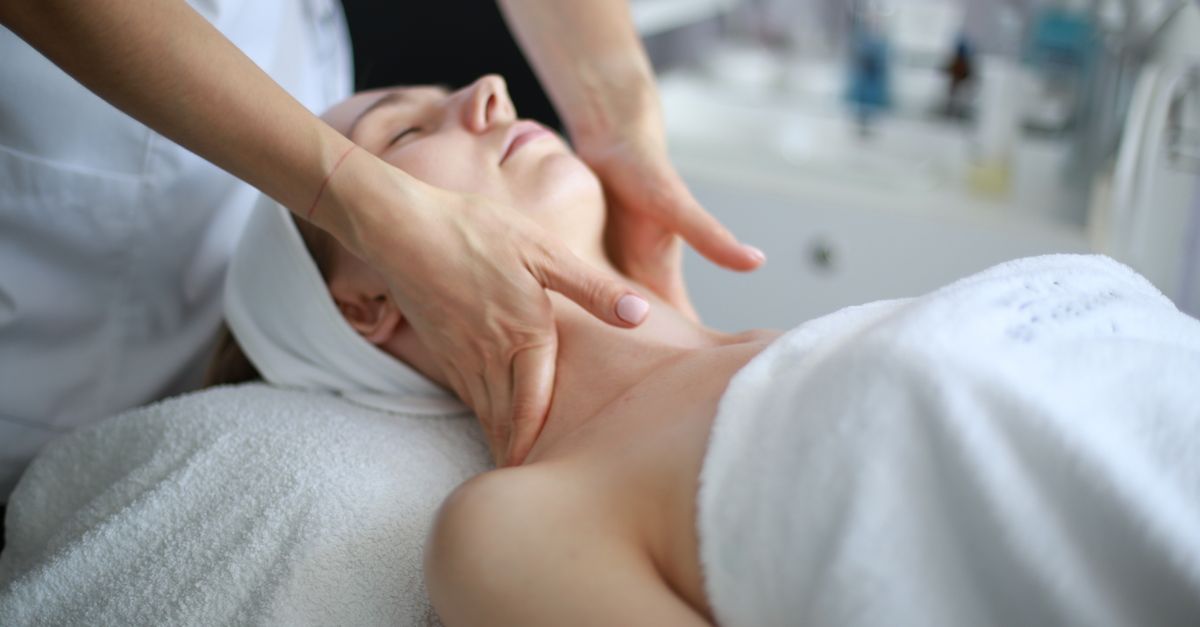
Clinical physical therapy provides structured rehabilitation for chronic back tension. Therapists use manual techniques such as myofascial release to break down fibrous adhesions in the connective tissue surrounding the muscles.
Myofascial trigger point therapy involves applying sustained, precise pressure to the hard nodules within the muscle belly. While briefly painful, this ischemic compression forces the contracted muscle fibers to release and reset their resting length, often providing immediate relief of the referred headache.
Instrument-assisted soft tissue mobilization is sometimes utilized to smooth out the fascial layers of the upper back. The overarching goal of these manual therapies is to restore tissue elasticity and normal joint mechanics to the cervical spine.
11. Targeted Stretching and Strengthening Exercises
A daily regimen of specific stretches prevents the upper back muscles from locking up. The chin tuck is a foundational exercise for reversing forward head posture. By gently gliding the head backward over the spine without tilting the chin up or down, the deep neck flexors are strengthened, and the overactive suboccipital muscles are stretched.
Doorway chest stretches address the tight pectoral muscles that pull the shoulders forward. By standing in a doorway with arms raised and gently leaning forward, the chest opens up, allowing the shoulder blades to retract naturally.
Strengthening the rhomboids and lower trapezius through exercises like scapular squeezes or low-resistance rowing movements provides the structural integrity needed to hold the upper back in an upright, stress-free position throughout the day.
12. Pharmacological Options for Muscle Relaxation
When mechanical therapies are insufficient, pharmacological support is introduced. Over-the-counter nonsteroidal anti-inflammatory drugs, such as ibuprofen, help manage the inflammatory pain cycle within the irritated tissues.
For severe, unrelenting muscle spasms, physicians may prescribe a short course of muscle relaxants, such as cyclobenzaprine or methocarbamol. These medications operate on the central nervous system to reduce skeletal muscle hyperactivity, providing a window of relief during which physical therapy can be performed more effectively.
Topical analgesics containing menthol, camphor, or lidocaine offer localized relief without systemic side effects. By stimulating temperature receptors in the skin, these creams block the transmission of pain signals from the underlying muscle tissue to the brain.
13. Stress Management and Relaxation Techniques
Psychological stress is a primary catalyst for upper back tension. The body’s natural response to emotional distress is to elevate the shoulders and tense the neck, preparing for a perceived threat. Managing this physical manifestation requires dedicated psychological strategies.
Progressive muscle relaxation is a highly effective technique. It involves systematically tensing and then consciously relaxing different muscle groups throughout the body, teaching the central nervous system to recognize and release stored physical tension.
Mindfulness meditation, cognitive behavioral therapy, and biofeedback help patients identify their personal stress triggers and alter their physiological reactions to them. Reducing systemic anxiety directly lowers the baseline tone of the trapezius muscles, significantly decreasing headache frequency.
14. Preventive Measures for Long-Term Spinal Health
Maintaining a resilient spine requires holistic lifestyle habits. Regular cardiovascular exercise, such as brisk walking, swimming, or cycling, promotes healthy blood circulation to the musculoskeletal system and triggers the release of endorphins, the body’s natural pain-relieving hormones.
Adequate hydration is critical, as dehydrated fascia and muscle tissue lose their elasticity and become prone to spasm. Proper sleep hygiene, including the use of a supportive cervical pillow, ensures the upper spine is resting in a neutral alignment during the night.
Consistent movement is the ultimate prevention. Avoiding static postures and integrating dynamic movement into everyday routines ensures that the muscular load is distributed evenly across the body rather than concentrated entirely on the upper back and neck.
15. When to Consult a Healthcare Professional
While most tension-related headaches are benign and responsive to conservative care, certain warning signs require immediate medical investigation to rule out serious intracranial pathology.
If a headache is described as the “worst headache of your life,” has a sudden and explosive onset, or is accompanied by neurological deficits such as slurred speech, visual changes, or profound weakness on one side of the body, emergency medical attention is mandatory.
Furthermore, if back tension and headaches are accompanied by a high fever, a stiff neck that resists any bending, or unexplained weight loss, a physician must evaluate for potential infections or systemic diseases. Headaches that progressively worsen over weeks or are entirely new after the age of fifty also warrant a thorough diagnostic workup.
16. Frequently Asked Questions (FAQ)
1. Can a tight upper back cause pain behind the eyes?
Yes, the suboccipital muscles at the base of the skull often refer pain directly to the frontal region and behind the eyes when they are severely restricted or spasming.
2. Will a chiropractor help with tension headaches?
Chiropractic adjustments targeting the cervical and thoracic spine can restore normal joint mobility, which frequently relieves the secondary muscle tension causing cervicogenic headaches.
3. Does cracking my own neck relieve the tension?
Self-manipulation might provide a fleeting sense of relief due to endorphin release, but it often targets the wrong joints and can lead to joint hypermobility and worse muscle spasms over time.
4. Can carrying a heavy backpack cause these headaches?
Absolutely. Heavy bags force the shoulders downward and forward, placing massive strain on the upper trapezius muscles to support the load, triggering intense muscle spasms and subsequent headaches.
5. How often should I stretch my neck during the workday?
For optimal prevention of muscle locking, aim to perform gentle neck mobility exercises and shoulder rolls every forty-five to sixty minutes during prolonged periods of sitting.
17. Bibliography
Disclaimer: The content is for informational purposes only and does not replace medical advice. Always consult your doctor for personalized treatment.