
1. Introduction
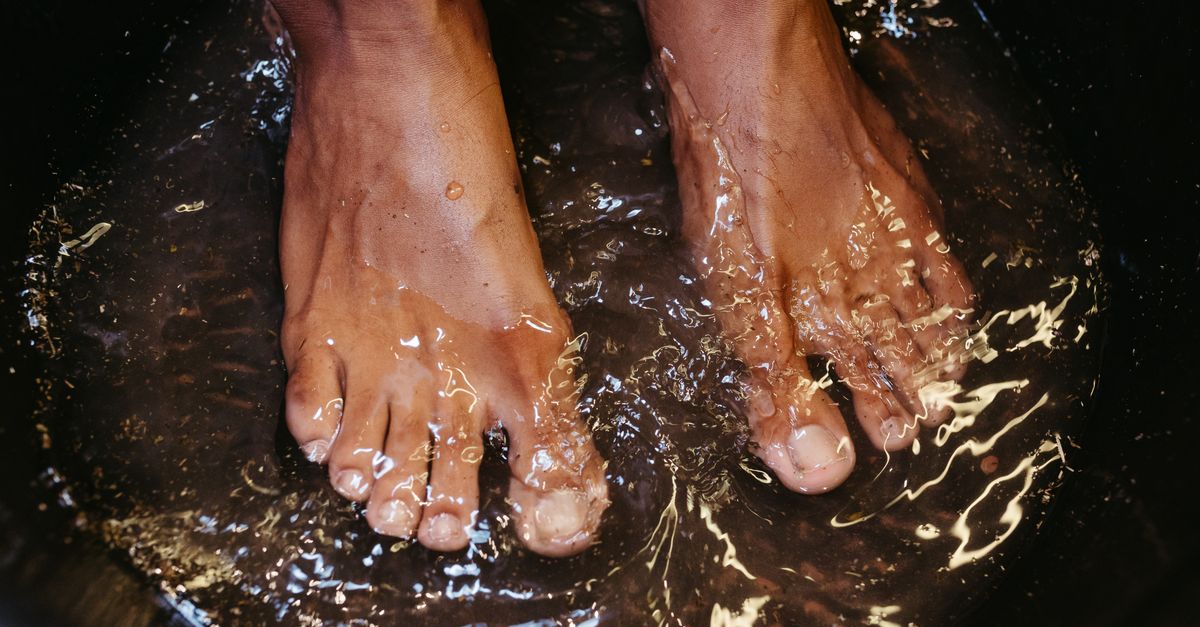
Toes turning blue and numb when exposed to ice water is a direct result of profound peripheral vasoconstriction, an involuntary survival reflex designed to preserve the body’s core temperature. When the extremities encounter extreme cold, the sympathetic nervous system immediately commands the blood vessels in the toes to clamp shut. This rapid vascular response drastically reduces the flow of warm, oxygen-rich arterial blood to the superficial tissues, preventing vital body heat from being lost to the freezing water.
The human body operates strictly within a narrow internal temperature range. The brain and internal organs require constant warmth to sustain critical metabolic functions. The extremities, such as the toes and fingers, possess a high surface-area-to-volume ratio, making them highly efficient radiators of heat. In a freezing environment, these thermal radiators become a liability, threatening to drain the body’s thermal reserves.
By restricting blood flow to the toes, the body essentially sacrifices the comfort and optimal function of the periphery to protect the core. Without a steady supply of fresh arterial blood, the tissues in the toes quickly consume whatever remaining oxygen is present. As the blood becomes deoxygenated, it turns a dark, bluish-purple color, visible through the skin.
Simultaneously, the sensory nerves in the toes are starved of oxygen and chilled to a point where they can no longer generate or transmit electrical signals. This neurological failure manifests as profound numbness. Understanding the mechanics of this thermoregulatory reflex is essential for distinguishing between a normal physiological response and dangerous pathological conditions like frostbite or underlying vascular disease.
2. Thermoregulation and the Sympathetic Nervous System
The hypothalamus, a small structure deep within the brain, acts as the body’s central thermostat. It continuously monitors the temperature of the blood and receives constant input from specialized temperature sensors called thermoreceptors located throughout the skin.
When the feet are plunged into ice water, the cutaneous cold receptors fire a barrage of electrical signals to the hypothalamus. The brain immediately recognizes the severe environmental threat. To prevent systemic hypothermia, the hypothalamus activates the sympathetic nervous system, the body’s rapid-response command center.
The sympathetic nervous system releases powerful neurotransmitters, primarily norepinephrine, into the peripheral vascular system. These neurotransmitters bind to specific receptors on the smooth muscle cells lining the walls of the small arteries and arterioles in the feet.
This binding causes the smooth muscles to contract forcefully, drastically narrowing the diameter of the blood vessels. This process, known as vasoconstriction, shunts the circulating blood away from the feet and redirects it deep into the torso, where it insulates the vital organs.
3. The Mechanics of Peripheral Vasoconstriction
Vasoconstriction in the extremities is highly efficient due to specialized vascular structures called arteriovenous anastomoses. These structures act as microscopic bypass valves located heavily in the fingers, toes, nose, and ears.
Under normal, warm conditions, these anastomoses are closed, forcing arterial blood to flow through the tiny capillary beds near the surface of the skin, where it nourishes the tissue and releases excess body heat. When exposed to ice water, the sympathetic nervous system throws these bypass valves open.
The warm arterial blood bypasses the superficial capillary beds entirely and is routed directly back into the deep venous system. The skin and superficial tissues of the toes are effectively cut off from their primary thermal and nutritional supply.
This drastic reduction in peripheral perfusion means that the toes rapidly assume the temperature of the surrounding ice water. The loss of warm blood flow is the fundamental physiological mechanism driving both the color change and the loss of sensation.
4. Cyanosis and Tissue Hypoxia
The distinctive blue or purple discoloration of the toes is clinically referred to as cyanosis. Cyanosis occurs due to the changing optical properties of hemoglobin, the protein molecule within red blood cells responsible for transporting oxygen.
When hemoglobin is bound to oxygen, it reflects a bright, vibrant red light, giving healthy skin its pinkish hue. However, as the toes sit in ice water and the arterial supply is clamped shut, the local cells continue to metabolize the limited oxygen remaining in the stagnant blood trapped in the capillaries.
As the oxygen is depleted, the hemoglobin becomes deoxygenated. Deoxygenated hemoglobin absorbs red light and reflects blue and purple wavelengths. Because the skin on the toes is relatively thin, this dark, sluggish, oxygen-depleted blood becomes highly visible, turning the digits a stark blue or dusky gray.
This localized tissue hypoxia (lack of oxygen) is a temporary, non-damaging state under brief exposure. However, if the oxygen deprivation is prolonged extensively, the cellular metabolism will fail, leading to permanent tissue damage.
5. Neurological Impact of Cold
The profound numbness experienced in the toes is a direct result of cold-induced neurological suppression. Nerves transmit sensory information to the brain via electrical impulses. These impulses rely on the precise, rapid exchange of sodium and potassium ions across the nerve cell membranes.
Temperature profoundly affects this cellular machinery. As the tissue temperature in the toes plumps toward freezing, the lipid membranes of the nerve cells become rigid. The specialized ion channels required for electrical conduction become sluggish and eventually cease to function entirely.
Furthermore, nerves require an immense amount of oxygen to maintain their electrical resting potential. The severe vasoconstriction deprives the peripheral nerves of the blood flow necessary to sustain their activity.
As the nerves fail, the transmission of touch, pressure, and even pain signals to the brain is completely blocked. This creates a dangerous scenario where the individual may sustain physical trauma or severe frostnip to the toes without feeling any pain to warn them of the injury.
6. The Hunting Reaction
If the toes remain in the ice water for an extended period, the body employs a secondary, paradoxical protective mechanism known as the hunting reaction, or cold-induced vasodilation.
Complete, unyielding vasoconstriction would eventually lead to cellular death in the toes due to total oxygen starvation. To prevent the toes from dying and falling off, the sympathetic nervous system periodically relaxes its grip on the peripheral blood vessels.
Every five to fifteen minutes, the arterioles suddenly dilate, allowing a brief flush of warm, oxygenated blood to rush back into the chilled toes. The toes may temporarily turn red and throb with a deep, burning ache as the nerves briefly awaken.
After a few minutes, the body senses the massive heat loss occurring through the newly opened vessels and violently clamps them shut again. This cyclical pattern of profound vasoconstriction followed by brief, protective vasodilation continues as long as the cold exposure persists, keeping the tissue barely alive on a strict oxygen budget.
7. Raynaud Phenomenon and Exaggerated Responses
While blue, numb toes are a normal physiological response to ice water, some individuals experience a hyperactive version of this reflex known as Raynaud phenomenon. In individuals with this condition, the sympathetic nervous system overreacts drastically to even mild cold exposure or emotional stress.
Instead of a moderate narrowing of the vessels, the digital arteries go into a complete, spastic lock-down, halting all arterial blood flow entirely.
| Phase of Raynaud Attack | Physiological Cause | Visual Appearance of Toes |
|---|---|---|
| Ischemic Phase | Complete arterial spasm; zero blood flow. | Stark, ghost-white appearance. |
| Cyanotic Phase | Trapped blood becomes deoxygenated. | Deep blue or purple discoloration. |
| Hyperemic Phase | Spasm breaks; rapid rush of arterial blood. | Bright red, accompanied by throbbing pain. |
Raynaud phenomenon can be a primary, benign condition, or it can be secondary to an underlying autoimmune disorder, such as lupus or scleroderma. If toes turn stark white followed by blue in response to merely stepping on a cold tile floor, medical evaluation is required.
8. Frostnip Versus Frostbite
It is critical to differentiate between temporary, reversible cold reactions and actual tissue freezing. Frostnip is the mildest form of cold injury. It involves intense vasoconstriction, blue or pale skin, and profound numbness, but the actual water inside the skin cells has not frozen. Frostnip resolves completely without permanent damage upon rewarming.
Frostbite is a severe medical emergency. It occurs when the tissue temperature drops below freezing. Ice crystals form in the extracellular fluid, drawing water out of the cells and causing the cell membranes to rupture and die.
In superficial frostbite, the skin may appear waxy, hard, and blistered upon rewarming. In deep frostbite, the freezing process penetrates down to the muscles, tendons, and bones. The tissue turns completely black and necrotic, often requiring surgical amputation.
Extended exposure to ice water, especially if environmental temperatures are below freezing, carries a high risk of rapidly transitioning from a normal physiological cyanosis into structural frostbite.
9. Risk Factors for Poor Circulation
The severity and rapidity of the cold response are heavily influenced by the baseline health of an individual’s vascular system. Any condition that compromises the structural integrity or patency of the peripheral arteries will exacerbate the effects of cold water exposure.
Peripheral artery disease, commonly caused by atherosclerosis, involves the narrowing of the leg arteries due to cholesterol plaques. Individuals with this disease already have marginal blood flow to their toes at room temperature. Exposing them to ice water can cause a complete, dangerous cessation of blood supply.
Diabetes causes microvascular damage, destroying the tiny capillary beds and peripheral nerves over time. Diabetic individuals are at immense risk in cold environments because their compromised nerves may not feel the cold (a condition known as peripheral neuropathy), and their damaged vessels cannot effectively execute the hunting reaction to keep the tissues alive.
Nicotine is a potent, chemical vasoconstrictor. Smoking acutely narrows the blood vessels, amplifying the body’s natural cold reflex and significantly delaying the return of normal circulation upon rewarming.
10. Immediate Rewarming Protocols
When exiting the ice water, the immediate goal is to safely restore normal tissue temperatures and arterial blood flow without causing secondary damage to the delicate, hypoxic tissues. Rewarming must be gradual and controlled.
The most effective method is passive rewarming in a warm environment. Moving to a heated room, gently patting the feet dry, and covering them in a dry, warm blanket allows the body’s core temperature to naturally signal the sympathetic nervous system that the threat has passed. The vessels will slowly dilate.
Active rewarming using warm water immersion is highly effective but must be carefully monitored. The water should be comfortably warm to the touch (around ninety-eight to one hundred and four degrees Fahrenheit), never hot. Because the toes are numb, they cannot detect scalding temperatures, making severe burns a significant risk.
As the blood vessels dilate and flow returns, the toes will transition from blue to bright red. This hyperemic phase is often accompanied by a distinct burning, throbbing, or intense pins-and-needles sensation as the nerves rapidly regain their electrical function.
11. What to Avoid During Rewarming
Certain traditional or instinctual methods of rewarming are highly destructive and strictly contraindicated. Rubbing or massaging numb, cold toes is dangerous. If microscopic ice crystals have begun to form in the superficial tissues, rubbing them will cause the sharp crystals to lacerate the cell membranes, resulting in massive tissue destruction.
Direct, high-heat sources must be completely avoided. Placing numb feet directly in front of a space heater, over a radiator, or using a heating pad poses an extreme burn risk. The sensory nerves are inactive and will not send pain signals to the brain as the skin literally cooks.
Walking on completely numb feet should be avoided if possible. The lack of proprioception and sensory feedback means the individual cannot feel if they are walking awkwardly or stepping on a sharp object, leading to severe mechanical injuries to the joints and soft tissues.
The rewarming process requires patience. Forcing the chilled tissues to heat up too rapidly can cause severe localized swelling and compartment syndrome, as the damaged capillaries leak massive amounts of fluid into the tight spaces of the foot.
12. Long-Term Effects of Repeated Cold Exposure
Repeated, severe exposure to ice water or freezing environments can cause lasting alterations to the peripheral vascular system. A condition known as chilblains (or pernio) can develop, characterized by painful, itchy, and swollen red or purple bumps on the toes.
Chilblains occur due to a maladaptive vascular response where the tiny blood vessels in the skin remain chronically inflamed and leaky after being repeatedly constricted by cold and then rapidly rewarmed.
Furthermore, chronic cold exposure can lead to lasting peripheral nerve damage. Even without suffering clinical frostbite, the repeated starvation of oxygen and severe chilling can cause the myelin sheaths surrounding the nerves to degrade, resulting in chronic numbness or a persistent, low-grade tingling sensation long after the feet are warm.
Individuals who work in cold, wet environments must adopt strict protective protocols to prevent these cumulative micro-traumas from causing permanent neuropathic and vascular deficits.
13. Systemic Prevention Strategies
Preventing the toes from turning blue requires a systemic approach to thermoregulation. The body prioritizes the core over the extremities; therefore, keeping the core exceptionally warm delays the onset of peripheral vasoconstriction. Wearing an insulated, windproof core layer ensures the hypothalamus feels secure in the body’s overall thermal status.
When entering cold water is unavoidable, proper barrier protection is necessary. Neoprene booties act as an insulating wetsuit for the feet. They trap a thin layer of water against the skin, which the body quickly warms, providing a thermal buffer against the freezing external environment.
Maintaining excellent cardiovascular fitness ensures a strong, robust circulatory system capable of rapid, efficient vascular responses. Regular aerobic exercise increases the density of capillary beds in the extremities, providing better baseline perfusion.
Avoiding chemical vasoconstrictors, particularly nicotine and high doses of caffeine, prior to cold exposure ensures the blood vessels are relaxed and capable of delivering maximal blood flow until the physiological reflex is genuinely required.
14. When Medical Evaluation is Required
While blue, numb toes are a predictable response to ice water, the failure of the toes to return to a normal pink color and regain full sensation within thirty to sixty minutes of being in a warm environment is a clinical red flag indicating potential tissue damage or severe vascular occlusion.
If upon rewarming, the skin develops clear or blood-filled blisters, feels hard and wooden, or remains stark white and profoundly painful, immediate emergency medical attention is required to treat impending frostbite.
Furthermore, if the toes turn blue and numb frequently during daily life without extreme cold exposure, or if a single toe remains blue while the others are pink, a physician must evaluate the patient for underlying arterial blockages, blood clots, or autoimmune vasculitis.
A timely vascular ultrasound or rheumatological blood panel can identify underlying pathologies that make the normal physiological cold reflex dangerous.
15. Frequently Asked Questions (FAQ)
1. Is it dangerous if my toes turn blue in an ice bath?
It is a normal physiological response for a short duration. However, prolonged exposure risks severe tissue hypoxia and frostnip. Ice baths should be strictly timed and monitored to prevent permanent damage.
2. Why does it hurt so much when my toes warm back up?
As blood rushes back into the starved tissues, the sudden influx of oxygen and the rapid re-awakening of the chilled sensory nerves cause a massive, chaotic firing of electrical signals, perceived by the brain as intense burning or throbbing pain.
3. Will drinking alcohol help keep my feet warm in the cold?
No. Alcohol acts as a systemic vasodilator, bringing warm blood to the surface of the skin where the heat is rapidly lost to the environment. It accelerates core hypothermia, which ultimately makes peripheral vasoconstriction more severe.
4. Can wearing tighter socks help keep my toes warm?
Tighter socks can actually make it worse. Tight elastic bands constrict the superficial blood vessels, physically blocking the essential arterial blood flow and compounding the cold-induced vasoconstriction.
5. What is the best way to safely rewarm numb toes?
The safest method is to move to a warm room, remove any wet clothing, and wrap the feet in dry, warm blankets, allowing the body to naturally dilate the blood vessels at its own pace.
16. Bibliography
Disclaimer: The content is for informational purposes only and does not replace medical advice. Always consult your doctor for personalized treatment.



