1. Introduction
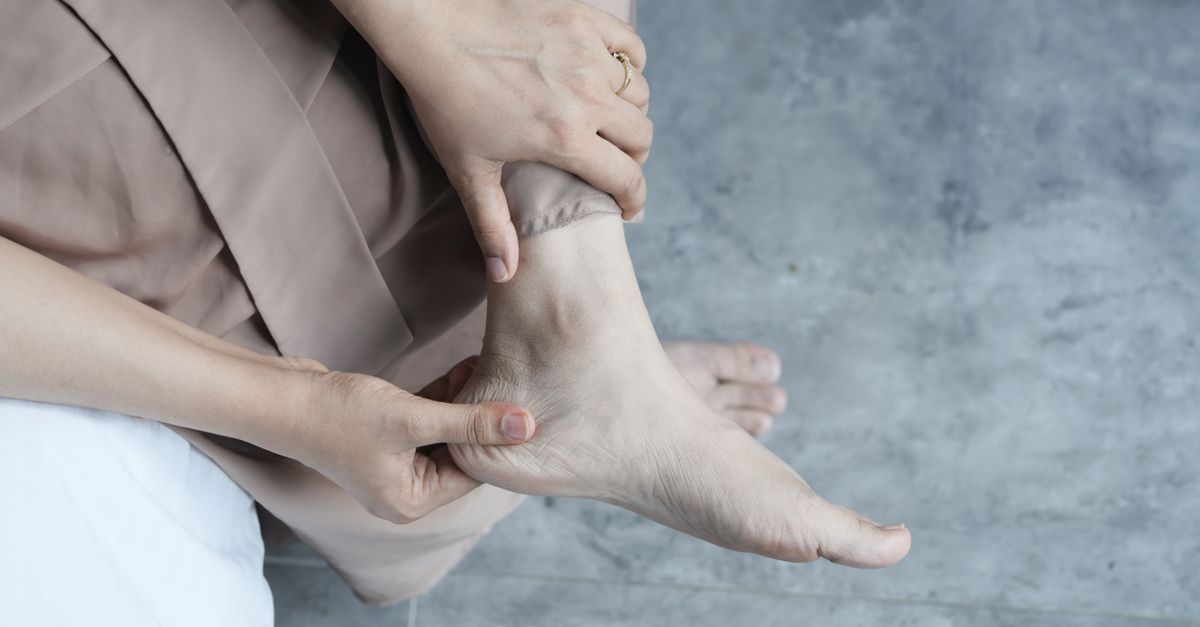
A burning sensation in the feet after wearing synthetic polyester socks is primarily caused by the material’s inability to transmit moisture vapor, leading to an occluded microclimate that traps metabolic heat and sweat against the skin. Polyester is a hydrophobic plastic fiber that acts as an intense thermal insulator. When the foot perspires, the trapped moisture causes the outer layer of the skin to macerate, significantly increasing surface friction. This combination of heat retention, mechanical friction, and potential chemical irritation from textile dyes results in localized vasodilation and a profound burning discomfort.
2. Anatomy and Thermoregulation of the Foot
The human foot contains an exceptionally high density of eccrine sweat glands, with over two hundred and fifty thousand glands per foot. These glands are critical for thermoregulation, designed to secrete sweat that cools the skin through evaporation.
The foot also relies on a vast network of superficial capillaries. When the core body temperature rises, the autonomic nervous system dilates these blood vessels, sending warm blood to the feet to radiate heat outward into the environment.
For this cooling system to function, the moisture must be able to evaporate freely, and the radiated heat must be able to dissipate. Clothing that covers the foot directly dictates the efficiency of this biological heat exchange mechanism.
3. Material Properties of Synthetic Polyester
Polyester is a synthetic polymer, essentially a form of plastic. The individual fibers are smooth, durable, and hydrophobic, meaning they inherently repel water. While this makes the fabric quick-drying in an open environment, it performs poorly as a direct-to-skin layer in enclosed footwear.
Because polyester fibers do not absorb moisture into their core, they rely on capillary action between the woven threads to move sweat. In a tightly knit, inexpensive sock, this wicking capability is often minimal.
The plastic nature of the fibers acts as a highly efficient thermal barrier. It prevents the radiant heat generated by the dense capillary beds of the foot from escaping into the surrounding environment, functioning much like a greenhouse.
4. Impaired Moisture Vapor Transmission
When a foot encased in a polyester sock begins to sweat, the moisture is pushed against the fabric. Because the polyester lacks the absorption capacity of natural fibers like wool or cotton, the sweat has nowhere to go.
The moisture vapor transmission rate of standard polyester is remarkably low. The interior of the sock quickly reaches one hundred percent relative humidity.
Once the air inside the sock is saturated, evaporation ceases entirely. The physiological cooling mechanism is completely blocked. The foot continues to generate heat and sweat, accelerating a vicious cycle that rapidly raises the localized temperature of the skin.
5. Microclimate Occlusion and Hyperhidrosis
This enclosed, hot, and humid environment is termed microclimate occlusion. The trapped heat causes the local blood vessels to dilate further, attempting to shed thermal energy, making the foot physically hotter and redder.
Simultaneously, the rising temperature triggers the eccrine glands to produce even more sweat, a localized form of hyperhidrosis.
The skin is bathed continuously in hot, stagnant saline fluid. This extreme thermal and moisture stress overstimulates the sensory nerve endings in the epidermis, which transmit distress signals to the brain that are perceived clinically as a sharp, burning heat.
6. Friction Mechanics and Heat Generation
Moisture plays a critical role in the friction coefficient of the skin. Completely dry skin has relatively low friction. Slightly moist skin, however, exhibits the highest coefficient of friction, meaning it grips surfaces aggressively.
When the foot is wet with trapped sweat inside a polyester sock, the skin adheres tightly to the synthetic fibers. As you walk, the shoe moves against the sock, and the sock pulls violently against the damp skin.
This relentless mechanical shear force generates substantial secondary thermal energy through physical friction. The combination of trapped biological heat and kinetic friction heat produces an intense, localized burning sensation on the soles of the feet and the heels.
7. Stratum Corneum Maceration
The outermost layer of the skin, the stratum corneum, acts as a tough, waterproof barrier. However, prolonged exposure to a saturated microclimate causes the keratin proteins in this layer to absorb water like a sponge.
This waterlogging is clinically known as maceration. Macerated skin appears white, wrinkled, and spongy.
Crucially, macerated skin loses its structural integrity and its protective barrier function. The fragile, weakened epidermis is easily torn by the friction of the polyester sock, leaving the underlying sensitive dermis exposed and contributing heavily to the rawness and burning pain.
8. Textile Contact Dermatitis
Synthetic socks are manufactured using a vast array of chemical compounds, including disperse dyes, formaldehyde-releasing resins for wrinkle resistance, and synthetic fixing agents.
When the skin is hot, sweaty, and macerated, its permeability drastically increases. The chemicals from the polyester sock can easily leach into the open pores of the epidermis.
In sensitive individuals, the immune system identifies these chemicals as hostile invaders, triggering allergic contact dermatitis. This immune response releases histamines, causing intense erythema, swelling, and a severe burning itch that persists long after the socks are removed.
9. Localized Vasodilation and Erythema
The visual presentation of a foot subjected to a polyester microclimate is often marked by profound erythema, or redness. This is the physiological result of maximum localized vasodilation.
The autonomic nervous system, desperately attempting to cool the tissue and clear away inflammatory mediators generated by friction and chemical irritation, opens the precapillary sphincters as wide as possible.
This massive influx of arterial blood engorges the foot. The physical distension of these blood vessels places pressure on adjacent nerve fibers, adding a throbbing, aching dimension to the intense burning sensation.
10. Fungal Growth and Tinea Pedis
The hot, dark, and saturated environment created by polyester socks is the perfect incubator for dermatophytes, the fungi responsible for tinea pedis, commonly known as athlete’s foot.
These fungi thrive in moisture and feed on the dead keratin cells of the macerated stratum corneum. The fungal overgrowth actively degrades the skin tissue, releasing enzymes that provoke a strong inflammatory response.
A sudden, intense burning between the toes or along the arches, particularly accompanied by scaling or peeling skin, is a strong indicator that the occlusive microclimate has facilitated an acute fungal infection.
11. Peripheral Neuropathy Considerations
While the material properties of the sock are the primary culprit, it is vital to ensure the sensation is not masking an underlying neurological issue. Peripheral neuropathy, often caused by diabetes or vitamin deficiencies, involves damage to the distal sensory nerves.
Damaged nerves can spontaneously misfire, sending burning pain signals to the brain even without a thermal stimulus.
However, individuals with neuropathy also have impaired autonomic control, meaning their feet cannot regulate temperature or sweat effectively. Placing a neuropathic foot into a highly occlusive polyester sock rapidly accelerates thermal distress and the risk of unperceived tissue injury.
12. Clinical Assessment of Burning Feet
Evaluating the cause of burning feet requires distinguishing between mechanical irritation, contact allergies, and infectious or neurological pathology. A clinician will examine the skin for signs of maceration, blistering, or fungal scaling.
| Symptom Presentation | Visual Findings | Probable Cause |
|---|---|---|
| Burning resolves quickly after removing socks. | Redness, hot to touch, heavy sweat. | Thermal occlusion and mechanical friction. |
| Burning itch, rash follows the shape of the sock. | Erythema, small vesicles, dry scaling. | Allergic Contact Dermatitis (Textile dyes). |
| Burning localized between toes with peeling skin. | White, soggy skin, fissuring. | Tinea Pedis (Athlete’s Foot) fungal infection. |
13. Natural Fiber Alternatives
The definitive intervention for polyester-induced burning is replacing the synthetic barrier with materials possessing high moisture vapor transmission rates.
Merino wool is the clinical gold standard for foot microclimate management. Unlike polyester, wool fibers absorb moisture vapor into their core while maintaining a dry exterior against the skin, actively regulating temperature and preventing maceration.
High-quality cotton can be utilized in low-exertion settings, as it absorbs moisture effectively, though it loses its insulating properties when fully saturated. Blends utilizing bamboo fibers also offer excellent breathability and a smooth, low-friction texture.
14. Foot Hygiene and Cooling Interventions
Immediate relief from the burning sensation involves rapidly normalizing the tissue temperature and reducing vasodilation. Soaking the feet in cool water extracts the trapped heat and constricts the engorged blood vessels, neutralizing the throbbing pain.
Thoroughly drying the feet, especially between the toes, is essential to reverse the maceration of the stratum corneum.
Applying a breathable, unscented moisturizer restores the lipid barrier of the epidermis that was stripped away by the salty sweat and mechanical friction, protecting the sensory nerve endings from further irritation.
15. Frequently Asked Questions FAQ
1. Are all synthetic socks bad for my feet?
Not necessarily. Advanced athletic socks use highly engineered synthetic blends designed specifically to wick moisture away from the skin using directional weaves. The problem lies primarily with inexpensive, tightly knit polyester socks that lack advanced wicking geometry and trap heat entirely.
2. Will applying antiperspirant to my feet stop the burning?
Antiperspirant blocks the sweat ducts, which can reduce the moisture trapping that causes maceration and friction. However, it also prevents the foot from executing its primary cooling mechanism. If the sock still traps heat, the foot may still feel hot and uncomfortable.
3. Why do my feet burn more at night after wearing these socks?
The friction and chemical irritation from the socks cause an inflammatory response that persists for hours. Furthermore, peripheral blood flow naturally increases when you lie down to sleep, which engorges the already inflamed capillaries in your feet, amplifying the burning sensation.
4. How can I tell if I am allergic to the sock dye?
If the burning is accompanied by a severe itch, and you develop a red, bumpy rash that exactly covers the area where the sock touched the skin, it is likely contact dermatitis. A dermatologist can perform patch testing to identify the exact chemical trigger.
5. Does the type of shoe I wear matter if I change my socks?
Yes. Even if you wear high-quality merino wool socks, if you place your foot into a shoe made of impermeable synthetic plastic or heavy rubber, the moisture and heat still have no escape route. Breathable footwear is crucial to complete the cooling system.
16. Bibliography
Disclaimer: The content is for informational purposes only and does not replace medical advice. Always consult your doctor for personalized treatment.