1. Introduction
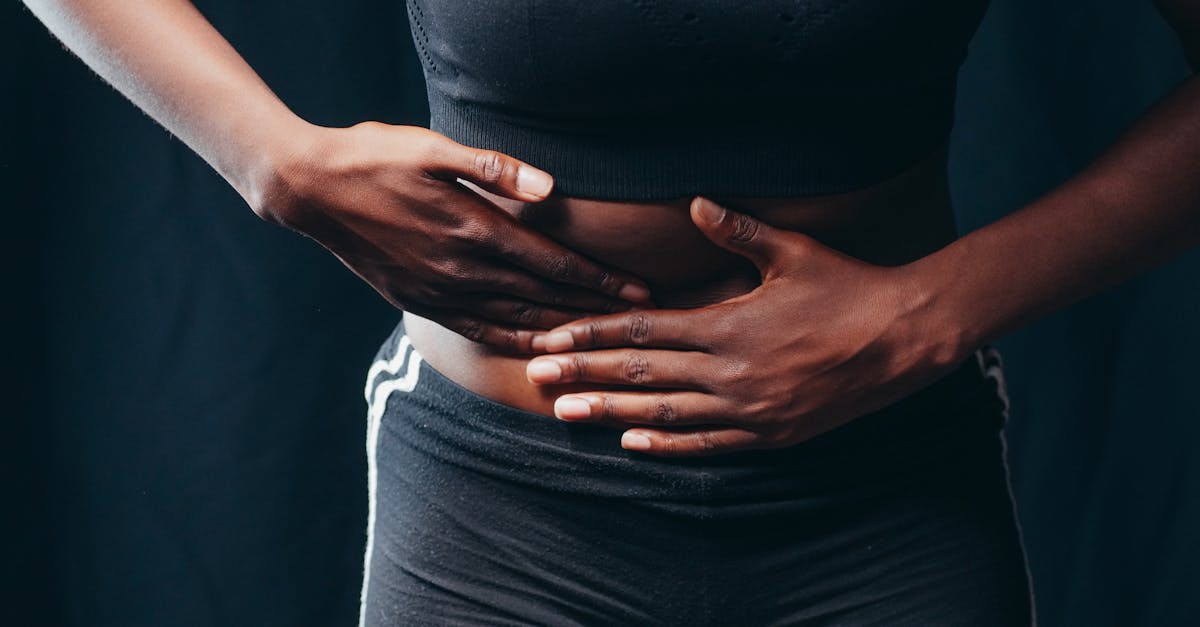
A burning pain behind the ribs after consuming fatty foods like fried chicken is classically caused by one of two primary gastrointestinal mechanisms: severe acid reflux or biliary colic. Fried chicken contains a remarkably high concentration of dietary lipids. When a large volume of fat enters the stomach, it profoundly slows gastric emptying, forcing the stomach to remain full and distended for an extended period. This distension places upward pressure on the lower esophageal sphincter, allowing highly acidic gastric contents to wash backward into the unprotected esophagus, creating a searing chemical burn behind the sternum.
Alternatively, the ingestion of dense fats triggers a powerful hormonal response in the small intestine. The body releases cholecystokinin, a hormone that commands the gallbladder to contract forcefully to release bile, which is necessary to emulsify the heavy lipids. If the gallbladder contains sludge or gallstones, this forceful contraction pushes these solid structures against the narrow bile ducts.
The resulting mechanical blockage prevents the bile from draining, leading to a sudden, intense buildup of pressure within the gallbladder. This pressure is perceived by the nervous system as a deep, radiating pain tucked just under the right rib cage. Distinguishing between the chemical burn of gastric acid and the mechanical pressure of a struggling gallbladder is vital for appropriate clinical management.
2. The Physiology Of Lipid Digestion
Digesting dietary fats is one of the most complex tasks the human gastrointestinal tract performs. Unlike carbohydrates and proteins, which begin breaking down rapidly in the stomach, lipids are hydrophobic—they do not mix with the water-based digestive juices.
When an individual consumes a meal heavy in fried chicken, the battered and oil-soaked meat arrives in the stomach as a dense, difficult-to-process mass. The stomach must physically churn this mass vigorously while secreting robust amounts of hydrochloric acid to begin degrading the protein structure of the meat.
Because fats require specialized processing further down the digestive tract, the stomach delays its emptying process. Receptors in the duodenum (the first part of the small intestine) detect the heavy fat load and send inhibitory signals back to the stomach, instructing it to hold the food longer to prevent overwhelming the downstream absorptive capacity.
3. Gastric Distension And Esophageal Reflux
This delayed gastric emptying is the primary catalyst for acid reflux. As the stomach holds onto the heavy meal, it remains physically stretched and distended. This distension increases the internal pressure within the gastric cavity.
At the top of the stomach sits the lower esophageal sphincter (LES), a circular band of muscle designed to act as a one-way valve. The LES normally opens to allow food to enter and tightly closes to keep stomach acid contained. However, the high fat content of fried chicken chemically relaxes the smooth muscle of the LES, weakening its resting tone.
The combination of increased upward pressure from the full stomach and a chemically weakened esophageal valve allows the profoundly acidic stomach juices to escape upward. This retrograde flow of acid physically burns the delicate lining of the esophagus, causing a sharp, radiating pain centrally located behind the breastbone.
4. The Gallbladder And Cholecystokinin
When the fat from the fried chicken finally begins to slowly enter the duodenum, it encounters specialized enteroendocrine cells. These cells analyze the high lipid content and immediately secrete a hormone called cholecystokinin (CCK) into the bloodstream.
CCK travels to the gallbladder, a small, pear-shaped organ tucked just under the liver on the right side of the rib cage. The gallbladder’s sole function is to store and concentrate bile, a greenish fluid produced by the liver that acts like a biological detergent to emulsify dietary fats.
Upon receiving the CCK signal, the muscular walls of the gallbladder contract vigorously to squirt concentrated bile through the cystic duct and into the small intestine. The heavier the fat load ingested, the stronger and more sustained the gallbladder contraction will be.
5. Biliary Colic And Gallstones
If the gallbladder is perfectly healthy, this contraction goes entirely unnoticed. However, if the gallbladder contains gallstones (crystallized deposits of cholesterol or bilirubin) or thick biliary sludge, the forceful contraction becomes a painful event.
As the gallbladder squeezes to release bile, it can inadvertently push a gallstone into the narrow opening of the cystic duct. The stone creates a physical barricade. The gallbladder, still receiving the hormonal command to empty, continues to contract powerfully against this unyielding blockage.
This intense, isometric contraction against a blocked duct creates immense internal pressure. The sensory nerves innervating the gallbladder wall are fiercely stimulated, producing a severe, deep, and steady pain localized behind the lower right ribs, often radiating to the right shoulder blade. This acute event is clinically known as biliary colic.
6. The Impact Of Frying Oils
The method of cooking significantly exacerbates the digestive burden. Deep-frying submerges chicken in boiling oil, forcing the breading and the meat to absorb a substantial volume of lipids. The type of oil used also plays a critical role in gastrointestinal distress.
Many commercial frying oils are rich in omega-6 fatty acids and can become chemically altered when held at high temperatures for long periods. These oxidized lipids are highly inflammatory to the mucosal lining of the stomach and intestines.
Furthermore, heavily processed oils take significantly longer for the liver and gallbladder to process. The combination of thermal oxidation and sheer volume means that eating fried chicken forces the digestive system to operate at maximum capacity, severely stressing both the esophageal defenses and the biliary tree.
7. Esophageal Mucosal Damage
The pain associated with acid reflux is not merely a sensation; it is indicative of acute chemical injury. The stomach is lined with a thick layer of protective mucus designed to withstand hydrochloric acid. The esophagus completely lacks this robust protective coating.
When gastric acid, often mixed with pepsin (a protein-digesting enzyme) and sometimes bile, washes up into the esophagus, it begins to literally digest the superficial epithelial cells. This chemical burn causes immediate, intense inflammation of the esophageal lining, a condition known as esophagitis.
The pain from esophagitis is typically described as a burning or searing sensation that starts behind the sternum and travels upward toward the throat. It is frequently worse when bending over or lying flat, as gravity allows the acid to pool against the inflamed tissue.
8. Identifying The Source Of The Pain
Differentiating between esophageal pain and gallbladder pain dictates the clinical approach and urgency of the condition.
| Symptom Characteristic | Acid Reflux (GERD) | Biliary Colic (Gallbladder) |
|---|---|---|
| Location of Pain | Central chest, behind the sternum, radiating up to the throat. | Right upper quadrant, behind the lower right ribs, radiating to the back. |
| Nature of Pain | Burning, searing, acidic taste in the mouth. | Deep, steady, agonizing pressure or cramp. |
| Duration and Timing | Starts shortly after eating, worsens when lying down. | Peaks 30-60 minutes after a fatty meal, lasts for hours. |
| Response to Antacids | Often improves significantly within minutes. | No response to antacids; pain remains severe. |
9. The Role Of Carbonation And Spices
Fried chicken meals are frequently consumed alongside carbonated beverages and spicy condiments. These additions compound the mechanical and chemical stress on the digestive system. Carbonated drinks release carbon dioxide gas into the stomach.
This gas rapidly expands the gastric volume, putting even more upward pressure on the weakened lower esophageal sphincter. The sudden need to belch forcefully forces the sphincter open, allowing liquid acid to travel up with the gas.
Spices, particularly capsaicin found in hot sauces often paired with fried chicken, act as direct chemical irritants. Capsaicin lowers the pain threshold of the sensory nerves in the esophagus and stomach. If the tissue is already inflamed from acid exposure, the addition of spicy compounds triggers a disproportionately severe pain response.
10. Systemic Factors Contributing To Reflux
Individual anatomy and systemic health heavily influence the likelihood of experiencing post-prandial pain. Individuals carrying excess abdominal weight face a structural disadvantage. The adipose tissue exerts continuous external pressure on the stomach, compressing it like a balloon.
When a large, fatty meal is added to a stomach already under external compression, the internal pressure skyrockets, making reflux almost inevitable. Similarly, a hiatal hernia, where a small portion of the stomach protrudes through the diaphragm into the chest cavity, structurally destroys the anti-reflux barrier.
For these individuals, eating a heavy, lipid-rich meal like fried chicken overwhelms their compromised anatomical defenses, guaranteeing a severe episode of heartburn.
11. Immediate Management Of Acid Reflux
If the burning pain is identified as acid reflux, immediate interventions aim to neutralize the acid and enlist gravity. The individual must remain upright; lying down removes the gravitational force that helps keep the gastric contents in the stomach, allowing the acid to flow freely into the chest.
Over-the-counter liquid antacids containing calcium carbonate or magnesium hydroxide provide the fastest relief. These basic compounds chemically neutralize the hydrochloric acid on contact, instantly halting the chemical burn on the esophageal lining.
Chewing non-mint gum can also be very effective. The mechanical act of chewing stimulates the salivary glands to produce a large volume of saliva, which is naturally alkaline. Swallowing this alkaline saliva repeatedly helps wash the refluxed acid back down into the stomach and soothes the irritated esophagus.
12. Handling A Gallbladder Attack
If the symptoms align with biliary colic—severe right-sided pressure unbothered by antacids—the immediate management differs. Because the pain is caused by a mechanical blockage in a contracting organ, surface-level treatments are ineffective.
The individual should rest in a comfortable position, often curled on the left side to slightly relieve the pressure on the right upper quadrant. Applying a warm heating pad to the right side of the ribs can help relax the surrounding abdominal musculature, though it will not stop the gallbladder contraction itself.
During an active biliary attack, the patient must abstain entirely from eating or drinking further. Introducing more food will only trigger additional CCK release, prompting the gallbladder to contract even harder against the gallstone and worsening the agony.
13. Long-Term Dietary Modifications
Preventing recurrent burning pain behind the ribs requires a fundamental shift in dietary habits. The primary goal is to reduce the volume and density of lipids consumed in a single sitting. Transitioning away from deep-fried foods toward baked, grilled, or steamed lean proteins drastically lowers the digestive burden.
Portion control is equally critical. Eating smaller, more frequent meals prevents extreme gastric distension, reducing the upward pressure on the esophageal sphincter. It also ensures that the gallbladder is not forced into massive, forceful contractions to handle a sudden deluge of fat.
Individuals prone to these symptoms should also identify and eliminate their specific personal triggers, which often include caffeine, alcohol, raw onions, and heavily processed meats, as these compounds universally weaken esophageal defenses and irritate mucosal linings.
14. Pharmacological And Surgical Interventions
For chronic sufferers, lifestyle changes may need to be supplemented with medical therapy. For persistent acid reflux, a physician may prescribe proton pump inhibitors or H2-receptor antagonists. These medications systematically reduce the amount of acid the stomach produces, allowing the esophageal lining time to heal.
If biliary colic is formally diagnosed via ultrasound showing the presence of gallstones, pharmacological options are limited. The definitive clinical treatment for symptomatic gallstones is a cholecystectomy, the surgical removal of the gallbladder.
Because the gallbladder is merely a storage sac, its removal does not stop the production of bile. The liver continues to produce bile, which drips continuously into the small intestine, allowing the patient to digest normal amounts of fat without the risk of painful ductal blockages.
15. When To See A Doctor
While occasional heartburn after a heavy meal is normal, certain pain presentations demand immediate emergency medical evaluation. If the burning or pressure in the chest is accompanied by shortness of breath, dizziness, sweating, or pain radiating down the left arm, it must be treated as a potential myocardial infarction (heart attack) until proven otherwise.
Immediate clinical attention is also required if a suspected gallbladder attack lasts longer than a few hours or is accompanied by a high fever, chills, or a yellowing of the skin and eyes (jaundice). These signs indicate that a gallstone has completely blocked the common bile duct, causing a severe infection or acute pancreatitis.
Patients should routinely consult a gastroenterologist if they rely on antacids multiple times a week to manage post-meal pain, as chronic untreated acid reflux can lead to Barrett’s esophagus, a precancerous cellular change in the esophageal lining.
16. Frequently Asked Questions FAQ
1. Why does milk seem to help the burning at first, but then make it worse later?
The cool liquid and protein in milk temporarily coat the esophagus and buffer the acid, providing quick relief. However, the fat and calcium in whole milk strongly stimulate the stomach to produce even more acid and delay emptying, leading to a rebound acid reflux episode shortly after.
2. Can eating fried food cause an ulcer?
Fried foods do not directly cause ulcers; ulcers are primarily caused by H. pylori bacteria or chronic NSAID use. However, the heavy fats and delayed digestion caused by fried foods will severely aggravate an existing ulcer, causing intense pain.
3. If I have my gallbladder removed, can I eat fried chicken again?
Yes, most people can return to a normal diet after a cholecystectomy. However, without a gallbladder to release a large volume of bile all at once, eating a very heavy, fatty meal might cause the fats to pass undigested into the colon, resulting in urgent diarrhea.
4. Why does lying on my left side help with acid reflux?
The stomach is anatomically positioned on the left side of the body with its entrance angled. Lying on your left side keeps the reservoir of gastric acid safely below the esophageal sphincter. Lying on your right side pours the acid directly against the valve.
5. Is the pain from a gallbladder attack sharp or dull?
Unlike the sharp, searing burn of acid reflux, biliary colic usually presents as a deep, severe, unremitting ache or pressure. Patients often describe it as a tight band squeezing the lower ribs that slowly builds in intensity.
17. Bibliography
Disclaimer: The content is for informational purposes only and does not replace medical advice. Always consult your doctor for personalized treatment.