1. Introduction
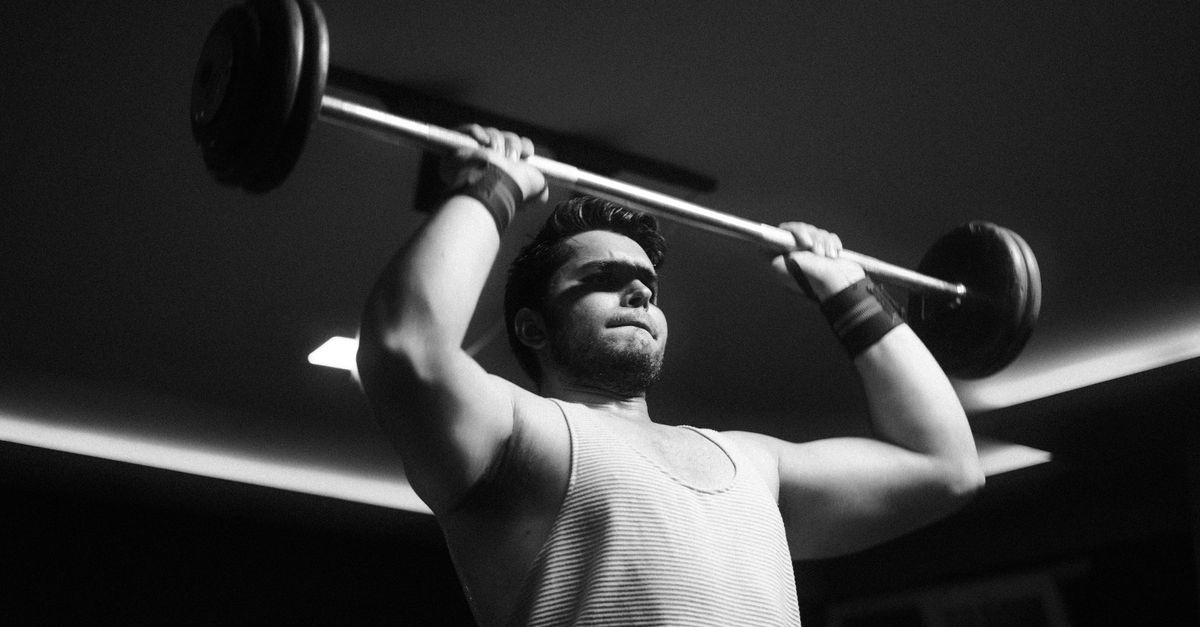
Rapid chest muscle twitching after a heavy bench press is clinically known as benign fasciculation, which occurs due to acute motor unit fatigue and localized neuromuscular hyper-excitability. The intense physical demand of lifting heavy weights depletes cellular energy stores and alters the electrochemical balance of calcium and potassium within the pectoralis muscle fibers. This temporary state of physiological exhaustion causes individual motor units to fire spontaneously and erratically as the tissue begins its recovery process.
Witnessing the pectoral muscles visibly ripple and jump under the skin following a grueling set can be visually alarming, but it is a standard physiological response to high-intensity resistance training. The human neuromuscular system operates through precise electrical signaling. When muscles are pushed to the point of absolute failure, this electrical signaling system temporarily glitches, resulting in involuntary contractions that signify a muscle worked to its maximum capacity.
2. The Pectoralis Major Muscular Anatomy
The chest is dominated by the pectoralis major, a large, fan-shaped muscle that originates at the clavicle and sternum and inserts into the upper humerus. This powerful muscle is responsible for horizontal adduction, the exact biomechanical motion required to push a heavy barbell upward and away from the chest during a bench press.
The pectoralis major is composed of thousands of individual muscle fibers, bundled together and organized into motor units. A motor unit consists of a single motor neuron and all the specific muscle fibers it commands. To lift a massive weight, the central nervous system must recruit nearly all available motor units in the chest simultaneously to generate maximal force.
3. Understanding Motor Units And Recruitment
During a heavy bench press, the brain sends high-frequency electrical signals down the spinal cord to the motor neurons innervating the chest. The nervous system employs a principle called the size principle of motor unit recruitment. It activates smaller, fatigue-resistant slow-twitch fibers first, followed rapidly by larger, powerful fast-twitch fibers to move the heavy load.
By the end of a heavy set, especially as the muscle approaches concentric failure, these high-threshold fast-twitch motor units become severely fatigued. The organized, synchronous firing required to press the weight begins to break down. This neurological fatigue leaves the terminal branches of the motor neurons in a vulnerable, unstable state immediately after the exercise concludes.
4. The Physiology Of Benign Fasciculations
The visible, rapid twitching under the skin is medically termed a fasciculation. A fasciculation is the spontaneous, involuntary firing of a single motor unit. Unlike a severe muscle cramp where the entire muscle locks into a rigid contraction, a fasciculation involves only a tiny localized cluster of fibers twitching rapidly.
Because the pectoralis major sits superficially across the broad, flat surface of the rib cage, these minor muscular contractions are highly visible. The twitching does not produce enough force to move the shoulder joint or the arm; it simply causes the skin overlying the chest to flutter or jump rhythmically until the electrochemical balance within the nerve is restored.
5. Acute Cellular Fatigue And Energy Depletion
Muscle contraction requires a constant supply of adenosine triphosphate, the primary cellular energy currency. Pushing a heavy barbell near a maximal effort completely drains the localized adenosine triphosphate stores within the pectoral muscle fibers. To continue functioning, the cells rely on anaerobic glycolysis, which rapidly depletes local glycogen.
This acute energy depletion compromises the function of the cellular pumps responsible for maintaining the electrical resting state of the muscle cell membrane. Without sufficient energy to power these pumps, the membrane becomes leaky and unstable, allowing stray electrical potentials to trigger spontaneous twitches in the exhausted fibers.
6. Calcium Ion Regulation In Muscle Fibers
The actual mechanical sliding of muscle fibers that produces a contraction is controlled by calcium ions. When a nerve signals a muscle to contract, the sarcoplasmic reticulum inside the muscle cell releases a flood of calcium. For the muscle to relax properly after the lift, this calcium must be actively pumped back into storage.
Fatiguing the chest muscles through heavy lifting impairs the efficiency of these calcium pumps. If excess calcium remains floating in the intracellular fluid after the bench press is over, the muscle fibers remain chemically sensitized. This lingering calcium triggers brief, spontaneous interactions between the muscle filaments, manifesting visibly as rapid fasciculations.
7. Electrolyte Imbalances And Neuromuscular Firing
Beyond calcium, precise concentrations of sodium, potassium, and magnesium are critical for stable nerve conduction. Sweating during a strenuous weightlifting session causes the body to lose these vital electrolytes. Even a mild, localized electrolyte imbalance around the motor endplates can severely disrupt electrical signaling.
Potassium is particularly responsible for resetting the nerve after it fires. If potassium is depleted in the fluid surrounding the pectoral nerves, the nerves struggle to return to their quiet resting state. This heightened state of neuromuscular excitability means that minor mechanical stimuli or simple changes in blood flow can trigger involuntary twitching.
8. Dehydration And Fluid Dynamics
Adequate cellular hydration is vital for optimal muscle function and nerve transmission. Water provides the aqueous environment necessary for electrolytes to move across cell membranes. Heavy resistance training naturally shifts fluid away from the plasma and into the working muscles, creating a localized pump effect.
If systemic hydration is lacking before the workout, this fluid shift leaves the neuromuscular junctions relatively dehydrated. A dehydrated nerve ending is highly irritable. The combination of intense mechanical strain from the bench press and poor local hydration creates the perfect environment for persistent, rapid muscle fasciculations.
9. The Influence Of Pre-Workout Stimulants
Many weightlifters consume high-dose pre-workout supplements to enhance performance. These formulations are heavily laden with central nervous system stimulants, primarily caffeine. Caffeine works by blocking inhibitory neurotransmitters and increasing the release of excitatory catecholamines like adrenaline.
While this stimulation improves strength output during the bench press, it keeps the peripheral motor neurons in a state of hyper-arousal. Following the physical exhaustion of the chest muscles, the high levels of circulating caffeine continue to stimulate the tired nerves, significantly amplifying the frequency and duration of the post-workout twitching.
10. Neurological Central Nervous System Fatigue
Lifting near maximal capacity does not only fatigue the muscle tissue; it severely taxes the central nervous system. The brain and spinal cord must generate massive, high-frequency electrical impulses to recruit enough muscle fibers to move the heavy load. This effort leads to central fatigue.
After the heavy sets are completed, the central nervous system attempts to downregulate its output. However, the transition from maximal excitatory drive to a resting state is not always smooth. The residual neural drive can leak into the motor pathways, sending disorganized, low-level electrical noise to the chest muscles, resulting in visible twitching.
11. Differentiating Benign Twitches From Pathological Spasms
Understanding the characteristics of post-exercise twitching helps differentiate it from concerning neurological or muscular pathology. The table below outlines these clinical distinctions.
| Characteristic | Benign Fasciculation (Post-Workout) | Pathological Muscle Spasm or Cramp |
|---|---|---|
| Appearance | Rapid, visible fluttering under the skin | Muscle locks into a hard, rigid, immobile knot |
| Pain Level | Completely painless, merely a strange sensation | Intensely painful, sharp, and debilitating |
| Joint Movement | Does not generate enough force to move the arm | Forces the joint to move or lock in place |
| Duration | Lasts minutes to a few hours, resolves with rest | Requires active stretching or massage to break the lock |
12. Lactic Acid Accumulation And pH Changes
During the intense anaerobic effort of a heavy bench press, lactic acid accumulates rapidly within the pectoral muscles. This accumulation causes the localized tissue pH to drop, creating a more acidic environment. This metabolic acidosis is responsible for the characteristic muscular burn felt during the lift.
The acidic environment alters the sensitivity of the sensory nerve endings embedded within the muscle. As the workout concludes and blood flow begins to wash the lactic acid away, the shifting pH levels cause temporary instability in the cellular membranes, contributing to the erratic electrical firing known as fasciculation.
13. Importance Of Active Recovery And Stretching
Allowing the chest muscles to transition gradually from intense exertion to rest minimizes post-workout twitching. Stopping a heavy workout abruptly traps blood and metabolic waste within the muscle belly. Engaging in active recovery, such as performing a few sets of very light pushups or arm circles, promotes venous return.
Gentle static stretching of the pectoralis major after the workout is also beneficial. Stretching helps elongate the contracted muscle fibers and reduces the physical tension on the neuromuscular junctions. By mechanically relaxing the tissue, stretching decreases the likelihood of spontaneous, localized fiber contractions.
14. Nutritional Interventions Post-Exercise
To quiet the hyperactive nerves and replenish the exhausted muscle cells, targeted post-workout nutrition is essential. Consuming an easily digestible carbohydrate source immediately after the bench press session signals the body to release insulin, which halts muscle breakdown and drives potassium and glucose back into the depleted cells.
Additionally, ensuring adequate intake of dietary magnesium is critical. Magnesium acts as a natural physiological calcium channel blocker. It competes with calcium at the neuromuscular junction, effectively dampening the nerve excitability and promoting muscular relaxation, thereby shutting down the persistent fasciculations.
15. When To Seek Neurological Evaluation
Post-exercise fasciculations are an overwhelmingly benign indicator of muscular fatigue. However, if the twitching in the chest becomes a constant, daily occurrence that persists long after the muscles have fully recovered from the workout, a clinical evaluation may be warranted.
A neurological assessment is necessary if the fasciculations are accompanied by a noticeable, progressive loss of strength, visible muscle wasting, or if the twitching spreads to muscles that were not exercised. These symptoms could indicate underlying motor neuron dysfunction that requires investigation by a neurologist using electromyography.
16. Frequently Asked Questions (FAQ)
1. Is chest twitching a sign that I tore a muscle during the bench press?
No, a muscle tear produces acute, sharp pain, immediate bruising, and severe weakness. Painless twitching is merely an electrical fatigue response from the nerves, indicating that the muscle was worked to its metabolic limit.
2. Will taking a hot shower stop the muscle from jumping?
Yes, taking a warm shower increases generalized blood flow to the chest muscles. This rapid influx of fresh blood helps clear away accumulated lactic acid and delivers the electrolytes needed to calm the hyperactive nerves.
3. Can drinking an electrolyte sports drink prevent the twitching?
Drinking fluids rich in sodium, potassium, and magnesium during your workout helps maintain the electrochemical balance in your nerves, which significantly reduces the severity and duration of post-workout fasciculations.
4. Why do only my chest muscles twitch, but my triceps do not?
The bench press relies primarily on the pectoralis major for the bulk of the pushing force. Because the chest bears the heaviest mechanical and neurological load during this specific exercise, it reaches deep fatigue faster than the assisting triceps muscles.
5. Does the twitching mean the muscle is growing?
The twitching itself does not build muscle, but it confirms that you have applied enough mechanical and metabolic stress to the tissue to stimulate the physiological adaptation and repair processes that ultimately lead to muscle growth.
17. Bibliography
Disclaimer: The content is for informational purposes only and does not replace medical advice. Always consult your doctor for personalized treatment.