1. Introduction
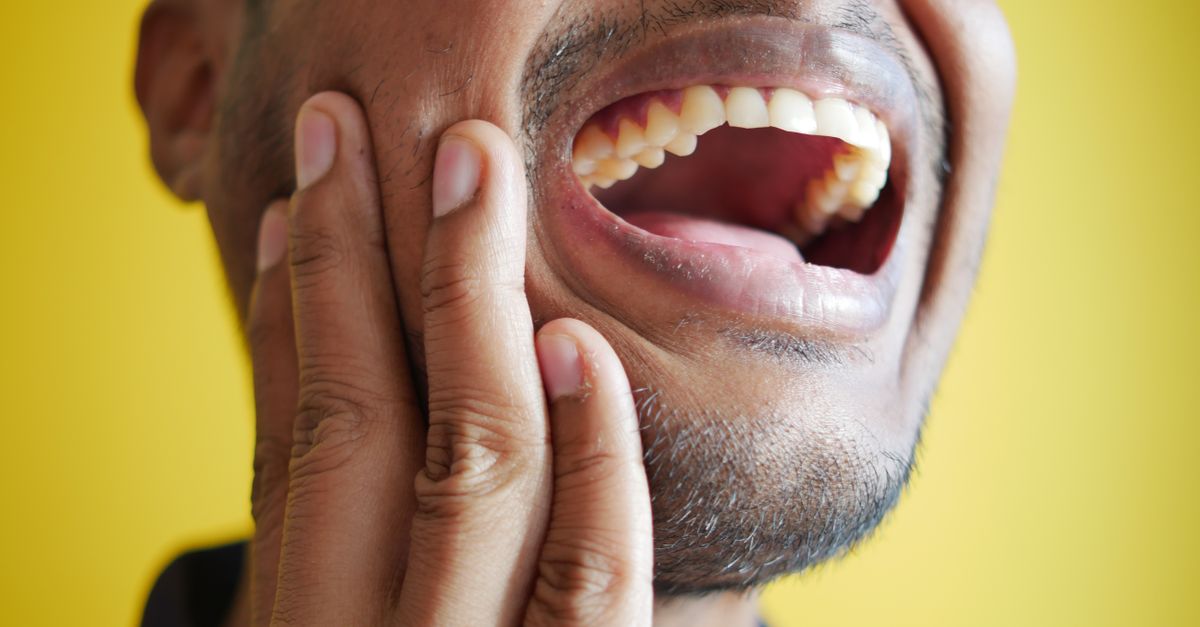
The fierce pain experienced when biting into a freezing cold green apple is primarily caused by dentin hypersensitivity. The combination of intense cold temperatures and the sharp acidity of the green apple triggers a rapid fluid shift within the microscopic tubules of the exposed dentin, stimulating the underlying dental nerve. This sensory overload produces a sharp, localized shock of pain that typically resolves moments after the stimulus is removed.
Understanding this discomfort requires an evaluation of dental anatomy and the mechanisms that protect the inner nerve. A healthy tooth is encased in enamel, a dense and mineralized barrier that insulates the sensitive interior structures. When this protective layer is compromised by physical wear, chemical erosion, or gingival recession, the underlying dentin becomes vulnerable to environmental stimuli.
A green apple represents a dual threat to sensitive teeth. Its firm texture requires significant biting force, its low temperature provides a severe thermal shock, and its high malic acid content acts as a chemical irritant. This triad of sensory inputs overwhelms the exposed dentin, leading to an immediate and profound pain response.
Addressing dentin hypersensitivity involves identifying the root cause of the enamel loss and implementing strategies to seal the exposed dentinal tubules. Recognizing the precise triggers allows individuals to modify their dietary habits and seek appropriate dental care to restore the structural integrity of their teeth.
2. Anatomy of the Human Tooth
To comprehend why cold and acidic foods cause pain, one must understand the structural layers of a tooth. The outermost layer is the enamel, the hardest substance in the human body. Enamel contains no living cells or nerve endings, meaning it can withstand biting forces and temperature changes without transmitting any sensation.
Directly beneath the enamel lies the dentin. Dentin is a calcified tissue that forms the bulk of the tooth structure. Unlike solid enamel, dentin is porous. It contains thousands of microscopic channels called dentinal tubules that radiate outward from the center of the tooth toward the enamel.
At the very core of the tooth is the dental pulp. The pulp is a soft tissue chamber richly supplied with blood vessels and sensory nerve fibers. These nerve fibers extend tiny branches into the inner portion of the dentinal tubules.
When the protective enamel is worn away, the dentinal tubules are exposed to the oral cavity. Any thermal, tactile, or chemical stimulus applied to the exposed dentin travels directly down these fluid-filled tubules to the vulnerable pulp nerve.
3. The Hydrodynamic Theory of Tooth Sensitivity
The accepted clinical explanation for dentin hypersensitivity is the hydrodynamic theory. This theory proposes that the dentinal tubules are filled with a biological fluid. When the external environment of the tooth changes abruptly, this fluid shifts dynamically.
Biting into a freezing cold green apple causes a sudden temperature drop at the surface of the exposed dentin. This thermal shock causes the fluid within the microscopic tubules to contract and move rapidly outward toward the cold source.
This rapid fluid displacement creates a mechanical distortion within the tubule. The sensory nerve endings located at the pulpal boundary are exceptionally sensitive to this mechanical shifting. The nerves interpret this sudden fluid movement as a painful stimulus and fire an immediate distress signal to the brain.
The pain is sharp and instantaneous because the fluid dynamics occur within milliseconds of the cold contact. Once the apple is removed and the oral temperature normalizes, the fluid settles, and the pain dissipates.
4. The Role of Acid Erosion
Green apples possess a notably low pH due to their high concentration of malic acid. This acidity plays a significant role in exacerbating tooth pain, acting both as an immediate chemical trigger and a long-term structural threat.
When acidic juice flows over exposed dentin, the chemical gradient alters the osmotic pressure within the dentinal tubules. This osmotic shift induces further fluid movement, compounding the mechanical disturbance caused by the cold temperature and intensifying the nerve response.
Chronically, dietary acids slowly demineralize the hydroxyapatite crystals that form tooth enamel. Regular consumption of highly acidic foods softens the enamel surface, making it susceptible to mechanical wear from chewing and brushing.
Over time, this acid erosion strips away the protective enamel layer entirely, exposing even more dentinal tubules and worsening the baseline hypersensitivity. Readers interested in related conditions driven by dietary acids may find our clinical guide on acid reflux informative.
5. Gingival Recession and Root Exposure
A frequent anatomical reason for dentin exposure is gingival recession. The gums provide a protective collar around the base of the tooth, covering the delicate root surface. The root is not protected by hard enamel; it is covered by a much softer layer called cementum.
Vigorous brushing with a hard-bristled toothbrush, periodontal disease, or natural aging can cause the gingival tissue to recede downward. This recession strips away the soft tissue barrier and quickly wears away the thin cementum, exposing the dentin of the root.
Because the root dentin is situated closer to the pulp chamber than the crown dentin, the dentinal tubules in this region are wider and more densely packed.
Consequently, biting into a cold green apple when one has exposed tooth roots results in a significantly sharper and more profound pain compared to simple enamel wear on the chewing surface.
6. Mechanical Attrition and Abrasion
Mechanical forces also contribute heavily to the destruction of tooth enamel. Attrition is the loss of tooth structure caused by tooth-to-tooth contact. Individuals who subconsciously grind or clench their teeth during sleep, a condition known as bruxism, can wear away the occlusal enamel entirely.
Abrasion is the loss of tooth structure caused by external physical friction. Using abrasive whitening toothpastes or brushing with excessive force literally scrubs the enamel away over decades.
When a person bites into a firm green apple, the mechanical pressure of driving the teeth into the dense flesh of the fruit requires substantial biting force. If the enamel is already thinned by attrition or abrasion, this biting pressure pushes the cold, acidic juice directly into the compromised areas of the tooth structure.
Identifying these mechanical wear patterns is essential for preventing further enamel destruction and reducing the surface area of exposed dentin.
7. Evaluating Dental Pain
Categorizing the specific nature of tooth pain assists in determining the underlying clinical pathology.
| Pain Characteristic | Primary Trigger | Probable Clinical Cause |
|---|---|---|
| Sharp, fleeting pain | Cold, sweet, or acidic foods | Dentin hypersensitivity |
| Lingering, throbbing pain | Heat or spontaneous onset | Irreversible pulpitis or nerve damage |
| Pain localized to one specific tooth | Biting pressure or chewing | Cracked tooth syndrome or localized decay |
| Dull ache across multiple teeth | Waking up in the morning | Nocturnal bruxism or sinus pressure |
8. The Impact of Tooth Decay and Caries
While generalized sensitivity to cold fruit is typically related to exposed dentin, it can also signify the presence of active dental caries. A cavity is a bacterial infection that progressively destroys the calcified tissues of the tooth.
As a cavity breaches the enamel and penetrates deep into the dentin, it creates a direct, uninsulated pathway to the pulp. When the freezing temperature and sugar of the green apple enter this cavity, the resulting fluid shift in the tubules is profound.
Pain from a cavity often feels more localized and intense than standard generalized hypersensitivity. It may also linger slightly longer after the apple is removed, as the chemical irritants become trapped within the decayed crevice.
A thorough dental examination using clinical radiographs is necessary to differentiate between benign enamel wear and active bacterial decay requiring restorative treatment.
9. Immediate Relief Strategies
When a sharp shock of pain strikes while eating, immediate action focuses on removing the stimulus and neutralizing the oral environment. Stop eating the cold, acidic fruit immediately to prevent further fluid shifts within the dentinal tubules.
Rinsing the mouth with lukewarm water helps elevate the ambient temperature of the teeth back to a normal physiological baseline. This stabilizes the tubule fluid and ceases the nerve signaling.
Swishing with a neutral fluid, such as plain water or milk, washes away the residual malic acid from the apple. Do not brush your teeth immediately after consuming an acidic food. The acid leaves the enamel temporarily softened, and immediate brushing will mechanically abrade the compromised minerals.
10. Desensitizing Toothpastes
The primary conservative treatment for dentin hypersensitivity involves the daily use of desensitizing toothpaste. These specialized dentifrices utilize distinct chemical mechanisms to silence the distressed nerve or physically block the exposed tubules.
Formulations containing potassium nitrate work via neurosensory blockade. The potassium ions penetrate the dentinal tubules and depolarize the sensory nerve endings around the pulp. This depolarization prevents the nerve from firing the pain signal when a cold stimulus is applied.
Other formulations utilize compounds like stannous fluoride or calcium sodium phosphosilicate. These agents work mechanically. They create a microscopic mineral layer over the exposed dentin, physically plugging the open tubules and preventing the fluid shifts that cause the pain.
Consistent, twice-daily use over several weeks is required for these compounds to build a sufficient protective barrier and provide lasting relief.
11. Clinical Dental Interventions
When over-the-counter desensitizing toothpastes fail to resolve the fierce pain associated with cold foods, professional dental intervention is warranted. A dentist can apply concentrated desensitizing agents directly to the vulnerable areas.
Fluoride varnishes are painted onto the exposed root surfaces. These varnishes contain a high concentration of fluoride that rapidly mineralizes the dentin, forming a robust plug over the open tubules.
For areas of severe enamel loss or deep cervical lesions near the gumline, a dentist may place a composite resin restoration. This tooth-colored filling material physically covers the exposed dentin, acting as an artificial enamel shield that completely insulates the underlying nerve from cold and acidic triggers.
12. Dietary Modifications
Managing dentin hypersensitivity requires a strategic approach to diet, particularly concerning the consumption of acidic and freezing foods. Individuals with sensitive teeth should moderate their intake of citrus fruits, green apples, and carbonated beverages.
When consuming these foods is desired, adopting specific consumption habits can mitigate the damage. Cutting a freezing cold green apple into small slices and chewing them with the back molars bypasses the anterior incisors, which are often the most heavily worn and sensitive teeth.
Using a straw for cold, acidic beverages directs the fluid past the teeth and straight to the back of the throat, minimizing direct contact time with the vulnerable enamel.
Following acidic meals, chewing sugar-free gum stimulates salivary flow. Saliva is naturally rich in calcium and phosphate, which helps buffer the oral acids and remineralize the microscopic wear on the enamel surface.
13. Addressing Gingival Health
Because gingival recession is a primary driver of root sensitivity, optimizing periodontal health is a vital preventative measure. Transitioning to a soft-bristled toothbrush and adopting a gentle, sweeping brushing technique prevents further mechanical trauma to the delicate gum tissue.
For individuals with severe recession, a periodontist may recommend a gingival graft. This surgical procedure involves taking a small piece of tissue, typically from the roof of the mouth, and suturing it over the exposed tooth root.
A successful graft restores the natural soft tissue barrier, covering the wide dentinal tubules of the root and permanently eliminating the thermal shock experienced when biting into cold foods.
14. When to Seek an Endodontic Evaluation
While sharp, fleeting pain is characteristic of exposed dentin, changes in the pain profile require advanced endodontic evaluation. If the pain from biting a cold apple transforms from a brief shock into a severe, throbbing ache that lingers for minutes or hours, the dental pulp is likely inflamed.
This lingering pain indicates irreversible pulpitis, a condition where the nerve tissue within the tooth is dying due to deep decay, severe trauma, or chronic irritation.
Furthermore, if the tooth becomes sensitive to heat or wakes you up from sleep with spontaneous, throbbing pain, conservative desensitizing methods will no longer be effective. At this stage, endodontic therapy, commonly known as a root canal, is required to remove the diseased nerve tissue and preserve the structural shell of the tooth.
15. Frequently Asked Questions (FAQ)
1. Is it safe to ignore the pain if it goes away quickly after eating the apple?
While fleeting pain is not a dental emergency, ignoring it allows the underlying cause, such as acid erosion or enamel wear, to progress. Over time, the enamel will continue to thin, and the sensitivity will become more frequent and severe.
2. Can whitening strips make my teeth more sensitive to cold fruit?
Yes. Dental bleaching agents contain peroxides that temporarily open the pores of the enamel to remove stains. This allows cold temperatures and acids to penetrate closer to the nerve, substantially increasing sensitivity for several days after the treatment.
3. Why do my front teeth hurt more than my back teeth when biting an apple?
Your front teeth, or incisors, are the primary tools for biting and shearing firm foods. They sustain the direct, initial impact of the freezing temperature and the concentrated acidic juice, whereas the back teeth are primarily used for chewing the already warmed, crushed food.
4. Will taking a calcium supplement rebuild my worn tooth enamel?
No. Enamel is formed by specialized cells that disappear after the tooth erupts into the mouth. Therefore, enamel cannot biologically regenerate or rebuild itself through systemic vitamins or calcium supplements. Remineralization can only occur microscopically at the surface level via saliva and topical fluoride.
5. How long does desensitizing toothpaste take to stop the pain?
Desensitizing toothpastes require consistent accumulation to be effective. Most individuals will notice a significant reduction in cold sensitivity after two to four weeks of brushing twice daily. If you stop using the toothpaste, the protective layer will wash away, and the pain will return.
16. Bibliography
Disclaimer: The content is for informational purposes only and does not replace medical advice. Always consult your doctor for personalized treatment.