1. Introduction
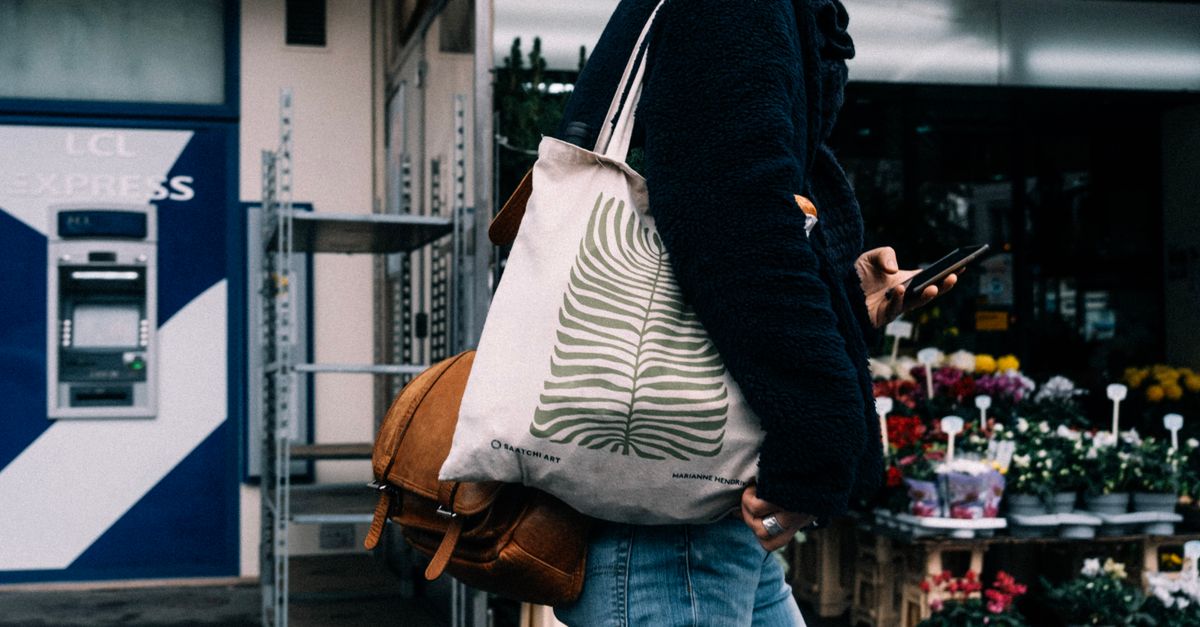
Carrying a heavy canvas tote bag on one shoulder causes collarbone ache due to continuous mechanical compression of the acromioclavicular joint and downward traction on the clavicle. This asymmetrical load strains the trapezius muscle and can compress the neurovascular structures of the thoracic outlet, resulting in a deep, localized ache along the bone. The structural geometry of a tote bag forces the body to elevate the shoulder continuously to prevent the straps from slipping off, generating substantial muscle fatigue and subsequent bone-level discomfort.
2. Anatomy of the Pectoral Girdle
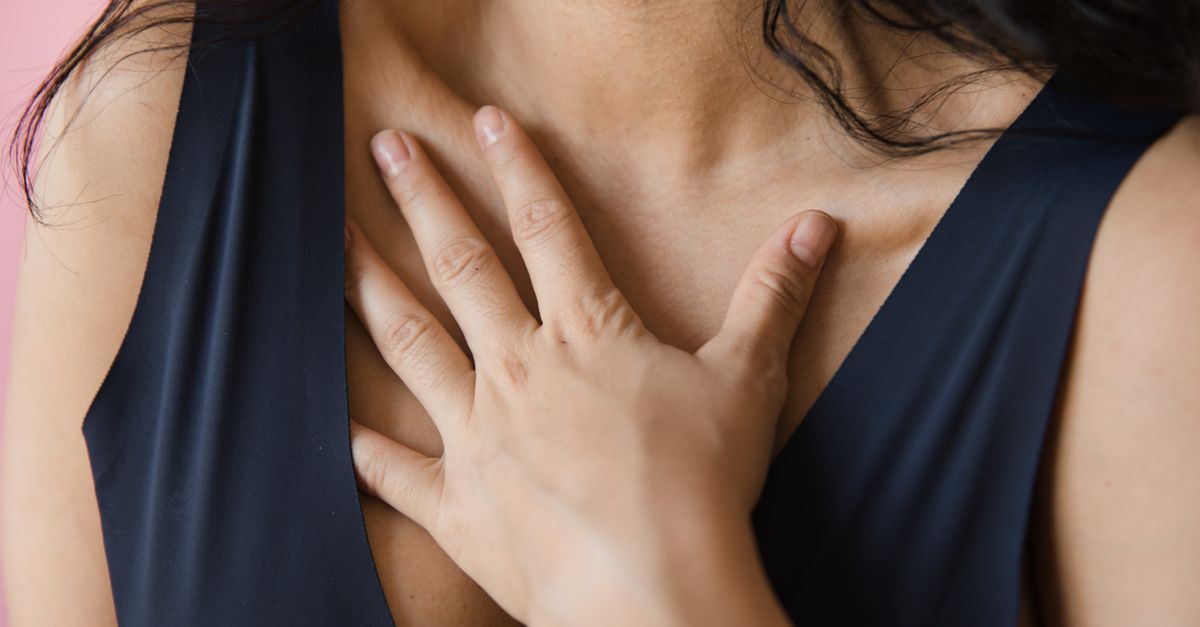
The collarbone, scientifically known as the clavicle, acts as a primary structural strut connecting the arm to the trunk. It articulates with the sternum medially and the acromion of the scapula laterally. This arrangement forms the pectoral girdle, a bony ring that provides stability and a wide range of motion for the upper extremity.
Because the clavicle is the only direct bony attachment between the arm and the axial skeleton, it bears a significant portion of the mechanical load transferred from the upper limb. The bone sits directly under the skin, lacking a protective layer of adipose tissue, which makes it remarkably vulnerable to external physical pressure from bag straps.
3. Asymmetrical Load Distribution
A tote bag is carried exclusively on one side of the body, creating an inherently asymmetrical load. When ten or fifteen pounds are suspended from a single shoulder strap, gravity pulls the shoulder downward. To counteract this force and maintain an upright posture, the musculoskeletal system must engage in a unilateral compensation strategy.
The muscles on the contralateral side of the trunk contract to prevent the spine from bending laterally toward the weight. Meanwhile, the muscles directly under the bag must work continuously to stabilize the shoulder joint. This uneven distribution of physical stress leads to rapid muscular exhaustion and places undue rotational torque on the clavicle itself.
4. Clavicular Compression and Surface Friction
Canvas tote bags typically feature narrow, unpadded straps. When a significant weight is loaded into the bag, the entire gravitational force is concentrated into the small surface area of the strap resting directly across the clavicle. This focused pressure crushes the superficial soft tissues against the hard underlying bone.
The mechanical friction of the canvas material sliding against the skin during walking further irritates the periosteum, the dense fibrous membrane covering the surface of the bone. Periosteal irritation is a potent source of deep, aching pain, as this membrane is richly supplied with sensory nerve endings designed to detect structural trauma.
5. Trapezius Muscle Isometric Contraction
To prevent the bag from sliding down the natural slope of the shoulder, the user must instinctively elevate the shoulder girdle. This elevation is driven primarily by the upper trapezius and the levator scapulae muscles. Sustaining this elevated posture requires a continuous isometric contraction.
An isometric contraction occurs when a muscle generates tension without changing length. This static state restricts blood flow within the muscle belly, creating localized ischemia. The oxygen-deprived muscle cells resort to anaerobic metabolism, producing lactic acid and other metabolic waste products that chemically irritate the surrounding tissue and refer pain directly into the clavicular region.
6. Acromioclavicular Joint Strain
The lateral end of the collarbone connects to the shoulder blade at the acromioclavicular joint. This joint is stabilized by a complex network of ligaments. The downward gravitational pull of a heavy tote bag applies relentless traction to these ligaments, stretching them beyond their comfortable resting length.
Sustained traction on the acromioclavicular ligaments causes micro-trauma and subsequent inflammation. This localized joint strain manifests as a sharp or aching pain located precisely at the tip of the shoulder, which frequently radiates inward along the shaft of the collarbone as the supporting structures struggle to maintain joint integrity.
7. Thoracic Outlet Compression
The space between the collarbone and the first rib is known as the thoracic outlet. A vital bundle of nerves known as the brachial plexus, along with the subclavian artery and vein, passes through this narrow anatomical corridor to supply the arm and hand.
The downward pressure of a heavy bag physically depresses the clavicle, narrowing the thoracic outlet. This compression can temporarily pinch the brachial plexus nerves. Such nerve irritation frequently causes a deep ache under the collarbone, and in prolonged scenarios, it can induce tingling or numbness radiating down the arm. Understanding the implications of nerve compression can be expanded by reading about cervical radiculopathy mechanisms.
8. Ischemia and Vascular Restriction
Alongside nerve compression, the subclavian blood vessels passing under the clavicle can be partially occluded by the strap pressure. Reducing arterial blood flow deprives the arm and shoulder musculature of oxygen, while restricting venous return causes blood to pool in the distal extremity.
This vascular compromise contributes to the overall sensation of heaviness and aching around the collarbone. The surrounding tissues become mildly engorged with deoxygenated blood and metabolic waste, creating an inflammatory microenvironment that sensitizes local pain receptors and prolongs the discomfort long after the bag is removed.
9. Biomechanical Alterations During Gait
Carrying an asymmetrical load profoundly alters natural walking mechanics. During a normal gait cycle, the arms swing in opposition to the legs to balance rotational forces in the spine. A heavy tote bag restricts the swing of the loaded arm, forcing the body to adopt a stiff, unyielding upper body posture.
This loss of dynamic movement means the shock waves generated by each footstep are not properly dissipated. Instead, the kinetic energy travels up the rigid spine and is absorbed directly by the tense shoulder complex. The continuous impact exacerbates the mechanical strain on the clavicle and the surrounding exhausted musculature.
10. The Impact of Strap Material and Width
The design of the canvas tote bag itself is a primary culprit. Canvas is a rugged, inflexible material that offers zero shock absorption. Unlike padded backpack straps that distribute weight over a broad area, thin canvas straps dig directly into the yielding tissues of the shoulder.
A narrower strap exerts a greater pressure per square inch. This concentrated force effectively cuts off superficial circulation and deeply compresses the underlying muscular and bony structures. The lack of elasticity in canvas means every bounce during walking transfers a sharp, downward jolt directly to the collarbone.
11. Differentiating Muscular Ache from Structural Injury
It is clinically important to distinguish between the transient ache caused by carrying a heavy bag and a more severe structural injury. Mechanical fatigue pain is typically a dull, widespread ache that resolves within a day of resting the shoulder.
Conversely, if the pain over the collarbone is sharp, entirely localized to a specific point, or accompanied by visible swelling or a noticeable bump, it may indicate an acute injury such as an acromioclavicular joint sprain or a stress fracture. Structural injuries worsen distinctly with specific arm movements and require medical evaluation rather than simple rest.
12. Ergonomic Load Distribution Strategies
The most effective method for preventing clavicular pain is altering the method of load carriage. A traditional backpack is ergonomically superior because it distributes the weight symmetrically across both shoulders, keeping the spine aligned and allowing for a natural arm swing during ambulation.
If a single-strap bag must be utilized, a messenger-style bag worn diagonally across the chest offers a better biomechanical advantage. The cross-body position anchors the strap against the neck and chest, reducing the need for isometric shoulder elevation and transferring a portion of the load to the broader core musculature.
13. Safe Tote Bag Practices
When utilizing a canvas tote bag is unavoidable, specific behavioral adjustments can mitigate the physical damage. The total weight of the bag should never exceed ten percent of the individual’s body weight. Unnecessary items must be purged regularly to maintain a minimal load.
Furthermore, the user must actively alternate the bag between the left and right shoulders every fifteen minutes. This simple practice prevents unilateral muscle exhaustion and ensures that neither collarbone sustains prolonged, uninterrupted compression, allowing the tissues intermittent periods of recovery and reperfusion.
14. Stretching and Recovery Protocols
Following a day of asymmetrical carrying, targeted recovery exercises can alleviate the resulting stiffness. Gentle stretches for the upper trapezius and levator scapulae help elongate the muscle fibers that were locked in an elevated state. Tilting the ear toward the opposite shoulder until a stretch is felt relieves accumulated tension.
Applying a warm compress to the aching collarbone area induces vasodilation. The increased blood flow flushes out the stagnant lactic acid and delivers fresh oxygen to the fatigued tissues. Restoring proper muscle resting length is essential for preventing chronic shoulder imbalances.
15. When to Seek Medical Evaluation
While tote bag aches are generally benign, specific clinical signs warrant professional investigation. If the pain radiates sharply down the arm into the fingers, or if the individual experiences persistent weakness or loss of fine motor control in the hand, the brachial plexus nerves may have sustained damage.
Additionally, pain that fails to improve after a week of avoiding heavy lifting, or pain that disrupts sleep, suggests a chronic inflammatory process rather than acute fatigue. A physician or physical therapist can assess for thoracic outlet syndrome or chronic rotator cuff pathology.
| Biomechanical Stressor | Physiological Consequence | Corrective Action |
|---|---|---|
| Asymmetrical Loading | Unilateral muscle exhaustion | Switch shoulders every fifteen minutes |
| Narrow Canvas Strap | Clavicular periosteal compression | Utilize bags with wide, padded straps |
| Static Shoulder Elevation | Trapezius ischemia and lactic acid | Transition to a cross-body messenger bag |
16. Frequently Asked Questions (FAQ)
1. Can carrying a heavy bag cause a collarbone fracture?
While a single heavy bag is unlikely to cause a sudden fracture in a healthy adult, chronic carrying of severe weight can theoretically contribute to a stress reaction in the bone. Fractures are typically the result of direct blunt trauma rather than carrying.
2. Why do my fingers tingle when I carry a heavy tote?
The downward pressure of the strap compresses the nerves of the brachial plexus located in the thoracic outlet beneath your collarbone. This nerve compression disrupts electrical signaling, causing a temporary tingling sensation in the fingers.
3. Is it better to carry the bag in my hand or on my shoulder?
Carrying the bag in your hand shifts the strain from the collarbone to the elbow and wrist joints. While it spares the shoulder compression, it can cause elbow tendinopathy. A symmetrical backpack remains the healthiest option.
4. Will building stronger shoulder muscles stop the aching?
Strengthening the trapezius and rotator cuff muscles provides a more robust foundation and delays the onset of fatigue. However, muscle strength cannot completely negate the direct physical pressure of a heavy strap crushing the bone.
5. Does the length of the tote bag straps matter?
Yes. Straps that are too long cause the bag to swing awkwardly against the hip, throwing off your center of gravity and requiring more muscular effort to stabilize. Straps should keep the bag tucked closely under the arm.
17. Bibliography
Disclaimer: The content is for informational purposes only and does not replace medical advice. Always consult your doctor for personalized treatment.