
1. Introduction and Immediate Answer
Experiencing a continuous, uncontrollable flutter in your eyelid is a highly distracting symptom, but distinguishing benign irritability from a neurological deficit dictates the clinical urgency. You should seek a prompt medical evaluation if the eye twitching persists continuously for more than a few weeks, completely forces the eyelid to clamp shut, is accompanied by noticeable drooping of the upper eyelid, or if the spasms spread to involve other muscles on the same side of your face. These concurrent symptoms strongly suggest an underlying compression or dysfunction of the facial nerve or a central neurological disorder, requiring comprehensive diagnostic testing by a specialist.
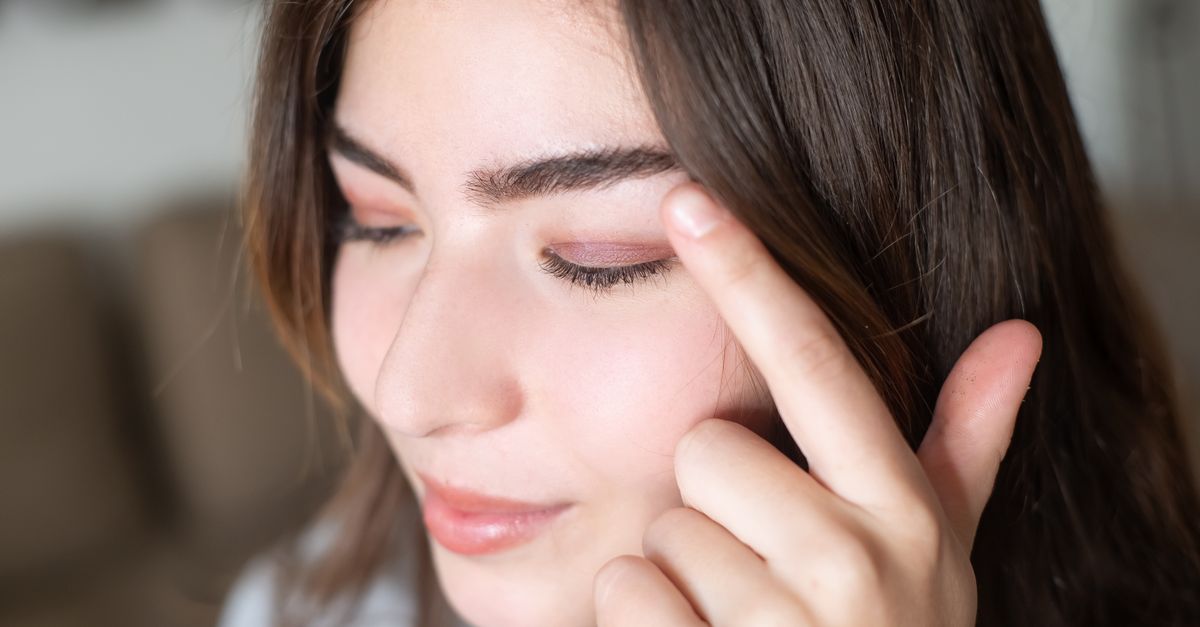
In the vast majority of clinical scenarios, an isolated flutter confined strictly to a single upper or lower eyelid is entirely benign. This tiny, involuntary muscle contraction, medically known as eyelid myokymia, is a localized physiological response to severe systemic fatigue, heavy caffeine consumption, or profound psychological stress. When these environmental and lifestyle triggers are addressed and corrected, the localized twitching typically resolves independently without any need for pharmacological intervention.
However, when the spasms become constant, robust, and disrupt visual function by forcing the eye closed, a structured medical assessment is necessary. Healthcare providers utilize specific neurological examinations and advanced imaging to differentiate harmless muscular excitability from severe conditions like hemifacial spasm or benign essential blepharospasm, ensuring that patients receive accurate reassurance or highly targeted neuromuscular therapies.
2. The Physiology of the Orbicularis Oculi Muscle
The physical movement of the eyelids relies entirely on the precise, coordinated function of the orbicularis oculi muscle. This thin, highly complex ring of skeletal muscle completely encircles the eye and is responsible for forceful eyelid closure, gentle blinking, and the delicate management of the tear film across the cornea.
This muscle receives its direct electrical commands from the seventh cranial nerve, widely known as the facial nerve. Because the orbicularis oculi is in constant, rapid use throughout the entire waking day to facilitate thousands of blinks, its muscle fibers and corresponding nerve endings are exquisitely sensitive to metabolic changes and physiological stress.
A twitch occurs when a small, localized bundle of these muscle fibers spontaneously fires an electrical signal without an intentional command from the brain. This aberrant signal causes a microscopic, rapid contraction. Because the skin overlying the eyelid is exceptionally thin, this minor muscular flutter is intensely visible and physically perceptible, often feeling significantly more dramatic to the patient than it appears to an observer.
3. Eyelid Myokymia and Benign Fasciculations
Eyelid myokymia is the definitive medical diagnosis for the standard, transient eyelid flutter. It is characterized strictly by spontaneous, fine, continuous, rippling contractions confined entirely to a single eyelid, most frequently the lower lid. The condition is overwhelmingly unilateral, affecting only one eye at a time.
Crucially, myokymia is an entirely benign condition. It never progresses to cause the eyelid to clamp forcefully shut, it does not impair actual visual acuity, and it does not represent the initial stage of a severe, systemic motor neuron disease. The flutter frequently comes and goes unpredictably, often disappearing entirely while the patient sleeps.
While physically harmless, continuous myokymia often generates profound psychological distraction and anxiety. A definitive clinical diagnosis is achieved rapidly by visual inspection and confirming the total absence of any other facial weakness, visual deficits, or widespread neurological abnormalities, providing essential reassurance to the anxious patient.
4. Stress and Sympathetic Nervous System Activation
Psychological stress is recognized clinically as the most prevalent trigger for isolated eyelid myokymia. When an individual experiences severe, chronic anxiety or acute emotional distress, the brain heavily activates the sympathetic nervous system, initiating the classic physiological “fight or flight” response.
This constant state of high neurological arousal floods the bloodstream with stress hormones, specifically adrenaline and cortisol. These neurochemicals systematically lower the electrical threshold required for peripheral nerves to fire. The delicate, heavily utilized nerve endings supplying the orbicularis oculi muscle become intensely hyper-excitable.
Consequently, the motor nerve begins to misfire randomly, generating continuous, unprovoked muscle fasciculations. Implementing structured stress reduction techniques, such as mindfulness meditation or progressive muscle relaxation, effectively reduces the overarching sympathetic nervous system tone, frequently diminishing the frequency and intensity of the benign muscular flutters.
5. Caffeine Consumption and Neuromuscular Excitability
Dietary habits exert a substantial, direct influence on neuromuscular stability. Caffeine is a potent central nervous system stimulant that acts primarily by blocking specific inhibitory receptors in the brain. By removing this normal neurological inhibition, caffeine drastically increases systemic neural firing rates.
Consuming large quantities of coffee, strong teas, or concentrated energy drinks bathes the entire nervous system in a continuous excitatory stimulus. The hyperactive neurological drive directly targets the most delicate and frequently utilized motor units, specifically those controlling the fine movements of the eyes and fingers.
Evaluating daily stimulant intake is a primary clinical intervention for persistent twitching. Physicians generally recommend a slow, structured taper of caffeine consumption to prevent withdrawal headaches, while simultaneously tracking whether the reduction in stimulant intake corresponds directly to a cessation of the bothersome eyelid spasms.
6. Sleep Deprivation and Neural Fatigue
Restorative sleep is biologically essential for the maintenance and repair of the central and peripheral nervous systems. During deep sleep, the brain systematically clears accumulated metabolic waste products and recalibrates the electrical resting potential of the nerve cells.
Chronic sleep deprivation, or severely fragmented sleep architecture, physically prevents this vital neurological recovery. The fatigued cranial nerves become structurally irritable and highly unstable. The facial nerve, tasked with managing the constant blinking required during prolonged waking hours, frequently succumbs to this fatigue by firing erratic, spontaneous impulses.
Patients routinely report that severe eyelid twitching emerges perfectly in tandem with periods of intense insomnia, shift work changes, or preparing for stressful examinations. Prioritizing a consistent, restorative sleep schedule of seven to eight hours nightly is often the only intervention required to completely eliminate benign myokymia.
7. Ocular Surface Irritation and Dry Eye Syndrome
Local irritation of the ocular surface can trigger a protective reflex arc that causes the eyelid to twitch continuously. The cornea is densely packed with sensitive pain fibers. When the surface of the eye becomes severely dry, inflamed, or physically scratched, these sensory nerves send powerful distress signals directly to the brain.
The brain responds reflexively by aggressively stimulating the facial nerve to increase the blink rate in a desperate attempt to lubricate and protect the damaged cornea. This hyperactive, reflexive blinking often manifests as a continuous, fluttering spasm of the eyelid muscles.
Dry eye syndrome, exacerbated by prolonged digital screen time that significantly reduces the normal blink rate, is a frequent localized cause. Utilizing high-quality, preservative-free artificial tears and taking frequent visual breaks to consciously blink and rest the eyes effectively breaks this specific irritant-driven reflex loop.
8. Benign Essential Blepharospasm
When the eyelid spasms escalate from a mild flutter to a forceful, involuntary clamping shut of the eyelids, the clinical diagnosis shifts to benign essential blepharospasm. This condition is a focal dystonia, a specific neurological movement disorder characterized by sustained, involuntary muscle contractions.
Unlike myokymia, blepharospasm typically affects both eyes simultaneously. It frequently begins as an increased rate of blinking that slowly progresses over months until the patient experiences severe, unpredictable spasms that forcibly clamp the eyes completely shut. These powerful spasms can effectively render the patient functionally blind during an attack, making driving or reading impossible.
The exact biological cause remains elusive, but it is believed to involve a malfunction in the basal ganglia, the deep brain structures responsible for coordinating smooth muscle movements. Blepharospasm is remarkably resistant to standard lifestyle modifications and requires advanced, highly targeted medical intervention.
9. Hemifacial Spasm and Vascular Compression
A hemifacial spasm is a distinctly different and more alarming neurological condition. It is characterized by severe, involuntary, synchronous spasms that involve the muscles on one entire half of the face. The condition typically originates as a twitch in the eyelid but relentlessly spreads downward to involve the cheek, the mouth, and the neck on the exact same side.
The most frequent underlying cause is direct structural compression of the facial nerve root precisely where it exits the brainstem. This compression is most commonly caused by an aberrant, looping blood vessel, frequently an artery, that pulses heavily against the fragile nerve fibers with every single heartbeat.
The continuous, pulsing mechanical pressure damages the nerve’s protective myelin sheath, causing the electrical signals to short-circuit and trigger massive, coordinated spasms across all the facial muscles. This specific presentation demands immediate high-resolution neuroimaging to identify the compressing vessel and rule out potentially dangerous brainstem tumors.
10. Medication Side Effects and Neuromuscular Alteration
A comprehensive pharmacological review is a mandatory initial step when evaluating any new-onset movement disorder. Numerous systemic medications actively alter neurotransmitter levels within the central nervous system, frequently resulting in drug-induced muscular hyperexcitability or specific focal dystonias.
Certain psychiatric medications, particularly older-generation antipsychotics and specific classes of antidepressants, are well-documented triggers for abnormal facial movements and continuous eyelid twitching. Stimulant medications prescribed for attention-deficit disorders directly increase systemic neurological tone, lowering the threshold for muscle spasms.
Furthermore, withdrawal from central nervous system depressants, specifically alcohol or benzodiazepines, causes a massive rebound hyperactivity in the brain, presenting as severe systemic tremors and intense facial twitching. Identifying medication as the primary source prevents unnecessary, highly invasive neurological testing.
11. Red Flags Suggesting Central Neurological Disease
Determining the appropriate clinical triage for eye twitching relies entirely on recognizing concurrent neurological deficits. The presence of true muscular weakness is a cardinal warning sign. If the twitching is accompanied by a sudden, noticeable drooping of the upper eyelid, known as ptosis, or an inability to close the eye fully, it indicates active damage to the cranial nerves.
If the localized twitching occurs alongside sudden, profound changes in vision, such as seeing double, or generalized weakness, numbness, or tingling in other areas of the face or body, it strongly suggests a central central nervous system lesion. These symptoms point toward conditions like multiple sclerosis, an acute brainstem stroke, or an expanding intracranial mass.
Additionally, a pupil that is unequal in size or fails to constrict briskly to light, accompanying a twitching or drooping eyelid, indicates severe autonomic nervous system disruption or an expanding cerebral aneurysm, demanding an immediate, maximum-level emergency response.
12. Comprehensive Ophthalmic and Neurological Examination
The clinical evaluation of persistent eye twitching is meticulous and structured. The physician begins with a detailed history, establishing the exact duration, frequency, and anatomical distribution of the spasms. A comprehensive slit-lamp examination of the eye ensures there are no hidden corneal abrasions, foreign bodies, or severe intraocular inflammation triggering a reflex spasm.
A focused neurological assessment follows. The physician meticulously tests the function of all the cranial nerves, assessing facial symmetry, the strength of the facial muscles, and the precise alignment and movement of the eyes in all directions.
The physician will carefully observe the patient to document the exact nature of the twitch. They will note if the spasm can be suppressed by talking or touching the face, which are common characteristics of specific dystonias, or if the spasm synchronizes perfectly with the patient’s pulse, suggesting a vascular compression issue.
13. Electrophysiological Testing and Neuroimaging
When the physical examination confirms a complex facial spasm or points away from benign myokymia, advanced diagnostic testing is deployed. Magnetic resonance imaging of the brain and brainstem, specifically utilizing high-resolution sequences, provides unparalleled visualization of the delicate cranial nerves as they exit the brain.
This advanced imaging effortlessly identifies aberrant blood vessels pressing against the facial nerve, demyelinating plaques associated with multiple sclerosis, or the presence of slow-growing benign tumors, such as vestibular schwannomas, which can subtly compress the adjacent facial nerve pathways.
Electromyography may occasionally be utilized to measure the exact electrical activity within the specific facial muscles. This highly specialized test helps neurologists precisely differentiate between benign fasciculations, complex focal dystonias, and active denervation resulting from structural nerve damage.
14. Management Strategies and Botulinum Toxin Therapy
Therapeutic management is strictly directed by the confirmed diagnosis. For benign myokymia, medical intervention is almost never required. Providing profound reassurance, actively lowering caffeine intake, enforcing strict sleep hygiene, and utilizing lubricating eye drops generally resolve the symptom entirely within a few weeks.
For debilitating conditions like benign essential blepharospasm or hemifacial spasm, the gold standard of treatment involves highly precise, localized injections of botulinum toxin directly into the affected orbicularis oculi and facial muscles. The toxin acts by chemically blocking the release of acetylcholine at the neuromuscular junction, effectively preventing the abnormal nerve signals from forcing the muscle to contract.
These targeted injections provide profound, life-altering relief from the severe spasms, typically lasting three to four months before requiring a repeat treatment. If injections fail to control a severe hemifacial spasm caused by vascular compression, a highly specialized neurosurgical procedure known as microvascular decompression is performed to physically lift the offending artery off the facial nerve, offering a permanent, structural cure.
To understand other conditions linked to localized nerve irritability, you might review our article on constant muscle twitches or explore systemic neurological signs in our guide regarding sudden blurry or double vision.
| Twitch Characteristic | Potential Diagnosis | Clinical Recommendation |
|---|---|---|
| Fine, continuous flutter confined to one eyelid | Benign Eyelid Myokymia | Reduce stress/caffeine, improve sleep |
| Forceful clamping shut of both eyes | Benign Essential Blepharospasm | Neurology consult for botulinum injections |
| Spasm spreading down to the cheek and mouth | Hemifacial Spasm | Advanced MRI to check for vascular compression |
| Accompanied by drooping eyelid and double vision | Cranial Nerve Palsy / Neurological Lesion | Immediate Emergency Department dispatch |
15. Frequently Asked Questions FAQ
1. Will staring at my computer screen all day cause my eye to twitch?
Yes. Staring at digital screens drastically reduces your natural blink rate, causing severe dryness and microscopic irritation of the cornea. This irritation heavily triggers a reflexive spasm in the eyelid muscles. Taking frequent breaks and using lubricating drops significantly helps.
2. Does an eye twitch mean I need a new glasses prescription?
If your current glasses prescription is outdated, the tiny ciliary muscles inside your eye must constantly overwork to force the image into focus. This profound muscular fatigue can occasionally refer tension to the eyelid, contributing to a twitch.
3. Can a lack of potassium or magnesium make my eye twitch?
Yes. Magnesium and potassium are essential electrolytes that maintain the stable electrical charge across nerve and muscle cells. A severe dietary deficiency or rapid loss through dehydration can make the delicate facial nerves hyper-excitable, leading to frequent fasciculations.
4. How do doctors stop the twitching if it becomes completely unbearable?
For severe, non-stop twitching or blepharospasm that impairs your vision and quality of life, neurologists frequently use micro-injections of botulinum toxin. This safely and temporarily paralyzes the specific hyperactive muscle fibers, stopping the twitch completely for several months.
5. Is a twitching eye ever a sign of a stroke?
An isolated eye twitch without any other symptoms is virtually never a sign of a stroke. A stroke typically presents with sudden, profound muscle weakness, such as an entire side of the face drooping downwards, severe slurred speech, or profound numbness, not a fast, fluttering twitch.
16. Bibliography
Disclaimer: The content is for informational purposes only and does not replace medical advice. Always consult your doctor for personalized treatment.