
1. Introduction
Determining if an adult fever is dangerously high involves looking beyond the thermometer reading to evaluate systemic symptoms and the duration of the elevated temperature. While a core body temperature above 39.4 degrees Celsius warrants clinical attention, danger is primarily indicated by accompanying signs such as altered mental status, severe headache, stiff neck, or difficulty breathing. Persistent fevers failing to respond to antipyretic medications also necessitate prompt medical evaluation.
Fever, clinically termed pyrexia, is not a disease itself but a robust physiological mechanism designed to fight infection and disease. It is a hallmark sign of inflammation and immune system activation. In healthy adults, the body tightly regulates its internal temperature, and fevers rarely reach levels that cause direct tissue damage.
However, certain temperature thresholds and specific constellations of symptoms indicate a failure of this regulatory system or a severe underlying pathology. Distinguishing between a benign, self-limiting immune response and a life-threatening medical emergency requires a comprehensive understanding of thermoregulation and the specific clinical red flags associated with severe hyperthermic states.
2. Thermoregulation and the Hypothalamus
The human body maintains a core temperature of approximately 37 degrees Celsius through a complex feedback system coordinated by the hypothalamus, a small region at the base of the brain. The hypothalamus acts as the body’s central thermostat.
It continuously receives input from thermoreceptors located in the skin, deep tissues, and spinal cord. When the core temperature deviates from the set point, the hypothalamus triggers autonomic responses to restore balance. To cool down, it initiates vasodilation, increasing blood flow to the skin to release heat, and stimulates sweat glands.
To generate heat, the hypothalamus triggers vasoconstriction, reducing blood flow to the extremities, and initiates shivering, which generates heat through muscle contraction. This precise regulatory mechanism ensures that cellular enzymes and metabolic processes function optimally.
3. The Pathophysiology of Pyrexia
When a pathogen, such as a bacterium or virus, invades the body, immune cells like macrophages engulf the invaders and release signaling proteins called pyrogens. These endogenous pyrogens travel through the bloodstream to the brain.
Upon reaching the hypothalamus, pyrogens induce the local synthesis of prostaglandins, specifically prostaglandin E2. This lipid compound acts directly on the hypothalamic thermoregulatory center, effectively raising the body’s temperature set point.
The body suddenly perceives its normal temperature as too cold. It immediately initiates heat-generating mechanisms, causing the patient to experience severe chills and shivering until the new, higher set point is reached. This elevated temperature enhances immune cell function and creates an inhospitable environment for many pathogens.
4. Classifying Fever Severity
Clinicians classify fevers based on precise temperature ranges to guide diagnostic and therapeutic decisions. A normal oral temperature is generally considered to be around 37 degrees Celsius, though it fluctuates slightly throughout the day.
A low-grade fever is typically defined as a core temperature between 37.5 and 38.3 degrees Celsius. This level is usually well-tolerated by healthy adults and rarely requires intervention unless symptoms are particularly uncomfortable.
A moderate fever ranges from 38.4 to 39.4 degrees Celsius. At this stage, systemic symptoms like myalgia, fatigue, and tachycardia become more pronounced, and the use of antipyretic medications is often initiated to provide symptomatic relief.
5. Dangerous Temperature Thresholds
A high fever in an adult is generally defined as a core temperature exceeding 39.4 degrees Celsius. While the temperature itself is not inherently brain-damaging at this level, it indicates a significant inflammatory response and increases metabolic demand substantially.
A temperature reaching or exceeding 40 degrees Celsius is considered severe and warrants immediate medical attention, particularly if it persists. At this level, the cardiovascular system is under significant stress as the heart beats rapidly to circulate blood to the skin for cooling.
Temperatures approaching 41.1 degrees Celsius or higher define a state of hyperpyrexia. This is a profound medical emergency. At these extreme temperatures, cellular proteins begin to denature, leading to direct tissue injury, severe neurological dysfunction, and multi-organ failure.
6. Hyperpyrexia versus Hyperthermia
It is crucial to differentiate a true fever from hyperthermia. In a fever, the hypothalamic set point is elevated by pyrogens, and the body actively maintains this higher temperature. Fevers respond to antipyretic medications like acetaminophen, which lower the set point by blocking prostaglandin synthesis.
Hyperthermia, conversely, occurs when the body’s heat-dissipating mechanisms are overwhelmed by external heat or excessive metabolic heat production, while the hypothalamic set point remains normal. Classic examples include heatstroke from environmental exposure or malignant hyperthermia triggered by certain anesthetics.
Hyperthermia is inherently more dangerous than a fever because the body has lost the ability to cool itself. Temperatures can rapidly climb to lethal levels, and standard antipyretic medications are entirely ineffective. Treatment requires immediate, aggressive external cooling measures.
7. Evaluating Systemic Symptoms
The height of the fever is often less important than the accompanying systemic symptoms. A relatively moderate fever accompanied by severe physiological distress is far more concerning than a higher fever in a patient who is well-hydrated and conversant.
Profound dehydration is a primary risk during any febrile illness due to increased fluid loss through sweating and a higher metabolic rate. Symptoms such as a dry mouth, sunken eyes, dark urine, and orthostatic hypotension, which is dizziness upon standing, indicate a dangerous level of volume depletion.
Severe, unrelenting pain anywhere in the body, such as acute abdominal pain or severe flank pain, in conjunction with a fever, suggests a localized, severe infection like appendicitis or pyelonephritis, necessitating urgent surgical or medical intervention.
8. Neurological Warning Signs
The brain is highly sensitive to metabolic changes and severe infections. The onset of significant neurological symptoms during a fever is a critical red flag indicating potential central nervous system involvement or severe systemic toxicity.
Altered mental status is a primary concern. If an adult becomes suddenly confused, lethargic, difficult to arouse, or exhibits bizarre behavior, immediate emergency evaluation is required. This can be a sign of sepsis, encephalitis, or severe hypoxia.
A severe, unyielding headache accompanied by a stiff neck (nuchal rigidity) and photophobia is the classic triad of symptoms for meningitis, a life-threatening bacterial or viral infection of the membranes surrounding the brain and spinal cord. This presentation demands an immediate lumbar puncture and antibiotic therapy.
9. Respiratory and Cardiovascular Distress
Fevers naturally increase the heart rate and respiratory rate to meet higher metabolic demands. However, signs of cardiopulmonary decompensation are dangerous indicators.
Dyspnea, or significant difficulty breathing, fast and shallow breathing, or pleuritic chest pain that worsens with a deep breath, suggests a severe lower respiratory tract infection such as pneumonia, or a pulmonary embolism. These conditions rapidly compromise oxygenation.
A heart rate that remains excessively fast even when the fever is reduced, or the onset of new cardiac arrhythmias, suggests that the cardiovascular system is failing to cope with the physiological stress, a common feature of early sepsis.
10. The Impact of Age and Comorbidities
The clinical interpretation of a fever is heavily influenced by the patient’s baseline health status. Healthy young adults have robust physiological reserves and can tolerate high temperatures well.
However, in elderly patients, the immune system and thermoregulatory mechanisms are often blunted. An older adult might harbor a severe, life-threatening infection without mounting a high fever at all. In this population, even a low-grade fever or a sudden decline in functional status or cognition must be treated with high clinical suspicion.
Patients with significant comorbidities, particularly those with compromised immune systems due to chemotherapy, HIV, or immunosuppressant drugs, are at profound risk. For these individuals, a single temperature reading of 38.3 degrees Celsius is an absolute medical emergency requiring immediate broad-spectrum antibiotics, as they lack the ability to fight off infections.
11. Medication Induced Fevers
Not all fevers are infectious in origin. Drug-induced hyperthermia is a critical, non-infectious cause of dangerously high temperatures that requires immediate recognition and cessation of the offending agent.
Serotonin syndrome occurs from an excess of serotonin, often due to combining multiple serotonergic psychiatric medications. It presents with high fever, agitation, muscle rigidity, and hyperreflexia.
Neuroleptic malignant syndrome is a rare, life-threatening reaction to antipsychotic medications. It is characterized by severe hyperthermia, extreme muscle rigidity, autonomic instability, and altered mental status. Both conditions require intensive care unit management.
12. Clinical Indicators
The following table summarizes the key features used to differentiate a manageable fever from a dangerous clinical scenario.
| Clinical Parameter | Standard Febrile Illness | Dangerous Fever Red Flags |
|---|---|---|
| Temperature Profile | Below 39.4°C, responds to medication. | Above 40°C, persistent, unresponsive to antipyretics. |
| Neurological Status | Alert, oriented, perhaps slightly fatigued. | Confusion, extreme lethargy, stiff neck, seizures. |
| Respiratory Status | Normal breathing rate. | Shortness of breath, chest pain, rapid breathing. |
| Hydration | Able to drink fluids, normal urine output. | Inability to keep fluids down, dark or absent urine. |
| Skin Appearance | Flushed, warm, sweating. | Mottled, pale, cyanotic, or a non-blanching purple rash. |
13. Proper Temperature Measurement
Accurate measurement is the first step in assessment. Oral thermometers are standard for adults, but proper technique is required. The patient should not have consumed hot or cold liquids or smoked for at least fifteen minutes prior to the reading, and the probe must be placed deep under the tongue.
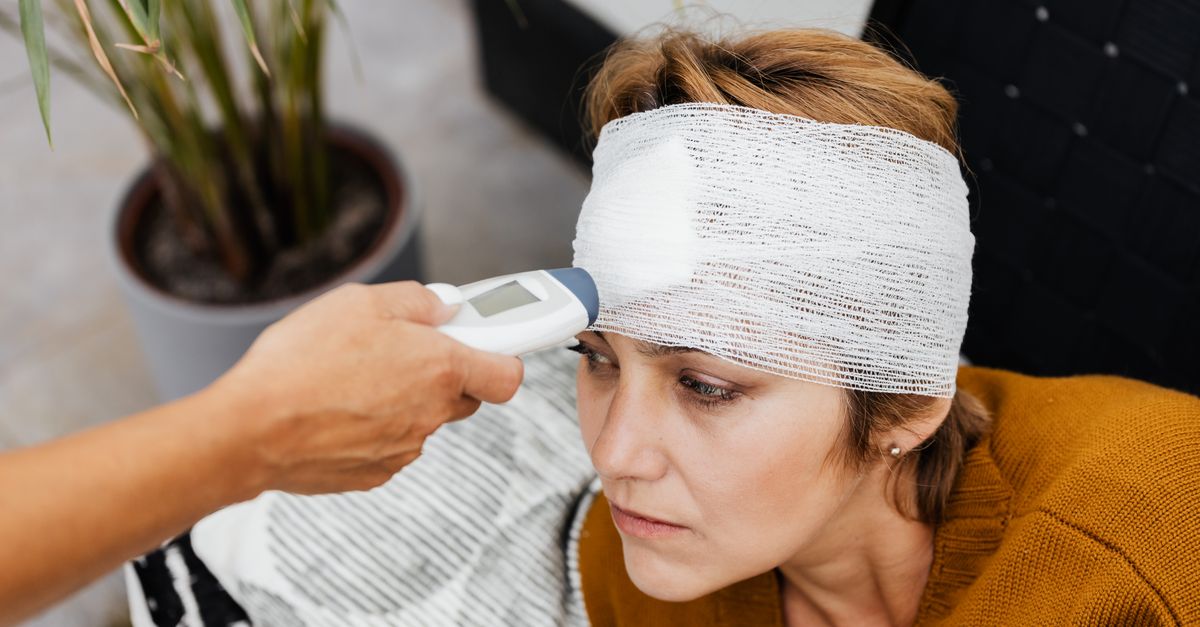
Tympanic (ear) thermometers provide rapid readings reflecting core temperature, but they must be positioned correctly within the ear canal. Forehead scanners are convenient but generally less accurate than oral or rectal measurements.
If a patient feels profoundly ill or exhibits red flag symptoms, the exact digital number on the thermometer becomes secondary to the clinical presentation. Do not delay care simply because a temperature has not reached an arbitrary threshold if the patient appears toxic.
14. Home Management and Antipyretics
For an otherwise healthy adult with a moderate fever and clear symptoms of a benign viral illness like a cold, management focuses on comfort and hydration. Resting in a cool room and wearing light clothing helps facilitate heat loss.
Antipyretic medications, specifically acetaminophen or nonsteroidal anti-inflammatory drugs like ibuprofen, are highly effective at lowering the hypothalamic set point and relieving associated muscle aches. It is vital to adhere strictly to dosage guidelines to prevent hepatic or renal toxicity.
Physical cooling methods, such as taking a lukewarm bath, can provide temporary relief. However, ice baths or alcohol rubs are strictly contraindicated. These cause severe vasoconstriction and induce violent shivering, which actually increases the core body temperature and causes significant distress.
15. Indications for Immediate Medical Care
Immediate emergency department evaluation is mandated if an adult fever is accompanied by any signs of systemic compromise. A non-blanching petechial rash, which looks like tiny purple spots that do not fade when pressed, is a sign of meningococcal septicemia, a rapidly fatal infection.
Anuria, the complete cessation of urine production for over twelve hours, indicates severe acute kidney injury, often secondary to profound dehydration or sepsis.
Furthermore, if a fever persists for more than three days without a clear source, or if the temperature repeatedly exceeds 39.4 degrees Celsius despite appropriate doses of antipyretic medications, professional diagnostic testing, including blood cultures and imaging, is necessary to uncover the hidden etiology.
16. Frequently Asked Questions (FAQ)
1. Can a fever cause brain damage in adults?
A typical fever caused by an infection rarely exceeds 40.5 degrees Celsius and does not cause brain damage. Brain damage is a risk only in extreme hyperpyrexia or hyperthermia, generally when core temperatures exceed 41.5 degrees Celsius, which usually involves environmental heatstroke or drug reactions, not simple infections.
2. Should I starve a fever?
No. The old adage “starve a fever, feed a cold” is medically incorrect. A fever significantly increases your metabolic rate, meaning your body is burning more calories. You need adequate nutrition and, most importantly, copious amounts of fluids to support your immune system.
3. Why do I feel so cold when my temperature is high?
When the hypothalamus raises the body’s temperature set point, your brain perceives your current temperature as too cold. It triggers shivering to generate heat, making you feel freezing until your core temperature reaches the new, higher set point.
4. When should I take medicine to lower a fever?
Fever is a natural defense mechanism. In healthy adults, antipyretics are primarily used for comfort. If a fever is below 38.9 degrees Celsius and you feel reasonably well, you do not necessarily need medication. If the fever is causing severe muscle aches or preventing sleep, medication is appropriate.
5. Is a low body temperature dangerous?
Yes. A core body temperature significantly below normal, known as hypothermia, is very dangerous. In the context of a severe infection, particularly in the elderly, a sudden drop in body temperature rather than a fever can be a late and ominous sign of overwhelming sepsis.
17. Bibliography
Disclaimer: The content is for informational purposes only and does not replace medical advice. Always consult your doctor for personalized treatment.
