1. Introduction
Eyes feeling dry and irritated after wearing contact lenses for twelve hours occurs because the lens physically disrupts the complex structure of the natural tear film, leading to accelerated moisture evaporation and progressive lens dehydration. Contact lenses are essentially hydrophilic sponges resting on the surface of the eye. Over a long day, as ambient air evaporates the water content from the front of the lens, the material aggressively draws moisture out of the underlying tears to maintain its own structural shape. This parasitic fluid exchange leaves the ocular surface severely desiccated.
The human cornea is a transparent, avascular tissue that relies entirely on a continuous wash of healthy tears for oxygen, nutrients, and immune defense. Placing a foreign object over this delicate dome introduces an immediate mechanical and biological challenge. The contact lens splits the natural tear film in two, interfering with the crucial lipid layer that normally seals moisture against the eye. Without an intact lipid barrier, evaporation rates skyrocket.
Furthermore, a twelve-hour wear cycle subjects the cornea to prolonged physiological stress. The lens creates a barrier to atmospheric oxygen, causing subtle corneal hypoxia. As the lens dries out, it loses its lubricity, transforming from a soft, floating cushion into a rigid, abrasive shield. Every blink drags this rough surface across the highly innervated cornea and the inner eyelid, generating mechanical micro-trauma.
Understanding the physics of lens hydration and the biological requirements of the ocular surface clarifies why prolonged wear guarantees discomfort. By recognizing the limitations of lens materials and implementing proactive hydration strategies, individuals can avoid the cascade of inflammation that causes deep irritation and preserves the long-term health of their eyes.
2. Anatomy of the Ocular Surface and Tear Film
The anterior segment of the eye consists of the cornea, the clear central window, and the conjunctiva, the mucous membrane covering the white sclera. The cornea is densely packed with sensory nerves from the ophthalmic branch of the trigeminal nerve. These nerves are exquisitely sensitive to pain, temperature, and drying.
Protecting this sensitive surface is the tear film, a highly organized, three-layered fluid barrier. The innermost mucin layer binds the tears to the hydrophobic corneal cells. The thick middle aqueous layer, produced by the lacrimal glands, provides hydration and washes away debris. The outermost lipid layer, secreted by the meibomian glands along the eyelid margins, acts as an oil slick to prevent the aqueous layer from evaporating.
A contact lens fundamentally alters this architecture. The lens is placed directly into the aqueous layer, physically dividing the tear film into a pre-lens tear film and a post-lens tear film.
This division disrupts the natural harmony of the fluid dynamics. The crucial lipid layer is forced to spread over the artificial surface of the contact lens rather than the natural mucin-coated cornea, resulting in a thin, unstable barrier that fails to prevent rapid evaporation.
3. The Physics of Contact Lens Hydration
Modern soft contact lenses are composed of hydrogel or silicone hydrogel polymers. These materials are hydrophilic; they depend on water to remain soft, flexible, and optically clear. The water content of a fresh lens can range from thirty to nearly eighty percent.
When exposed to the ambient environment, water naturally evaporates from the anterior surface of the contact lens. To maintain its specific water concentration and physical shape, the polymer matrix acts like a sponge, drawing replacement moisture from the only available source: the post-lens tear film resting against the cornea.
This creates an osmotic gradient that systematically drains the natural moisture from the eye. After twelve hours, the lens has spent the entire day competing with the cornea for hydration.
If the environment is dry, such as an air-conditioned office or the cabin of an airplane, the evaporation rate increases exponentially. The lens eventually loses a significant percentage of its water volume, becoming physically thinner, stiffer, and distinctly uncomfortable.
4. Disruption of the Lipid Layer
The meibomian glands secrete oils every time the eye blinks fully, refreshing the protective lipid layer. A contact lens inherently interferes with this process. The artificial surface of the lens possesses different surface tension characteristics than the natural cornea.
Consequently, the oils do not spread evenly across the contact lens. The pre-lens tear film becomes patchy, exposing bare areas of the lens polymer directly to the air.
Furthermore, prolonged reading or computer use while wearing contacts drastically reduces the natural blink rate. Without frequent, complete blinks to pump the meibomian glands, the production of fresh lipids stalls completely.
The failure of the lipid layer is the primary catalyst for evaporative dry eye syndrome. The unprotected aqueous tears evaporate rapidly, concentrating the salts within the remaining fluid. This hyperosmolar environment is chemically toxic to the corneal epithelial cells, triggering an immediate inflammatory response.
5. Corneal Hypoxia and Oxygen Transmissibility
Because the cornea lacks blood vessels, it must absorb oxygen directly from the atmosphere, dissolved in the tear film. A contact lens acts as a physical barricade, reducing the volume of atmospheric oxygen that reaches the corneal tissue.
While modern silicone hydrogel lenses possess high oxygen transmissibility, a twelve-hour wearing period still represents a sustained reduction in optimal oxygen flow. This condition is termed corneal hypoxia.
Deprived of adequate oxygen, the corneal epithelial cells alter their metabolic processes, producing lactic acid. This acidic shift causes the cells to swell slightly, a condition known as corneal edema.
While mild edema is invisible to the naked eye, it stresses the structural integrity of the cornea and alters its refractive properties, contributing to the hazy or blurry vision often experienced late in the evening before the lenses are removed.
6. Mechanical Friction and Micro-Trauma
A fully hydrated contact lens rests on a thick cushion of post-lens tears, gliding smoothly over the cornea with every blink. However, as the lens dehydrates over twelve hours, this fluid cushion disappears.
The dehydrated lens polymer becomes rigid and shrinks slightly, tightening its grip on the curvature of the cornea. Without adequate lubrication, the lens begins to physically scrape against the delicate epithelial cells and the sensitive inner lining of the upper eyelid, known as the palpebral conjunctiva.
The inner eyelid acts like a windshield wiper. When forced to drag across a dry, rough contact lens thousands of times a day, the mucosal tissue suffers substantial mechanical friction.
This sustained micro-trauma prompts a localized immune response. The body releases inflammatory mediators, such as histamine and prostaglandins, which cause the blood vessels in the conjunctiva to dilate. This vasodilation produces the classic bloodshot appearance and the deep, burning sensation indicative of a damaged ocular surface.
7. Protein and Lipid Deposition
Tears are a complex biological fluid containing hundreds of unique proteins, enzymes, and lipids designed to protect the eye. Throughout the day, these organic compounds interact with the artificial surface of the contact lens.
As the tear fluid evaporates, proteins such as lysozyme and lactoferrin denature and bind permanently to the polymer matrix of the lens. Similarly, excess lipids from the meibomian glands can adhere to the surface, creating cloudy, greasy deposits.
After twelve hours of wear, the lens is coated in a microscopic layer of biological debris. This deposited film significantly roughens the surface topography of the lens, exacerbating mechanical friction against the eyelid.
Furthermore, the immune system may eventually recognize these denatured proteins as foreign bodies, triggering an allergic inflammatory response that makes the eye feel intensely itchy and gritty, as if a grain of sand is permanently trapped beneath the lid.
8. Environmental Exacerbators
The severity of end-of-day discomfort is heavily influenced by the environments navigated throughout the twelve-hour period. Humidity, airflow, and air quality directly impact the evaporation rate of the tear film.
Air-conditioned offices, heated homes, and the forced-air vents in automobiles create profoundly arid microclimates. The constant flow of dry air across the eyes rapidly accelerates lens dehydration.
Environmental pollutants, dust, and pollen also stick readily to the moist surface of a contact lens. The lens acts as a trap, holding these irritating particles directly against the cornea for hours, whereas a natural eye would flush them away quickly into the tear ducts.
Engaging in prolonged digital tasks further compounds the issue due to the suppressed blink rate. The combination of an arid environment, trapped irritants, and staring at screens virtually guarantees severe ocular distress by the end of the day.
9. Differentiating Lens Fatigue from Ocular Pathology
It is vital to distinguish between benign end-of-day dryness and serious, sight-threatening complications associated with contact lens wear.
| Characteristic | Lens-Induced Dryness | Corneal Ulcer / Infection |
|---|---|---|
| Pain Quality | Gritty, burning, scratchy ache. | Severe, sharp, stabbing pain. |
| Resolution | Improves significantly within hours of lens removal. | Pain persists and intensifies after lens removal. |
| Light Sensitivity | Mild discomfort in bright light. | Extreme photophobia; inability to open eye in light. |
| Visual Signs | Diffuse redness. | Localized white spot on cornea, thick pus discharge. |
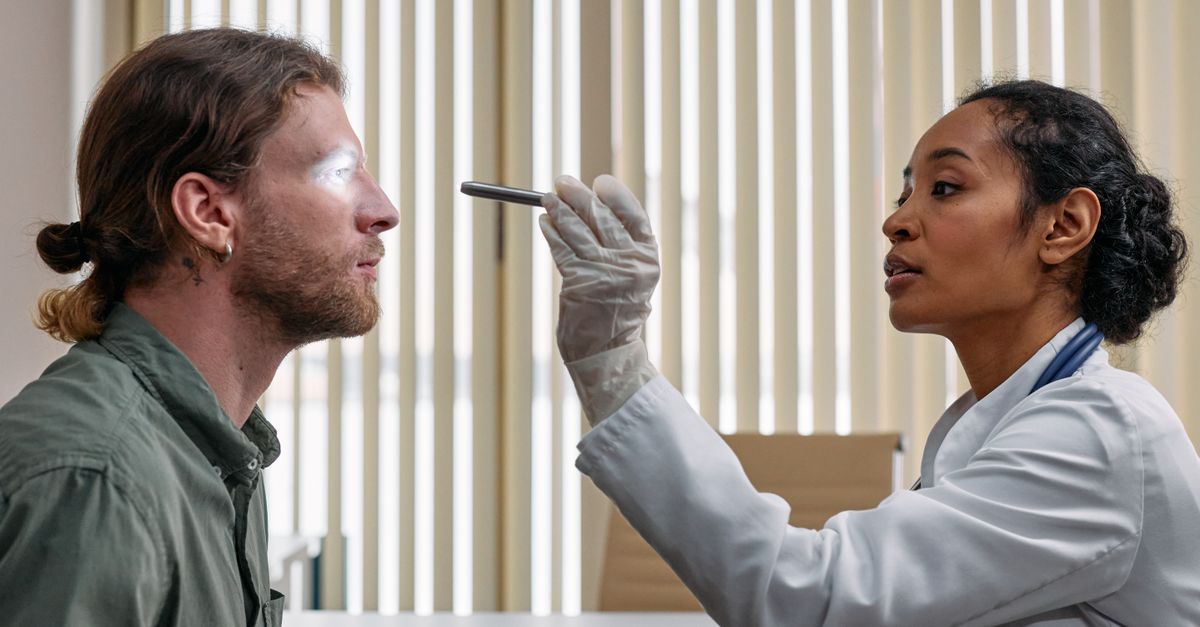
If intense pain, severe redness, or a decline in visual acuity persists after removing the lens, immediate evaluation by an optometrist or ophthalmologist is mandatory to rule out a microbial keratitis.
10. Giant Papillary Conjunctivitis
Chronic overwear of contact lenses can lead to a specific inflammatory condition known as giant papillary conjunctivitis. This condition affects the inner lining of the upper eyelid, where continuous friction against a deposited or dehydrating lens causes structural tissue changes.
In response to the mechanical trauma and the allergic reaction to denatured proteins on the lens, the palpebral conjunctiva develops large, cobblestone-like bumps (papillae).
These papillae are highly sensitive and increase the physical friction with every blink. Sufferers experience intense itching, significant mucous discharge, and a feeling that the lens is constantly moving out of place.
Developing giant papillary conjunctivitis often requires a complete cessation of contact lens wear for several weeks and treatment with prescription anti-inflammatory drops to resolve the tissue changes before lenses can be safely worn again.
11. Immediate Relief and Lens Removal
When the eyes feel profoundly dry and irritated after twelve hours, the most critical intervention is the immediate removal of the contact lenses. The biological tissues require unrestricted access to atmospheric oxygen and natural tear flow to recover.
Before attempting to remove a severely dehydrated lens, it is crucial to rehydrate it. Attempting to peel a dry, stuck lens off the eye can rip the superficial epithelial cells right off the cornea, causing a painful corneal abrasion.
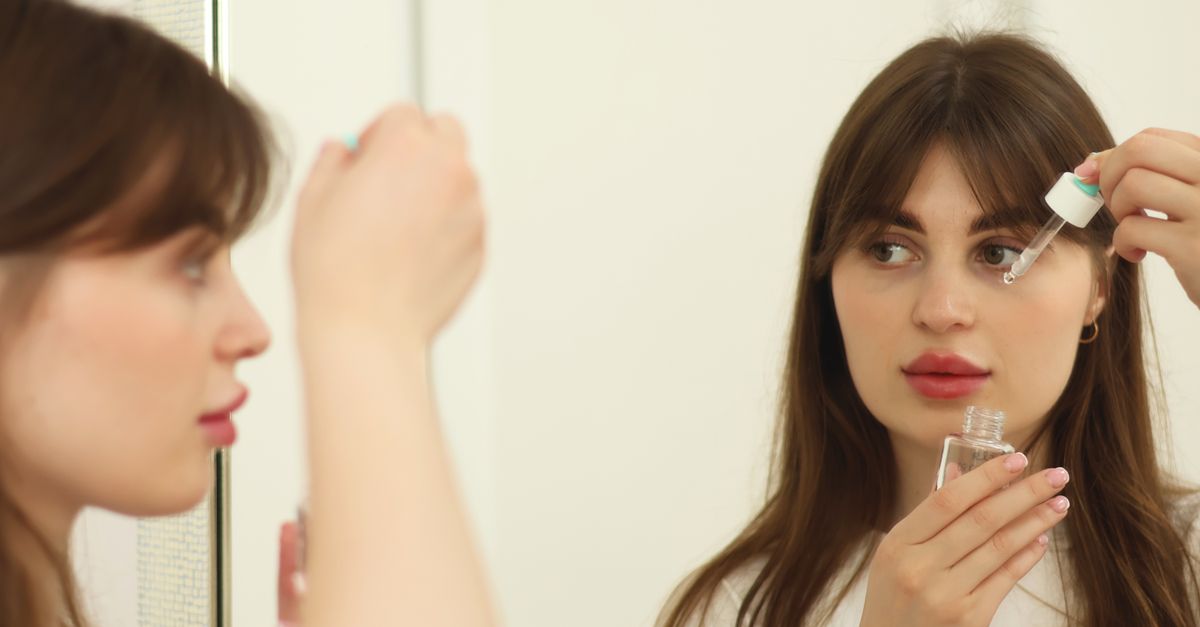
Applying a few drops of sterile, preservative-free artificial tears and blinking several times softens the lens and restores the fluid cushion beneath it. Once the lens moves freely upon the eye, it can be safely pinched and removed.
After removal, the eyes should be flushed with additional artificial tears to wash away accumulated inflammatory chemicals and cellular debris, soothing the raw, irritated nerve endings.
12. Lubricating Drops and Preservatives
Managing lens discomfort during the day requires strategic hydration. However, the type of eye drop utilized is of paramount importance. Many over-the-counter redness-relieving drops contain vasoconstrictors, which shrink blood vessels but cause severe rebound redness and do nothing to hydrate the lens.
Standard bottled artificial tears often contain chemical preservatives like benzalkonium chloride. While safe for occasional use on a bare eye, these preservatives can bind to the matrix of a soft contact lens, accumulating over the day to toxic levels and causing severe chemical burns to the cornea.
Only drops explicitly labeled as “Contact Lens Safe” or single-use, preservative-free artificial tears should be applied while the lenses are inserted.
Utilizing these safe drops preemptively throughout the twelve-hour period, rather than waiting until the eyes are already burning, maintains the hydration of the lens polymer and preserves the delicate balance of the tear film.
13. Lens Material and Replacement Schedules
The physical properties of the lens directly dictate comfort. Daily disposable lenses represent the safest and most comfortable modality for prolonged wear. Discarding the lens after twelve hours ensures that protein deposits, lipid buildup, and environmental allergens are completely eliminated, starting each day with a pristine, fully hydrated surface.
Monthly or bi-weekly replacement lenses require rigorous nightly cleaning. Using hydrogen peroxide-based cleaning solutions provides a superior deep clean, actively breaking down protein bonds and thoroughly disinfecting the polymer without the use of harsh, irritating chemical preservatives.
Optometrists can also prescribe lenses with different water gradients or specialized surface treatments. Lenses with a high surface water content but low core water content draw less moisture from the eye, significantly reducing end-of-day desiccation for individuals with naturally dry eyes.
14. Long-Term Preventative Strategies
Preventing daily irritation requires a holistic approach to ocular health. Adhering to the 20-20-20 rule during digital tasks—looking at an object twenty feet away for twenty seconds every twenty minutes—forces natural blinking and redistributes the lipid layer.
Maintaining systemic hydration by drinking adequate water ensures the lacrimal glands have the biological resources necessary to produce a high volume of aqueous tears.
Supplementing the diet with omega-three fatty acids, found in fish oil and flaxseed, improves the chemical quality of the meibomian gland secretions, creating a thicker, more stable lipid layer that naturally resists evaporation.
Finally, integrating “glasses days” into the weekly routine provides the cornea with crucial rest periods. Allowing the ocular surface to breathe naturally for a full day prevents the cumulative hypoxic stress and inflammatory micro-trauma that inevitably results from chronic, daily twelve-hour lens wear.
15. Frequently Asked Questions (FAQ)
1. Is it dangerous to sleep in my contact lenses if I am just taking a nap?
Yes. Sleeping in lenses completely cuts off atmospheric oxygen to the cornea and halts the flushing action of blinking. This rapid hypoxic stress massively increases the risk of a severe, sight-threatening bacterial infection.
2. Why does my vision get blurry at night even though my prescription is correct?
The blurriness is caused by the contact lens drying out and accumulating a cloudy film of proteins and oils. A dry, dirty lens scatters light instead of focusing it clearly on the retina.
3. Will drinking more water stop my contacts from drying out?
Systemic hydration is important for overall tear production, but it cannot override the basic physics of a dry environment evaporating moisture from the lens surface. Environmental adjustments and lubricating drops are still necessary.
4. Why do my eyes burn more when I try to take the dry lenses out?
A dry lens acts like a suction cup on your cornea. Pulling it off creates severe mechanical friction, dragging across the sensitive nerves. Always apply lubricating drops to float the lens before attempting removal.
5. How long should I wait to put lenses back in after my eyes feel irritated?
You should wait until the redness and scratchy feeling completely resolve without the aid of drops, which typically takes a full night of sleep or twenty-four hours of wearing glasses to allow the epithelial cells to heal.
16. Bibliography
Disclaimer: The content is for informational purposes only and does not replace medical advice. Always consult your doctor for personalized treatment.