
1. Introduction
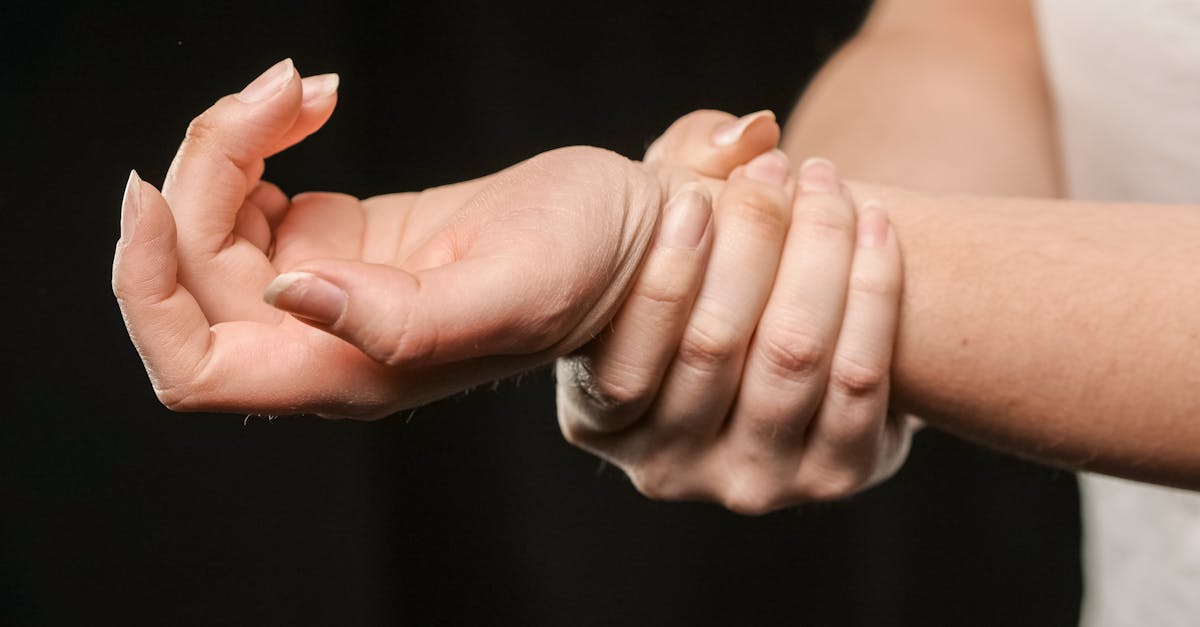
Experiencing aching and subtle swelling in the finger joints during rainy weather is a well-documented physiological phenomenon typically related to shifts in barometric pressure. As atmospheric pressure drops prior to a storm, the tissues surrounding the delicate joints of the hand can expand slightly, increasing internal capsular pressure and triggering localized pain receptors. This weather-related discomfort is especially pronounced in individuals with underlying osteoarthritis or chronic inflammatory joint conditions, though it can occasionally be felt in previously injured, otherwise healthy joints.
The human musculoskeletal system is not a rigid, static structure; it is a dynamic network of fluids, pliable cartilage, and elastic connective tissues. The synovial joints of the fingers are sealed anatomical capsules containing lubricating fluid. Because these joints are located superficially, just beneath the skin, they lack the massive muscular padding that protects larger joints, making them uniquely sensitive to subtle environmental shifts.
A clinical understanding of this phenomenon requires examining the physics of atmospheric weight and the biology of synovial fluid dynamics. Differentiating between benign weather sensitivity and the progression of an underlying rheumatological disease allows clinicians to validate the patient’s experience while deploying targeted thermal and pharmacological interventions to maintain optimal hand mobility.
2. The Mechanics of Barometric Pressure
Barometric pressure, also known as atmospheric pressure, is the absolute physical weight of the air molecules pressing down upon the surface of the earth. In fair, clear weather, this pressure is relatively high, providing a constant, invisible compressive force against the human body. This external pressure pushes inward against the skin and underlying tissues, helping to keep them compact.
When a weather system containing rain or a storm approaches, the barometric pressure predictably and measurably drops. The weight of the air pressing against the body decreases. According to basic physical principles, when external compressive pressure decreases, internal pressurized structures naturally attempt to expand outward to reach a new equilibrium.
This atmospheric shift directly affects the closed biological compartments of the human body. Just as a sealed bag of potato chips puffs up when taken to a higher altitude where pressure is lower, the sealed joint capsules of the human fingers expand slightly when a low-pressure weather front moves into the area.
3. Anatomy of the Synovial Joint
To understand the specific ache in the fingers, one must examine the structure of a synovial joint. The knuckles and the small joints between the finger bones (the proximal and distal interphalangeal joints) are entirely enclosed by a tough, fibrous joint capsule. The inner lining of this capsule is the synovial membrane.
The synovial membrane continuously secretes synovial fluid, a viscous, slippery substance that provides vital lubrication and metabolic nutrients to the avascular articular cartilage covering the ends of the bones. Under normal conditions, the volume of this fluid is perfectly balanced, providing smooth, frictionless movement without stretching the outer capsule.
The fibrous joint capsule is densely populated with microscopic sensory nerve endings known as mechanoreceptors and nociceptors. These specific nerves are designed to detect physical stretch, mechanical tension, and pain. Their primary biological purpose is to warn the brain if the joint is being bent too far or subjected to damaging structural strain.
4. Fluid Dynamics in Weather Shifts
When the barometric pressure drops during rainy weather, the decreased external atmospheric pressure allows the synovial fluid and the soft tissues within the finger joints to subtly expand. Because the joint capsule is a relatively rigid, enclosed space, any internal expansion immediately translates into increased outward pressure against the capsular walls.
This microscopic structural distension stretches the joint capsule tight, directly stimulating the embedded mechanoreceptors. In a perfectly pristine, youthful joint, this minor stretch is usually entirely asymptomatic. However, if the joint has sustained previous trauma or microscopic wear, the local sensory nerves are often chronically sensitized.
The sensitized nerves misinterpret the mild, weather-induced physical stretching as a noxious stimulus, transmitting a dull, aching pain signal to the central nervous system. The patient perceives this signal as a distinct throbbing or stiffness directly localized to the knuckles, confirming the direct biomechanical link between weather patterns and somatic pain.
5. Osteoarthritis and Weather Sensitivity
Osteoarthritis is a degenerative joint disease characterized by the progressive, mechanical wearing away of the protective articular cartilage. As the cartilage thins, the underlying bone becomes exposed, leading to painful bone-on-bone friction. The body attempts to repair this damage by creating localized inflammation and forming small, rough bone spurs (osteophytes) around the joint margins.
Osteoarthritic joints are notoriously sensitive to barometric shifts. The chronic inflammatory state leaves the synovial membrane thickened and the capsular nerves hyper-reactive. When a low-pressure rainstorm causes the joint capsule to expand, the inflamed tissues stretch agonizingly against the jagged, newly formed bone spurs.
Patients with osteoarthritis in their hands frequently report that their fingers become stiff, visibly swollen, and exceptionally difficult to bend in the hours immediately preceding a rainstorm. This predictable weather-related stiffness is a clinical hallmark of degenerative joint disease, serving as a biological barometer for shifting atmospheric conditions.
6. Rheumatoid Arthritis Considerations
While osteoarthritis is driven by mechanical wear, rheumatoid arthritis is a systemic autoimmune disease. In rheumatoid arthritis, the immune system erroneously attacks the healthy synovial membranes lining the joints, causing profound, destructive inflammation. The fingers are typically the first and most severely affected anatomical areas.
The synovial tissues in a rheumatoid joint are massively engorged with inflammatory cells and excess, pathological synovial fluid. The joint capsule is constantly stretched to its absolute maximum capacity. Therefore, even a fractional drop in barometric pressure causes substantial additional expansion in a joint that simply has no structural room left to expand.
The resulting pain is typically sharp, intense, and accompanied by severe heat and redness in the skin overlying the knuckles. Patients with rheumatoid arthritis often experience profound, debilitating morning stiffness during rainy or humid weather, requiring prolonged thermal therapy and movement to regain basic functional dexterity.
7. The Role of Humidity and Temperature
Barometric pressure rarely drops in isolation; it is almost always accompanied by significant changes in ambient humidity and temperature, particularly during rainstorms. High humidity and cool temperatures operate synergistically with low pressure to exacerbate finger joint pain through distinct physiological pathways.
Cold ambient temperatures cause the superficial blood vessels in the hands to constrict, a process known as vasoconstriction. This limits the flow of warm blood to the fingers, leaving the joints colder and stiffer. Furthermore, low temperatures directly alter the physical viscosity of the synovial fluid inside the joint.
As the synovial fluid cools, it becomes thicker and more gelatinous, moving from a liquid state to a more semi-solid consistency. This thickened fluid creates substantial mechanical drag when the patient attempts to bend their fingers, translating into a feeling of deep stiffness and aching resistance that compounds the pressure-induced expansion of the joint capsule. Understanding overlapping joint mechanics can be aided by exploring related conditions like joint pain causes.
8. Nerve Sensitization and Chronic Pain
Chronic joint pain fundamentally alters the central nervous system’s perception of sensory input, a phenomenon known as central sensitization. When a finger joint constantly transmits pain signals due to arthritis or old injuries, the pain-processing pathways in the spinal cord and brain become neuroplastically amplified.
In a sensitized nervous system, the threshold for triggering a pain signal is remarkably lowered. Stimuli that would normally be perceived as harmless or slightly uncomfortable—such as the microscopic capsular expansion caused by a drop in atmospheric pressure—are amplified by the hyper-reactive nervous system into a pronounced, severe ache.
This neurological amplification explains why two individuals of the exact same age can experience completely different reactions to rainy weather. The individual with a history of joint inflammation possesses a sensitized nervous network that acts as a highly tuned, hyper-reactive atmospheric sensor, while the individual with pristine joints feels no shift at all.
9. Tendon and Ligament Expansion
The pain experienced during a rainstorm is not solely confined to the internal synovial capsule; the surrounding connective tissues also respond to barometric changes. The intricate movements of the fingers are controlled by a complex web of flexor and extensor tendons, guided by tough fibrous pulleys and collateral ligaments.
Like the joint capsule, these dense connective tissues contain fluid and are sensitive to atmospheric pressure drops. When the pressure decreases, the tendons and ligaments can swell marginally. Because the anatomical space within the fingers is exceptionally tight, this microscopic tissue swelling increases friction as the tendons glide over the bones.
This subtle increase in mechanical friction creates a sensation of stiffness and a deep, pulling ache when the patient attempts to form a tight fist or grasp an object. The swelling of the soft tissues acts as a restrictive sleeve, physically impeding the smooth, effortless articulation of the phalanx bones.
10. Differential Diagnosis Table
Accurately evaluating weather-related finger pain requires correlating the specific type of pain with the presence of underlying joint pathology.
| Underlying Condition | Primary Mechanism | Distinguishing Clinical Features |
|---|---|---|
| Old Traumatic Injury | Scar tissue and sensitized nerves | Pain strictly localized to one previously broken or sprained finger. |
| Osteoarthritis | Capsular expansion over bone spurs | Dull ache, bony enlargements at the distal knuckles (Heberden’s nodes). |
| Rheumatoid Arthritis | Autoimmune synovial expansion | Severe swelling, heat, redness, affects knuckles symmetrically on both hands. |
| Benign Weather Sensitivity | Mild physiological fluid shift | Transient stiffness in cold rain, entirely resolves when hands are warmed. |
11. Clinical Assessment of Joint Pain
When a patient seeks medical evaluation for persistent finger joint pain that flares during specific weather, the clinician performs a targeted rheumatological physical examination. The physician will carefully palpate every individual joint in the hand, assessing for localized heat, spongy fluid accumulation (effusion), and hard, bony outgrowths.
The physician checks the patient’s grip strength and evaluates the passive and active range of motion, noting any grinding sensations (crepitus) that occur when the joint bends. The pattern of affected joints is highly diagnostic; osteoarthritis typically attacks the joints closest to the fingernails, while rheumatoid arthritis predominantly targets the large knuckles at the base of the fingers.
If an inflammatory autoimmune condition is suspected, comprehensive blood panels are ordered to check for specific markers, such as Rheumatoid Factor and Anti-Cyclic Citrullinated Peptide antibodies. Standard X-rays of the hands clearly reveal the loss of joint space and the presence of bone spurs characteristic of mechanical osteoarthritis.
12. Non-Pharmacological Management
Managing weather-induced joint pain relies heavily on proactive, non-pharmacological physical interventions designed to counteract the environmental shifts. The absolute most effective primary defense is aggressive thermal therapy. Keeping the hands robustly warm prevents the vasoconstriction and synovial fluid thickening caused by cold, rainy weather.
Patients are encouraged to utilize heated paraffin wax baths. Submerging the hands in the warm, melted wax provides deep, penetrating thermal energy that rapidly dilates the local blood vessels, flushing the joints with warm blood and instantly thinning the sluggish synovial fluid.
Routine, gentle range-of-motion exercises are crucial. Movement acts as a physical pump, actively circulating the synovial fluid and preventing the tissues from stiffening. Squeezing a soft stress ball or performing targeted finger stretches immediately upon waking prevents the overnight accumulation of pressure and breaks the cycle of morning weather stiffness.
13. Compression and Ergonomic Support
Counteracting the physical expansion of the joint capsule caused by low barometric pressure can be achieved through the use of specialized compression garments. Mildly elastic, fingerless arthritis gloves provide continuous, gentle mechanical compression to the tissues of the hand.
This external physical pressure acts as an artificial atmosphere, effectively squeezing the tissues and preventing the joint capsules from expanding outward when the weather front drops the ambient pressure. Furthermore, the gloves trap the body’s natural heat, maintaining a warm local environment that promotes continuous fluid mobility.
Ergonomic joint protection is equally important during flare-ups. Patients should utilize adaptive tools with thickened handles for cooking and writing, minimizing the mechanical force required to grip objects. Reducing the daily physical strain placed on the sensitized joints prevents further inflammatory micro-trauma, keeping the baseline capsular pressure low.
14. Pharmacological Interventions
When conservative thermal and compression therapies are insufficient to manage a severe weather flare, targeted pharmacological options are utilized. Over-the-counter non-steroidal anti-inflammatory drugs (NSAIDs), such as ibuprofen or naproxen, directly block the enzymatic pathways responsible for generating localized tissue inflammation.
By halting the production of inflammatory prostaglandins, NSAIDs effectively reduce the swelling of the synovial membrane, physically decreasing the volume of fluid trapped inside the joint capsule. This reduction in internal volume dramatically relieves the outward pressure causing the aching pain.
For patients who cannot tolerate oral NSAIDs due to gastrointestinal sensitivities, topical anti-inflammatory gels (like diclofenac sodium) are highly recommended. These gels are absorbed directly through the skin into the superficial finger joints, providing potent localized relief without passing through the stomach or the systemic bloodstream.
15. When to Consult a Rheumatologist
While predicting a rainstorm with aching fingers is a common and often benign reality of aging or past injuries, specific clinical signs require formal evaluation by a rheumatologist. If the finger pain is accompanied by sudden, severe swelling that renders the joints completely red, hot, and impossible to bend, it signifies an acute inflammatory crisis rather than a simple weather shift.
If the morning stiffness lasts for more than a full hour after waking, or if the pain is strictly symmetrical—affecting the exact same knuckles on both the left and right hands simultaneously—these are massive clinical red flags pointing toward systemic rheumatoid arthritis.
Furthermore, if the weather-induced aching begins to cause permanent physical deformities, such as the fingers noticeably curving sideways or the inability to fully straighten the hand, specialized medical intervention is urgently required to halt the structural destruction of the joint architecture through advanced disease-modifying therapies.
16. Frequently Asked Questions (FAQ)
1. Is there scientific proof that weather changes cause joint pain?
Yes. Numerous clinical studies have demonstrated that drops in barometric pressure cause the tissues inside the joint capsule to physically expand. In healthy joints this goes unnoticed, but in arthritic or damaged joints, this expansion stretches sensitive nerves, causing distinct pain.
2. Does moving to a warm, dry climate cure weather-related arthritis?
While a warm, stable climate can significantly reduce the frequency of barometric pressure drops and prevent cold-induced stiffness, it does not physically cure the underlying arthritis. The structural damage to the cartilage remains, but the environmental triggers are minimized.
3. Why do my knuckles specifically hurt more than my larger joints in the rain?
The finger joints are extremely small and located immediately under the skin, offering virtually no muscle or fat padding for thermal insulation. This superficial location makes them exquisitely sensitive to both cold temperatures and subtle atmospheric pressure changes.
4. Will cracking my knuckles make this weather pain worse?
Cracking your knuckles releases gas bubbles from the synovial fluid but does not cause arthritis. However, if your joints are already inflamed and aching due to weather, forcefully cracking them can irritate the stretched joint capsule and temporarily worsen the discomfort.
5. Do compression gloves actually work for rain-induced joint pain?
Yes. Compression gloves provide a gentle, continuous external physical pressure that counteracts the outward expansion of the joint capsule caused by low atmospheric pressure. They also trap your body heat, keeping the synovial fluid thin and moving smoothly.
17. Bibliography
Disclaimer: The content is for informational purposes only and does not replace medical advice. Always consult your doctor for personalized treatment.