1. Introduction
A throbbing forehead pain that occurs strictly when bending over is primarily caused by rapid changes in hydrostatic pressure and vascular fluid dynamics within the head. When the head is lowered below the level of the heart, gravity increases blood volume and pressure in the cranial vessels and paranasal sinuses. If there is underlying sinus congestion, mucosal inflammation, or vascular hyper-reactivity, this sudden positional pressure change manifests clinically as a sharp, throbbing discomfort in the frontal region.
This symptom is a classic presentation of a positional headache. The human body possesses intricate auto-regulatory mechanisms to manage blood pressure shifts during postural changes. However, when local tissues are compromised by seasonal allergies, viral infections, or simple dehydration, these compensatory mechanisms fall short, resulting in localized pain.
2. Anatomical Overview Of The Paranasal Sinuses
The paranasal sinuses are air-filled cavities located within the bones of the skull and face. The frontal sinuses are situated directly behind the forehead, above the eyes. These cavities are lined with a delicate respiratory mucosa that continuously produces mucus. This mucus traps foreign particles and drains into the nasal cavity through narrow pathways called ostia.
Because the frontal sinuses are encased in rigid bone, they cannot expand. Therefore, any internal volume change, whether from increased blood flow or mucus accumulation, immediately translates into increased pressure against the sensory nerve endings within the mucosal lining. This structural rigidity is a key factor in positional pain.
3. Hydrostatic Pressure And Gravity
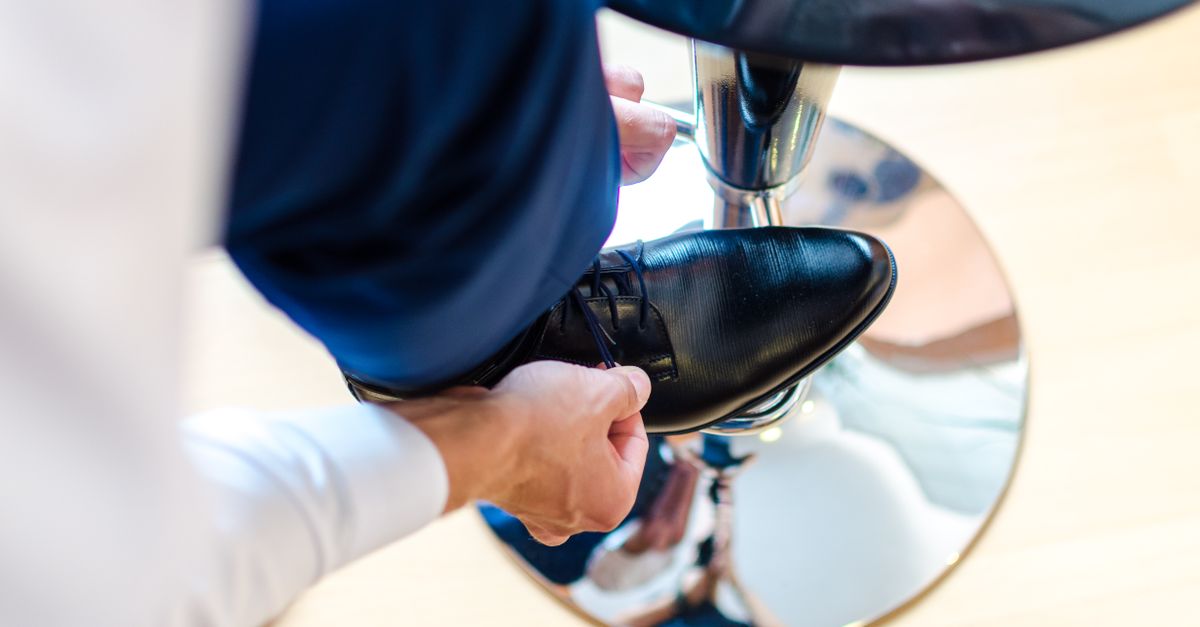
Hydrostatic pressure refers to the pressure exerted by a fluid due to the force of gravity. In a standing or seated position, gravity facilitates the drainage of venous blood from the head back down to the heart via the internal jugular veins. When an individual bends forward to tie their shoes, this gravitational advantage is instantly reversed.
In the inverted position, the venous blood must travel against gravity to return to the heart. Consequently, blood transiently pools in the venous system of the head and face. This pooling increases the hydrostatic pressure within the cranial and facial vessels. Healthy individuals adapt to this instantly, but sensitized tissues interpret this pressure as a throbbing ache.
4. Vascular Changes During Head Flexion
Beyond simple gravity, bending over alters arterial and venous compliance. The arteries supplying the brain and face dilate slightly to ensure adequate oxygen delivery during postural shifts. This vasodilation increases the total volume of blood in the confined space of the skull and facial bones.
The throbbing quality of the pain correlates directly with the human pulse. As the heart beats, the systolic surge of blood forces the already engorged facial and cranial arteries to expand further. This rhythmic expansion pushes against the surrounding inflamed or tight tissues, generating the characteristic throbbing sensation exactly in time with the heartbeat.
5. The Role Of Sinus Congestion
Sinus congestion is the most frequent underlying culprit for this specific symptom. Conditions such as acute sinusitis or allergic rhinitis cause the mucosal lining of the sinuses to become swollen and inflamed. This edema narrows or completely blocks the sinus ostia, trapping air and mucus inside the rigid bony cavity.
When a person with congested sinuses bends over, the increased vascular pressure in the swollen mucosal lining further reduces the available space inside the sinus. This rapid increase in localized pressure intensely stimulates the branches of the trigeminal nerve that innervate the frontal sinuses, resulting in severe forehead pain.
6. Mucosal Inflammation And Ostial Obstruction
The ostiomeatal complex is a critical anatomical crossroad in the nasal cavity where multiple sinuses drain. When inflammation from a viral cold or allergy strikes, the tissues of the ostiomeatal complex swell rapidly. Even a microscopic amount of mucosal edema can completely obstruct these narrow drainage pathways.
Once obstructed, the sinus becomes a closed system. The trapped air is slowly absorbed by the mucosal blood vessels, creating a negative pressure vacuum inside the sinus cavity. When bending over, the sudden rush of venous blood into the area exaggerates this pressure differential, causing the sinus walls to feel as though they are imploding or throbbing violently.
7. Frontal Sinus Specifics
The frontal sinuses are uniquely susceptible to positional pain due to their anatomical location. Because they are situated high on the face, their drainage relies heavily on gravity when the head is upright. Bending forward directly opposes their natural drainage vector, causing any fluid or heavy mucus to shift and press against the highly sensitive anterior wall of the sinus.
Furthermore, the frontal sinuses are innervated by the supraorbital nerve, a major sensory branch that is highly responsive to pressure changes. When the heavy, fluid-filled sinus shifts its weight against this nerve during head flexion, it produces a distinct, localized pain across the brow line.
8. Positional Headaches Beyond Sinusitis
While sinus issues are common, not all positional forehead throbbing is rhinological. Cerebrospinal fluid dynamics also play a role. The brain is bathed in cerebrospinal fluid, which acts as a shock absorber. When bending over, intracranial pressure temporarily rises as venous outflow is momentarily slowed.
In some individuals, particularly those prone to migraines or with benign intracranial hypertension, this brief spike in intracranial pressure is sufficient to trigger a localized headache. The pain is usually felt in the forehead because the meninges, the membranes covering the brain, are densely innervated in the frontal region.
9. Evaluating Related Symptoms
Differentiating between a sinus-related positional headache and a vascular or neurological one relies on analyzing accompanying symptoms. The table below provides clinical context.
| Accompanying Symptoms | Likely Underlying Cause |
|---|---|
| Nasal discharge, decreased sense of smell, fever | Acute frontal sinusitis or viral upper respiratory infection |
| Itchy eyes, clear nasal drip, seasonal occurrence | Allergic rhinitis causing mucosal edema |
| Photophobia, nausea, worsening with physical exertion | Migraine with positional exacerbation |
| Pain localized to the back of the neck as well | Cervicogenic headache or muscle tension |
10. Barometric Pressure Influences
External environmental factors frequently exacerbate internal pressure symptoms. Changes in weather patterns, such as the approach of a low-pressure storm system, alter the ambient barometric pressure. If the frontal sinuses are partially blocked, they cannot equalize with the dropping external pressure.
This inability to equalize leaves the sinuses relatively pressurized compared to the atmosphere. When a person in this state bends over, the added hydrostatic pressure from blood pooling compounds the existing barometric imbalance, resulting in a sudden and intense throbbing pain.
11. Dehydration And Cerebrospinal Fluid Dynamics
Systemic hydration status significantly impacts fluid dynamics in the head. Dehydration causes the mucous secretions in the sinuses to become thick and viscous, making them much more likely to block the narrow ostia. Thickened mucus cannot drain properly, setting the stage for pressure buildup upon bending.
Additionally, mild dehydration alters blood volume and vascular tone. To maintain blood pressure, the blood vessels may become hyper-reactive. When bending over, these hyper-reactive vessels may dilate excessively or fail to manage the rapid volume shift smoothly, contributing to the vascular throbbing in the forehead.
12. Musculoskeletal Contributions From The Neck
The musculature of the cervical spine is mechanically linked to the fascia covering the head. When bending over to tie a shoe, the posterior neck muscles must stretch and support the weight of the head. If these muscles are chronically tight from poor posture or stress, this active stretching pulls on the connective tissue over the skull.
This mechanical traction can irritate the occipital and frontal nerves. While this pain is typically described as a pulling or tight sensation, the increased blood flow to the strained muscles during the physical effort can induce a pulsatile or throbbing quality to the muscular pain in the forehead.
13. Diagnostic Approaches
If positional forehead pain is persistent, a physician will typically begin with a detailed clinical history and a physical examination of the nasal passages using an endoscope. This visual inspection can quickly identify inflamed mucosa, nasal polyps, or purulent discharge indicative of sinusitis.
If the nasal cavity appears normal but the positional throbbing persists, a computed tomography scan of the paranasal sinuses may be ordered. This imaging provides a detailed view of the hidden frontal sinus cavities and can confirm the presence of trapped fluid, mucosal thickening, or anatomical abnormalities preventing normal drainage.
14. Immediate Relief Strategies At Home
Managing acute positional forehead throbbing often involves addressing the underlying sinus congestion. Nasal saline irrigation is highly effective; it physically flushes out thick mucus and environmental allergens, helping to unblock the sinus ostia and restore normal pressure equalization.
Applying a warm compress over the forehead and eyes can also provide immediate comfort. The warmth induces localized vasodilation in the superficial tissues, which can help draw blood flow away from the congested internal mucosa and soothe the irritated sensory nerves. Hydrating well with warm fluids further aids in thinning mucus secretions.
15. Medical Treatments For Underlying Causes
When home remedies fail, pharmacological intervention may be necessary. Over the counter oral decongestants or short-term use of topical nasal decongestant sprays cause the swollen blood vessels in the nasal mucosa to constrict. This rapid shrinkage opens the blocked pathways and instantly relieves the pressure when bending over.
If a bacterial infection is confirmed, a physician will prescribe a course of targeted antibiotics to eradicate the pathogen. For chronic allergic inflammation, daily intranasal corticosteroid sprays are the gold standard of care, as they prevent the inflammatory cascade that leads to tissue edema in the first place.
16. When To See A Doctor
A medical evaluation is highly recommended if the throbbing pain when bending over is a new symptom that does not resolve within a few weeks, or if it is accompanied by a high fever, severe facial swelling, or thick, discolored nasal discharge.
Crucially, if the positional headache is accompanied by neurological symptoms such as blurred vision, confusion, or a sudden, explosive onset of maximum pain, immediate emergency evaluation is required to rule out serious intracranial pathology.
17. Frequently Asked Questions (FAQ)
1. Can high blood pressure cause my forehead to throb when I bend down?
While chronic hypertension is usually asymptomatic, severely elevated blood pressure can cause the cranial blood vessels to throb intensely during positional changes due to the added hydrostatic force.
2. Why does the pain go away as soon as I stand back up?
Standing up instantly restores gravity assisted venous drainage, moving the excess pooled blood out of the head and rapidly normalizing the pressure inside the facial vessels and sinuses.
3. Does drinking coffee help with positional headaches?
Caffeine is a vasoconstrictor, meaning it narrows blood vessels. This can sometimes reduce the vascular volume in the head and temporarily relieve the throbbing sensation, though it is not a permanent solution.
4. Can a tooth infection cause pain in my forehead when bending?
Typically, upper tooth infections refer pain to the maxillary sinuses in the cheeks rather than the forehead. However, severe sinus inflammation can cause generalized facial pain that shifts with movement.
5. Are nasal strips effective for this type of pain?
Nasal strips open the external nasal valve to improve breathing, but they do not reach deep enough into the nasal cavity to open the internal sinus ostia, so their effect on frontal sinus pressure is minimal.
18. Bibliography
Disclaimer: The content is for informational purposes only and does not replace medical advice. Always consult your doctor for personalized treatment.