1. Introduction
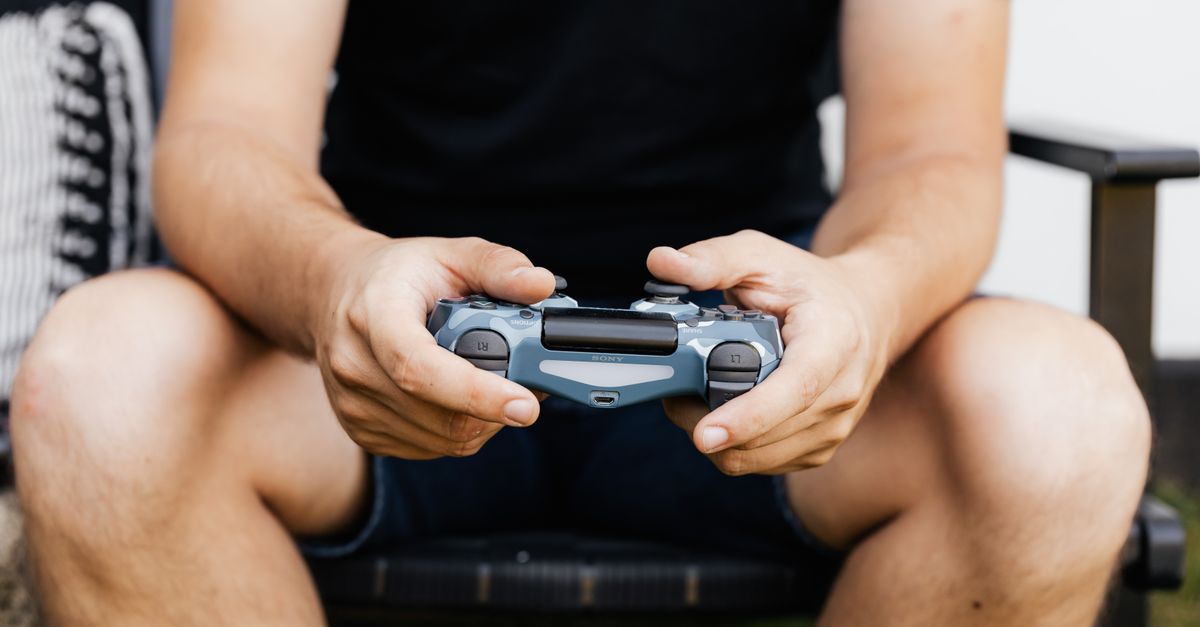
Palmar hyperhidrosis during competitive video games is triggered by the activation of the sympathetic nervous system in response to psychological stress and intense cognitive focus. The brain interprets the fast-paced, high-stakes digital environment of a competitive game as a genuine, immediate threat, prompting the rapid release of adrenaline. This physiological response specifically targets the dense concentration of eccrine sweat glands on the palms, a biological adaptation originally evolved to improve traction and grip during critical survival situations.
The human nervous system does not efficiently differentiate between a physical life-or-death scenario and the intense psychological pressure of a virtual competition. When a player is immersed in a stressful gaming moment, the body initiates the classic “fight or flight” response.
While thermal sweating occurs across the entire body to regulate temperature, emotional or stress-induced sweating is localized strictly to specific regions, primarily the palms, the soles of the feet, and the axillae (armpits). These specific glands react instantly to emotional stimuli rather than ambient heat.
Understanding the evolutionary biology of the human hand and the neurochemistry of stress clarifies why holding a plastic controller induces such a profound localized physical reaction. Recognizing the specific neural pathways involved allows for effective strategies to manage the sympathetic response and maintain comfort during intense activities.
2. The Sympathetic Nervous System and Gaming
The autonomic nervous system, which controls involuntary bodily functions, is divided into the parasympathetic (rest and digest) and sympathetic (fight or flight) branches. Competitive gaming requires rapid reflexes, intense concentration, and emotional investment, all of which heavily engage the sympathetic branch.
During a tense moment in a game, the amygdala—the brain’s emotional processing center—detects danger or high stakes. It sends an immediate distress signal to the hypothalamus, which acts as the command center.
The hypothalamus activates the sympathetic nervous system, causing the adrenal glands to pump epinephrine (adrenaline) and norepinephrine into the bloodstream. Heart rate accelerates, pupils dilate to take in more visual information, and blood flow is redirected to essential muscle groups.
Simultaneously, nerve impulses are sent directly to the sweat glands on the palms. Because the brain perceives a high-stress scenario, it prepares the body for immediate physical action, resulting in the sudden, rapid production of palmar sweat.
3. Eccrine Glands on the Palms
Sweat glands are categorized primarily into eccrine and apocrine glands. The palms of the hands and the soles of the feet are populated exclusively by eccrine glands, and they contain the highest density of these glands anywhere on the human body—up to 700 glands per square centimeter.
Unlike eccrine glands on the back or chest, which are primarily tasked with thermoregulation (cooling the body), the eccrine glands on the palms are uniquely wired. They are highly responsive to cholinergic sympathetic nerve fibers that fire during emotional stress, anxiety, or intense cognitive load.
This specialized wiring means that palmar sweat glands can activate in a fraction of a second. They do not require the core body temperature to rise. The mere thought of a stressful event, or the sudden appearance of an opponent on a screen, is sufficient to trigger an immediate, heavy flow of sweat.
Because a controller is held continuously in the hands, this localized flooding has nowhere to evaporate, leading to the rapid accumulation of slippery moisture that plagues competitive gamers.
4. The Evolutionary Purpose of Sweaty Palms
The phenomenon of hands sweating under stress is an evolutionary relic from early human ancestors. While slippery hands are detrimental when holding a smooth plastic game controller, they were highly advantageous in natural survival scenarios.
In a true fight-or-flight situation, a primate needed to run, climb, or grasp primitive tools. Completely dry skin is smooth and lacks friction. A microscopic layer of moisture on the ridged skin of the palms (the fingerprints) significantly increases tactile sensitivity and creates a tacky surface, dramatically improving grip on rough surfaces like tree bark or rocks.
Therefore, when the modern brain perceives the stress of a competitive video game, it triggers this ancient biological mechanism. The body is literally attempting to provide the gamer with a better grip to survive the perceived digital threat.
Unfortunately, the smooth, non-porous materials used in modern technology do not interact favorably with moisture, turning an evolutionary advantage into a distinct modern disadvantage.
5. Emotional vs. Thermal Sweating
It is crucial to differentiate the physiological triggers for sweating, as the body uses the same glands for completely different biological purposes.
| Characteristic | Emotional Sweating (Gaming) | Thermal Sweating (Exercise) |
|---|---|---|
| Primary Trigger | Stress, anxiety, intense concentration. | Elevated core or environmental temperature. |
| Location | Strictly palms, soles of feet, and armpits. | Widespread; chest, back, forehead, arms. |
| Onset Speed | Instantaneous (seconds). | Gradual (minutes as heat builds). |
| Cessation | Stops immediately when the stressor is removed. | Continues until the core body temperature drops. |
A gamer in a freezing, air-conditioned room will still experience profoundly sweaty palms if the game is stressful enough, proving that the mechanism is entirely neurological and divorced from actual physical temperature regulation.
6. Cognitive Load and Hyperfocus
Beyond pure adrenaline, the sheer cognitive demand of competitive gaming stimulates palmar sweating. Professional or intense gaming requires high-level executive function, rapid decision-making, and profound sustained attention (hyperfocus).
The prefrontal cortex, the area of the brain responsible for complex cognitive behavior, is heavily engaged. High cognitive load requires significant mental energy and increases the overall arousal state of the central nervous system.
Neurological studies indicate a direct correlation between the difficulty of a cognitive task and the volume of palmar sweat produced. As a game becomes faster and requires more complex input commands, the sympathetic nervous system ramps up to match the mental effort.
The sweating serves as a physiological barometer of the brain’s processing load, reflecting the intense neurological effort required to track multiple variables on a screen simultaneously.
7. The Vicious Cycle of Gaming Anxiety
Palmar hyperhidrosis during gaming frequently creates a self-perpetuating cycle of anxiety. When a player notices their hands becoming sweaty, it immediately impacts their performance. The controller slips, aim becomes imprecise, and reaction times are compromised.
This loss of physical control induces secondary anxiety. The player becomes stressed not only by the game itself but also by the biological failure of their hands.
Because the palmar sweat glands are governed entirely by emotional stress, this secondary anxiety signals the hypothalamus to release more adrenaline. The glands respond to this new wave of stress by producing even more sweat.
Breaking this vicious cycle requires addressing both the physical accumulation of moisture and the psychological reaction to the stress, as one continuously feeds the other.
8. Material Science of Controllers and Trapped Moisture
The materials used to manufacture video game controllers exacerbate the problem of palmar sweating. Controllers are typically constructed from dense ABS (Acrylonitrile Butadiene Styrene) plastics.
These synthetic plastics are completely non-porous and hydrophobic. They do not absorb moisture, nor do they allow air to circulate around the enclosed palms. When the eccrine glands release sweat, the fluid has absolutely nowhere to go.
The sweat pools on the surface of the skin and the controller. This creates a lubricating layer between the epidermis and the plastic, destroying all mechanical friction.
Furthermore, prolonged contact with the non-porous plastic traps the body heat radiating from the hands, subtly raising the local temperature of the palms and adding a minor thermal sweating component to the already overwhelming emotional sweating response.
9. Primary vs. Secondary Palmar Hyperhidrosis
While intense gaming will cause most people’s hands to sweat slightly, some individuals experience a debilitating volume of fluid, pointing to a diagnosis of primary palmar hyperhidrosis.
Primary hyperhidrosis is an idiopathic medical condition where the sympathetic nerves that supply the eccrine glands are hyper-reactive. The baseline threshold for triggering a sweat response is remarkably low.
For someone with this condition, the mild excitement of simply holding a controller, or engaging in a casual, low-stakes game, is enough to cause sweat to literally drip from their hands.
Secondary hyperhidrosis is excessive sweating caused by an underlying medical issue, such as a thyroid disorder, or as a side effect of medication. If severe sweating occurs constantly, even during relaxing activities, a medical evaluation is warranted to rule out systemic causes or a specific anxiety disorder.
10. Behavioral and Environmental Modifications
Managing gaming-induced sweating begins with altering the physical environment to reduce overall sympathetic arousal and manage the accumulation of moisture.
Maintaining a cool, well-ventilated gaming room is essential. While emotional sweating is not caused by heat, a hot environment adds a thermal sweating burden on top of the emotional stress. A small desk fan aimed directly at the hands provides continuous evaporative cooling and physically dries the sweat as it forms.
Taking frequent, short breaks between matches allows the sympathetic nervous system to return to baseline. Stepping away from the screen for three minutes, performing deep diaphragmatic breathing, and washing the hands with cool water signals the brain to disengage the fight-or-flight response, halting the acetylcholine signals to the sweat glands.
11. Controller Modifications and Grips
To combat the hydrophobic nature of plastic controllers, various physical modifications can significantly improve traction and manage moisture.
Applying specialized, textured grip tape or silicone skins to the controller provides a porous, high-friction surface. Many of these aftermarket grips are engineered with microscopic channels to wick moisture away from the contact points, maintaining a secure hold even when the hands are damp.
Wearing specialized gaming gloves made of breathable, moisture-wicking synthetic blends or light cotton can act as a highly effective barrier. The gloves absorb the palmar sweat immediately, preventing it from interacting with the controller, while exposed fingertips maintain the necessary tactile precision for the buttons and joysticks.
Keeping a microfiber towel nearby to frequently wipe down the hands and the equipment between rounds physically removes the accumulated fluid before it can interfere with gameplay.
12. Topical Clinical Interventions
For gamers who find environmental modifications insufficient, over-the-counter clinical interventions can temporarily shut down the eccrine glands.
Clinical-strength antiperspirants contain aluminum chloride. When applied to the palms, the aluminum salts dissolve in the sweat and form shallow, microscopic plugs within the eccrine sweat ducts. These plugs physically block the fluid from reaching the surface of the skin.
Because the skin on the palms is significantly thicker than the underarms, standard roll-on antiperspirants are often ineffective. Specialized high-concentration aluminum chloride lotions or wipes designed specifically for hands must be used.
To be effective, these antiperspirants must be applied at night before bed, when sympathetic nervous system activity is at its lowest, allowing the aluminum plugs time to form securely within the ducts without being washed away by active sweating.
13. Advanced Medical Treatments: Iontophoresis
When topical antiperspirants fail to control severe palmar hyperhidrosis, iontophoresis is the next standard clinical treatment. Iontophoresis is a non-invasive medical procedure highly effective for hand and foot sweating.
The patient places their hands in shallow trays of tap water. A specialized medical device passes a mild, safe electrical current through the water and across the skin surface.
While the exact biological mechanism remains partially debated, it is understood that the electrical current interacts with the minerals in the water to temporarily thicken the outer layer of the skin, microscopically blocking the flow of sweat from the eccrine ducts.
A typical treatment regimen involves 15 to 20-minute sessions several times a week. Once the sweating ceases, maintenance sessions are required every few weeks. This provides profound, long-lasting dryness for gamers suffering from hyper-reactive sympathetic nerves.
14. Botulinum Toxin and Oral Medications
In severe, refractory cases of palmar hyperhidrosis that threaten professional gaming careers or significantly impact quality of life, advanced medical interventions are considered.
Botulinum toxin (Botox) injections can be administered directly into the palms by a dermatologist. The toxin temporarily paralyzes the sympathetic nerve endings, completely blocking the release of acetylcholine, the chemical messenger that commands the glands to sweat. The results provide absolute dryness that lasts for several months, though the injections can be painful and may cause temporary, minor weakness in hand grip.
Oral anticholinergic medications, such as glycopyrrolate, can also be prescribed. These pills systemically block the chemical signals to all sweat glands in the body. While effective, they often carry systemic side effects such as severe dry mouth, dry eyes, and blurred vision, which can be detrimental to the visual acuity required for competitive gaming.
15. Frequently Asked Questions
1. Why do only my hands sweat when I game, but the rest of my body stays completely dry?
The sweat glands on your palms are wired directly to your emotional and stress centers (the sympathetic nervous system), while the glands on your chest or back are wired to your temperature control center. Gaming causes emotional stress, not physical heat, so only the emotional glands activate.
2. Will drinking less water stop my hands from sweating so much?
No. Deliberate dehydration will not stop emotional sweating, but it will cause severe headaches, fatigue, and decreased cognitive function, ruining your gaming performance. The body will always prioritize producing stress sweat, even if it means pulling water from other essential systems.
3. Does gripping the controller tighter make the sweating worse?
Yes. Gripping the controller with excessive force increases the localized physical stress and muscle tension in your hands, which signals the nervous system to produce even more sweat to improve the anticipated grip. Relaxing your hands between actions can help reduce the output.
4. Can regular hand sanitizer stop my palms from sweating?
Alcohol-based hand sanitizer provides very temporary relief because the alcohol evaporates rapidly, cooling and drying the skin for a few seconds. However, it does not block the sweat ducts, so the heavy sweating will resume immediately once the alcohol is gone.
5. Is it true that wiping my hands with baby powder helps?
Baby powder or talcum powder absorbs moisture effectively and reduces friction, making your hands feel dry. However, it can clump when mixed with heavy sweat, creating a messy paste on your controller that eventually makes the buttons stick and malfunction.
16. Bibliography
Disclaimer: The content is for informational purposes only and does not replace medical advice. Always consult your doctor for personalized treatment.