
1. Introduction
Gastroesophageal reflux disease, widely known in clinical practice as GERD, is a chronic digestive disorder where stomach acid persistently flows backward into the esophagus. While occasional acid reflux is a normal physiological occurrence, the disease is diagnosed when this backward flow happens frequently, causing bothersome symptoms or leading to physical damage of the esophageal lining. The constant irritation of the mucosal tissue creates a prominent burning sensation in the chest and can disrupt daily activities and sleep. Effective clinical management requires a comprehensive strategy that includes dietary adjustments, targeted acid suppressing medications, and, in refractory cases, surgical intervention to restore the mechanical barrier between the stomach and the esophagus.
2. Esophageal Anatomy and Physiology
The esophagus is a muscular tube that serves as the primary conduit for transporting food from the mouth to the stomach. Its inner lining, the mucosa, consists of a specialized layer of squamous epithelial cells designed to facilitate smooth transit but entirely unequipped to handle highly corrosive substances.
At the junction where the esophagus meets the stomach lies a critical anatomical structure called the lower esophageal sphincter. This sphincter acts as a one way valve. During swallowing, it relaxes to allow food and liquids to pass into the stomach. Immediately afterward, it contracts tightly to prevent the acidic contents of the stomach from splashing backward. The diaphragm muscle surrounding the sphincter provides additional mechanical support to keep the junction securely closed.
3. Pathophysiology of Reflux
The fundamental defect in gastroesophageal reflux disease is the failure of the lower esophageal sphincter to maintain a competent barrier. The most frequent mechanism involves transient lower esophageal sphincter relaxations. These are spontaneous, inappropriate relaxations of the valve that occur independently of swallowing, allowing gastric acid, pepsin, and sometimes bile to surge upward into the vulnerable esophagus.
When the acidic fluid contacts the esophageal mucosa, it immediately strips away the thin protective mucus layer and injures the squamous cells. This triggers a localized inflammatory response. The severity of the disease is directly related to the acidity of the refluxate, the volume of fluid backing up, and the duration the acid remains in contact with the esophageal tissue before being cleared by swallowing and gravity.
4. Lower Esophageal Sphincter Dysfunction
Several physiological factors can permanently weaken the resting tone of the lower esophageal sphincter, rendering it unable to withstand normal pressure from the stomach. The presence of a hiatal hernia is a major structural contributor. In this condition, the upper portion of the stomach bulges through the diaphragm muscle into the chest cavity.
This anatomical shift displaces the sphincter from its normal position, depriving it of the external compression normally provided by the diaphragm. Consequently, the valve becomes structurally incompetent. Furthermore, prolonged distension of the stomach from overeating significantly increases internal gastric pressure, mechanically forcing the weakened sphincter open and precipitating a reflux event.
5. Dietary Triggers and Chemical Relaxants
Certain foods and beverages contain chemical compounds that directly induce the relaxation of the lower esophageal sphincter, exacerbating the condition. Caffeinated products, chocolate, and peppermint contain specific agents that reduce the muscular tone of the valve. Alcohol acts as a potent muscle relaxant while simultaneously stimulating excess gastric acid production.
High fat meals are particularly problematic. Fats require a longer time to digest, delaying gastric emptying. A full stomach maintains high internal pressure for hours, continuously pushing against the sphincter. Additionally, highly acidic foods such as citrus fruits, tomatoes, and spicy dishes do not necessarily weaken the valve, but they severely irritate the already inflamed esophageal lining, amplifying the sensation of pain.
6. Lifestyle and Mechanical Risk Factors
Beyond diet, several physical and lifestyle factors heavily influence the mechanical dynamics of the abdomen and chest. Obesity is a primary risk factor. Excess visceral fat increases the pressure inside the abdominal cavity, physically squeezing the stomach and forcing its contents upward against the esophageal barrier.
Pregnancy induces similar mechanical stress as the expanding uterus increases intra abdominal pressure, compounded by hormonal changes that naturally relax smooth muscle tissue. Body positioning also plays a critical role. Lying flat immediately after consuming a meal removes the protective effect of gravity, allowing stomach acid to easily pool around the sphincter and leak into the esophagus.
7. Typical Clinical Symptoms
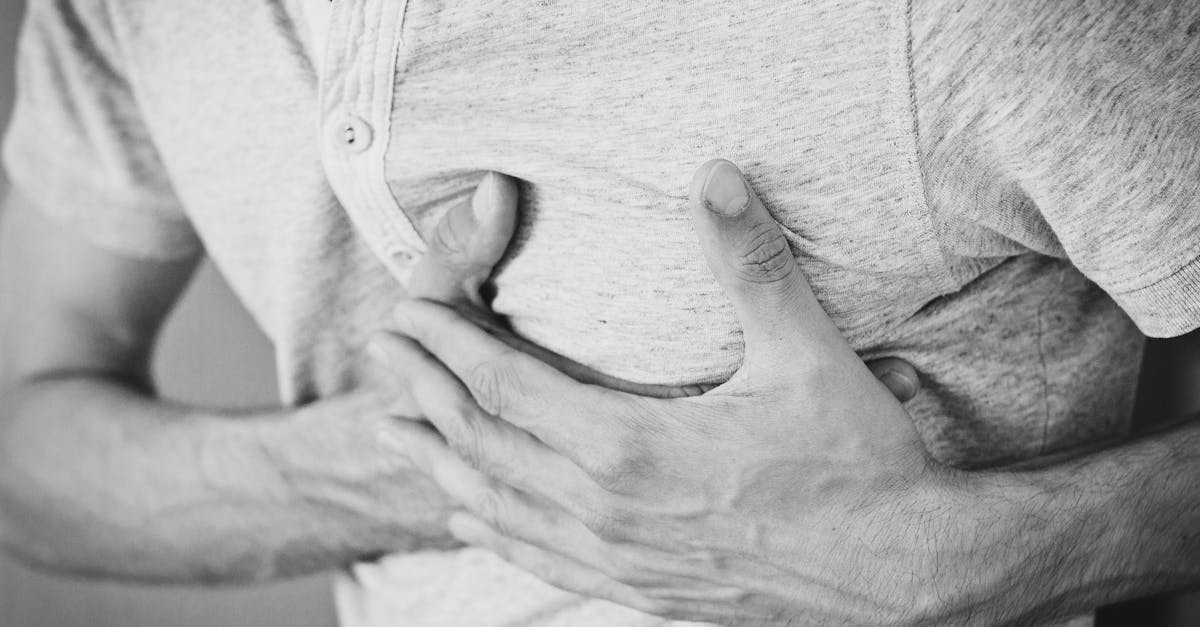
The hallmark symptom of gastroesophageal reflux disease is heartburn, clinically described as pyrosis. This presents as a burning discomfort originating behind the breastbone that frequently radiates upward toward the neck and throat. Heartburn usually occurs shortly after eating and is noticeably worsened by bending over or lying down.
Regurgitation is another classic symptom, characterized by the effortless return of sour or bitter tasting fluid into the back of the mouth. Patients often report water brash, which is the sudden pooling of excess saliva in the mouth, a reflexive response by the body attempting to produce bicarbonate to neutralize the acid in the esophagus.
8. Atypical and Extraesophageal Symptoms
Many patients present with atypical symptoms that do not immediately suggest a gastrointestinal origin, complicating the clinical diagnosis. The acid can travel high enough to irritate the larynx and upper airways. This can result in a chronic, dry cough that persists for months, frequent throat clearing, and noticeable hoarseness, especially in the morning.
In some cases, microscopic droplets of acid are inhaled into the lungs, triggering bronchospasm and causing symptoms that perfectly mimic adult onset asthma. Patients may also experience non cardiac chest pain, a sharp, squeezing pressure that can closely resemble a heart attack, necessitating prompt medical evaluation to rule out cardiovascular emergencies. For detailed insights on identifying digestive versus cardiac pain, patients often consult stomach pain resources.
9. Diagnostic Modalities
Diagnosis often begins with a clinical evaluation of typical symptoms and a trial of acid suppressing medication. If symptoms completely resolve, the diagnosis is confirmed. However, if symptoms persist, or if atypical or alarm symptoms are present, objective diagnostic testing is required. Upper endoscopy allows the physician to visually inspect the esophageal mucosa for signs of inflammation and rule out structural abnormalities.
If the endoscopy is visually normal but symptoms persist, ambulatory acid probe testing is the gold standard. A thin catheter containing an acid sensor is passed through the nose and positioned in the lower esophagus for twenty four hours. It records the exact frequency and duration of acid reflux episodes, correlating them with the patient’s symptom diary.
10. Pharmacological Acid Suppression
The pharmacological management of the disease focuses on reducing the acidity of the stomach contents, thereby preventing further chemical injury to the esophagus. Proton pump inhibitors are the most effective daily therapy. Medications such as omeprazole, lansoprazole, and pantoprazole block the final step of acid secretion in the stomach lining.
Histamine H2 receptor antagonists, such as famotidine, provide a secondary option. They act by blocking specific signals that command the stomach to produce acid. While less powerful than proton pump inhibitors, they are often used for milder cases or as a supplemental dose taken at night to control nocturnal acid breakthroughs.
11. Lifestyle Modifications
Medication alone is rarely sufficient without concurrent behavioral changes. Patients are instructed to elevate the head of their bed by six to eight inches using solid blocks. This utilizes gravity to keep acid in the stomach during sleep. Simply using extra pillows is ineffective and can actually increase abdominal pressure by bending the torso.
Weight loss is universally recommended for overweight patients, as it directly reduces the mechanical pressure on the stomach. Patients must wait at least three hours after their last meal before lying down or going to sleep, ensuring the stomach is relatively empty. Avoiding tight clothing around the waist also prevents external constriction of the abdomen.
12. Long Term Complications
If left uncontrolled, chronic exposure to gastric acid can lead to severe structural complications. The ongoing inflammation can cause the formation of strictures, which are bands of scar tissue that physically narrow the esophagus, leading to dysphagia, or difficulty swallowing solid foods.
A more concerning complication is Barrett’s esophagus, a condition where the normal squamous cells of the esophagus change into specialized columnar cells resembling the intestinal lining in response to chronic acid injury. This cellular transformation is a known precancerous state that significantly elevates the risk of developing esophageal adenocarcinoma, necessitating regular endoscopic surveillance.
13. Surgical Interventions
For patients who experience severe side effects from medications, those who do not wish to take lifelong pills, or those with large hiatal hernias, surgical intervention is a viable option. The standard surgical procedure is the laparoscopic Nissen fundoplication.
During this minimally invasive surgery, the upper portion of the stomach is wrapped entirely around the lower esophagus and stitched into place. This physically reinforces the lower esophageal sphincter, creating a robust, artificial valve that prevents the upward flow of acid while still allowing food to pass downward. Magnetic sphincter augmentation, using a ring of magnetic beads placed around the esophagus, is a modern alternative that provides similar mechanical reinforcement.
14. Disease Management and Prognosis
Gastroesophageal reflux disease is a chronic condition that requires long term management. While complete symptom resolution is achievable for the vast majority of patients, the underlying mechanical defect of the sphincter is rarely cured by medication alone. Discontinuing therapy often leads to a rapid relapse of symptoms.
Patients must view their treatment as a lifelong partnership with their healthcare provider. Regular follow up appointments are essential to step down medications to the lowest effective dose, monitor for potential long term side effects of acid suppression, and ensure that serious complications like Barrett’s esophagus have not developed.
15. Frequently Asked Questions FAQ
1. Are acid reflux and GERD the exact same thing?
Acid reflux is the physical action of stomach acid moving upward. GERD is the chronic, severe form of acid reflux that occurs frequently enough to cause persistent symptoms or tissue damage.
2. Can drinking water stop heartburn?
Drinking water can provide temporary relief by washing the acid back down into the stomach and diluting it slightly, but it does not address the underlying valve dysfunction or stop the acid from splashing back up again.
3. Why do I only get symptoms at night?
When you lie down, you lose the protective effect of gravity, making it easier for fluid to travel horizontally from the stomach into the esophagus. Saliva production also decreases during sleep, reducing the body’s natural acid neutralizing capacity.
4. Is it safe to take proton pump inhibitors for years?
While generally safe and effective, long term use of these medications requires medical supervision. They can potentially affect the absorption of certain nutrients like vitamin B12 and calcium, and your doctor will monitor for these issues.
5. Does milk help relieve the burning sensation?
Milk can temporarily buffer the acid and soothe the throat, but the fats and proteins in milk stimulate the stomach to produce a large amount of new acid, which frequently causes a worse rebound of symptoms shortly after drinking it.
16. Bibliography
Disclaimer: The content is for informational purposes only and does not replace medical advice. Always consult your doctor for personalized treatment.