1. Introduction
Relieving a deep aching pain in the groin requires identifying whether the source is a hip joint pathology, a muscular strain, or referred pain from a hernia, followed by targeted rest, physical therapy, and anti-inflammatory management. The groin is a complex anatomical junction where the abdomen meets the lower extremities, housing an intricate network of muscles, ligaments, and vital joint structures. Because numerous overlapping tissues converge in this tight space, pinpointing the exact origin of the ache is critical for selecting the correct therapeutic intervention.
A deep, aching quality to the pain strongly suggests involvement of the internal hip joint or a chronic tendinopathy rather than a superficial skin or nerve issue. This type of pain often presents as a dull, constant throb that may worsen with weight-bearing activities or specific twisting motions. It serves as a mechanical warning sign that the underlying connective tissues or joint cartilage are undergoing significant stress or degenerative changes.
Attempting to push through a deep groin ache usually exacerbates the underlying pathology. Effective relief demands a systematic clinical approach to decompress the irritated structures, reduce localized swelling, and restore normal biomechanical function to the pelvic region without causing further tissue damage.
2. Anatomy of the Groin and Hip Joint
To understand the mechanics of groin pain, one must visualize the underlying anatomy. The groin encompasses the region where the lower abdomen connects to the upper thigh. Deep within this region lies the acetabulofemoral joint, which is the primary ball and socket joint of the hip. The spherical head of the femur rests securely inside the acetabulum of the pelvis, cushioned by a thick layer of smooth articular cartilage.
Surrounding the hip joint is a dense capsule reinforced by some of the strongest ligaments in the human body. Overlying this structural core is a massive complex of musculature. The adductor muscles run down the inner thigh, pulling the leg toward the midline. The hip flexors, primarily the iliopsoas, cross directly over the front of the hip joint to lift the knee upward.
Any inflammatory process, microscopic tear, or mechanical friction within these deep layers will transmit a profound, aching sensation directly into the groin area.
3. Osteoarthritis of the Hip
Osteoarthritis is a leading cause of deep groin pain, particularly in older adults. This condition involves the progressive degradation of the articular cartilage protecting the femoral head and the acetabulum. As the cartilage wears away, the joint space narrows, and the underlying bones begin to grind against one another during movement.
The body responds to this structural degradation by forming irregular bone spurs and increasing the production of inflammatory joint fluid. This creates a state of chronic inflammation within the joint capsule. The hallmark symptom of hip osteoarthritis is a deep, stiff ache in the groin that is remarkably worse in the morning upon waking and slowly improves with gentle activity.
However, as the disease progresses, the ache becomes constant and can radiate down the front of the thigh toward the knee. Relief requires managing the inflammatory burden and reducing the mechanical load on the deteriorating cartilage.
4. Muscular Strains and Tendinopathy
The adductor muscles of the inner thigh and the iliopsoas muscle are frequently subjected to immense tension during athletic activities or sudden directional changes. If these muscles are forcefully stretched beyond their physiological capacity, microscopic tears occur within the muscle belly or at the tendon attachment site on the pelvis.
This acute injury, commonly known as a groin pull, initially presents with sharp pain. However, if the injury does not heal correctly, it transitions into chronic tendinopathy. Tendinopathy represents a degeneration of the collagen fibers within the tendon, leading to a persistent, deep aching sensation that flares up during physical exertion.
Treating tendinopathy requires a carefully structured protocol of eccentric strengthening to rebuild the damaged collagen matrix, as simple stretching often irritates the compromised tendon further.
5. Femoroacetabular Impingement
A structural anomaly known as femoroacetabular impingement is a frequent source of groin aching in younger, active individuals. This condition occurs when abnormal bone growths develop on either the femoral head or the rim of the acetabulum.
During deep flexion or internal rotation of the hip, such as when squatting or sitting in low chairs, these abnormal bony bumps physically collide. This mechanical collision painfully pinches the delicate soft tissues within the joint, generating a deep, aching discomfort in the anterior groin.
Over time, repeated impingement damages the surrounding structures, leading to chronic pain. For additional context on how sitting postures exacerbate this specific condition, reviewing hip pain sitting cross-legged provides detailed biomechanical insights.
6. Labral Tears and Mechanical Catching
The acetabular labrum is a thick ring of fibrocartilage that lines the rim of the hip socket, creating a tight suction seal that stabilizes the joint and retains lubricating fluid. The shear forces generated by femoroacetabular impingement or acute trauma can cause the labrum to tear.
Because the labrum is highly innervated with pain receptors, a tear produces a deep, persistent ache in the groin. Patients with a labral tear often report a distinct mechanical clicking, catching, or locking sensation deep within the joint when pivoting or changing directions.
The pain from a labral tear is often described as a C-sign, where the patient cups their hand around the side of their hip, with their fingers resting deep in the anterior groin, to indicate the exact location of the deep-seated discomfort.
7. Inguinal Hernias and Groin Aches
Not all groin pain originates from the musculoskeletal system. An inguinal hernia occurs when a portion of the intestine or abdominal fat pushes through a weakened spot in the lower abdominal wall, directly into the inguinal canal.
This condition frequently presents as a dull, heavy ache or a dragging sensation in the groin, which becomes distinctly worse after prolonged standing, heavy lifting, or straining. A visible bulge may appear in the groin area that often disappears when the patient lies flat on their back.
While a hernia can cause a deep ache that mimics a muscle strain, it requires evaluation by a general surgeon, as progressive hernias pose a risk of bowel strangulation and typically require surgical repair.
8. Referred Pain from the Lumbar Spine
The neurological pathways of the human body can create deceptive pain referral patterns. The nerves that supply sensation to the groin area originate in the upper lumbar spine. If a herniated disc, spinal stenosis, or an inflamed facet joint compresses the L1 or L2 nerve roots in the lower back, the brain may interpret this irritation as pain in the groin.
Referred pain of neurological origin often has a burning or electrical quality, but it can also present as a deep, intractable ache. A distinguishing feature of spinal referred pain is that it is often accompanied by lower back stiffness and is rarely worsened by direct palpation or movement of the hip joint itself.
9. Structured Data: Differentiating Causes of Groin Pain
The following table outlines the distinct clinical pathologies that cause deep groin pain to assist in accurate differentiation.
| Clinical Pathology | Primary Anatomical Source | Distinguishing Features |
|---|---|---|
| Hip Osteoarthritis | Articular cartilage wear | Profound morning stiffness, loss of internal rotation |
| Adductor Tendinopathy | Inner thigh tendons | Ache worsens with squeezing knees together, tender to touch |
| Femoroacetabular Impingement | Bony collision in joint | Pain with deep squats or prolonged sitting |
| Inguinal Hernia | Abdominal wall defect | Heavy, dragging ache, visible bulge with coughing |
| Lumbar Radiculopathy | Compressed spinal nerve | Ache accompanied by back pain, unaltered by hip movement |
10. Immediate Relief and Rest Protocols
The first step in relieving a deep groin ache is activity modification. The patient must completely avoid the specific movements and postures that trigger the pain. This period of relative rest allows the acute localized inflammation to subside and prevents further mechanical irritation of the joint capsule or tendons.
Applying cold packs to the groin area for fifteen to twenty minutes multiple times a day induces vasoconstriction. This process decreases the localized blood flow, which rapidly reduces swelling and numbs the superficial pain receptors.
For chronic, stiff aches associated with osteoarthritis, a warm compress may be more beneficial. Heat promotes vasodilation, increasing oxygen delivery to the fatigued tissues and relaxing the tense musculature surrounding the hip joint.
11. Pharmacological Management
To manage the chemical pain signals associated with joint or tendon inflammation, pharmacological intervention is often necessary. Over the counter nonsteroidal anti-inflammatory drugs, such as ibuprofen or naproxen, specifically target and inhibit the enzymes responsible for synthesizing inflammatory prostaglandins.
By suppressing this inflammatory cascade, these medications provide significant relief from the deep aching sensation. However, they should be used in conjunction with mechanical rest, as merely masking the pain and continuing strenuous activity will worsen the underlying tissue damage.
If the pain is primarily muscular, a physician may prescribe a short course of muscle relaxants to break the cycle of ischemic muscle spasm that often accompanies hip pathology.
12. Physical Therapy and Mobility Restoration
Physical therapy is the cornerstone of conservative management for groin pain. A physical therapist will perform a comprehensive biomechanical assessment to identify muscular imbalances, such as weak gluteal muscles or tight hip flexors, that are placing abnormal stress on the groin.
The therapeutic protocol will include targeted strengthening exercises to stabilize the pelvis and restore precise neuromuscular control to the hip joint. By improving the strength of the external rotators and the core musculature, the mechanical load is lifted off the overworked adductor tendons and the anterior joint capsule.
Manual therapy, including joint mobilizations and deep tissue massage, is utilized to restore the normal fluid glide of the hip joint and break down fibrotic fascial restrictions that contribute to the chronic aching sensation.
13. Corticosteroid and Joint Injections
When severe, intractable pain persists despite rest and physical therapy, a physician may offer a localized joint injection. Using ultrasound or fluoroscopic guidance, the physician directs a needle precisely into the hip joint capsule or the inflamed bursa.
A concentrated dose of corticosteroid mixed with a local anesthetic is injected directly into the irritated space. The anesthetic provides immediate diagnostic confirmation, verifying that the joint is indeed the source of the pain. The corticosteroid then works over several weeks to forcefully suppress the deep synovial inflammation.
This intervention often provides profound relief, breaking the pain cycle and allowing the patient to actively participate in their required physical therapy exercises.
14. Surgical Considerations
Surgical intervention is considered when structural joint damage is identified and conservative measures have failed to provide adequate relief. For patients with femoroacetabular impingement or a torn labrum, hip arthroscopy is a highly effective, minimally invasive procedure.
The surgeon uses specialized instruments to shave down the abnormal bony bumps causing the impingement and carefully repairs or debrides the torn labral tissue. This physically removes the mechanical obstruction, eliminating the collisions that generate the groin ache.
In older patients with end-stage osteoarthritis where the cartilage is completely obliterated, a total hip arthroplasty, or hip replacement, is the definitive surgical cure. This procedure replaces the damaged bone with prosthetic components, completely eradicating the arthritic pain and restoring full joint mobility.
15. When to Seek Medical Evaluation
While mild muscular groin aches can be managed conservatively, certain symptoms demand prompt medical evaluation. A patient must seek immediate care if the groin pain is accompanied by a sudden inability to bear weight on the leg, as this indicates a potential femoral neck fracture or an acute vascular event within the bone.
Urgent medical attention is also required if the groin ache is accompanied by a high fever, severe chills, or localized redness and heat. These are critical signs of a septic joint, a dangerous bacterial infection within the hip capsule that constitutes an absolute medical emergency.
Furthermore, if the groin ache is accompanied by blood in the urine, severe testicular pain, or a rapidly enlarging abdominal bulge, a comprehensive medical workup is mandatory to rule out kidney stones, testicular torsion, or an incarcerated hernia.
16. Frequently Asked Questions (FAQ)
1. Can a tight psoas muscle cause a deep groin ache?
Yes. The psoas is a deep hip flexor muscle that crosses the anterior hip joint. If it becomes chronically tight or in spasm, it can compress the underlying bursa and generate a severe, continuous ache deep within the groin.
2. Will stretching help relieve my groin pain?
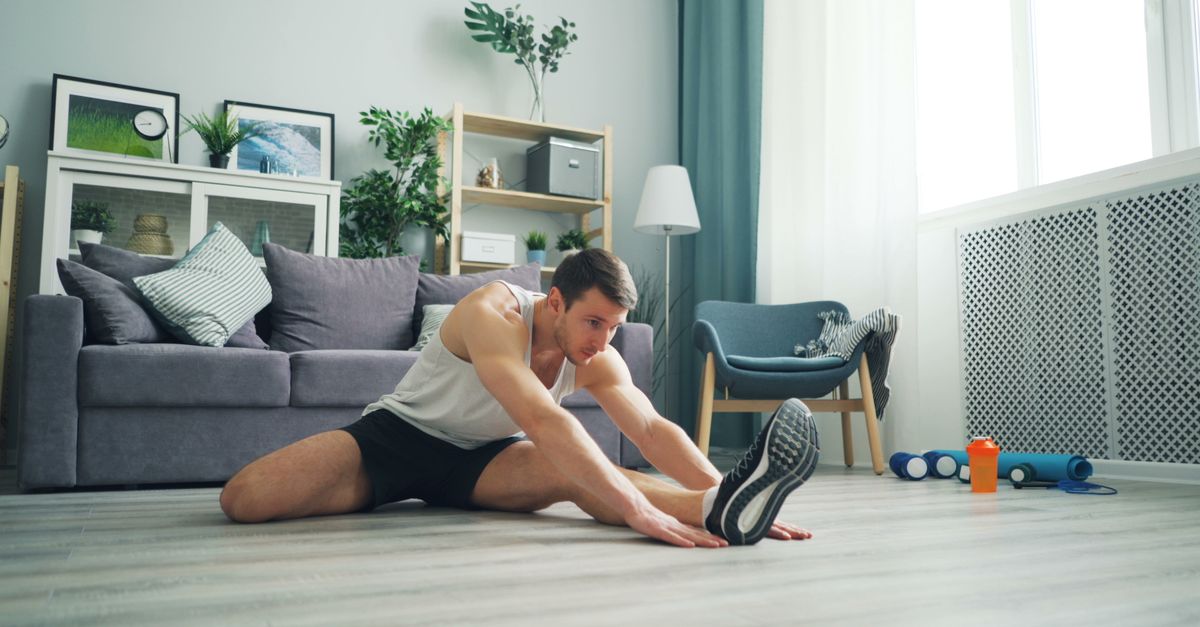
If the pain is caused by a mild muscle strain, gentle stretching may help. However, if the pain originates from a labral tear or impingement, aggressive stretching will forcefully pinch the damaged tissues and significantly worsen the ache.
3. Can dehydration cause aching in the groin muscles?
Severe systemic dehydration can lead to electrolyte imbalances, which may trigger localized muscle cramps or spasms in the large muscles of the thigh and groin, resulting in a persistent, tight ache.
4. How long does a groin strain take to heal?
A mild muscular groin strain typically requires two to four weeks of relative rest and progressive rehabilitation. Chronic tendinopathy can take several months of dedicated eccentric strengthening to fully resolve.
5. Does sitting for long periods make groin pain worse?
Yes, prolonged sitting places the hip in deep flexion, which shortens the hip flexor muscles and increases the compressive forces on the anterior joint capsule, frequently exacerbating the pain of impingement or arthritis.
Bibliography
Disclaimer: The content is for informational purposes only and does not replace medical advice. Always consult your doctor for personalized treatment.