
1. Introduction
Healthcare-associated infectious diseases, historically referred to as nosocomial infections, are infections that patients acquire while receiving medical treatment in a healthcare facility. These infections are a major public health crisis, complicating existing medical conditions, significantly extending hospital stays, and serving as a leading cause of preventable morbidity and mortality worldwide.
The clinical environment is inherently fraught with risk. Hospitals concentrate highly vulnerable, immunocompromised patients in close proximity to a dense population of virulent, often antibiotic-resistant microorganisms. Furthermore, modern medical care frequently bypasses the body’s natural defensive barriers through the use of invasive devices such as intravenous lines, urinary catheters, and mechanical ventilators.
Addressing this formidable challenge requires a comprehensive, institutional commitment to strict infection control protocols. Eradicating healthcare-associated infections is not entirely possible, but robust surveillance, rigorous hand hygiene, and antimicrobial stewardship can drastically reduce transmission rates and protect vulnerable patient populations.
2. Definition and Scope
By clinical definition, a healthcare-associated infection is one that presents at least forty-eight hours after admission to a hospital or healthcare facility, provided the infection was not incubating at the time of admission. This definition also encompasses infections that appear after the patient is discharged, such as a surgical site infection developing weeks after an operation.
The scope of the problem extends beyond traditional hospitals. These infections frequently occur in outpatient surgical centers, dialysis clinics, and long-term care facilities. The shifting of complex medical care to ambulatory settings has brought the risk of healthcare-associated infections into the broader community.
The economic burden associated with these diseases is massive. Prolonged hospitalizations, the necessity for expensive, broad-spectrum antibiotics, and the requirement for intensive care unit management consume vast amounts of healthcare resources, emphasizing the critical need for aggressive preventative strategies.
3. Chain of Infection
Understanding how these diseases spread requires analyzing the chain of infection. This chain consists of a pathogen, a reservoir, a portal of exit, a mode of transmission, a portal of entry, and a susceptible host. Breaking any single link in this chain prevents the transmission of the disease.
The reservoir is where the pathogen lives and multiplies. In a hospital, reservoirs include infected patients, healthcare workers acting as asymptomatic carriers, and contaminated environmental surfaces, such as bed rails, medical equipment, and water systems.
Transmission occurs primarily through contact. Direct contact involves the physical transfer of microorganisms from an infected person to a susceptible host. Indirect contact, which is exceedingly common, involves an intermediate object. A healthcare worker may touch a contaminated surface and then touch a vulnerable patient, transferring the pathogen via their hands.
4. Common Bacterial Pathogens
The microbiological landscape of a hospital is dominated by highly adaptive bacterial species. Staphylococcus aureus is a primary offender, frequently causing surgical site infections and bloodstream infections. The methicillin-resistant strain, known as MRSA, is particularly dangerous due to its resistance to standard beta-lactam antibiotics.
Clostridioides difficile, or C. diff, is a spore-forming bacterium that causes severe, life-threatening diarrhea and colitis. It is unique because it thrives when a patient normal gut flora is destroyed by broad-spectrum antibiotics. Its spores are highly resilient, surviving for months on environmental surfaces and resisting standard alcohol-based hand sanitizers.
Gram-negative bacteria, including Pseudomonas aeruginosa, Acinetobacter baumannii, and Klebsiella pneumoniae, are notorious for causing ventilator-associated pneumonias and severe urinary tract infections. These organisms are formidable due to their ability to rapidly acquire and share antibiotic resistance genes.
5. Antimicrobial Resistance
The most alarming aspect of healthcare-associated infections is the high prevalence of antimicrobial resistance. The intense, continuous use of antibiotics in hospitals creates immense evolutionary pressure on bacterial populations. Susceptible bacteria are killed, leaving only the mutated, resistant strains to survive and multiply.
This phenomenon has led to the rise of multidrug-resistant organisms, frequently referred to as “superbugs.” Examples include carbapenem-resistant Enterobacteriaceae and vancomycin-resistant Enterococci. These pathogens are resistant to almost all available classes of antibiotics, leaving clinicians with severely limited and often highly toxic therapeutic options.
Antimicrobial stewardship programs are essential to combat this crisis. These programs mandate the judicious use of antibiotics, ensuring that patients receive the correct drug, at the correct dose, for the shortest effective duration, thereby minimizing the evolutionary pressure that breeds resistance.
6. Catheter-Associated Urinary Tract Infections
Catheter-associated urinary tract infections are among the most common healthcare-associated infections. They occur when an indwelling Foley catheter is placed into the bladder, providing a direct highway for bacteria to bypass the natural defenses of the urethra.
Bacteria, often from the patient own gastrointestinal tract, migrate along the outside or inside of the catheter tubing into the sterile bladder. Once inside, they form biofilms—dense, protective communities of bacteria that firmly attach to the plastic surface of the catheter, rendering them highly resistant to both the immune system and circulating antibiotics.
Prevention relies strictly on reducing catheter use. Catheters should only be inserted for explicit medical indications, such as acute urinary retention or strict output monitoring in critically ill patients, and they must be removed the absolute moment they are no longer clinically necessary.
7. Central Line-Associated Bloodstream Infections
Central venous catheters are large intravenous lines inserted deep into major veins to deliver life-saving medications, nutrition, or fluids. However, they breach the protective barrier of the skin, creating a direct conduit for pathogens to enter the central circulatory system.
A central line-associated bloodstream infection is a catastrophic event with a high mortality rate. Bacteria migrate down the outside of the catheter from the skin insertion site or are introduced directly into the hub of the catheter when medical staff connect syringes or intravenous tubing.
Preventing these infections requires strict adherence to maximal sterile barrier precautions during insertion, utilizing full surgical gowns, sterile drapes, and chlorohexidine skin preparation. Daily assessment of the line necessity is mandatory, and the line must be meticulously maintained using sterile techniques during every access.
8. Surgical Site Infections
Surgical site infections occur after an operative procedure, affecting the superficial incision, the deep soft tissues, or the underlying organs and spaces manipulated during surgery. These infections complicate recovery, frequently requiring return trips to the operating room for surgical washout and delayed wound closure.
The risk of a surgical site infection is influenced by patient factors, such as underlying diabetes or obesity, and procedural factors, such as the duration of the surgery and the sterility of the operating environment. Contamination typically occurs at the time of the incision from the patient own skin flora or from the operating room environment.
Prevention protocols include administering prophylactic intravenous antibiotics immediately prior to the surgical incision to ensure high tissue concentrations during the procedure. Meticulous surgical technique, tight control of blood glucose levels, and maintaining normal patient body temperature during surgery also drastically reduce infection rates.
9. Ventilator-Associated Pneumonia
Patients suffering from severe respiratory failure require endotracheal intubation and mechanical ventilation. This life-saving intervention bypasses the natural filtration mechanisms of the upper airway, leaving the lungs vulnerable to bacterial invasion.
Ventilator-associated pneumonia occurs when bacteria colonize the endotracheal tube and are subsequently microaspirated deep into the lungs. The bacteria can originate from the patient’s own oral cavity or stomach, or they can be introduced via contaminated respiratory equipment or the hands of healthcare workers.
Preventative measures form a structured “ventilator bundle.” This includes keeping the head of the patient bed elevated to thirty to forty-five degrees to prevent the aspiration of stomach contents, performing rigorous oral care with chlorhexidine solutions, and assessing the patient daily for their readiness to be removed from the ventilator.
10. Environmental Transmission
The physical environment of the healthcare facility plays a massive role in the chain of infection. Multidrug-resistant organisms can survive for extended periods on dry, inanimate surfaces, such as bed rails, call buttons, and mobile medical equipment like blood pressure cuffs and ultrasound machines.
If a room is not adequately decontaminated after an infected patient is discharged, the subsequent occupant is at a highly elevated risk of acquiring that specific pathogen. Furthermore, medical staff moving from room to room can easily pick up these pathogens on their hands or clothing.
Rigorous environmental cleaning protocols, utilizing hospital-grade disinfectants and emerging technologies like ultraviolet light room sterilization systems, are vital components of interrupting indirect contact transmission.
11. Hand Hygiene and Standard Precautions
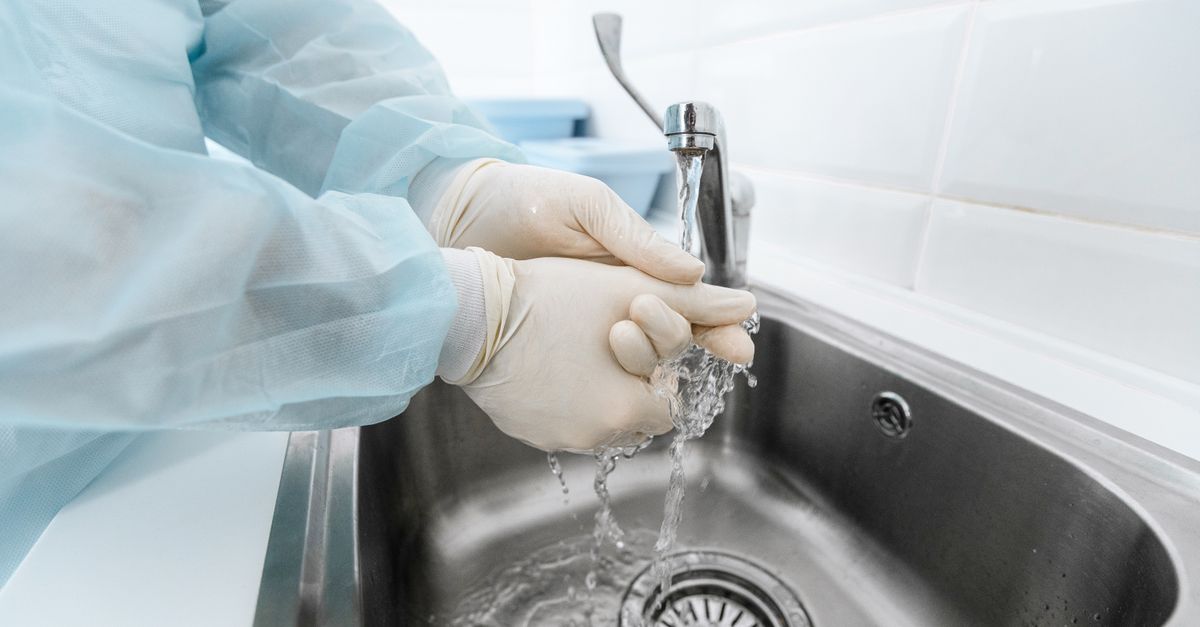
Hand hygiene remains the single most effective intervention for preventing the transmission of healthcare-associated infections. Despite its simplicity, maintaining high compliance rates among busy medical personnel is a persistent challenge.
Healthcare workers must perform hand hygiene using alcohol-based hand rubs or soap and water before touching a patient, before clean or aseptic procedures, after body fluid exposure risk, after touching a patient, and after touching patient surroundings.
Standard precautions dictate that all blood, body fluids, secretions, and non-intact skin are treated as potentially infectious. This requires the appropriate use of personal protective equipment, such as gloves, gowns, and masks, based on the anticipated exposure during any clinical interaction.
12. Isolation Protocols
When a patient is identified as being infected or colonized with a highly transmissible or multidrug-resistant organism, they are placed in transmission-based precautions, commonly referred to as isolation.
Contact precautions are utilized for pathogens spread by direct or indirect touch, such as MRSA or C. diff. Anyone entering the room must wear a gown and gloves, which are discarded immediately upon exiting.
Droplet precautions are for pathogens spread through large respiratory secretions, like influenza, requiring a surgical mask. Airborne precautions are reserved for pathogens that remain suspended in the air over long distances, such as tuberculosis, requiring the patient to be placed in a negative pressure room and staff to wear fitted N95 respirators.
13. Diagnostic Testing
Rapid and accurate microbiological diagnosis is crucial for managing these infections and implementing the correct isolation protocols. Clinical laboratories utilize advanced techniques to identify pathogens and determine their susceptibility to specific antibiotics.
Blood cultures, urine cultures, and wound swabs are standard diagnostic tools. Modern molecular techniques, such as polymerase chain reaction testing, can identify specific bacterial DNA or resistance genes within hours, rather than the days required for traditional bacterial culture growth.
Early identification allows the clinical team to narrow down broad-spectrum antibiotics to targeted, specific therapies, which is the cornerstone of antimicrobial stewardship and the fight against rising resistance rates.
14. Empirical and Targeted Antimicrobial Therapy
When a patient develops a suspected healthcare-associated infection, they are initially treated with empirical antimicrobial therapy. This involves the immediate administration of broad-spectrum antibiotics designed to cover the most likely, most dangerous pathogens based on the local hospital resistance patterns.
For example, a patient developing bacterial pneumonia while on a ventilator will receive potent antibiotics targeting both severe Gram-negative rods and MRSA.
Once the laboratory identifies the specific organism and its antibiotic susceptibility profile, the therapy is immediately de-escalated. The broad-spectrum drugs are discontinued, and a targeted, narrow-spectrum antibiotic is prescribed. This focused approach cures the infection while minimizing collateral damage to the patient normal microbiome.
15. Summary of Infection Control
The management and prevention of these infections require strict adherence to structured clinical guidelines. The table below outlines the primary interventions targeted at the most common device-associated infections.
| Infection Type | Primary Preventative Interventions |
|---|---|
| Central Line Bloodstream Infection | Maximal sterile barrier insertion, daily line necessity assessment |
| Catheter Urinary Tract Infection | Aseptic insertion technique, prompt removal when no longer indicated |
| Surgical Site Infection | Pre-operative prophylactic antibiotics, strict sterile technique |
| Ventilator-Associated Pneumonia | Elevated head of bed, rigorous daily oral care protocols |
A culture of clinical vigilance, where every member of the healthcare team is empowered to enforce hygiene standards, is the ultimate defense against the spread of these dangerous pathogens.
16. Frequently Asked Questions (FAQ)
1. Why do people get infections in hospitals if everything is supposed to be clean?
Hospitals are filled with sick people who harbor strong bacteria, and many patients have weakened immune systems. Additionally, medical procedures like inserting IV lines or breathing tubes bypass the skin’s natural defenses, allowing bacteria an easy path into the body.
2. What is MRSA and why is it so dangerous?
MRSA stands for Methicillin-resistant Staphylococcus aureus. It is a type of staph bacteria that has genetically adapted to become resistant to the standard antibiotics normally used to treat it, making infections very difficult to cure and potentially lethal.
3. Why do nurses and doctors wear gowns and gloves just to talk to some patients?
If a patient is carrying a highly contagious or antibiotic-resistant bacteria, staff wear gowns and gloves to prevent the bacteria from transferring onto their clothing or hands. This stops them from accidentally carrying the bug to the next vulnerable patient they treat.
4. Is hand sanitizer better than washing hands with soap and water?
For routine clinical care, alcohol-based hand sanitizer is faster and highly effective at killing most bacteria. However, it does not kill the spores of certain dangerous bacteria like C. diff. If a patient has C. diff, or if hands are visibly dirty, soap and water must be used.
5. How can I protect myself or a family member in the hospital?
The most important thing you can do is insist that every single person who enters the room, including doctors and nurses, sanitizes or washes their hands in front of you before touching the patient. Also, ask daily if medical devices like urinary catheters are still necessary.
17. Bibliography
Disclaimer: The content is for informational purposes only and does not replace medical advice. Always consult your doctor for personalized treatment.
