1. Introduction
The sensation of profound heaviness and fatigue in the legs after standing motionless in a line for an hour is a direct physiological consequence of severe venous pooling and the deactivation of the calf muscle pump. The human cardiovascular system relies heavily on the physical movement of the skeletal muscles to return blood from the lower extremities back to the heart against the overwhelming force of gravity. When an individual stands entirely still, this critical muscular pump shuts down, allowing deoxygenated blood and metabolic waste products to stagnate in the deep veins of the legs.
Simultaneously, the postural muscles of the back, hips, and calves are forced into a continuous state of isometric contraction to maintain upright balance. This unyielding muscular tension physically crushes the local capillary beds, further starving the tissues of oxygen. The combination of vascular congestion and muscular ischemia creates a highly toxic microscopic environment, resulting in localized inflammation and interstitial fluid leakage.
Understanding the sophisticated hemodynamics of the lower body illuminates why static standing is arguably one of the most physically damaging postures for human anatomy. The feeling that the legs have turned to lead is not an illusion; it is the physical perception of the tissues becoming engorged with trapped fluid and starved of cellular energy, necessitating immediate mechanical movement to restore circulatory equilibrium.
2. Venous Return and Valvular Anatomy
The circulatory system in the legs faces a massive physical challenge: it must push heavy, fluid blood upward against a significant gravitational column. Arterial blood reaches the feet easily because it is pumped under high pressure by the heart and aided by gravity. However, the venous system, which returns blood to the heart, operates under very low pressure.
To prevent blood from simply falling back down into the feet, the veins in the legs are equipped with a series of delicate, one-way bicuspid valves. These valves act like biological trapdoors. They open to allow blood to flow upward and immediately snap shut to catch the blood before gravity can pull it backward.
These valves are completely passive structures. They do not possess the ability to pump blood on their own; they strictly rely on external mechanical compression to squeeze the vein and propel the blood through the next valve in the sequence.
3. The Calf Muscle Pump Mechanism
The primary mechanism for generating this external compression is the calf muscle pump, frequently referred to in clinical medicine as the “second heart.” The deep veins of the lower leg are anatomically embedded deep within the muscle bellies of the gastrocnemius and soleus muscles.
During normal dynamic activities, such as walking, the calf muscles contract rhythmically with every foot strike. As the muscle shortens and thickens, it violently squeezes the deep veins, forcing the blood forcefully upward through the open valves. When the muscle relaxes, the valves shut, and the vein refills from the capillary beds below.
Standing absolutely still in a line completely deactivates this second heart. Without the rhythmic squeezing of the calf muscles, the entire burden of venous return falls upon the weak, residual pressure of the capillary beds, which is vastly insufficient to overcome the gravitational pull over an extended period.
4. Hydrostatic Pressure and Gravity
When the calf pump is inactive, blood immediately begins to pool in the lower extremities, stacking up against the closed venous valves. This unbroken column of stagnant fluid generates immense hydrostatic pressure at the lowest points of the body, particularly around the ankles and the feet.
This mounting internal pressure physically stretches the walls of the superficial and deep veins. The veins become engorged and distended. Prolonged exposure to high hydrostatic pressure over many years is the primary cause of valvular failure, leading to the development of chronic varicose veins.
In the acute setting of standing for an hour, this sudden, intense venous engorgement creates a deep, throbbing pressure within the leg. The vascular system is structurally overwhelmed, and the physical weight of the trapped blood contributes directly to the subjective sensation of having lead weights attached to the limbs.
5. Interstitial Edema and Heavy Sensation
The high hydrostatic pressure trapped in the veins exerts a secondary, catastrophic effect on the surrounding tissues. The pressure acts like a hydraulic press, physically forcing blood plasma—the watery component of the blood—to leak out through the semi-permeable walls of the microscopic capillaries.
This escaped fluid floods into the interstitial space, the microscopic areas between the muscle cells and the skin. This fluid shifting is clinically known as dependent edema. The lower legs visibly swell, and the skin pulls tight across the shin and ankle.
Because this fluid is highly saturated with metabolic waste products like carbon dioxide, its presence outside the blood vessels is highly irritating to the surrounding sensory nerves. The physical inflation of the tissue combined with this chemical irritation is the exact mechanism that translates into the aching, exhausting heaviness perceived by the brain.
6. Isometric Muscle Contraction and Fatigue
While the heart struggles with the blood flow, the skeletal muscles are fighting their own battle against gravity. Even when standing perfectly still, the body is naturally unstable. To prevent falling over, the postural muscles of the calves, thighs, and lower back must engage in continuous isometric contractions.
An isometric contraction means the muscle fibers are firing and generating tension without changing length. This static, unyielding tension physically clamps down on the blood vessels running through the muscle belly, severely restricting the influx of fresh, oxygenated arterial blood.
The postural muscles are forced to produce energy anaerobically. Without oxygen, they rapidly deplete their adenosine triphosphate reserves and accumulate lactic acid. This localized acidosis leads to profound muscular fatigue, causing the legs to feel weak and shaky as the motor units begin to fail under the continuous strain.
7. Lactic Acid and Metabolic Stasis
The combination of isometric muscular exhaustion and venous pooling creates a highly toxic metabolic environment within the lower leg. The lactic acid and free hydrogen ions produced by the struggling postural muscles cannot be washed away because the venous return system is effectively paralyzed.
This metabolic stasis means the acidic waste products linger precisely where they are produced. The drop in tissue pH severely impairs the function of the enzymes required for continued muscle contraction.
The sensory nerve endings embedded in the calf and thigh muscles interpret this acidic chemical burn as a deep, radiating fatigue. The brain is flooded with signals warning that the cellular environment is becoming hostile, generating an overwhelming psychological and physical urge to sit down and relieve the structural load.
8. Table: Standing vs. Walking Biomechanics
The following table contrasts the physiological states of the lower limbs during static standing versus dynamic walking.
| Physiological Metric | Static Standing (In Line) | Dynamic Walking |
|---|---|---|
| Calf Muscle Pump | Inactive, no mechanical compression | Highly active, rhythmic pumping |
| Venous Blood Flow | Stagnant, severe pooling in lower legs | Efficient, rapid return to the heart |
| Muscle Contraction Type | Isometric (static, unyielding tension) | Concentric/Eccentric (loading and releasing) |
| Tissue Hydration | High hydrostatic pressure causes edema | Fluid continuously circulated and cleared |
9. Articular Cartilage Compression
The discomfort of prolonged standing extends beyond the vascular and muscular systems; it heavily impacts the joint structures. The hip, knee, and ankle joints are lined with articular cartilage, a smooth, avascular tissue that relies entirely on the intermittent squeezing of movement to absorb nutrients from the surrounding synovial fluid.
Standing still locks the joints into a fixed position. The entire weight of the body compresses the cartilage at exact, unchanging contact points. This constant, static pressure squeezes the lubricating fluid out of the cartilage matrix, leaving it dehydrated and compressed.
Without the cyclical loading and unloading provided by walking, the cartilage cells are starved of oxygen and nutrients. This structural compression translates into a deep, stiff ache within the joints themselves, making the initial movement after leaving the line feel rusty and painful.
10. Postural Sway and Proprioceptive Effort
The human body is an inverted pendulum that is inherently unstable. To remain upright, the central nervous system must constantly monitor shifts in the center of gravity and make microscopic muscular adjustments. This subtle, continuous movement is known as postural sway.
The proprioceptive sensors in the feet and ankles are bombarded with continuous data, and the intrinsic muscles of the foot must fire rapidly and asynchronously to maintain balance. This requires immense neurological processing and sustained muscular endurance.
Over the course of an hour, this relentless micro-balancing act exhausts the small stabilizing muscles of the lower leg. This fatigue often travels up the kinetic chain, causing secondary aching in the gluteal muscles and lumbar spine. Patients frequently experience this upward radiation of fatigue, commonly researching lower back ache to understand the postural connection.
11. The Impact of Footwear Geometry
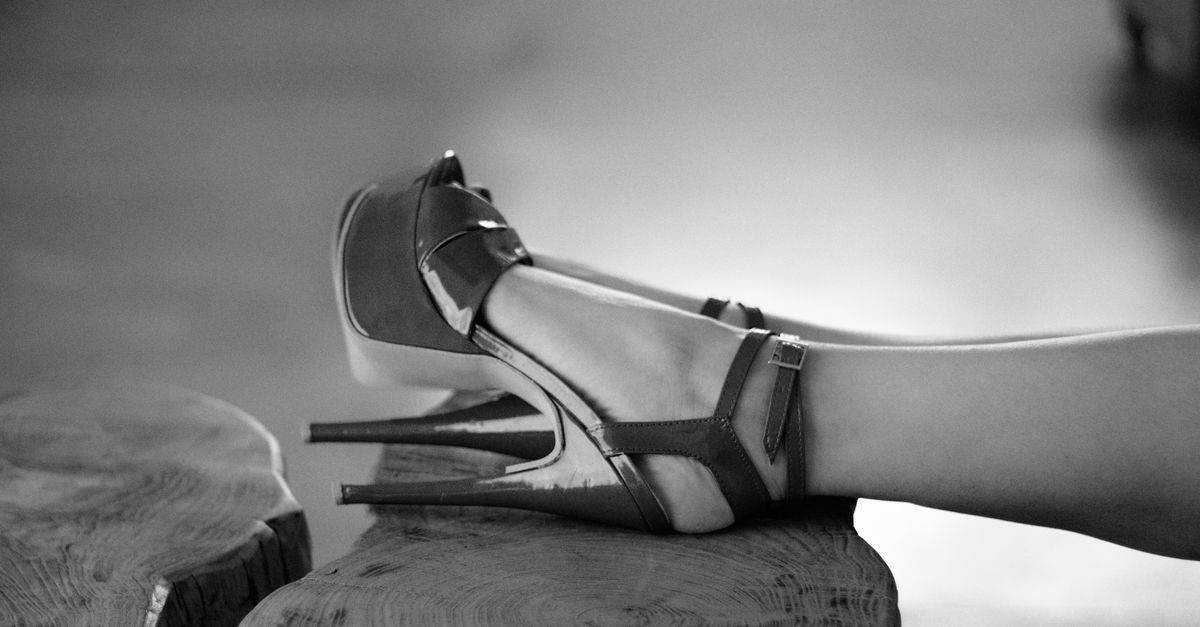
The architecture of the footwear worn while standing drastically dictates the severity of the fatigue. Shoes with elevated heels forcefully lock the calf muscles in a shortened, contracted state, rapidly accelerating ischemic fatigue. Furthermore, a high heel shifts the body’s center of gravity forward, forcing the lower back and quadriceps to overwork to prevent falling.
Conversely, shoes with entirely flat, unyielding soles provide zero shock absorption. The rigid ground reaction forces are transmitted directly into the metatarsal bones of the foot, crushing the protective fat pads and sending dull, aching pain up through the shins.
Optimal footwear for prolonged standing features a mild heel drop to maintain neutral Achilles tension and a robust, supportive midsole that distributes the gravitational load evenly across the entire surface area of the plantar fascia.
12. Ergonomic Interventions and Relief
Mitigating the heavy sensation requires active interventions to reactivate the cardiovascular pump. While standing in line, individuals must perform deliberate mechanical maneuvers. Repeatedly rising onto the toes and lowering back down forcefully engages the calf muscles, artificially pumping the pooled blood upward and breaking the hydrostatic pressure column.
Shifting body weight from one leg to the other every few minutes alters the compressive load on the articular cartilage and gives the postural muscles on the unloaded side a brief window to receive oxygenated blood and clear lactic acid.
Wearing graduated compression socks is a powerful clinical intervention for individuals required to stand frequently. These garments apply tight external pressure to the lower leg, physically narrowing the diameter of the superficial veins and preventing the blood from pooling and leaking into the interstitial spaces.
13. Frequently Asked Questions (FAQ)
1. Is it normal for my ankles to look swollen after standing for a long time?
Yes, mild swelling around the ankles is a normal physiological response to gravity and venous pooling. The hydrostatic pressure forces water out of your blood and into the tissue. The swelling should resolve quickly once you elevate your legs.
2. Why is walking for an hour so much easier than standing still for an hour?
Walking uses dynamic muscle contractions that actively pump blood back to your heart and circulate joint fluid. Standing still relies on static muscle tension that cuts off blood flow and traps acidic waste in the tissues.
3. Will locking my knees help me stand longer without getting tired?
No, locking your knees is highly detrimental. It transfers the entire weight of your body directly onto the passive joint ligaments rather than the muscles, which can cause severe joint strain and increases the risk of fainting due to reduced blood return to the brain.
4. Can standing for long periods cause permanent vein damage?
Chronic, daily exposure to prolonged standing without compression garments significantly increases the risk of the venous valves failing. Over years, this sustained high pressure can lead to the permanent development of varicose veins.
5. How quickly do the muscles recover once I sit down?
Once you sit down and elevate your legs, gravity assists the venous return. Fresh arterial blood rushes in to flush out the lactic acid, and the heavy, aching sensation typically resolves within ten to fifteen minutes of rest.
14. Bibliography
Disclaimer: The content is for informational purposes only and does not replace medical advice. Always consult your doctor for personalized treatment.