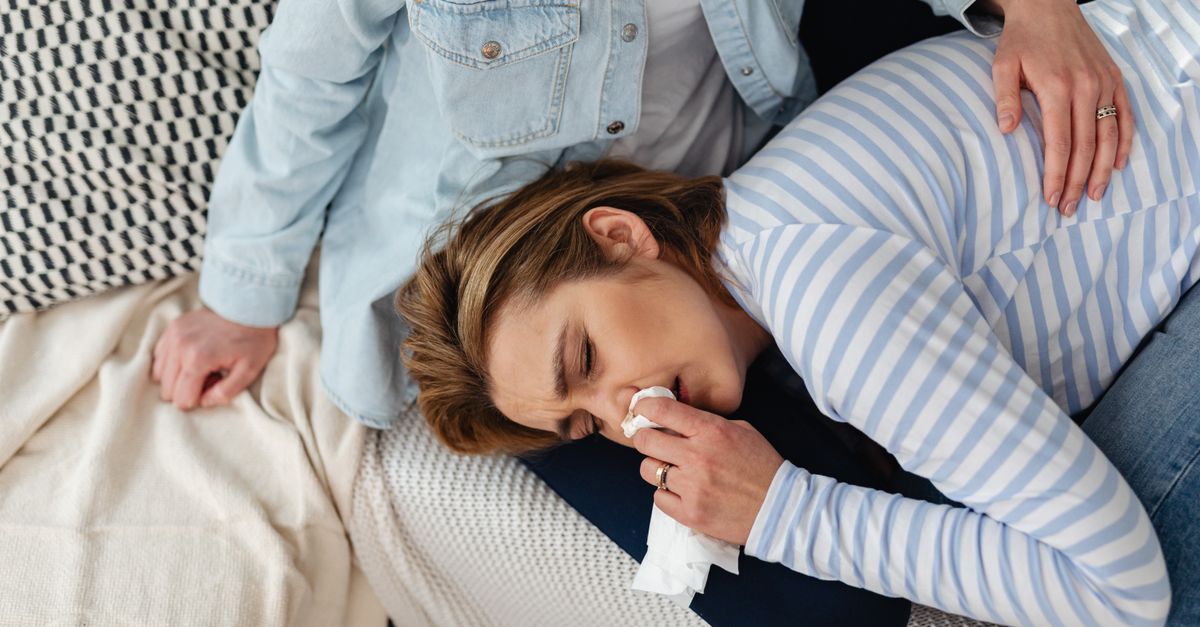
1. Introduction to Social Buffering
Receiving help from a friend during a period of illness or psychological distress is far more than a simple logistical convenience; it is a profound biological intervention. In clinical medicine and psychoneuroimmunology, the presence of robust social support is recognized as a primary determinant of health outcomes. The human nervous system is inherently social, wired to seek interpersonal connection as a mechanism for survival and physiological regulation.
When a patient receives tangible or emotional help from a trusted peer, the brain undergoes measurable neurochemical shifts. This interaction downregulates the autonomic stress response, lowering circulating levels of cortisol and adrenaline. This phenomenon, known as social buffering, directly protects the cardiovascular and immune systems from the toxic effects of chronic stress.
Healthcare providers actively evaluate a patient social network, recognizing that isolation significantly increases morbidity and mortality. By understanding the biological mechanics of friendship and informal care, clinicians can better support patients in leveraging these relationships to accelerate healing and build profound psychological resilience.
2. The Neurobiology of Friendship and Oxytocin
The biological power of receiving help is mediated heavily by the neuropeptide oxytocin, often referred to as the bonding hormone. Oxytocin is synthesized in the hypothalamus and released into the bloodstream during positive, trusting social interactions. When a friend provides comfort, active listening, or physical assistance, the patient brain receives a surge of this neurochemical.
Oxytocin functions as a powerful antagonist to the body stress response. It acts directly on the amygdala, reducing the neurological perception of fear and anxiety. Furthermore, it promotes the activity of the parasympathetic nervous system, inducing a state of physiological calm, lowering the resting heart rate, and stabilizing blood pressure.
This neurobiological shift is critical during a medical crisis. By suppressing the panic response, the presence of a friend allows the patient prefrontal cortex to remain engaged, facilitating clear, rational decision-making regarding their healthcare and treatment options.
3. Modulating the Hypothalamic-Pituitary-Adrenal Axis
A severe medical diagnosis or chronic illness acts as a massive stressor, chronically activating the hypothalamic-pituitary-adrenal axis. This continuous activation leads to a high allostatic load, saturating the body with cortisol. While acute cortisol release is protective, chronic hypercortisolemia is highly destructive, degrading vascular endothelium and suppressing cellular repair mechanisms.
Receiving help from a friend provides a structural barrier against this chronic activation. Knowing that logistical support—such as transportation to a clinic or assistance with household chores—is secured immediately reduces the psychological burden on the patient.
This reduction in perceived threat directly quiets the HPA axis. Clinical studies consistently demonstrate that patients with strong social support exhibit significantly lower baseline cortisol levels, providing their bodies with a biochemically optimized environment for combating disease and healing injured tissue.
4. Cardiovascular Benefits of Social Support
The cardiovascular system is remarkably sensitive to the presence of social support. Chronic isolation and loneliness are recognized as independent risk factors for coronary artery disease and acute myocardial infarction, carrying a mortality risk equivalent to chronic tobacco smoking.
When a patient receives emotional validation and practical help from a friend, the resulting parasympathetic activation causes systemic vasodilation. This reduces peripheral vascular resistance, effectively lowering systemic blood pressure and decreasing the mechanical workload on the myocardium.
For patients recovering from cardiac events, the involvement of a supportive friend in their rehabilitation process is clinically vital. It reduces the incidence of post-infarction depression and actively protects against stress-induced arrhythmias, significantly improving long-term cardiovascular prognosis.
5. Immune System Function and Interpersonal Connection
Psychoneuroimmunology explores the intimate connection between psychological states and immune competence. Chronic stress and social isolation severely suppress the activity of natural killer cells and reduce the proliferation of lymphocytes, leaving the patient highly vulnerable to viral infections and slowing the recovery from bacterial pathogens.
Conversely, receiving robust social support enhances immune function. The reduction in systemic cortisol prevents the suppression of the immune cascade. Furthermore, positive social interactions are linked to decreased levels of systemic inflammatory markers, such as C-reactive protein and Interleukin-6.
By modulating this inflammatory response, the help provided by a friend not only protects against opportunistic infections but also reduces the severity of symptoms in autoimmune conditions, where chronic inflammation drives tissue destruction.
6. Pain Perception and Endogenous Opioids
The subjective experience of pain is heavily influenced by a patient psychological and emotional state. Anxiety and isolation amplify pain signals in the central nervous system, making physical discomfort feel exponentially more severe.
When a patient receives comforting help from a friend, the brain releases endogenous opioids, such as endorphins, in addition to oxytocin. These neurochemicals bind to the same receptors targeted by pharmacological painkillers, effectively raising the patient pain threshold.
Clinicians frequently observe that patients who are accompanied by a supportive friend during painful procedures or chronic pain flare-ups report lower pain scores and require lower doses of analgesic medications, demonstrating the profound analgesic properties of interpersonal connection.
7. Medication Adherence and Logistical Support
Beyond emotional neurobiology, receiving help from a friend yields massive logistical benefits, particularly regarding treatment adherence. Managing a complex chronic illness often requires navigating intricate medication schedules, dietary restrictions, and frequent medical appointments.
A friend can serve as an informal case manager, helping to organize pillboxes, providing transportation to the pharmacy, and offering gentle reminders to adhere to clinical protocols. This practical assistance drastically reduces the cognitive burden on the exhausted patient.
High medication adherence prevents disease exacerbation and reduces hospital readmission rates. Therefore, the logistical help provided by a peer is a direct, highly effective medical intervention that ensures the prescribed clinical therapies are actually executed.
8. Data: Biological Impacts of Social Support
The presence of a supportive friend triggers distinct physiological improvements.
| Biological System | Impact of Social Isolation | Impact of Receiving Friend’s Help |
|---|---|---|
| Neuroendocrine | Chronic HPA axis activation (High cortisol) | Oxytocin release, lowering systemic cortisol |
| Cardiovascular | Vasoconstriction and hypertension | Parasympathetic vasodilation and heart rate reduction |
| Immunological | Suppressed natural killer cell activity | Reduced C-reactive protein and stabilized immunity |
| Neurological | Amplified pain perception in the brain | Release of endogenous opioids, raising pain threshold |
| Psychological | High risk of clinical depression and apathy | Enhanced resilience, hope, and treatment adherence |
9. Navigating Healthcare Systems with a Peer Advocate
The modern healthcare system is labyrinthine and frequently intimidating. Patients who are ill, fatigued, or cognitively overwhelmed by a new diagnosis often struggle to advocate for themselves during brief, information-dense clinical encounters.
A friend accompanying the patient to a medical appointment acts as a critical peer advocate. They provide an objective set of ears, taking detailed notes on complex medical instructions that the stressed patient might forget. They can also ensure that the patient specific questions and concerns are addressed before the physician leaves the room.
Clinicians highly value the presence of these advocates. It ensures that medical communication is accurately received and significantly reduces the likelihood of post-appointment confusion and dangerous medical errors at home.
10. Psychological Protection Against Depression
A severe illness frequently strips a patient of their occupational identity and physical independence, creating a high-risk environment for the development of major depressive disorder. Depression in the medically ill severely hinders physical recovery and degrades the overall quality of life.
Receiving consistent help from a friend provides profound psychological validation. It communicates to the patient that they retain inherent worth and belong to a community, even when they are physically incapacitated.
This emotional anchoring is a primary defense against the apathy and hopelessness characteristic of clinical depression, maintaining the patient intrinsic motivation to engage in demanding physical therapies and medical treatments.
11. The Impact of Peer Support on Chronic Illness
Managing a chronic disease is a lifelong marathon that rapidly depletes an individual emotional reserves. While familial support is crucial, the dynamics of receiving help from a friend are uniquely beneficial. Friendships are voluntary, reciprocal relationships chosen based on shared values and mutual affection.
Receiving help from a friend often lacks the complex, sometimes fraught, emotional baggage or obligation that can accompany family caregiving. A friend can provide a sense of normalcy, engaging the patient in conversations and activities unrelated to their illness.
This ability to momentarily step outside the identity of “the patient” and resume the identity of “the friend” provides vital psychological respite, preserving the individual holistic sense of self amidst the relentless demands of chronic disease.
12. Overcoming Isolation in Geriatric Care
In geriatric medicine, social isolation is an epidemic that accelerates cognitive and physical decline. Older adults frequently outlive their spouses and face decreasing physical mobility, which severs their connection to the outside world.
For an elderly patient, receiving help from a friend or peer in the community is lifesaving. It provides necessary cognitive stimulation, which is biologically required to maintain neural plasticity and delay the onset of dementia symptoms.
Furthermore, a friend checking in regularly ensures that acute medical events, such as a fall or a sudden change in neurological status, are identified quickly, triggering a rapid emergency medical response that the isolated patient could not initiate themselves.
13. Establishing Boundaries in Informal Care
While receiving help is biologically and psychologically advantageous, establishing clear boundaries is necessary to protect the integrity of the friendship. Illness can drastically alter relational dynamics, potentially shifting a balanced friendship into a unilateral caregiver-patient dynamic.
Clinicians and medical social workers encourage patients to communicate openly with their friends about their limitations and needs. It is vital to ensure that the friend providing help does not become overwhelmed and succumb to caregiver burnout.
Preserving the core nature of the friendship—maintaining mutual respect, shared humor, and emotional reciprocity—ensures that the relationship remains a sustainable source of joy and biological buffering rather than a source of interpersonal stress.
14. Integrating Social Data into Medical Assessments
Modern clinical practice recognizes that treating the biomedical pathology is insufficient if the patient psychosocial environment is toxic or isolated. Healthcare providers must actively integrate social data into their medical assessments.
During clinical intake, asking a patient, “Who helps you at home?” or “Do you have a friend you can call in an emergency?” provides critical diagnostic information regarding their systemic vulnerability.
If a patient lacks this support, the clinical team must immediately mobilize community resources, connecting the patient with medical social workers, support groups, or volunteer peer networks to construct an artificial, yet effective, social safety net.
15. The Reciprocal Biology of Helping
Interestingly, the biological benefits of this dynamic are not unidirectional. The act of providing help to a friend also triggers a robust neurochemical reward in the brain of the caregiver. Altruistic behavior activates the mesolimbic reward pathway, releasing dopamine and promoting feelings of profound satisfaction and purpose.
This reciprocal biological mechanism ensures that human beings remain inherently driven to support one another during times of crisis.
By fostering and protecting these deep interpersonal connections, individuals construct a resilient, shared biological defense system that provides profound protection against the physiological and psychological ravages of illness throughout the human lifespan.
16. Frequently Asked Questions FAQ
1. How does having a friend help you physically heal faster?
The emotional comfort provided by a trusted friend triggers the release of oxytocin, which drastically lowers stress hormones like cortisol, thereby reducing inflammation and allowing the immune system to function at maximum capacity to heal tissues.
2. What is social buffering in a medical context?
Social buffering is the biological phenomenon where the presence of a supportive peer physically blocks or reduces the brain and body’s severe stress response during a traumatic or painful medical event.
3. Can a friend’s presence actually reduce physical pain?
Yes, feelings of safety and connection stimulate the brain to release endogenous opioids, such as endorphins, which bind to pain receptors and raise the body’s natural threshold for feeling pain.
4. Why is a peer advocate important at doctor appointments?
Medical appointments are highly stressful, and patients often forget complex instructions; a friend provides objective support, takes notes, asks clarifying questions, and ensures no critical information is missed.
5. How does isolation impact cardiovascular health?
Chronic loneliness and isolation keep the nervous system in a state of high alert, causing continuous vasoconstriction and high blood pressure, which carries a heart disease risk equivalent to smoking cigarettes daily.
17. Bibliography
Disclaimer: The content is for informational purposes only and does not replace medical advice. Always consult your doctor for personalized treatment.