1. Introduction
The defining characteristic of high blood pressure, or clinical hypertension, is its distinct lack of early symptoms, earning it the designation of a silent killer. However, when blood pressure reaches dangerously elevated levels, adults may experience severe headaches, visual disturbances, unexplained shortness of breath, and epistaxis (nosebleeds). High blood pressure occurs when the force of blood pushing against the arterial walls remains consistently too high, causing progressive structural damage to the vascular system and vital organs.
The insidious nature of hypertension means that millions of adults live with the condition for years or even decades without experiencing a single warning sign. The cardiovascular system adapts to the increased pressure, masking the ongoing destruction of the delicate endothelial lining of the arteries. Relying on physical symptoms to detect hypertension is a dangerous approach; the condition is typically discovered only through routine clinical blood pressure measurements.
When symptoms do eventually manifest, they rarely indicate a new onset of the disease. Instead, they signal that the chronic pressure has already induced target organ damage or has spiked into a critical range known as a hypertensive crisis. Understanding the physiological mechanisms behind these late-stage symptoms reinforces the absolute necessity of routine medical screening and proactive cardiovascular management.
2. The Silent Nature of Hypertension
The vascular system is remarkably resilient and capable of enduring high pressure without immediate failure. Blood vessels consist of smooth muscle that can stretch and contract. Over time, in response to chronic high pressure, these muscular walls thicken and lose their elasticity, a process known as arteriosclerosis.
Because this structural change occurs gradually, the body does not generate acute pain signals. The organs receiving the high-pressure blood, such as the kidneys and the brain, slowly adapt their internal filtration and perfusion mechanisms. The patient feels entirely normal, possessing normal energy levels and mobility, while the microvasculature throughout their body sustains micro-tears and inflammatory damage.
This silent progression is why clinical guidelines universally recommend that all adults have their blood pressure checked at least annually. Waiting for symptoms to prompt a medical visit often means waiting until a catastrophic event, such as a myocardial infarction or a cerebrovascular accident, is already underway.
3. The Physiology of Blood Pressure
Blood pressure is recorded as two distinct numbers. The systolic pressure, the higher number, measures the force the heart exerts on the arterial walls each time it beats. The diastolic pressure, the lower number, measures the residual force in the arteries when the heart rests between beats.
Normal blood pressure in adults is defined as a systolic reading below one hundred and twenty and a diastolic reading below eighty millimeters of mercury. Clinical hypertension is diagnosed when readings consistently exceed one hundred and thirty over eighty, with severe stages classified at one hundred and forty over ninety and above.
The pressure is regulated by a complex interaction between cardiac output, the resistance of the blood vessels, and the blood volume controlled by the kidneys. When the kidneys retain too much sodium, blood volume increases, forcing the heart to pump harder. Simultaneously, if the blood vessels constrict due to stress hormones or sympathetic nervous system overactivity, resistance increases, driving the pressure higher.
4. Headaches and Cranial Pressure
When blood pressure spikes severely, the autoregulatory mechanisms of the brain’s blood vessels are overwhelmed. Normally, cerebral vessels constrict or dilate to maintain a constant, safe flow of blood to the brain tissue regardless of systemic pressure. In severe hypertension, this regulation fails, leading to an excessive influx of high-pressure blood into the cranial vault.
This sudden increase in cerebral perfusion causes increased intracranial pressure and swelling (edema) of the brain tissue. The clinical result is a severe, throbbing headache, often located at the base of the skull or the back of the head.
A hypertensive headache is typically worse in the morning upon waking and does not respond well to standard over-the-counter analgesics. It is a neurological red flag indicating that the cerebral vasculature is under immense mechanical stress, posing an immediate risk of a hemorrhagic stroke.
5. Visual Disturbances
The eyes contain a dense network of highly fragile microvasculature that is exceptionally sensitive to systemic pressure changes. During a severe hypertensive episode, the tiny arterioles in the retina undergo intense spasms as they attempt to protect the retinal tissue from the surging pressure.
Patients may experience blurred vision, sudden blind spots, or flashes of light. If the pressure remains elevated, the blood vessels can actually rupture, causing localized hemorrhages within the eye, or leak fluid, causing the optic disc to swell, a condition termed papilledema.
Optometrists and ophthalmologists frequently discover undiagnosed chronic hypertension during routine eye exams by visualizing these characteristic vascular changes at the back of the eye, known as hypertensive retinopathy. Any sudden, unexplained change in vision warrants an immediate blood pressure assessment.
6. Epistaxis and Nasal Vascularity
Epistaxis, commonly known as a nosebleed, is a symptom often anecdotally linked to high blood pressure. The nasal cavity is lined with a very thin mucosal membrane overlying a dense plexus of superficial capillaries.
While hypertension itself does not typically cause spontaneous nosebleeds in an otherwise healthy nasal passage, severely elevated pressure makes the capillaries much more susceptible to rupture from minor trauma, such as dry air or a mild bump.
Furthermore, if a nosebleed does occur in a patient with a hypertensive crisis, the high arterial pressure makes the bleeding exceptionally profuse and difficult to stop with standard pinching and pressure. A severe, prolonged nosebleed accompanied by a headache is a clear signal to seek urgent medical evaluation.
7. Shortness of Breath
Shortness of breath, or dyspnea, particularly during physical exertion or when lying flat, is a symptom indicating that chronic hypertension has begun to compromise cardiac function. The heart is a muscle that must pump against the resistance of the systemic arteries.
When blood pressure is chronically high, the left ventricle of the heart must work substantially harder to push blood out. Over time, this constant overexertion causes the heart muscle to thicken and stiffen, a condition known as left ventricular hypertrophy.
The stiffened heart cannot relax properly between beats, leading to an inefficient filling of blood. This inefficiency causes fluid to back up into the pulmonary veins and the lungs. The patient experiences this subtle pulmonary congestion as a persistent shortness of breath, a sign of early hypertensive heart disease.
8. Chest Discomfort
Similar to the mechanism causing shortness of breath, the increased workload on a hypertrophic heart drastically raises its demand for oxygen. If the coronary arteries cannot supply enough oxygen-rich blood to meet this increased demand, the heart muscle experiences ischemia.
This ischemia manifests as angina, a feeling of tightness, pressure, or dull aching in the center of the chest. It typically occurs during moments of physical exertion or high emotional stress when the blood pressure surges further, and resolves with rest.
Because chest discomfort is a universal warning sign of cardiovascular distress, it must never be ignored. It requires prompt clinical differentiation from other conditions mimicking acute chest pain to rule out a developing myocardial infarction.
9. Dizziness and Balance Issues
While dizziness is a very non-specific symptom, it can occur in the context of high blood pressure, particularly if the blood pressure is fluctuating rapidly. When pressure surges, the sudden changes in cerebral blood flow can cause brief episodes of lightheadedness or a sensation that the room is spinning (vertigo).
Paradoxically, dizziness in hypertensive patients is also frequently caused by the medications used to treat the condition. If a blood pressure medication lowers the pressure too quickly or aggressively, the patient may experience orthostatic hypotension, becoming dizzy upon standing.
Therefore, any new onset of dizziness in a patient with known hypertension requires a careful clinical review of their current pressure logs and medication dosages to ensure the cardiovascular system is maintaining stable perfusion.
10. Secondary Hypertension Symptoms
In about five to ten percent of adults, high blood pressure is caused by a specific, identifiable underlying medical condition. This is known as secondary hypertension. The symptoms of the underlying disease often accompany the high blood pressure.
For example, a patient with obstructive sleep apnea will have treatment-resistant hypertension accompanied by severe daytime fatigue and loud snoring. A patient with a pheochromocytoma, a rare tumor of the adrenal gland, will experience episodic, severe spikes in blood pressure accompanied by intense sweating, rapid heartbeat, and panic attacks.
If a patient with primary aldosteronism (an adrenal gland disorder causing excess hormone production) presents with hypertension, they will also frequently suffer from severe muscle cramps and weakness due to extreme potassium depletion. Identifying these specific symptom clusters allows endocrinologists to cure the hypertension by treating the root cause.
11. Hypertensive Crisis
A hypertensive crisis is a severe, acute medical emergency defined by a blood pressure reading usually exceeding one hundred and eighty over one hundred and twenty. This is categorized into two types: hypertensive urgency and hypertensive emergency.
In hypertensive urgency, the pressure is extremely high, but there are no clinical signs of acute organ damage. The patient may feel entirely fine or have a mild headache. The pressure must be lowered gradually over a few days using oral medications.
A hypertensive emergency is characterized by severely elevated pressure accompanied by active, acute damage to target organs. Symptoms include severe chest pain, shortness of breath, acute confusion, motor weakness (signs of stroke), or profound visual loss. This condition requires immediate hospitalization and intravenous medications to lower the pressure rapidly but safely.
12. The Impact on Target Organs
The true danger of hypertension lies in its relentless destruction of the body’s microvascular networks. In the kidneys, high pressure damages the delicate filtering units (glomeruli), leading to chronic kidney disease. This damage is silent until the kidneys fail significantly, at which point the patient may experience swelling in the legs and fatigue.
In the brain, chronic hypertension leads to the formation of microaneurysms and accelerates the development of atherosclerotic plaques, drastically increasing the risk of both ischemic and hemorrhagic strokes, as well as contributing to vascular dementia.
In the vascular system itself, the constant sheer stress on the arterial walls promotes the growth of aneurysms, particularly in the descending aorta. If a weakened aortic wall tears under the pressure, it results in an aortic dissection, a catastrophic and highly lethal cardiovascular event.
13. Diagnostic Measurements
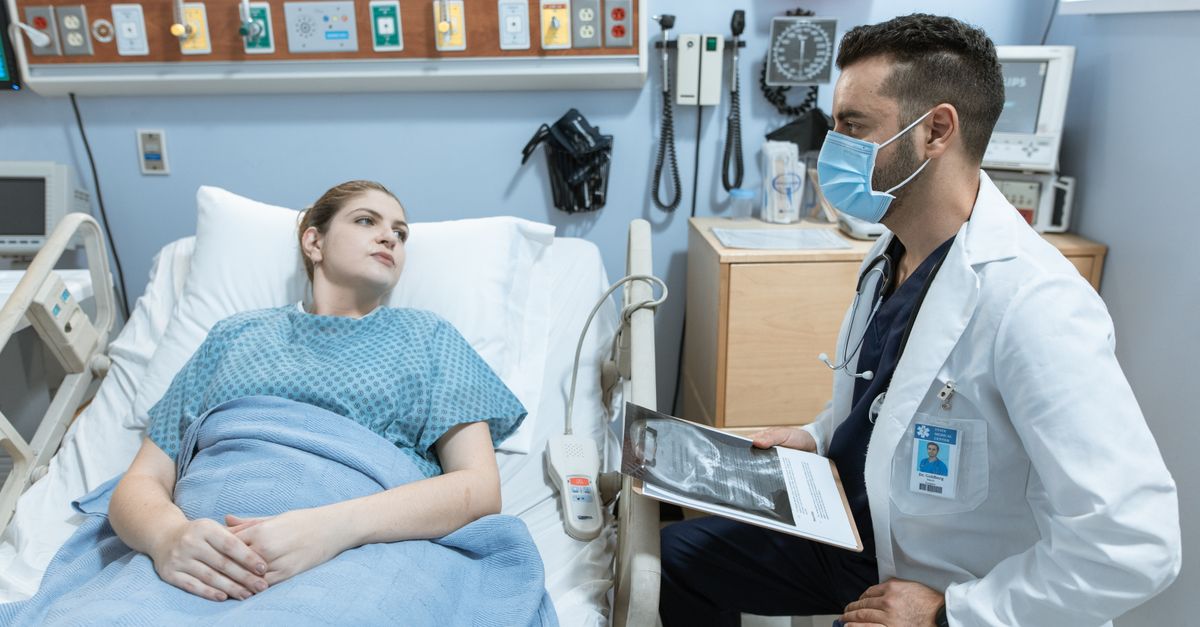
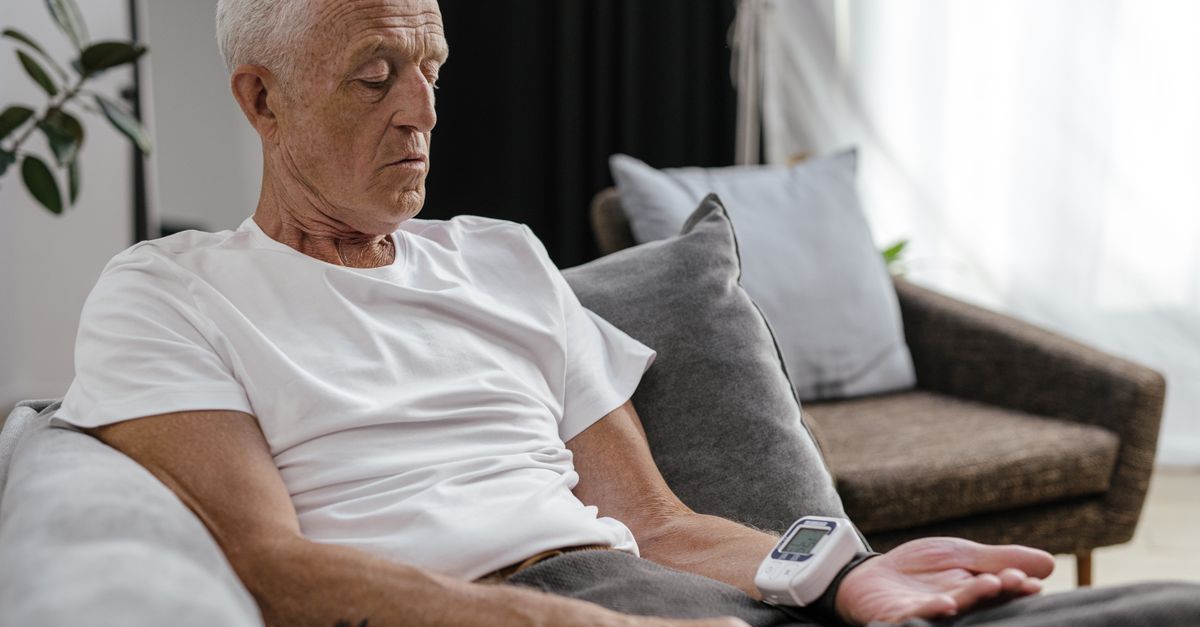
Because symptoms are unreliable, diagnosis relies entirely on accurate, repeated sphygmomanometry (blood pressure cuff measurements). A single elevated reading is not sufficient for a diagnosis, as stress, pain, or the anxiety of being in a medical setting (white coat hypertension) can temporarily spike pressure.
Clinicians require at least two elevated readings taken on two separate occasions. Best practices dictate that the patient should be seated quietly for five minutes, feet flat on the floor, with the arm supported at heart level before the measurement is taken.
Many physicians now recommend ambulatory blood pressure monitoring, where the patient wears an automated cuff that takes readings every thirty minutes over a twenty-four-hour period. This provides a comprehensive profile of the patient’s actual pressure burden throughout their daily activities and sleep cycles.
14. Risk Factors and Pathogenesis
Primary hypertension develops over years and is driven by a combination of genetic predisposition and lifestyle factors. Age is a significant factor; as blood vessels naturally lose elasticity over time, pressure incrementally rises. A strong family history of hypertension significantly elevates individual risk.
Dietary habits play a profound role. High sodium intake forces the body to retain excess fluid, increasing blood volume. Diets low in potassium, magnesium, and calcium also contribute to vascular constriction. Obesity vastly increases the vascular network’s size, forcing the heart to pump harder to supply the extra tissue.
Sedentary lifestyles, chronic psychological stress, and excessive alcohol consumption directly stimulate the sympathetic nervous system, maintaining the cardiovascular system in a continuous state of high alert and high pressure.
15. Clinical Indicators Summary
While often silent, recognizing the potential late-stage symptoms is vital. The table below outlines the clinical signs associated with severely elevated pressure and organ strain.
| System Affected | Clinical Symptoms | Underlying Pathology |
|---|---|---|
| Neurological | Severe morning headache, confusion | Increased cranial pressure, cerebral edema. |
| Cardiovascular | Chest tightness, exertional dyspnea | Left ventricular hypertrophy, ischemia. |
| Ophthalmic | Blurred vision, visual field defects | Retinal vascular spasms, papilledema. |
| Renal | Peripheral edema (swelling) | Glomerular damage, fluid retention. |
| Vascular | Profuse, difficult to stop nosebleeds | Capillary fragility under severe mechanical stress. |
16. Lifestyle and Medical Management
Managing hypertension begins with aggressive lifestyle modifications. The DASH diet (Dietary Approaches to Stop Hypertension), which emphasizes fruits, vegetables, lean proteins, and strictly limits sodium, is clinically proven to lower pressure effectively. Regular aerobic exercise strengthens the heart, allowing it to pump more blood with less effort.
When lifestyle changes are insufficient, pharmacological intervention is necessary. Clinicians utilize various drug classes tailored to the patient’s specific physiology. Diuretics help the kidneys eliminate excess sodium and water. ACE inhibitors and angiotensin receptor blockers relax blood vessels by blocking the action of specific constricting hormones.
Calcium channel blockers prevent calcium from entering the muscle cells of the heart and blood vessels, allowing them to relax. Treatment often requires a combination of two or more medications at low doses to achieve optimal control with minimal side effects.
17. When to Seek Emergency Medical Care
Because routine hypertension has no symptoms, you must schedule regular clinical check-ups to monitor your numbers. However, if your blood pressure spikes into the critical range, emergency action is required.
Seek immediate emergency medical assistance if your blood pressure reading exceeds one hundred and eighty systolic or one hundred and twenty diastolic and is accompanied by a severe, sudden headache, blurred vision, acute shortness of breath, or numbness and weakness in your face or arms. These are signs of a hypertensive emergency with active organ damage.
Do not wait for the pressure to drop on its own, and do not attempt to self-medicate by taking extra doses of your prescribed medication without speaking to a physician, as dropping the pressure too rapidly outside of a monitored clinical setting can reduce blood flow to the brain and induce an ischemic stroke.
18. Frequently Asked Questions FAQ
1. Can stress cause high blood pressure?
Acute stress causes temporary, significant spikes in blood pressure. While the direct link between chronic stress and long-term hypertension is still being studied, stress often leads to unhealthy coping behaviors (poor diet, alcohol use) that directly cause hypertension.
2. Does caffeine raise blood pressure?
Caffeine can cause a short, dramatic spike in blood pressure immediately after consumption. In individuals who consume it daily, the body often develops a tolerance, though some people remain highly sensitive to its vasoconstrictive effects.
3. Will I have to take blood pressure medication for the rest of my life?
For primary hypertension, medication is usually a long-term requirement to prevent organ damage. However, patients who make profound lifestyle changes, such as significant weight loss and strict sodium reduction, can sometimes safely taper off their medications under strict medical supervision.
4. Is a reading of 135/85 considered high?
Yes, under current medical guidelines, a consistent reading of 135/85 is classified as Stage 1 Hypertension. It indicates that the cardiovascular system is under strain and warrants lifestyle interventions and close clinical monitoring.
5. Why is my blood pressure only high at the doctor’s office?
This is known as “white coat hypertension,” a condition where the anxiety of a medical visit causes a temporary spike in sympathetic nervous system activity. Your doctor may recommend home monitoring or a 24-hour ambulatory monitor to obtain your true baseline pressure.
19. Bibliography
Disclaimer: The content is for informational purposes only and does not replace medical advice. Always consult your doctor for personalized treatment.