
1. Introduction to Home-Based Education
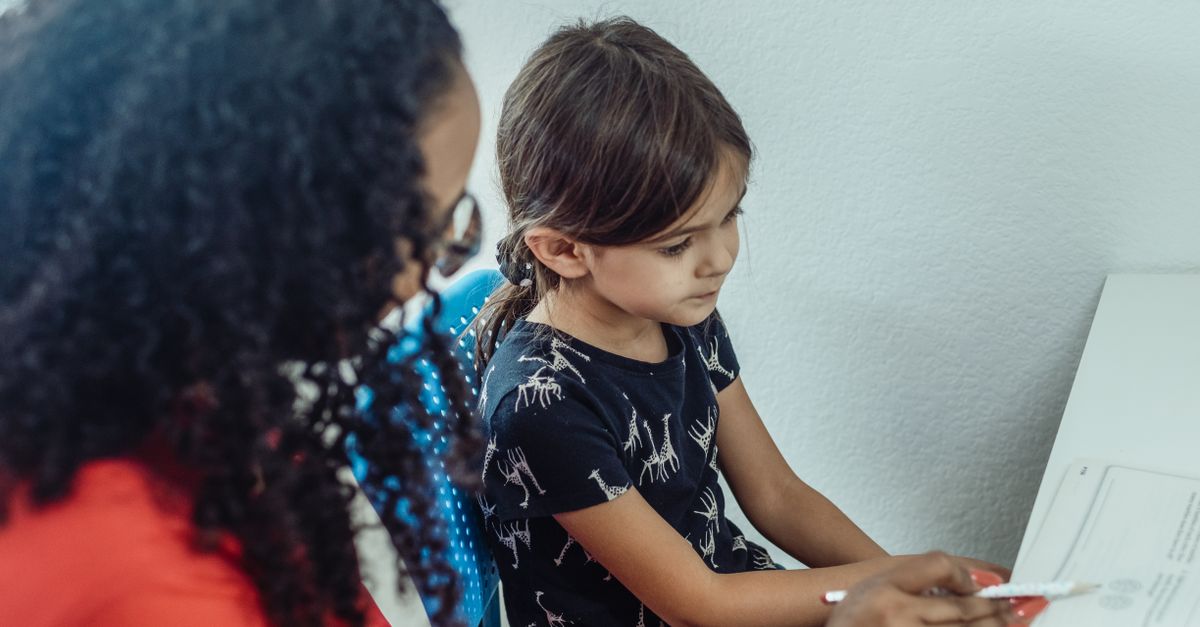
Receiving home tuition involves a pediatric patient being educated within their primary residence by a professional tutor or certified educator, rather than attending a traditional, congregate school setting. From a clinical perspective, the transition to home tuition is rarely a simple educational choice; it is frequently a necessary intervention driven by complex medical, neurodevelopmental, or severe psychiatric pathologies.
Children who require home tuition often face profound health challenges, including profound immunocompromise, severe chronic illnesses, intractable epilepsy, or debilitating anxiety disorders that render the traditional chaotic school environment physically unsafe or psychologically intolerable.
Healthcare providers, particularly pediatricians and child psychologists, must closely monitor patients in this educational arrangement. While home tuition provides unparalleled physical safety, customized cognitive pacing, and flexibility, it concurrently introduces significant risks regarding social isolation, sedentary behavior, and the delayed acquisition of vital interpersonal skills.
2. Neuroplasticity and Individualized Learning
The pediatric brain operates on the principle of experience-dependent neuroplasticity, where neural circuits are formed and strengthened based on environmental input. Traditional classrooms provide standardized input, which may not align with a neurodivergent child cognitive processing speed.
Receiving home tuition offers the distinct neurobiological advantage of hyper-individualized learning. A one-on-one tutor can instantly adapt their instructional methodology to match the child specific cognitive profile. If a child has a specific learning disability or severe attention-deficit hyperactivity disorder (ADHD), the tutor can modulate the sensory environment and provide immediate, customized feedback.
This tailored approach significantly reduces the cognitive overload and academic frustration that frequently triggers severe behavioral meltdowns in traditional settings. By keeping the child in an optimal state of neurological arousal, home tuition maximizes memory consolidation and academic acquisition.
3. Medical Indications for Home Tuition
The clinical indications for removing a child from a traditional school environment are severe and varied. Pediatric oncology patients undergoing aggressive chemotherapy regimens possess virtually non-existent immune systems; exposing them to the massive viral load of a public school is a life-threatening risk.
Similarly, patients with severe, brittle type 1 diabetes, unmanageable chronic pain syndromes, or frequent, unpredictable seizure disorders require continuous, specialized medical supervision that traditional schools are not legally or logistically equipped to provide.
In these acute medical scenarios, home tuition ensures that the child intellectual and neurocognitive development continues uninterrupted, preventing severe academic regression while their physical body heals or manages a profound chronic pathology.
4. The Psychoneuroimmunology of the Home Environment
For children suffering from severe psychiatric conditions, particularly school refusal syndrome, severe generalized anxiety, or trauma-related disorders, the traditional school environment acts as a chronic, toxic stressor.
Forcing a severely anxious child into a triggering environment chronically activates the hypothalamic-pituitary-adrenal (HPA) axis. Sustained high levels of cortisol are profoundly neurotoxic to the developing hippocampus and severely suppress immune function.
Transitioning to home tuition immediately removes this toxic stressor. By providing education in a psychologically secure environment, the HPA axis downregulates, lowering systemic inflammation and creating a biochemically optimized baseline that allows clinical psychologists to implement effective, gradual exposure therapies without the child remaining in a state of continuous panic.
5. Mitigating Toxic Stress and Academic Anxiety
In traditional educational settings, competitive grading, peer comparison, and rigid testing environments frequently generate intense academic anxiety. For children with perfectionist tendencies or neurodevelopmental delays, this anxiety can paralyze executive function, making learning biologically impossible.
Home tuition effectively dismantles this competitive pressure. The focus shifts entirely from peer comparison to individual mastery. This profound reduction in academic stress protects the prefrontal cortex, allowing the child to engage in high-level analytical thinking and creative problem-solving without the neurological interference of fear.
This secure learning environment fosters high academic self-esteem and self-efficacy, psychological traits that correlate strongly with lifelong mental health resilience.
6. Executive Function and Self-Directed Learning
Executive function—the set of cognitive skills including working memory, flexible thinking, and self-control—is heavily shaped by the educational environment. In a traditional classroom, executive function is often externally managed by the teacher rigid schedule and constant supervision.
Home tuition demands a higher degree of autonomy. While guided by a tutor, the child frequently has more control over their daily schedule, the order of their subjects, and the pacing of their projects. This environment acts as a potent stimulus for the independent development of the prefrontal cortex.
Clinicians note that children educated in structured, yet flexible, home environments often develop superior self-directed learning skills, time management, and internal motivation, provided the tutor actively scaffolds these executive functions.
7. Social Isolation Risks and Cognitive Development
The most significant clinical concern regarding home tuition is the severe risk of social isolation. The human brain is inherently social; the neural networks governing empathy, conflict resolution, and emotional regulation—often called the “social brain”—require continuous, complex interaction with diverse peer groups to mature fully.
Depriving a child of peer interaction heavily limits the development of these crucial neurobiological pathways. Isolated children are at a significantly higher risk for developing profound social anxiety and struggling with interpersonal relationships later in life.
Pediatricians must proactively address this risk. Clinicians heavily advocate for the integration of structured extracurricular activities, ensuring the child interacts with peers in safe, controlled environments to guarantee complete psychosocial neurodevelopment.
8. Physical Education and Metabolic Health
Traditional schools naturally incorporate physical movement through recess, transitions between classrooms, and mandated physical education. Children receiving home tuition are highly vulnerable to profound sedentary behavior.
Prolonged physical inactivity during childhood rapidly accelerates the development of pediatric obesity, insulin resistance, and early-onset metabolic syndrome. Furthermore, a lack of weight-bearing exercise severely impairs the development of peak bone mineral density, increasing the lifelong risk of osteoporosis.
Medical providers must explicitly prescribe daily, vigorous physical activity for these patients. Emphasizing the biological necessity of cardiovascular exercise ensures that the child metabolic and musculoskeletal systems develop robustly despite the sedentary nature of home-based learning.
9. Sleep Architecture and Flexible Scheduling
A profound biological advantage of home tuition is the liberation from the rigid, early-morning schedules demanded by traditional schools. During adolescence, the circadian rhythm naturally shifts, biologically delaying the onset of sleep and the natural time of waking.
Forcing teenagers to awaken at six in the morning chronically deprives them of essential rapid eye movement (REM) and deep slow-wave sleep. This sleep deprivation severely impairs emotional regulation, memory consolidation, and immune function.
Home tuition allows the educational schedule to synchronize perfectly with the child natural circadian biology. Waking naturally and studying when neurologically rested optimizes cognitive acquisition and protects the developing brain from the physiological damage of chronic exhaustion.
10. Nutritional Monitoring in the Home
The nutritional landscape of home tuition is entirely dependent on the caregiver. This presents both a significant opportunity for metabolic optimization and a risk for nutritional neglect.
In a traditional school, the child is guaranteed access to heavily regulated, balanced meals. At home, they have continuous access to the family pantry. If the home is stocked with highly processed, sugar-laden foods, the child is at a high risk for constant grazing, driving severe insulin spikes and systemic inflammation.
Conversely, motivated caregivers can utilize this environment to instill elite nutritional habits, preparing fresh, nutrient-dense meals that provide stable metabolic fuel for the brain. Clinical dietitians play a vital role in educating families to optimize the home food environment.
11. Identifying Neurodevelopmental Delays Remotely
In traditional settings, experienced teachers serve as the primary triage network for identifying subtle neurodevelopmental delays, such as mild dyslexia, auditory processing disorders, or subtle signs of autism spectrum disorder.
In a home tuition environment, this broad comparative baseline is lost. A parent or private tutor may misinterpret a severe learning disability as simple stubbornness or a lack of focus, severely delaying crucial clinical diagnosis and early intervention.
Pediatricians must maintain a high index of suspicion during routine examinations of home-tutored children, conducting rigorous developmental screenings to ensure that covert neurological or sensory deficits are not missed due to the isolated educational setting.
12. Data: Health Dynamics of Home Tuition
Balancing the profound medical benefits with the psychosocial risks requires careful clinical management.
| Health Domain | Clinical Benefit of Home Tuition | Associated Clinical Risk |
|---|---|---|
| Immunology | Total protection for immunocompromised patients | Lack of natural pathogen exposure (immune priming) |
| Psychiatry | Removes toxic stress and severe academic anxiety | High risk of social isolation and interpersonal skill deficits |
| Sleep Medicine | Schedule aligns with natural adolescent circadian rhythm | Risk of erratic, completely unstructured sleep habits |
| Metabolic Health | Ability to provide highly customized medical diets | High risk of profound sedentary behavior and obesity |
| Neurocognition | Hyper-individualized pacing prevents cognitive overload | Delayed identification of specific learning disabilities |
13. Integrating Extracurricular Peer Socialization
To combat the neurological risks of social isolation, families utilizing home tuition must deliberately architect social interactions. This is not an optional luxury; it is a fundamental biological requirement for healthy brain development.
Clinicians strongly recommend enrolling the child in community sports leagues, specialized art classes, local scouting organizations, or structured volunteer work. These environments force the child to navigate complex social hierarchies, resolve conflicts, and develop emotional intelligence independent of their primary caregiver or tutor.
By treating peer socialization as a mandatory component of the overall educational and medical plan, the clinical team ensures the child develops into a psychologically resilient, well-adjusted adult.
14. Screen Time and Visual-Ocular Health
Home tuition frequently relies heavily on digital platforms, virtual reality, and extensive computer-based research. This intensive digital engagement presents severe risks to pediatric visual health.
Prolonged screen time forces the continuous contraction of the ciliary muscles and drastically reduces the blink rate. This leads to severe dry eye syndrome, digital eye strain, and a sharp acceleration in the development of pediatric myopia (nearsightedness).
Clinical protocols require strict adherence to visual hygiene. Implementing the 20-20-20 rule, ensuring the workstation is properly lit to reduce glare, and mandating significant periods of outdoor, long-distance visual focus are critical interventions to protect the child developing ocular anatomy.
15. Collaborative Care Between Tutors and Pediatricians
Optimizing the health and development of a pediatric patient receiving home tuition requires seamless collaboration between the medical team, the parents, and the professional tutor. Operating in isolated silos allows critical symptoms to go unnoticed.
If a pediatrician prescribes a new psychiatric medication or an asthma management plan, the tutor must be fully briefed on the expected side effects and emergency protocols. Conversely, the tutor should report objective observations regarding the child attention span, fatigue levels, and cognitive processing speed directly to the medical team.
This unified, holistic care model provides the child with an impenetrable biological and psychological safety net, ensuring they achieve their maximal developmental potential in a highly secure, customized environment.
16. Frequently Asked Questions FAQ
1. Why is home tuition medically necessary for some children?
Children with profound immune deficiencies (like oncology patients), uncontrolled seizure disorders, or severe psychiatric conditions (like extreme school refusal) require home tuition because traditional schools are physically unsafe or psychologically traumatizing.
2. How does home tuition affect a child’s social development?
It poses a severe risk of social isolation; without daily peer interaction, the neural networks responsible for empathy, conflict resolution, and social cues fail to develop fully, necessitating mandatory extracurricular socialization.
3. Is the flexible schedule of home tuition healthier for teenagers?
Yes, biologically, the adolescent circadian rhythm naturally shifts to later sleep and wake times; home tuition allows them to sleep when their brain demands it, protecting memory consolidation and emotional stability.
4. What is the biggest physical health risk of home-based learning?
Profound sedentary behavior. Without the forced transitions and recess of a traditional school, home-tutored children are at a significantly higher risk for early-onset obesity and poor cardiovascular endurance.
5. How do doctors ensure home-tutored children don’t miss developmental milestones?
Because they lack the comparative environment of a classroom where teachers spot delays, pediatricians must perform highly rigorous, proactive developmental and sensory screenings during every routine clinic visit.
17. Bibliography
Disclaimer: The content is for informational purposes only and does not replace medical advice. Always consult your doctor for personalized treatment.

