
1. Introduction to Inflammatory Liver Disease
Inflammatory liver disease, broadly categorized in clinical medicine as hepatitis, is a complex pathological condition characterized by severe, widespread inflammation of the hepatic parenchyma. The immediate clinical consequence involves the active destruction of functioning liver cells, profoundly disrupting the organ’s essential metabolic, synthetic, and detoxifying capabilities. Prompt clinical evaluation is mandated to determine the precise etiology, halt ongoing tissue necrosis, and prevent progression to irreversible structural failure.
The liver is a highly resilient, regenerative organ, constantly processing nutrients, medications, and environmental toxins from the systemic circulation. When this robust organ is subjected to an overwhelming viral pathogen, persistent autoimmune attack, or massive toxic insult, a vigorous localized immune response is triggered. This response, while attempting to clear the threat, inadvertently accelerates the destruction of the vital hepatic architecture.
Managing inflammatory liver disease relies on a definitive diagnostic strategy to isolate the specific viral, metabolic, or autoimmune trigger. Treatment interventions vary drastically, ranging from simple supportive care in self-limiting acute infections to lifelong, potent immunosuppression or advanced, targeted antiviral therapies required to suppress chronic, slowly destructive variants of the disease.
2. Hepatic Anatomy and Cellular Function
To comprehend the devastating effects of severe hepatic inflammation, an examination of the liver’s microscopic architecture is essential. The liver is the largest internal solid organ, meticulously structured into millions of hexagonal functioning units known as hepatic lobules. At the core of these lobules reside the hepatocytes, the primary metabolic powerhouses of the body.
Hepatocytes are responsible for an immense array of critical physiological functions. They synthesize essential blood clotting factors and albumin, metabolize complex carbohydrates and lipids, and actively detoxify ammonia and circulating pharmacological compounds. The hepatocytes are continuously bathed in nutrient-rich blood delivered directly from the digestive tract via the portal vein.
Interspersed among the hepatocytes are Kupffer cells, specialized resident immune macrophages lining the hepatic capillary networks (sinusoids). The Kupffer cells function as vigilant sentinels, rapidly neutralizing blood-borne bacteria and identifying foreign antigens. In inflammatory liver disease, it is the hyperactivation of these very sentinels that unleashes the destructive cytokine storm responsible for widespread cellular death.
3. Viral Hepatitis Pathogens
Hepatotropic viruses are unequivocally the most frequent cause of acute and chronic inflammatory liver disease globally. These specific pathogens exhibit a unique biological affinity for human hepatocytes. The most clinically significant agents are the Hepatitis A, B, and C viruses, each possessing distinct transmission dynamics and long-term clinical prognoses.
Hepatitis A is an RNA virus transmitted strictly through the fecal-oral route, typically via contaminated food or water. It causes a robust, acute inflammatory illness that is almost universally self-limiting. The host’s immune system clears the virus entirely, and the infection does not progress to a chronic state or cause permanent hepatic scarring.
In stark contrast, Hepatitis B (a DNA virus) and Hepatitis C (an RNA virus) are transmitted through direct contact with infected blood or bodily fluids. While they can cause an acute initial illness, their profound danger lies in their ability to establish a stealthy, persistent, lifelong infection. The virus continually replicates within the hepatocytes, provoking a relentless, decades-long inflammatory response that slowly demolishes the liver’s structure.
4. Autoimmune Hepatitis Mechanisms
Autoimmune hepatitis is a severe, chronic inflammatory disorder characterized by a profound breakdown in the host’s immunological tolerance to its own hepatic tissue. The exact environmental trigger initiating this process frequently remains unknown, but it occurs primarily in individuals with a strong genetic predisposition.
In this condition, the immune system produces specific autoantibodies that mistakenly target normal proteins on the surface of the patient’s own hepatocytes. T-lymphocytes aggressively infiltrate the liver, launching a sustained, targeted attack on the healthy, functioning cells.
Unlike viral hepatitis, which frequently progresses slowly and silently over decades, autoimmune hepatitis often presents with sudden, dramatic, and severe flares of inflammation. If the aggressive autoimmune attack is not immediately identified and halted with massive doses of systemic immunosuppressive medications, the active inflammation rapidly precipitates acute, fatal liver failure.
5. Metabolic and Toxic Inflammatory Triggers
Beyond infectious and autoimmune etiologies, severe inflammation is frequently driven by metabolic derangements and toxic exposures. Steatohepatitis, specifically non-alcoholic steatohepatitis (NASH), is a rapidly expanding global health crisis. It begins with the excessive accumulation of toxic lipid droplets directly inside the hepatocytes, heavily associated with severe obesity and type 2 diabetes.
These trapped lipids induce profound cellular stress and severe oxidative damage, triggering an intense, localized inflammatory response from the Kupffer cells. This chronic, smoldering inflammation relentlessly drives tissue destruction and fibrosis, functionally mirroring the damage caused by chronic viral hepatitis.
Toxic hepatitis results from the direct chemical destruction of hepatocytes. High doses of specific pharmacological agents, notably acetaminophen, or the chronic, excessive consumption of alcohol overwhelm the liver’s specialized detoxification enzymes. The resulting buildup of toxic metabolic byproducts causes immediate, massive cellular necrosis and an explosive inflammatory reaction throughout the entire organ.
6. The Pathway from Inflammation to Fibrosis
The progression from isolated cellular inflammation to irreversible, terminal organ failure hinges on a specific biological process known as fibrogenesis. When hepatocytes are injured and die, they release localized distress signals. These signals activate specialized, dormant cells residing in the space between the blood vessels and the hepatocytes, called hepatic stellate cells.
Once activated, these stellate cells transform into myofibroblasts and begin producing massive quantities of dense, rigid collagen scar tissue in a desperate attempt to repair the inflammatory damage. In acute, self-limiting hepatitis, the trigger is removed, the stellate cells deactivate, and the liver perfectly regenerates the lost tissue.
However, in chronic inflammatory states—such as untreated Hepatitis C or persistent autoimmune disease—the injury is relentless. The stellate cells remain permanently active, depositing continuous, excessive layers of dense scar tissue. This unrelenting fibrosis physically strangles the remaining healthy hepatocytes and severely restricts blood flow through the microscopic hepatic lobules.
7. Progression to Cirrhosis and Portal Hypertension
When the progressive fibrosis reaches an advanced, terminal stage, the condition is clinically defined as cirrhosis. In cirrhosis, the normal, smooth architecture of the liver is entirely obliterated and replaced by dense, nodular, non-functioning scar tissue. This marks the transition from active, potentially reversible inflammation to permanent, end-stage structural failure.
The dense fibrotic nodules create severe physical resistance to the massive volume of blood attempting to flow through the liver from the portal vein. This profound mechanical resistance causes blood pressure to spike dangerously backward into the digestive organs, a critical complication known as portal hypertension.
Portal hypertension forces plasma fluid to leak directly from the engorged blood vessels into the abdominal cavity, creating massive, tense ascites. The elevated pressure also causes the delicate veins in the esophagus to balloon outward into fragile varices. These engorged varices are at an exceptionally high risk of sudden, spontaneous rupture, leading to catastrophic, rapidly fatal internal gastrointestinal hemorrhage.
8. Clinical Symptoms of Acute Hepatic Inflammation
The clinical presentation of inflammatory liver disease depends entirely on the rapidity of the onset and the specific etiology. In acute, explosive hepatitis—commonly seen with acute Hepatitis A or toxic drug injury—the patient presents with sudden, profound systemic illness.
Severe, debilitating fatigue, profound anorexia, and deep, aching pain in the right upper quadrant of the abdomen are universally reported as the liver capsule rapidly stretches due to internal swelling. As the hepatocytes die, they lose the capacity to process and excrete bilirubin, a yellow byproduct of red blood cell breakdown.
This bilirubin rapidly accumulates in the systemic bloodstream and deposits heavily in the skin and mucosal tissues, leading to the clinical hallmark of pronounced jaundice—a vivid yellowing of the skin and the sclera (white part of the eyes). The high levels of circulating bilirubin also cause the urine to turn a dark, tea-like color, while the lack of bile in the digestive tract causes the stool to appear distinctly pale or clay-colored.
9. Signs of Chronic Liver Failure
Conversely, chronic inflammatory liver disease—such as slowly progressing Hepatitis C or early autoimmune hepatitis—is notoriously insidious. Patients frequently remain entirely asymptomatic for decades, feeling perfectly well while the smoldering inflammation slowly replaces their functioning liver with dense scar tissue.
When symptoms finally manifest in the chronic phase, they indicate that the liver has lost its crucial synthetic reserve and has entered decompensated failure. Patients exhibit profound, generalized muscle wasting and severe, spontaneous bruising or bleeding due to the liver’s inability to synthesize vital blood-clotting proteins.
A severe neurological complication, hepatic encephalopathy, emerges when the failing liver can no longer filter toxic ammonia from the bloodstream. The ammonia crosses the blood-brain barrier, poisoning the central nervous system. Patients present with severe confusion, severe personality changes, profound lethargy, and a characteristic flapping tremor of the hands (asterixis), ultimately progressing to a deep hepatic coma if left untreated.
10. Diagnostic Blood Biomarkers and Hepatic Panels
Diagnosing the extent and cause of the inflammation requires a comprehensive, highly specific laboratory workup. The standard comprehensive metabolic panel evaluates the serum levels of specific liver enzymes, primarily alanine aminotransferase (ALT) and aspartate aminotransferase (AST).
These vital enzymes normally reside strictly within the hepatocytes. When the cells are actively destroyed by a virus or an autoimmune attack, they burst, leaking massive quantities of these enzymes directly into the bloodstream. Extraordinarily high levels of ALT and AST indicate acute, severe, active necrosis of the liver tissue.
To pinpoint the exact etiology, physicians order sophisticated viral serology panels to detect specific circulating antibodies or active viral DNA for Hepatitis B and C. Autoimmune hepatitis is confirmed by testing for high titers of highly specific autoantibodies, such as anti-smooth muscle antibodies, providing the definitive evidence needed to initiate powerful systemic immunosuppression.
11. Structured Etiology Overview
The following table outlines the fundamental clinical, diagnostic, and prognostic distinctions among the most common causes of profound inflammatory liver disease.
| Hepatitis Etiology | Primary Mechanism / Trigger | Clinical Course and Risk Profile |
|---|---|---|
| Viral Hepatitis A | Contaminated food or water ingestion. | Acute, self-limiting; does not progress to chronic disease. |
| Viral Hepatitis C | Blood-borne transmission. | Slow, silent chronic inflammation; high risk of cirrhosis and cancer. |
| Autoimmune Hepatitis | Immune system attacks native liver cells. | Severe, sudden flares; requires life-long immune suppression. |
| Steatohepatitis (NASH) | Toxic lipid accumulation and oxidative stress. | Chronic smoldering inflammation; strongly linked to metabolic syndrome. |
12. Radiological Imaging and Liver Biopsy
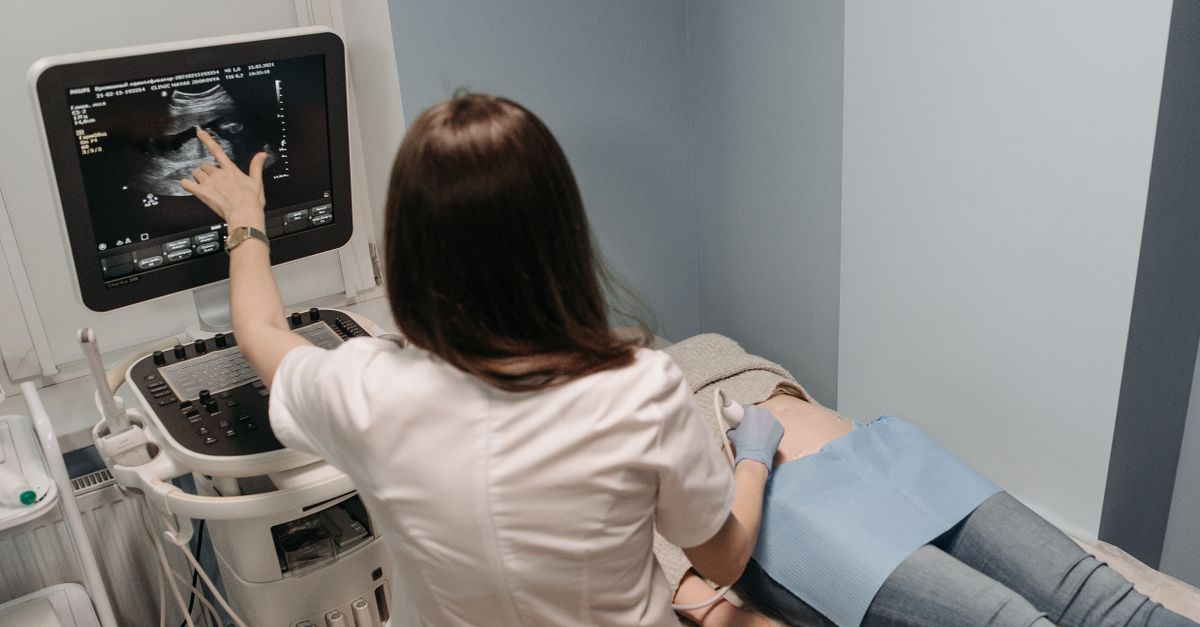
Advanced radiological imaging is absolutely mandatory to evaluate the structural integrity of the organ and identify the presence of occult complications. An abdominal ultrasound provides an immediate, non-invasive assessment of the liver’s size, texture, and the patency of the major surrounding blood vessels.
To precisely quantify the amount of dense fibrotic scar tissue present without resorting to surgery, clinicians utilize transient elastography (FibroScan). This specialized ultrasound device emits a mechanical shear wave into the liver. Because sound waves travel faster through stiff, scarred tissue than through healthy, elastic tissue, the machine provides a highly accurate, numeric score indicating the exact degree of underlying cirrhosis.
If the diagnosis remains ambiguous despite exhaustive blood work and imaging, a percutaneous liver biopsy is the absolute gold standard diagnostic procedure. A hollow needle is passed through the abdominal wall directly into the liver to extract a tiny cylinder of tissue. A specialized pathologist examines the sample under a microscope to confirm the exact nature of the inflammatory cells and grade the precise severity of the destructive process.
13. Targeted Antiviral and Immunosuppressive Therapies
The therapeutic intervention is strictly dependent upon the confirmed etiology of the inflammation. For chronic viral Hepatitis C, treatment has been fundamentally revolutionized by the development of direct-acting antiviral medications. These potent, targeted drugs actively inhibit specific viral replication enzymes, achieving a complete, permanent virological cure in over ninety-five percent of patients, effectively halting the inflammatory disease completely.
For patients diagnosed with autoimmune hepatitis, antiviral medications are entirely useless. The clinical strategy shifts entirely to aggressively suppressing the hyperactive host immune system. Treatment involves the immediate administration of high-dose systemic corticosteroids, often followed by the addition of long-term, steroid-sparing immunomodulators like azathioprine to maintain clinical remission and prevent further active tissue destruction.
In the case of steatohepatitis (NASH), no specific pharmacological agent currently exists to reverse the inflammation directly. The medical focus rests entirely on strict, aggressive metabolic control: significant, sustained weight loss, rigorous management of blood glucose levels, and the aggressive use of statin medications to lower circulating cholesterol.
14. Managing Complications and Liver Transplantation
When the inflammatory disease inevitably progresses to end-stage decompensated cirrhosis, medical therapy shifts entirely from attempting to cure the underlying disease to aggressively managing the lethal complications of profound organ failure.
Severe ascites is managed with powerful combination diuretic therapy and profound dietary sodium restriction to force fluid excretion. Patients presenting with bleeding esophageal varices require emergency endoscopic intervention; a gastroenterologist deploys specialized rubber bands directly over the bleeding veins to achieve rapid physical hemostasis and prevent fatal hemorrhage.
For patients facing irreversible, terminal liver failure, an orthotopic liver transplantation is the absolute final therapeutic option. The severely diseased, scarred organ is surgically excised entirely and replaced with a healthy donor organ. While physically curative of the failure, patients must adhere to rigorous, lifelong immunosuppressive regimens to prevent their immune system from rejecting the new, vital organ.
15. Frequently Asked Questions (FAQ)
1. Can my liver repair itself if I have hepatitis?
Yes. The liver possesses a remarkable biological ability to regenerate dead cells. If the acute inflammation (like Hepatitis A or alcohol toxicity) is stopped quickly before permanent, heavy scar tissue forms, the liver can completely rebuild itself and return to perfectly normal function.
2. Why do I not feel sick if my doctor says I have chronic Hepatitis C?
Chronic Hepatitis C is notoriously “silent.” The virus causes very slow, low-grade inflammation that gradually destroys the liver cells over decades. Because the liver has massive functional reserves, you generally will not feel any symptoms until the organ has already suffered severe, irreversible scarring (cirrhosis).
3. Why is my skin turning yellow?
The yellowing, called jaundice, occurs when your inflamed, dying liver cells lose their physical ability to filter a yellow waste product called bilirubin out of your blood. The bilirubin backs up into your systemic circulation and stains your skin and the white parts of your eyes yellow.
4. Is autoimmune hepatitis contagious?
No, it is absolutely not contagious. It is not caused by a virus or a bacterium. It is caused by a genetic malfunction in your own immune system, which mistakenly identifies your healthy liver tissue as a dangerous enemy and attacks it continuously.
5. Will taking antibiotics cure my severe liver inflammation?
No, antibiotics only kill bacteria and are completely useless against liver inflammation, which is caused primarily by viruses, autoimmune conditions, or toxic damage. Taking unnecessary medications when your liver is already failing can actually worsen the toxic burden on the organ.
16. Bibliography
Disclaimer: The content is for informational purposes only and does not replace medical advice. Always consult your doctor for personalized treatment.
