1. Introduction
Relieving an itchy scalp without washing involves applying targeted astringents like witch hazel, utilizing cooling botanical extracts such as peppermint oil, and employing mechanical scalp massage to distribute natural sebum. Identifying whether the pruritus stems from seborrheic dermatitis, contact allergies, or simple dry skin is necessary for selecting the appropriate topical intervention. These focused strategies provide immediate sensory relief without compromising the hair’s natural moisture barrier.
Scalp pruritus is an intensely frustrating symptom driven by superficial nerve irritation, microbial imbalance, or epidermal inflammation. While frequent washing can remove irritants, overwashing strips the scalp of essential lipids, often initiating a rebound cycle of severe dryness and even greater itching. Establishing non-ablative methods to calm the localized inflammation requires a precise understanding of dermatological science and the scalp microbiome.
2. Anatomy of the Scalp Microbiome
The human scalp is a dense ecosystem supporting numerous hair follicles, sebaceous glands, and a complex community of resident microorganisms. The sebaceous glands produce sebum, a lipid-rich substance that coats the hair shaft and provides a waterproof, antimicrobial barrier for the epidermis. The health of the scalp relies on a fragile balance between this sebum production and the microbial flora.
Commensal fungi, particularly species of Malassezia, naturally reside on the scalp and feed on the lipids within the sebum. When the physiological environment shifts due to stress, hormonal changes, or environmental humidity, these microorganisms can proliferate rapidly. This overgrowth triggers a robust inflammatory response from the host immune system, manifesting clinically as intense pruritus.
3. Pathophysiology of Scalp Pruritus
The sensation of itch is transmitted via specialized unmyelinated C-nerve fibers located in the dermo-epidermal junction. These fibers are exquisitely sensitive to inflammatory mediators such as histamine, cytokines, and prostaglandins released by immune cells during an allergic reaction or microbial dysbiosis.
Once these nerve endings are stimulated, they send rapid signals to the somatosensory cortex of the brain, creating an overwhelming urge to scratch. Unfortunately, mechanical scratching damages the delicate epidermal barrier, creating microscopic excoriations that allow opportunistic bacteria to enter, further amplifying the inflammatory loop and resulting in chronic, intractable itching.
4. Seborrheic Dermatitis and Fungal Overgrowth
Seborrheic dermatitis is the leading clinical cause of chronic scalp itching and flaking. Driven by the overgrowth of Malassezia yeast, this condition paradoxically thrives in oily environments. The yeast degrades the natural sebum into free fatty acids that act as harsh chemical irritants to the scalp tissue, prompting an accelerated shedding of skin cells.
Patients experience greasy, yellowish scales accompanied by persistent, burning pruritus. To manage this without a full shower, treatments must target the inflammation directly. Applying a dilute solution of apple cider vinegar via a targeted dropper bottle can temporarily lower the scalp pH, creating a hostile environment for the yeast without necessitating a complete hair wash.
5. Contact Dermatitis from Hair Products
Allergic contact dermatitis occurs when the scalp is exposed to a sensitizing chemical found in styling products, dry shampoos, or leave-in conditioners. Common culprits include artificial fragrances, propylene glycol, and specific preservatives like methylisothiazolinone. The immune system identifies these compounds as foreign invaders, triggering acute localized inflammation.
The resulting itch is typically accompanied by localized redness, weeping, and severe tenderness. When an acute reaction occurs and washing is impossible, mechanically wiping the scalp with a cool, damp microfiber cloth can help lift the chemical irritant off the superficial epidermis. Identifying and strictly avoiding the offending product is the only definitive cure.
6. Dry Skin and Epidermal Dehydration
In stark contrast to seborrheic dermatitis, simple dry skin arises from a lack of adequate sebum production or excessive evaporation of epidermal water. Central heating in winter months and low ambient humidity are primary environmental triggers. The stratum corneum, the outermost layer of the skin, becomes brittle and cracks, exposing the underlying nerve endings to the air.
This presentation mirrors the environmental damage seen in conditions like chronic peeling of the lips. To alleviate dry scalp itching without washing, targeted application of lightweight, biomimetic oils such as squalane or jojoba oil directly to the dry patches restores the lipid barrier, trapping moisture and immediately soothing the exposed nerve fibers.
7. Witch Hazel and Astringent Applications
Witch hazel is a potent botanical extract containing high concentrations of tannins. Tannins are natural astringents that physically tighten and constrict cellular tissues. When applied to an inflamed, itchy scalp using a cotton swab, witch hazel rapidly reduces superficial vascular engorgement and localized swelling.
Furthermore, it effectively absorbs excess sebum and dissolves product buildup at the root of the hair follicle without requiring a full rinse. This localized cleansing action provides significant cooling relief and resets the epidermal environment, making it a highly effective intervention for mild to moderate pruritus.
8. Peppermint and Tea Tree Oil Mechanisms
Essential oils offer powerful pharmacological properties for acute symptom management. Peppermint oil contains high levels of menthol, which binds to specific cold receptors on the nerve endings. This binding creates a profound cooling sensation that neurologically overrides the slower itch signals traveling to the brain, providing instantaneous sensory relief.
Tea tree oil possesses well-documented antimicrobial and antifungal properties. When a few drops are diluted in a carrier oil and massaged specifically into itchy plaques, it actively suppresses the local fungal populations driving seborrheic dermatitis. Essential oils must always be strictly diluted to prevent secondary chemical burns on the sensitive scalp tissue.
9. Aloe Vera and Mucopolysaccharides
Aloe vera gel is widely utilized in dermatology for its robust anti-inflammatory and wound-healing properties. The inner fillet of the aloe leaf contains complex mucopolysaccharides that form a soothing, hydrating film over irritated skin. It also contains natural salicylic acid, which mildly exfoliates dead skin cells without aggressive scrubbing.
Applying pure aloe vera gel directly to an itchy scalp provides a cooling, non-greasy moisture layer. Because it dries without leaving a heavy oil residue, it is an ideal treatment to calm neurogenic itching and reduce redness without ruining the appearance of dry, styled hair.
10. Mechanical Sebum Distribution
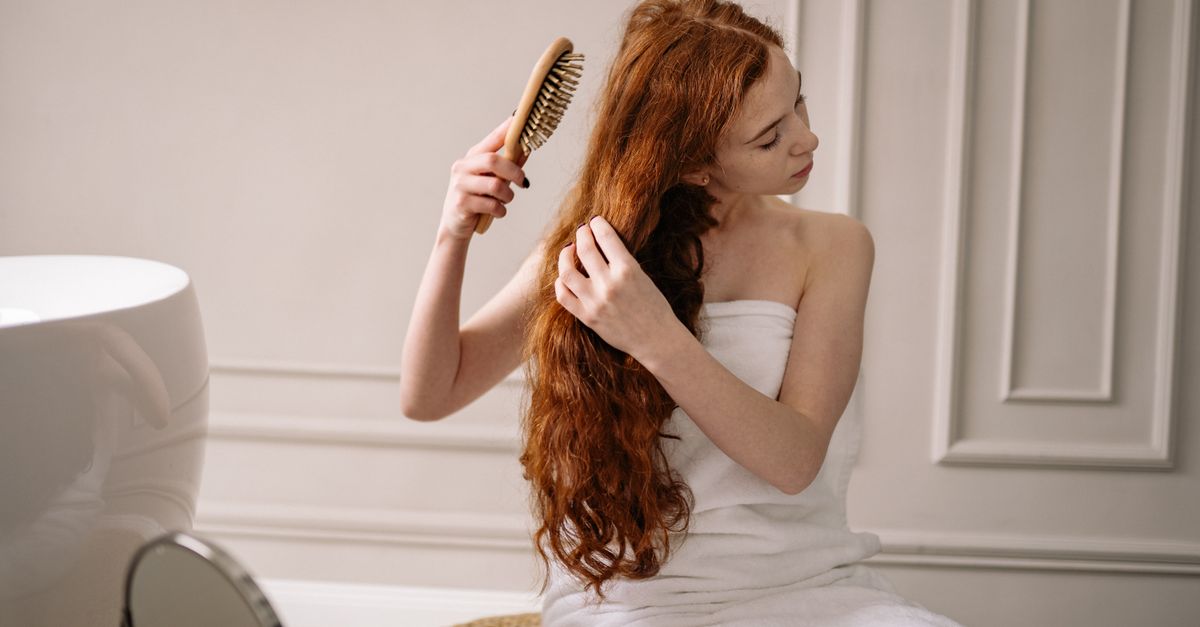
Often, the ends of the hair are severely dry while the scalp is intensely itchy due to localized sebum buildup near the follicles. Using a natural boar bristle brush to firmly but gently brush the hair from the roots down to the tips physically lifts the excess oil away from the scalp epidermis.
This mechanical redistribution serves two clinical purposes. It prevents the sebum from oxidizing and feeding fungal organisms at the root, and it coats the dry distal hair shafts with natural protective lipids. This brushing must be done gently to avoid scratching and further damaging the inflamed scalp.
11. Avoidance of Thermal and Chemical Irritants
Heat is a potent vasodilator and a powerful trigger for pruritus. Utilizing hot styling tools, such as flat irons or high-heat blow dryers near the roots, aggressively dries out the epidermal moisture barrier and increases blood flow to the inflammatory cells, causing an immediate spike in itching severity.
During a flare-up of scalp pruritus, all thermal styling must be suspended. Additionally, patients should avoid applying heavy pomades or synthetic styling gels directly to the roots, as these occlusive barriers trap heat, sweat, and bacteria against the skin, guaranteeing an exacerbation of the condition.
12. The Role of Stress and Neurogenic Itch
Psychological stress profoundly influences dermatological health through the gut-brain-skin axis. Acute anxiety stimulates the release of substance P and other neuropeptides directly into the skin, which violently trigger the sensory nerve endings to produce a phantom, neurogenic itch even in the absence of an active rash or infection.
Recognizing this mind-body connection is essential. If the scalp is structurally healthy but constantly itchy during periods of intense work or emotional strain, engaging in targeted stress-reduction techniques will chemically lower the systemic neuropeptide levels, eventually resolving the neurogenic pruritus.
13. Understanding Pruritus Etiology
Differentiating the root cause ensures the topical intervention matches the pathology.
| Scalp Condition | Clinical Presentation | Targeted Non-Wash Intervention |
|---|---|---|
| Seborrheic Dermatitis | Yellow, greasy flakes, redness | Dilute tea tree oil, witch hazel astringent |
| Contact Dermatitis | Sudden severe itch, localized weeping | Cold compress, pure aloe vera gel |
| Dry Scalp | Fine white flakes, tight sensation | Jojoba oil, squalane barrier repair |
| Neurogenic Itch | Itch without visible flakes or redness | Stress reduction, cooling peppermint oil |
14. Targeted Dry Shampoos and Formulations
While traditional aerosol dry shampoos absorb oil, they frequently contain harsh starches, alcohols, and synthetic fragrances that severely dry out and irritate a sensitive scalp. Over-reliance on these products is a major hidden cause of chronic scalp pruritus.
If oil absorption is necessary, patients should transition to pure, unscented powders such as arrowroot or kaolin clay applied sparingly with a makeup brush only to the oily regions. These natural mineral powders absorb lipid buildup without introducing the volatile chemical propellants that trigger contact dermatitis.
15. When to Consult a Dermatologist
While intermittent itching is easily managed with non-invasive home therapies, chronic, severe pruritus requires medical evaluation. If the itching is accompanied by significant hair loss, silver scales extending beyond the hairline, or hard, painful nodules, an autoimmune condition like scalp psoriasis or an active bacterial folliculitis is highly suspected.
Furthermore, intense itching that is worse at night must be evaluated for parasitic infestations such as pediculosis capitis. Delaying professional dermatological care in these instances can result in permanent scarring alopecia and irreversible damage to the hair follicles.
16. Frequently Asked Questions
1. Can an itchy scalp cause my hair to fall out?
The itch itself does not cause hair loss, but aggressive, chronic scratching physically breaks the hair shafts and causes severe inflammation at the root, which can force the follicles into a premature resting phase and lead to temporary shedding.
2. Does tying my hair up too tightly make my scalp itch?
Yes, extremely tight hairstyles exert constant mechanical tension on the hair follicles, causing a condition called traction alopecia. The localized inflammation around the stressed follicles frequently manifests as a burning, itchy sensation.
3. Is it safe to put apple cider vinegar directly on my head?
Undiluted apple cider vinegar is highly acidic and can chemically burn the scalp. It must always be diluted with water, typically at a ratio of one part vinegar to four parts water, before applying it to the skin.
4. Can a poor diet cause my scalp to itch?
Deficiencies in essential fatty acids, zinc, and B vitamins can compromise the structural integrity of the skin barrier, leading to excessive dryness and generalized itching across the entire body, including the scalp.
5. How do I apply essential oils without making my hair greasy?
To avoid heavy greasiness, apply a single drop of diluted essential oil to a cotton swab and touch it directly to the specific itchy spots on the scalp, rather than pouring it generally through the hair.
17. Bibliography
Disclaimer: The content is for informational purposes only and does not replace medical advice. Always consult your doctor for personalized treatment.