1. Introduction
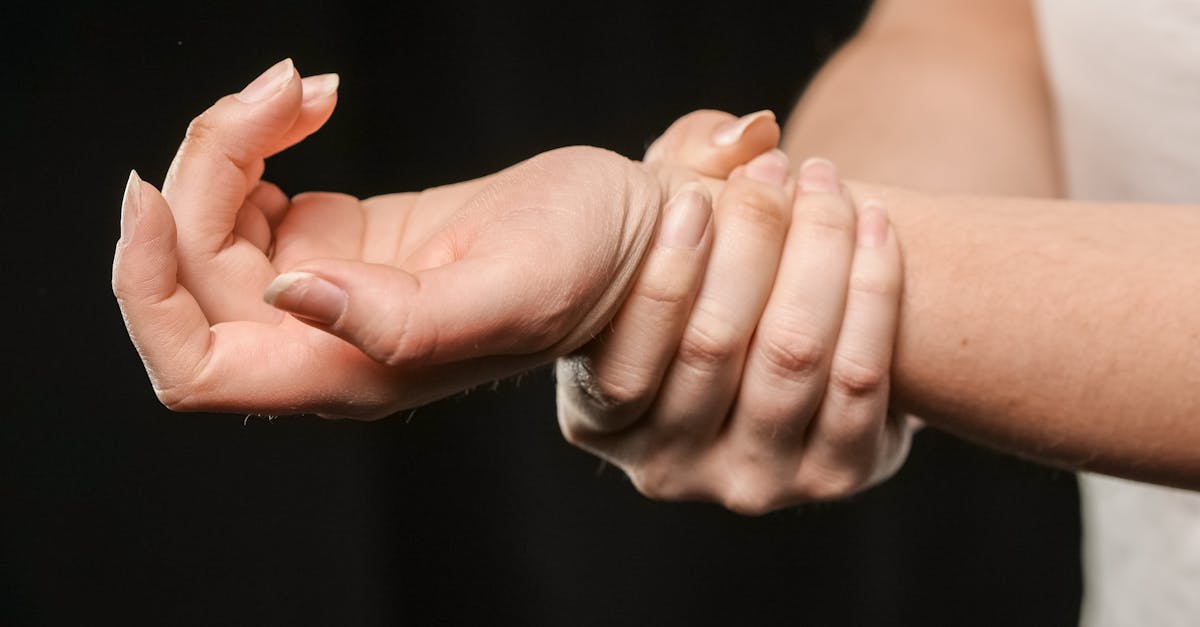
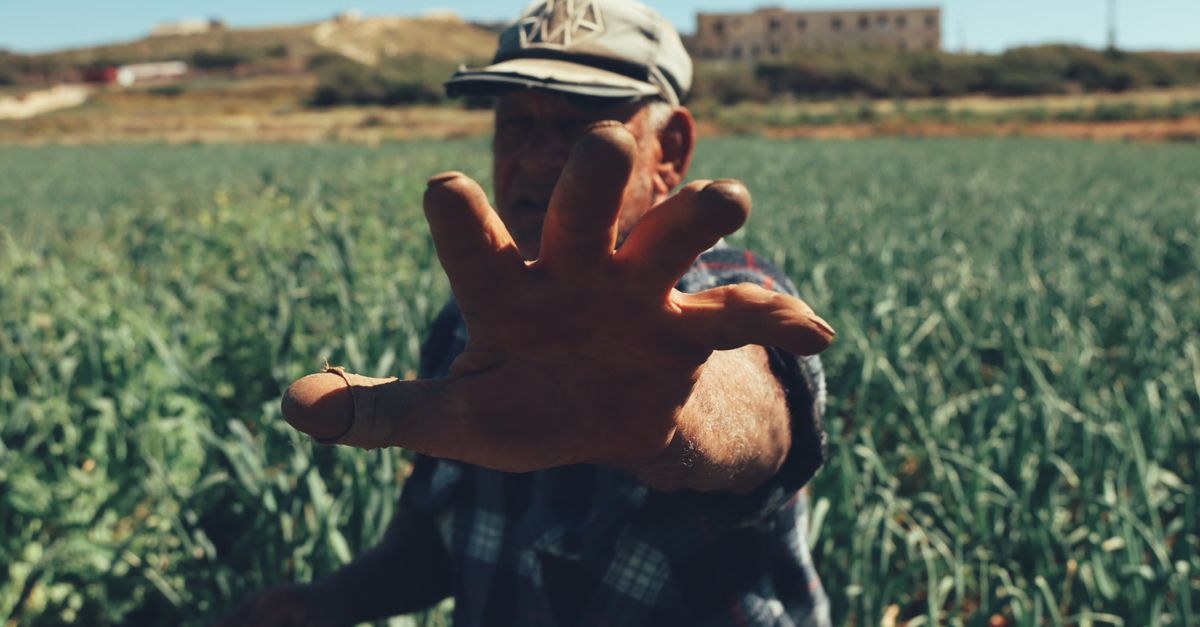
A deep aching in the knuckles right before a heavy rainstorm is a well-documented physiological response to rapid drops in barometric pressure. As atmospheric pressure decreases prior to bad weather, the gases and fluids sealed within the capsules of the small finger joints expand microscopically. This expansion increases the internal tension on the sensitive joint lining, triggering localized pain receptors, particularly in individuals with underlying cartilage wear or mild inflammation. Modifying systemic hydration and utilizing targeted thermal therapy can mitigate this weather-induced discomfort.
For centuries, individuals have reported the ability to predict incoming storms based on their joint pain. While once considered mere folklore, modern biometeorology confirms that the human musculoskeletal system acts as a biological barometer. The delicate, sealed joints of the hands are uniquely susceptible to these atmospheric shifts, providing a fascinating window into the physics of human anatomy.
2. Anatomy Of The Knuckle Joints
The knuckles comprise the metacarpophalangeal and interphalangeal joints. These are synovial joints, meaning the articulating bone ends are covered with smooth cartilage and encased entirely within a fibrous joint capsule. This capsule is lined with a synovial membrane that secretes a viscous fluid to lubricate the joint.
Crucially, the synovial capsule is a closed, airtight system. The internal environment of the joint must constantly equilibrate with the external atmospheric pressure pushing against the body. This structural reality means that any significant change in the weight of the atmosphere directly impacts the physical volume of the tissues and fluids confined within the knuckle.
3. Understanding Barometric Pressure
Barometric pressure, or atmospheric pressure, is the absolute weight of the air pressing down on the surface of the earth. During clear, sunny weather, barometric pressure is generally high, pushing firmly against the tissues of the body. This external pressure effectively keeps the soft tissues and fluids inside the joints compressed and compact.
When a weather front approaches, especially a heavy rainstorm or a low-pressure system, the barometric pressure drops rapidly. The weight of the air pressing against the skin decreases. This sudden atmospheric lightening initiates a cascade of physical and physiological changes within the enclosed spaces of the musculoskeletal system.
4. The Physics Of Tissue Expansion
The relationship between pressure and volume is governed by the principles of gas and fluid dynamics. As the external barometric pressure drops, the gases dissolved within the synovial fluid, as well as the fluid itself, expand. Furthermore, the surrounding soft tissues, including tendons and ligaments, experience a relative micro-expansion.
Because the knuckles are very small joints tightly wrapped in skin and connective tissue, there is virtually no extra room for this expansion. As the tissues swell outward microscopically, they stretch the fibrous joint capsule. This mechanical stretching is the primary biophysical mechanism responsible for the sensation of pressure and deep aching.
5. Nociceptors And Sensory Feedback
The joint capsule and the surrounding ligaments are densely populated with nociceptors, which are specialized sensory nerve endings designed to detect mechanical stress and tissue damage. When the expanding synovial fluid stretches the joint capsule, these nociceptors are directly stimulated.
In a perfectly healthy, young joint, this micro-expansion is easily accommodated by the elasticity of the tissues and goes completely unnoticed. However, if the joint capsule is stiffened by age, or if there is pre-existing low-level inflammation, the nociceptors become hyper-sensitized. They fire pain signals to the brain at a much lower threshold of mechanical stretch, resulting in a distinct, deep ache.
6. The Role Of Osteoarthritis
Individuals with mild or advanced osteoarthritis in their hands are significantly more sensitive to barometric changes. In osteoarthritis, the protective cartilage cushioning the ends of the bones slowly degrades. In response to this wear and tear, the synovial membrane often becomes chronically, subtly inflamed.
This underlying inflammation means the joint capsule is already swollen and tight. When a storm approaches and atmospheric pressure drops, the additional expansion caused by the weather pushes an already stressed joint past its pain threshold. The exposed, irritated bone surfaces and the taut capsule interact to produce a profound, throbbing discomfort in the knuckles.
7. Fluid Shifts And Edema
Changes in barometric pressure can also influence systemic fluid dynamics. A sudden drop in pressure can slightly alter the permeability of the capillary beds located in the soft tissues surrounding the joints. This can allow trace amounts of interstitial fluid to leak into the tissues of the fingers.
This subclinical edema, while barely visible to the naked eye, increases the overall mechanical pressure within the tight compartments of the hand. The fingers may feel subjectively stiff or sausage-like right before the rain begins. The increased interstitial pressure restricts normal joint gliding, contributing to the feeling of a deep, restrictive ache.
8. Sympathetic Nervous System Responses
The central nervous system actively monitors environmental conditions. Rapid drops in temperature and barometric pressure can trigger a mild systemic stress response, activating the sympathetic nervous system. This activation causes peripheral vasoconstriction, narrowing the blood vessels in the extremities to preserve core body heat.
Decreased arterial blood flow to the hands means less oxygen is delivered to the hardworking muscles and joint tissues. This localized, mild ischemia makes the tissues more rigid and less compliant to movement. The combination of rigid tissues and expanding internal joint pressure creates an ideal environment for acute mechanical aching.
9. Weather Variables Influencing Pain
Barometric pressure does not act in isolation. The severity of the knuckle ache is often dictated by a combination of specific weather variables. The table below outlines how different meteorological factors compound joint pain.
| Meteorological Factor | Physiological Effect on Joints |
|---|---|
| Rapid barometric drop | Micro-expansion of synovial fluid and capsule stretching |
| High humidity (Dampness) | Increases perception of cold and joint stiffness |
| Dropping ambient temperature | Peripheral vasoconstriction and increased fluid viscosity |
| Strong environmental winds | Rapid cooling of the skin, triggering sympathetic nerve response |
10. Viscosity Of Synovial Fluid
The synovial fluid acts as the biological oil for the knuckle joints. Its viscosity, or thickness, is temperature-dependent. Rainstorms are frequently preceded by a sudden drop in ambient air temperature. As the hands become cold, the synovial fluid thickens and becomes less slippery.
Thicker synovial fluid increases the physical drag and friction within the joint during movement. The cartilage surfaces must work harder to slide past one another. This increased mechanical resistance, combined with the pressure-induced expansion of the joint capsule, heavily exacerbates the deep, grinding ache felt in the fingers.
11. Psychological Anticipation And Pain Perception
The psychological aspect of chronic pain cannot be ignored. The brain is excellent at pattern recognition. If an individual has experienced increased joint pain prior to storms for several years, the brain forms a strong neurological association between dark clouds, shifting winds, and physical pain.
When the environmental cues of an impending storm are recognized, the brain may subconsciously anticipate pain. This anticipation can lower the central nervous system’s pain threshold, making the nociceptors in the knuckles fire more readily. This nocebo effect amplifies the genuine physiological signals triggered by the barometric drop.
12. Preventative Hydration And Diet
Systemic hydration is crucial for joint health and can mitigate weather-related pain. Cartilage is composed largely of water. Remaining well-hydrated ensures that the cartilage retains its shock-absorbing volume and that the synovial fluid maintains optimal volume and viscosity, preventing excessive friction when the pressure drops.
An anti-inflammatory diet rich in omega-three fatty acids can reduce the baseline inflammation in the synovial membrane. By lowering the systemic inflammatory markers, the joint capsule remains more elastic and better equipped to handle the physical expansion caused by the incoming low-pressure system without triggering pain.
13. Thermal Modalities For Immediate Relief
Applying targeted heat is the most effective immediate intervention for weather-related knuckle ache. Warm water baths, paraffin wax treatments, or simple heating pads induce robust localized vasodilation. The widened blood vessels deliver a surge of fresh, oxygenated blood to the tissues of the hand.
The heat also physically warms the synovial fluid, immediately reducing its viscosity and restoring smooth joint gliding. Furthermore, thermal sensory input travels to the brain faster than deep aching pain signals, effectively blocking the perception of the discomfort through the neurological gate control mechanism.
14. Compression And Mechanical Support
Wearing mild compression gloves before a storm hits provides significant mechanical relief. The tight, elastic fabric applies constant external pressure to the skin and soft tissues of the fingers. This artificial external pressure effectively counteracts the drop in atmospheric pressure.
By mimicking the weight of a high-pressure weather system, the gloves physically prevent the joint capsule and interstitial fluids from expanding outward. This mechanical containment stops the stretching of the nociceptors, preventing the deep ache from developing despite the changing weather outside.
15. Pharmacological Management
For individuals with established osteoarthritis whose weather-related pain is severely debilitating, pharmacological modulation may be necessary. Nonsteroidal anti-inflammatory drugs inhibit the production of prostaglandins, directly reducing the underlying inflammation of the synovial membrane that makes the joint so sensitive to pressure changes.
Topical analgesics containing capsaicin or diclofenac can be applied directly to the knuckles. These topical agents provide localized pain relief without the systemic side effects of oral medications. They specifically target the superficial nerve endings, blunting the nociceptive signals triggered by the expanding joint capsule.
16. When To Seek An Evaluation
Joint pain that reliably coincides with weather changes is a benign, though frustrating, physiological quirk. However, if the aching in the knuckles is newly accompanied by visible redness, intense heat radiating from the skin, or severe, persistent swelling that does not subside when the weather clears, a medical evaluation is required.
These symptoms suggest an acute inflammatory process distinct from barometric sensitivity, such as an infection, a gout flare, or the onset of rheumatoid arthritis, and necessitate a comprehensive rheumatological workup.
17. Frequently Asked Questions (FAQ)
1. Why do only some of my joints hurt when it rains, but not all of them?
Joints that have sustained previous injuries, micro-trauma, or early-stage arthritis have subtle, chronic inflammation and stiffened capsules. These compromised joints are much more sensitive to pressure expansions than your perfectly healthy, elastic joints.
2. Does moving to a dry, warm climate cure weather-related joint pain?
A warmer, stable climate can reduce the frequency of severe barometric drops and cold-induced stiffness, which often significantly improves symptoms. However, it does not cure the underlying joint wear that makes the knuckles sensitive in the first place.
3. Can cracking my knuckles cause them to ache during a storm?
Current medical evidence shows that habitual knuckle cracking does not cause arthritis or permanent joint damage. It is unlikely to make your joints more sensitive to weather unless you have forcefully injured the capsule ligaments while cracking them.
4. Is it true that the pain starts hours before the rain actually falls?
Yes, the barometric pressure drops steadily as the storm front approaches, long before the first drop of rain hits the ground. Your joints are reacting to the invisible weight of the atmosphere changing, not the precipitation itself.
5. Will taking a hot shower stop the aching in my hands?
Yes, taking a hot shower rapidly warms the synovial fluid in your joints, decreasing its thickness. It also causes local blood vessels to dilate, improving circulation and providing soothing sensory input that temporarily overrides the deep aching pain.
18. Bibliography
Disclaimer: The content is for informational purposes only and does not replace medical advice. Always consult your doctor for personalized treatment.