1. Introduction
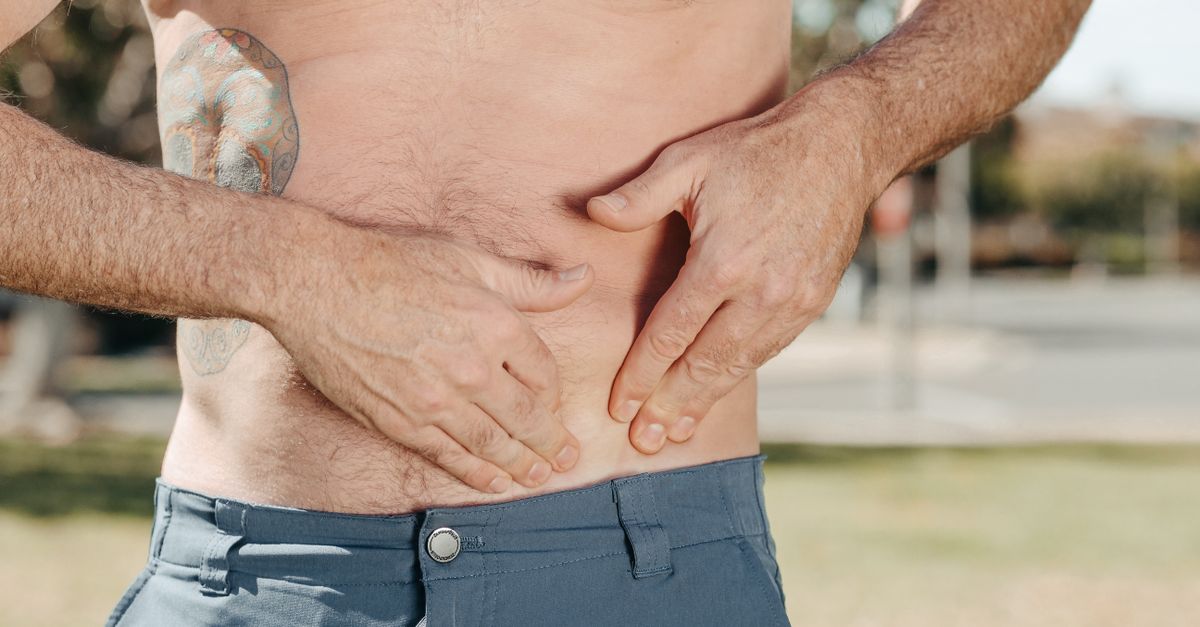
Sharp pain in the lower left abdomen during early pregnancy is frequently caused by the presence of a corpus luteum cyst on the ovary or the initial stretching of the round ligaments as the uterus begins to expand. As the reproductive organs undergo rapid hormonal and structural changes, localized discomfort is a standard physiological response. The precise location on the left side often correlates with the specific ovary that released the egg for that cycle.
While mild to moderate twinges are generally benign, the symptom requires careful clinical evaluation to ensure patient safety. The early stages of gestation involve immense cellular activity and increased blood flow to the pelvic region, which can heighten the sensitivity of surrounding nerve pathways.
Understanding the biomechanics of early gestation helps differentiate normal anatomical adjustments from pathological conditions. Patients must observe the character, duration, and associated symptoms of the pain to assist healthcare providers in making an accurate clinical assessment.
2. The Function of the Corpus Luteum
Every menstrual cycle, an ovary releases an egg from a follicle. Once the egg is released, that specific follicle transforms into a temporary endocrine structure known as the corpus luteum. Its primary job is to produce progesterone, the hormone essential for maintaining the uterine lining and supporting early gestation until the placenta takes over.
If the left ovary is the one that ovulated, the corpus luteum forms on the left side. This structure fills with fluid or blood and can grow into a small cyst. The expansion of this cyst stretches the ovarian capsule, which contains sensitive nerve endings.
This localized stretching translates into a sharp or aching pain on the specific side of ovulation. A corpus luteum cyst is a vital, functional part of early pregnancy and typically resolves on its own by the beginning of the second trimester.
3. Implantation Cramping Characteristics
Roughly one to two weeks after conception, the fertilized egg travels down the fallopian tube and burrows into the vascular lining of the uterus. This physical process of implantation disrupts the endometrial tissue and local blood vessels.
Implantation cramping is frequently felt as a sharp twinge or a series of light cramps in the lower abdomen. Because the uterus is centrally located, the pain can radiate to either the left or right lower quadrant.
This sensation is entirely physiological. It is often accompanied by a small amount of light pink or brown spotting. The pain is typically brief, lasting only a few hours to a couple of days, and does not increase in severity.
4. Round Ligament Stretching Mechanisms
The uterus is anchored to the bony pelvis by several bands of connective tissue, most notably the round ligaments. These ligaments attach to the upper portion of the uterus and anchor down through the inguinal canal to the labia.
As soon as conception occurs, hormonal signals instruct the uterus to begin softening and expanding. This growth places immediate tension on the round ligaments. Because connective tissue is fibrous and slow to stretch, sudden movements can cause the ligaments to spasm.
A sharp, pulling pain on the lower left side when standing up quickly, coughing, or rolling over is a classic presentation of a round ligament spasm. This pain is mechanical in nature and usually resolves within moments of resting.
5. Left-Sided Anatomical Considerations
The human abdomen is asymmetrical in its layout, particularly concerning the gastrointestinal tract. The descending colon and the sigmoid colon are located on the left side of the abdominal cavity. These structures are highly sensitive to the hormonal shifts of early pregnancy.
Progesterone, the dominant hormone of early gestation, relaxes all smooth muscle tissue in the body. This relaxation slows the peristaltic movements of the intestines, leading to delayed digestion.
Consequently, gas and stool can easily accumulate in the descending colon. The distension of the bowel wall on the left side can cause sharp, cramp-like pains that mimic gynecological distress but are actually gastrointestinal in origin.
6. Gastrointestinal Shifts and Constipation
As established, the slowing of the gastrointestinal tract leads to persistent constipation for many expectant mothers. When stool remains in the colon for extended periods, it becomes hard and difficult to pass.
The physical presence of compacted stool in the sigmoid colon creates localized pressure against the adjacent pelvic organs, including the expanding uterus and the left ovary. This internal crowding exacerbates lower left abdominal discomfort.
Managing dietary fiber and maintaining robust hydration are primary clinical interventions to alleviate this specific cause of pain. Ensuring smooth gastrointestinal function removes unnecessary pressure from the sensitive reproductive structures.
7. The Threat of Ectopic Pregnancy
Any localized, sharp abdominal pain in the first trimester must be evaluated for an ectopic pregnancy. This occurs when the fertilized egg implants outside the uterine cavity, most commonly in a fallopian tube.
If the egg implants in the left fallopian tube, the patient will experience progressively worsening pain in the lower left quadrant. As the embryo grows, it stretches the inflexible tube, leading to severe pain and eventual rupture if left untreated.
Ectopic pregnancies present a critical medical emergency. The pain is usually continuous and may be accompanied by vaginal bleeding, dizziness, or referred pain in the shoulder tip due to internal bleeding irritating the diaphragm.
8. Diagnosing Abdominal Pain
| Condition | Pain Quality and Timing | Accompanying Symptoms |
|---|---|---|
| Corpus Luteum Cyst | Dull ache or sharp twinges, localized | Often none, normal early gestation signs |
| Round Ligament Spasm | Brief, sharp, pulling upon movement | Resolves quickly with rest |
| Gastrointestinal Gas | Cramping, shifting pain | Bloating, constipation, relief after bowel movement |
| Ectopic Pregnancy | Severe, progressive, unrelenting | Vaginal bleeding, shoulder pain, dizziness |
9. Differentiating Physiological from Pathological Pain
Healthcare providers rely on the exact characteristics of the pain to distinguish benign adaptations from pathological threats. Physiological pain is typically intermittent. It might ache slightly or spasm briefly but generally allows the patient to continue with daily activities.
Pathological pain, conversely, is debilitating. It escalates in intensity and does not improve with postural changes, rest, or hydration.
Patients are advised to monitor the trajectory of the discomfort. A sharp twinge that disappears is rarely a cause for concern, whereas a sharp pain that settles into a constant, agonizing ache requires immediate ultrasound investigation.
10. Signs of Miscarriage Risk
Lower abdominal pain can occasionally indicate a threatened miscarriage. However, the pain associated with a loss of gestation typically presents as central pelvic cramping similar to a heavy menstrual period, rather than isolated left-sided pain.
The cramping is caused by the uterus contracting in an attempt to expel its contents. This centralized, rhythmic cramping is almost universally accompanied by bright red vaginal bleeding and the passage of tissue.
Isolated sharp pain on one side without bleeding is statistically more likely to be related to ovarian cysts, ligaments, or digestion rather than an impending miscarriage.
11. The Impact of Dehydration
Cellular hydration is critical during early pregnancy. The body is rapidly expanding its blood volume to support the new vascular networks required by the placenta.
Inadequate fluid intake leads to decreased blood perfusion to the pelvic organs. Dehydrated muscle tissue, including the uterine muscle and the surrounding ligaments, is significantly more prone to cramping and spasms.
Maintaining a high water intake ensures that the tissues remain supple and capable of accommodating the structural stretching required during the first trimester.
12. Pelvic Floor and Muscular Spasms
The muscles of the pelvic floor form a supportive hammock at the base of the pelvis. The sudden surge of pregnancy hormones and the increased blood flow to the area can cause these muscles to become hypertonic or overly tense.
A spasm in the left levator ani muscle can produce a sharp, shooting pain deep in the left pelvis. This musculoskeletal pain is often mistaken for ovarian pain due to its close anatomical proximity.
Physical therapy focused on pelvic floor relaxation and gentle stretching can alleviate this specific type of localized muscular discomfort.
13. Diagnostic Ultrasound and Blood Protocols
When a patient presents with lower left abdominal pain, the clinical standard of care involves a transvaginal ultrasound. This imaging technique provides a clear view of the uterus, both ovaries, and the fallopian tubes.
The ultrasound confirms the location of the gestational sac, effectively ruling out an ectopic pregnancy. It also allows the clinician to measure the size of any corpus luteum cysts on the left ovary.
Simultaneously, serial blood tests to measure human chorionic gonadotropin levels determine if the pregnancy is progressing normally. A steady doubling of this hormone indicates a viable uterine gestation, providing reassurance despite the physical discomfort.
14. Safe Relief Interventions
For physiological pain such as ligament spasms or cystic aching, rest is the primary treatment. Transitioning positions slowly prevents sudden tension on the connective tissues.
Applying a warm compress to the lower abdomen increases local blood circulation and relaxes tense muscles. The heat should be mild and not hot enough to raise the maternal core body temperature.
Light prenatal stretching and maintaining correct posture prevent unnecessary mechanical load on the pelvic structures, reducing the frequency of sharp, shooting pains.
15. When Immediate Medical Attention is Required
Patients must be vigilant for distinct red flag symptoms. Any sharp pain that is severe enough to induce nausea or vomiting demands immediate evaluation.
If the pain is accompanied by a fever, chills, or pain during urination, a urinary tract infection or kidney infection must be ruled out. These infections can rapidly ascend and cause systemic complications if left untreated.
Furthermore, any degree of vaginal bleeding paired with sharp left-sided pain is an absolute indication for emergency obstetric assessment to ensure the structural integrity of the reproductive organs.
16. Frequently Asked Questions FAQ
1. Is it normal to feel sharp pain on the left side when I sneeze?
Yes, sneezing causes a sudden spike in intra-abdominal pressure, which rapidly jerks the round ligaments supporting your uterus. This sudden stretch reflex causes a sharp, temporary spasm.
2. How do I know if my pain is from a cyst or something worse?
Pain from a corpus luteum cyst is usually a mild to moderate ache that remains stable. If the pain becomes severe, prevents you from walking, or is accompanied by bleeding, it requires a doctor to rule out an ectopic pregnancy.
3. Can constipation really cause sharp pain in my left ovary area?
Yes, the descending colon is situated on your left side right next to your ovary. Hard, impacted stool creates localized swelling and gas pockets that press directly on the surrounding nerves, causing sharp pain.
4. Will taking pain relievers hurt the baby in early pregnancy?
Acetaminophen is generally considered safe for pain relief under the guidance of your physician. However, nonsteroidal anti-inflammatory drugs like ibuprofen should be avoided as they can interfere with normal fetal development.
5. When do the sharp stretching pains usually stop?
The round ligament pains are most frequent during the first and second trimesters when the uterus is growing the fastest. As the connective tissues adapt to the new size, the sharp spasms typically decrease in frequency.
17. Bibliography
Disclaimer: The content is for informational purposes only and does not replace medical advice. Always consult your doctor for personalized treatment.