1. Introduction to Multigenerational Caregiving
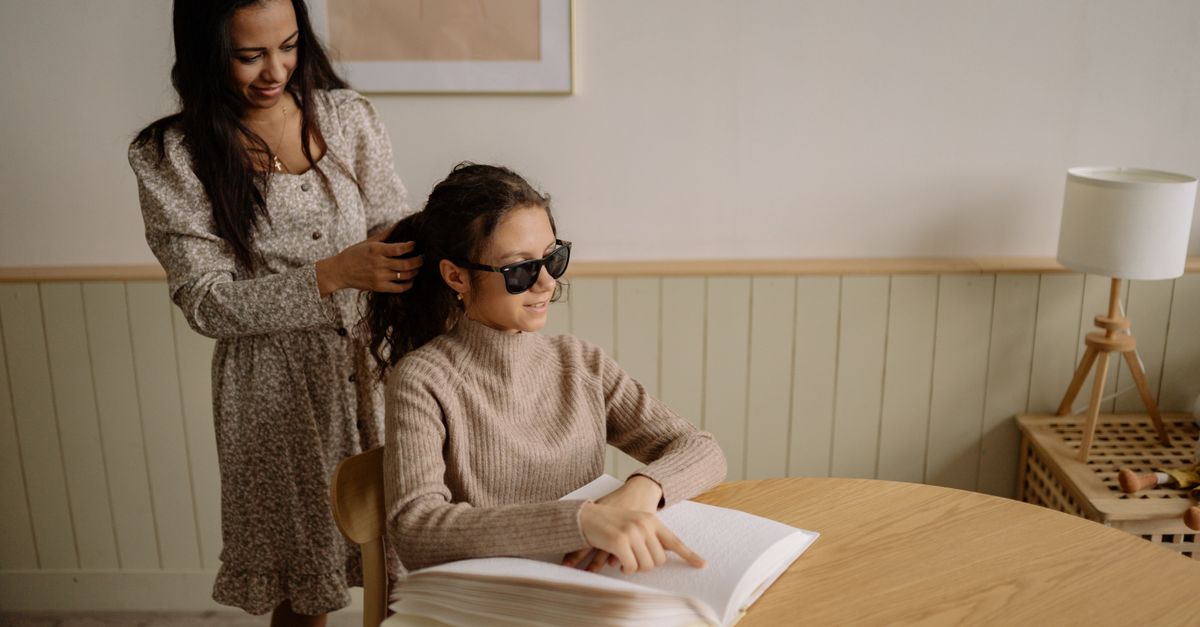
Residing with an adult daughter represents a profoundly significant demographic and clinical reality in geriatric medicine. As the aging population expands and life expectancies increase, the multigenerational household has re-emerged as a primary framework for executing long-term healthcare. From a medical perspective, this living arrangement provides a highly personalized, intensive environment for older adults whose multimorbidity or cognitive decline precludes independent living. The adult daughter frequently assumes the role of the primary, informal healthcare provider, executing complex clinical care plans within the domestic space.
The medical community views this arrangement as a critical buffer against premature institutionalization. The continuous presence of a dedicated family member provides unparalleled physiological surveillance and emotional support, actively delaying the rapid physical deconditioning commonly associated with solitary aging. However, this dynamic also generates profound physiological and psychological stressors for both the aging parent and the adult daughter.
Physicians evaluating an older adult in this living arrangement must treat the household as a continuous clinical dyad. The health and safety of the aging parent are inextricably linked to the physical endurance, health literacy, and psychological resilience of the daughter. Providing effective medical care requires optimizing the domestic environment for physical safety and aggressively mitigating the severe biological burden placed upon the informal caregiver.
2. The Female-Led Caregiving Paradigm
Epidemiologically and sociologically, the burden of informal eldercare falls disproportionately upon adult daughters. This female-led caregiving paradigm dictates specific clinical dynamics within the household. The daughter frequently manages the exhaustive logistics of healthcare navigation, pharmacological administration, and hands-on physical assistance, often while simultaneously managing her own employment and potentially her own children (the “sandwich generation”).
This intense, multifaceted responsibility generates a massive allostatic load—the cumulative physiological wear and tear resulting from chronic stress. The continuous activation of the daughter’s sympathetic nervous system leads to sustained hypercortisolemia, significantly elevating her risk for systemic inflammation, severe sleep deprivation, and major depressive disorder.
Physicians must explicitly acknowledge this dynamic during medical consultations. The health of the older adult cannot be sustained if the primary caregiver experiences a physical or psychological collapse. Proactive medical intervention must include assessing the daughter’s capacity and connecting the family with respite care resources to preserve the integrity of the domestic care structure.
3. Polypharmacy and Medication Adherence
Older adults universally present with polypharmacy—the concurrent use of multiple medications to manage intersecting chronic diseases. Executing a complex pharmacological regimen requires intact executive function and precise scheduling. In solitary living, medication errors are a leading cause of catastrophic physiological crises, such as severe hypoglycemic comas or massive strokes.
Living with an adult daughter provides a robust safety net against pharmaceutical toxicity. The daughter assumes the cognitive burden of organizing blister packs, ensuring timely administration, and securing necessary prescription refills. This meticulous oversight guarantees that life-saving cardiovascular and endocrine therapies are executed consistently.
Furthermore, the daughter serves as a vital clinical observer. If the older adult begins to exhibit profound lethargy, unexplained bruising, or severe gastrointestinal distress shortly after a medication change, the daughter can immediately alert the prescribing physician. This vigilance prevents minor adverse drug reactions from escalating into fatal toxicities.
4. Nutritional Oversight and Metabolic Stability
Clinical malnutrition, severe dehydration, and geriatric anorexia are pervasive, silent threats in the aging population. Chronic pain, diminished taste, and the physical exhaustion associated with cooking frequently suppress the older adult’s appetite. This rapid decline leads directly to sarcopenia (muscle wasting) and severe immunological collapse.
The multigenerational household structurally combats this decline. The adult daughter assumes the responsibility of procuring fresh, nutrient-dense foods and preparing meals that comply with specific medical requirements, such as sodium-restricted diets for heart failure or pureed foods for mild dysphagia.
Communal dining also provides vital social cues that encourage adequate caloric intake. The continuous monitoring of hydration status ensures that the older adult does not suffer from acute kidney injury or severe urinary tract infections induced by dehydration. This comprehensive nutritional oversight stabilizes metabolic health and provides the biological building blocks necessary for tissue repair.
5. Fall Prevention and Environmental Biomechanics
Mechanical falls are the primary cause of severe morbidity, orthopedic trauma, and loss of independence in the geriatric population. When an older adult moves in with a daughter, the architecture of the home must be rigorously evaluated and modified to mitigate these biomechanical hazards.
The daughter frequently acts as an environmental engineer, removing tripping hazards such as loose rugs and ensuring corridors are brightly illuminated. Bathrooms must be heavily modified with heavy-duty structural grab bars, elevated seating, and non-slip surfaces to accommodate the altered gait and diminished balance of the aging parent.
Beyond environmental modifications, the presence of the daughter provides active biomechanical support. If the older adult’s gait becomes unsteady due to illness or fatigue, the daughter provides standby physical assistance during transfers (e.g., from a chair to a standing position). This physical presence drastically reduces the statistical probability of a catastrophic femoral neck fracture.
6. Social Isolation and Cognitive Reserve
Profound social isolation is a potent biological toxin, carrying a mortality risk comparable to chronic smoking. It suppresses cellular immunity and dramatically accelerates the progression of Alzheimer’s disease and other dementias. Residing with an adult daughter completely eradicates solitary confinement.
The continuous social interaction—engaging in daily conversations, sharing meals, and participating in household routines—requires complex verbal processing and emotional regulation. This continuous mental exercise stimulates the cerebral cortex and builds cognitive reserve, delaying the clinical onset of severe cognitive decline.
The daughter also facilitates the older adult’s connection to the broader community, providing transportation to social events or religious services. This active mitigation of social isolation serves as a highly effective, non-pharmacological psychiatric intervention, significantly reducing the incidence of major depressive disorder in the older adult.
7. Infectious Exposures in the Multigenerational Home
While the social benefits are immense, the multigenerational household introduces specific epidemiological risks, particularly if the adult daughter has her own young children residing in the home. Young children are highly efficient vectors for communicable diseases, frequently bringing rhinoviruses, influenza, and gastrointestinal pathogens from schools directly into the domestic space.
Because the older adult suffers from immunosenescence (the natural aging of the immune system), exposure to these pediatric pathogens can result in severe morbidity. A simple respiratory virus contracted by a grandchild can rapidly progress to severe bacterial pneumonia in the frail grandparent.
Preventative medicine is paramount. The household must enforce rigorous, industrial-level hand hygiene protocols and the immediate isolation of symptomatic children from the older adult. Furthermore, the entire household—adults, children, and the aging parent—must strictly adhere to aggressive vaccination schedules, including annual influenza and updated pneumococcal vaccines, to create a protective immunological perimeter around the vulnerable senior.
8. Managing Advanced Cognitive Decline
When the older adult suffers from progressive neurocognitive disorders, such as Alzheimer’s disease or vascular dementia, the clinical demands placed on the daughter escalate exponentially. The environment must be secured to protect a patient who has permanently lost the cognitive capacity to protect themselves.
The daughter must manage severe behavioral and psychological symptoms of dementia, including agitation, paranoia, and nocturnal wandering. This requires intense environmental modification, such as installing complex locks on exterior doors and removing access to kitchen appliances to prevent domestic fires.
The continuous vigilance required to keep a dementia patient safe causes profound psychological and physical exhaustion in the caregiver. Physicians must provide the daughter with extensive psychoeducation regarding disease progression and non-pharmacological de-escalation techniques, while simultaneously connecting the family with adult day care services to provide mandatory clinical respite.
9. The Trauma of Role Reversal
The transition of an adult daughter into the primary caregiver for her parent inevitably induces a profound psychological dynamic known as role reversal. The daughter must assume authority over an individual who previously provided her with absolute care and protection. This shift frequently generates intense psychological resistance and emotional pain for both individuals.
The older adult may experience severe humiliation and a loss of dignity when requiring assistance with intimate activities of daily living, such as bathing or toileting. They may resist the daughter’s attempts to manage their finances or restrict their driving, leading to bitter interpersonal conflicts that elevate the stress levels of the entire household.
Clinical psychologists and social workers must assist the dyad in navigating this traumatic transition. Providing a neutral, clinical space to discuss the necessity of care while aggressively validating the older adult’s feelings of loss is essential to preserving the familial bond and ensuring that medical care can be delivered without continuous hostility.
10. Caregiver Syndrome and Physical Strain
The physical labor of eldercare introduces significant occupational-style hazards into the domestic environment. Assisting an adult with transferring from a bed, bathing, and navigating stairs places immense, repetitive sheer forces on the daughter’s musculoskeletal system.
This continuous physical strain heavily impacts the lumbar spine and the shoulder joints. Adult daughters frequently present with acute lumbar disc herniations, severe muscle spasms, and rotator cuff tendinopathy. The incidence of chronic lower back pain is notably elevated in informal caregivers.
Physical therapists must intervene to train the daughter in strict, safe ergonomic lifting techniques. Furthermore, the physician must strongly advocate for the procurement of mechanical lifting devices (Hoyer lifts) and hospital beds to completely remove the manual burden of weight-bearing from the daughter’s spine, preventing her from becoming permanently physically incapacitated.
11. Coordination with Outpatient Healthcare
The adult daughter frequently acts as a vital health advocate and logistical coordinator within the complex outpatient healthcare system. She assists in scheduling appointments, providing transportation, and navigating complex insurance or hospital bureaucracies.
During medical consultations, the daughter serves as a secondary, objective historian. She can provide the physician with accurate timelines regarding the onset of symptoms, such as subtle memory loss, increased breathlessness, or brief periods of confusion, which the aging parent themselves may not recall or may actively minimize to preserve their pride.
This collaborative approach to healthcare navigation ensures that the patient attends necessary preventative screenings and manages their chronic conditions proactively. Healthcare providers must actively include the daughter in care planning, ensuring she explicitly comprehends all discharge instructions, medication modifications, and signs of clinical deterioration.
12. Palliative Care and End-of-Life Planning
As chronic, degenerative diseases progress naturally toward their terminal phases, the domestic environment frequently becomes the site for end-of-life care. The adult daughter takes on the immense emotional and physical burden of nursing her parent through the dying process.
Physicians must proactively introduce specialized palliative and hospice care teams directly into the home. These professional teams provide the aggressive pharmacological symptom management required to relieve severe physical pain and respiratory distress, preventing the daughter from bearing the sole responsibility for her parent’s physical suffering.
Furthermore, clear, legally binding advanced healthcare directives must be established long before a crisis occurs. The daughter must be legally designated as the healthcare power of attorney. Having these directives documented removes the agonizing burden of making life-or-death decisions during an acute emergency, allowing the daughter to focus entirely on providing emotional comfort.
13. Recognizing the Limits of Domestic Care
A critical clinical responsibility is helping the adult daughter recognize when the biological and psychological demands of caregiving have exceeded the safety limitations of the domestic environment. There is a definitive threshold where relying solely on informal care becomes dangerous for both individuals.
| Indicator of Care Breakdown | Necessary Medical Transition |
|---|---|
| Daughter experiences profound physical exhaustion/injury | Immediate initiation of daily professional home health aides |
| Severe, unmanageable nocturnal wandering by parent | Transition of the parent to a secure memory care facility |
| Inability to safely lift the fallen parent | Implementation of mechanical lifts or transition to nursing care |
| Parent requires continuous intravenous medications | Transfer to a skilled nursing facility or acute hospital |
When these clinical thresholds are breached, the primary care physician must initiate candid, compassionate discussions to alleviate the daughter’s profound guilt. The goal is to introduce graded external support or facilitate a dignified transition to a nursing facility to preserve the health and physical safety of both the parent and the daughter.
14. Frequently Asked Questions (FAQ)
1. Why do I feel so constantly exhausted and angry while caring for my mother?
You are experiencing caregiver syndrome. The continuous physical labor, lack of sleep, and the profound emotional pain of watching a parent decline generate massive, toxic stress. This stress severely damages your nervous system and immune health. It is a genuine medical condition that requires immediate respite and professional support.
2. How does living with me improve my father’s physical health?
Living with you ensures he eats nutritious meals, stays hydrated, and takes his vital medications perfectly on time. Your presence also eliminates the severe social isolation that rapidly accelerates dementia and cardiovascular disease in older adults living alone.
3. What can I do to protect my back when helping my parent out of bed?
Never attempt to lift another adult using only your back strength. You must consult a physical therapist to learn safe biomechanical transfer techniques. More importantly, you must ask your doctor to prescribe a mechanical transfer device (like a Hoyer lift) to do the heavy lifting for you.
4. Why is my parent getting so many colds since moving into my house?
If you have your own children living in the home, they are highly efficient vectors for viruses. Children bring pathogens from school, and because your parent has an aging, weakened immune system, they catch these illnesses easily. Strict handwashing and isolating sick children are mandatory.
5. How do I know when it is time to move my parent to a nursing home?
When you can no longer safely lift them after a fall, when their dementia causes them to wander out of the house at night, or when your own physical or mental health collapses, the domestic environment is no longer safe. Moving them to a facility guarantees they receive the 24-hour skilled care they require to survive.
15. Bibliography
Disclaimer: The content is for informational purposes only and does not replace medical advice. Always consult your doctor for personalized treatment.