
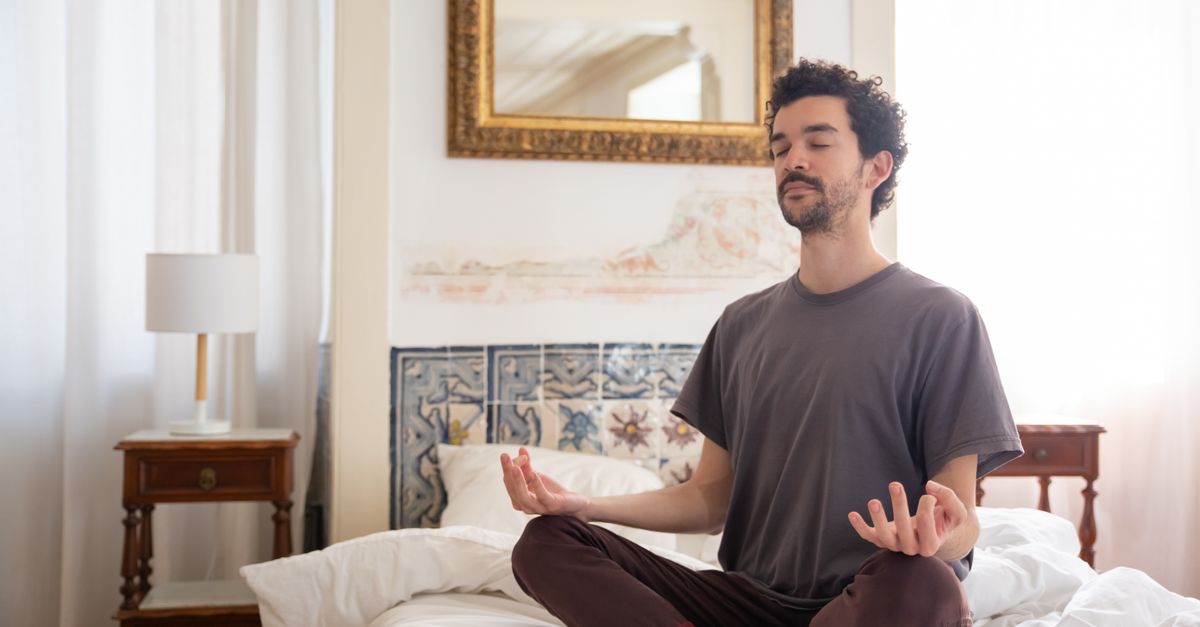
1. Introduction to Mild Anxiety
Mild anxiety is a common, often highly adaptive physiological and psychological state characterized by a heightened sense of arousal, vigilance, and apprehension regarding an upcoming event or perceived challenge. Unlike severe psychiatric anxiety disorders that paralyze cognitive functioning, mild anxiety serves an evolutionary purpose, mobilizing the body’s resources to enhance focus, increase processing speed, and optimize performance under pressure. However, when this state of low-level arousal persists continuously, it transforms from a beneficial catalyst into a chronic stressor, subtly eroding the patient’s emotional well-being and physical health.
The clinical evaluation of mild anxiety requires distinguishing these transient, functional stress responses from the early manifestations of a generalized anxiety disorder. Healthcare providers assess the frequency, duration, and specific triggers of the anxious episodes to ensure they are proportional to the environmental stimuli.
Management of mild anxiety rarely relies on pharmacological intervention. Instead, clinical focus is heavily directed toward equipping the patient with robust behavioral strategies, cognitive restructuring techniques, and somatic grounding protocols. By implementing these practices, patients can successfully regulate their autonomic nervous system, preventing mild anxiety from escalating into a debilitating clinical condition.
2. The Neurobiology of the Stress Response
Anxiety is fundamentally rooted in the activation of the body’s threat-detection network, primarily governed by the amygdala. When the brain perceives a stressor—such as an impending deadline or a complex social interaction—the amygdala signals the hypothalamus to activate the sympathetic nervous system.
This activation triggers the release of catecholamines, primarily adrenaline and noradrenaline, into the bloodstream. These neurochemicals induce a state of mild physiological hyperarousal, elevating the heart rate, increasing respiratory volume, and redirecting blood flow toward skeletal muscles.
In mild anxiety, this neurobiological response is brief and self-limiting. Once the perceived challenge is navigated, the parasympathetic nervous system engages, releasing acetylcholine to dampen the arousal and return the body to a state of homeostasis. The clinical issue arises only when this recovery phase is delayed or insufficient.
3. Differentiating Mild Anxiety from Clinical Anxiety Disorders
It is clinically imperative to establish the boundary between normal, mild anxiety and a pathological anxiety disorder. Mild anxiety is situational, directly linked to a specific, identifiable trigger. The worry is proportionate to the reality of the situation, and crucially, the patient retains full cognitive control, able to set the worry aside to focus on other tasks.
In contrast, generalized anxiety disorder involves persistent, excessive, and uncontrollable worry that is entirely disproportionate to the actual threat. It permeates multiple aspects of daily life, occurring on most days for at least six months, and causes significant impairment in occupational and social functioning.
If a patient reports that their anxiety prevents them from leaving the house, causes severe panic attacks, or leads to pervasive avoidance behaviors, the diagnosis shifts from mild, normative anxiety to a condition requiring formal psychiatric evaluation and potential pharmacological treatment.
4. Cognitive Manifestations and Rumination
The cognitive presentation of mild anxiety often involves a state of heightened mental vigilance. Patients frequently report an increase in racing thoughts and a hyper-focus on the details of the impending stressor. While this can enhance problem-solving in the short term, it can easily slip into non-productive rumination.
Rumination involves repetitively analyzing a problem without moving toward a solution. The brain gets caught in a loop of “what-if” scenarios, attempting to anticipate and prevent every possible negative outcome. This cognitive looping consumes vast amounts of working memory.
As working memory is depleted, patients experience secondary cognitive symptoms, such as mild forgetfulness, difficulty concentrating on unrelated tasks, and mental fatigue. Addressing these cognitive manifestations involves teaching the patient to interrupt the rumination cycle deliberately.
5. Somatic Symptoms of Mild Autonomic Arousal
Even in its mildest forms, anxiety produces tangible somatic symptoms due to the continuous, low-level activation of the sympathetic nervous system. Patients frequently present to primary care physicians with these physical complaints rather than acknowledging their psychological distress.
Muscle tension is one of the most pervasive symptoms, commonly localized in the jaw, neck, and shoulders, frequently resulting in tension headaches. The gastrointestinal tract, which is highly sensitive to stress hormones, may exhibit symptoms of mild nausea, altered bowel habits, or a sensation of “butterflies” in the stomach.
A slight resting tachycardia, shallow apical breathing, and mild diaphoresis (sweating) are also common. Validating these physical symptoms as real, physiological manifestations of stress, rather than dismissing them as imaginary, is a crucial step in building a therapeutic alliance with the patient.
6. The Impact on Sleep Architecture
Mild anxiety notoriously interferes with sleep onset and sleep maintenance. The transition into restorative sleep requires a significant downregulation of the autonomic nervous system and a quiet cognitive state. When cortisol and adrenaline remain slightly elevated, the brain resists entering the deeper stages of sleep.
Patients frequently experience sleep latency—lying awake for prolonged periods as the brain continues to problem-solve the events of the day. If sleep is achieved, it is often fragmented and unrefreshing.
Because sleep deprivation severely impairs emotional regulation, a vicious cycle develops. Poor sleep exacerbates the baseline anxiety the following day, which in turn makes the subsequent night of sleep even more elusive. Aggressive management of sleep hygiene is a primary clinical intervention for mild anxiety.
7. Trigger Identification and Environmental Factors
Effectively managing mild anxiety requires precise identification of the environmental and psychosocial triggers. Many patients experience a generalized sense of unease without immediately recognizing the specific catalyst.
Common triggers include occupational pressures, financial uncertainty, interpersonal conflicts, or the excessive consumption of negative news media. Furthermore, environmental factors such as chaotic, disorganized living spaces or high-noise environments act as persistent, low-level stressors on the nervous system.
Clinicians encourage patients to maintain an anxiety journal. By logging the time, intensity, and context of their anxious episodes, patients can identify distinct patterns, allowing them to proactively modify their environment or prepare mentally before encountering known stressors.
8. Cognitive Behavioral Strategies for Symptom Reduction
Cognitive Behavioral Therapy provides highly effective, evidence-based tools for managing mild anxiety. The foundation of this approach is recognizing that anxious feelings are driven by specific, often distorted, thoughts rather than the events themselves.
A primary technique is cognitive restructuring. When a patient identifies a catastrophic thought, they are taught to challenge its validity by seeking objective evidence. If a patient fears failing an upcoming presentation, they must actively recall past successful presentations to construct a balanced, realistic expectation.
Another strategy is the implementation of “worry time.” The patient designates a specific, limited time block each day to process their anxieties. If an anxious thought arises outside this window, the patient acknowledges it and defers it to the scheduled time, preventing anxiety from dominating the entire day.
9. Mindfulness and Somatic Grounding Techniques
Mindfulness and somatic grounding techniques act as direct biological overrides to the sympathetic nervous system. These practices shift the patient’s focus away from internal cognitive rumination and anchor them in their immediate physical environment.
Diaphragmatic breathing is a foundational tool. Slow, deep breaths that engage the diaphragm stimulate the vagus nerve, which immediately activates the parasympathetic nervous system, lowering the heart rate and inducing physical calm.
The “5-4-3-2-1” grounding technique is frequently recommended for acute spikes in anxiety. The patient is instructed to identify five things they can see, four they can touch, three they can hear, two they can smell, and one they can taste. This intense sensory focus rapidly diverts neural energy away from the amygdala’s fear circuits.
10. Nutritional Influences on the Nervous System
Metabolic health profoundly influences autonomic reactivity. Blood glucose fluctuations are a primary driver of somatic anxiety symptoms. The sudden drop in blood sugar following the consumption of refined carbohydrates triggers the release of adrenaline, mimicking a panic response and causing severe jitteriness and apprehension.
Dietary management involves stabilizing blood glucose by prioritizing complex carbohydrates, healthy fats, and adequate protein.
Furthermore, patients must rigorously evaluate their caffeine intake. Caffeine is a potent central nervous system stimulant that directly blocks adenosine and stimulates adrenaline release. For individuals prone to mild anxiety, even moderate amounts of caffeine can significantly amplify their baseline nervousness and disrupt sleep architecture.
11. The Role of Physical Exercise in Emotional Regulation
Physical exercise is an indispensable clinical intervention for managing anxiety. Aerobic activity accelerates the metabolism of circulating stress hormones, effectively clearing excess cortisol and adrenaline from the bloodstream.
Simultaneously, exercise stimulates the release of endorphins and brain-derived neurotrophic factor, which promote neuroplasticity and elevate mood. The physical exertion also serves as a healthy, structured outlet for the somatic tension associated with anxiety.
Clinical guidelines suggest a minimum of thirty minutes of moderate aerobic exercise most days of the week. However, even short, ten-minute bursts of vigorous activity can provide immediate, tangible relief during an acute episode of mild anxiety.
12. Work-Life Balance and Boundary Setting
In modern, hyper-connected environments, mild anxiety is frequently the result of poor boundary setting. The inability to disconnect from professional obligations or social demands leads to chronic cognitive overload.
Therapeutic guidance often focuses on behavioral boundary setting. This includes establishing strict “screen-free” times, silencing work communications after designated hours, and learning to assertively decline additional responsibilities that exceed the patient’s capacity.
Protecting dedicated time for rest, hobbies, and social connection is not a luxury; it is a physiological necessity required to allow the nervous system to return to a baseline state of repair and recovery.
13. When Mild Anxiety Escalates
While mild anxiety is generally self-managed, patients must be educated on the clinical signs indicating that the anxiety has escalated beyond a mild, normative state and requires professional medical or psychological intervention.
| Clinical Indicator | Significance |
|---|---|
| Pervasive Avoidance | Altering daily life, skipping work, or avoiding social events to escape anxiety triggers. |
| Physical Panic Attacks | Sudden onset of severe chest pain, hyperventilation, and terror that mimics a heart attack. |
| Severe Sleep Deprivation | Inability to achieve restorative sleep for multiple consecutive nights due to rumination. |
| Self-Medication | Increasing reliance on alcohol, cannabis, or other substances to numb the anxious feelings. |
Early recognition of these escalating symptoms allows for prompt psychiatric evaluation and prevents the consolidation of a chronic anxiety disorder.
14. Cultivating Long-Term Psychological Resilience
The goal of managing mild anxiety is not to eliminate stress entirely, which is an impossible objective. The clinical goal is to cultivate psychological resilience—the ability to encounter stress, process the resulting anxiety adaptively, and return swiftly to baseline functioning.
Resilience is built through consistent practice of emotional regulation techniques, maintaining robust physical health, and nurturing strong interpersonal support networks. When patients view mild anxiety not as a pathological defect, but as a manageable, natural physiological response, the fear of the anxiety itself dissipates.
By actively utilizing cognitive and somatic tools, individuals transform mild anxiety from a source of chronic distress into a manageable signal, enabling them to navigate life’s challenges with clarity and confidence.
15. Frequently Asked Questions (FAQ)
1. Is feeling anxious every day normal?
It depends on the intensity and the cause. Feeling mildly anxious about specific, real-world stressors (like a busy workday) is normal. However, if the anxiety is constant, difficult to control, and happens without a clear reason, it may be a generalized anxiety disorder requiring evaluation.
2. Can mild anxiety cause physical pain?
Yes. The constant, low-level stress of mild anxiety frequently causes chronic muscle tension, particularly in the jaw, neck, and back. It can also lead to tension headaches and gastrointestinal discomfort.
3. Should I take medication for mild anxiety?
Generally, no. Mild anxiety is best managed with behavioral changes, stress management techniques, exercise, and therapy. Prescription medications are typically reserved for severe anxiety disorders that significantly impair your ability to function.
4. How does deep breathing actually help anxiety?
Deep, slow breathing from your diaphragm physically stimulates the vagus nerve. This nerve sends a direct signal to your brain to activate the parasympathetic nervous system, which immediately acts like a brake on your body’s stress response, slowing your heart rate.
5. Does quitting caffeine really make a difference?
For many people, yes. Caffeine mimics the physical symptoms of anxiety (rapid heart rate, jitteriness). If you are already prone to mild anxiety, caffeine can amplify those physical sensations, causing your brain to panic further. Reducing intake often provides noticeable relief.
16. Bibliography
Disclaimer: The content is for informational purposes only and does not replace medical advice. Always consult your doctor for personalized treatment.
