1. Introduction
Mixed-sex play refers to the interactive, unstructured, and structured play behaviors that occur between children of different biological sexes or genders. In the realm of pediatric psychology and developmental science, play is recognized as the primary mechanism through which children explore their environment, develop cognitive architecture, and learn complex social navigation. When children engage in play exclusively with same-sex peers, they acquire specific social scripts, but integrating mixed-sex play broadens their developmental horizons significantly.
During early childhood, play serves as the foundation for empathy, conflict resolution, and emotional regulation. Historically, societal norms often implicitly or explicitly segregated children into gendered play groups, promoting distinctly different play styles. Boys were frequently encouraged toward physical, competitive play, while girls were directed toward cooperative, relational play.
Modern developmental psychology emphasizes that robust cognitive and social health relies on a diverse range of experiences. Mixed-sex play environments break down rigid behavioral silos, allowing children to acquire a comprehensive toolkit of social skills. Fostering these integrated environments is a crucial component of holistic pediatric development, preparing children for a diverse, interconnected adult world.
2. The Developmental Milestones of Play
Childhood play evolves through highly predictable developmental stages. Infants and toddlers initially engage in solitary play, exploring objects independently. This progresses to parallel play, where children play alongside one another without significant interaction. By the preschool years, children develop the cognitive capacity for associative and cooperative play, which requires shared goals, verbal negotiation, and role-playing.
It is during these cooperative stages that the dynamics of peer selection become prominent. Research consistently demonstrates that around the age of three or four, children begin to display a strong preference for same-sex playmates, a phenomenon known as gender segregation.
While this spontaneous segregation is a normal developmental milestone, relying solely on it limits a child’s exposure to diverse communication styles and problem-solving techniques. Clinically, encouraging environments that naturally facilitate mixed-sex interactions during this phase is highly beneficial for comprehensive neurodevelopment.
3. Cognitive Expansion Through Diverse Interactions
Cognitive development in childhood is deeply influenced by the variety of stimuli a child encounters. Same-sex play groups often develop established routines and predictable outcomes based on shared social conditioning. Mixed-sex play introduces cognitive novelty, forcing children to adapt to different perspectives and unexpected play scenarios.
When a child must negotiate the rules of a game with a peer who approaches problems differently, they exercise executive function. This includes cognitive flexibility, working memory, and inhibitory control. They must learn to suppress their immediate impulses, understand the other child’s viewpoint, and formulate a mutually agreeable strategy.
This cognitive stretching builds robust neural pathways. Children who frequently engage in mixed-sex play often demonstrate enhanced creative thinking and a greater capacity for nuanced problem-solving, as they are not constrained by the behavioral norms of a single gendered group.
4. Emotional Regulation and Empathy
Emotional regulation is the ability to manage and respond to an emotional experience in a socially tolerable manner. Play is the primary arena where children test boundaries and experience a full spectrum of emotions, from the intense joy of a shared game to the deep frustration of a disagreement.
Mixed-sex play provides unique opportunities for developing empathy. Children learn that emotional expressions and sensitivities can vary widely among peers. Navigating these differences requires active listening and the development of a nuanced emotional vocabulary.
By interacting across gender lines, children learn to validate feelings that might not be prominently expressed in their same-sex peer groups. This comprehensive emotional socialization reduces behavioral acting out and fosters deeper, more resilient interpersonal connections.
5. Dismantling Rigid Gender Stereotypes
One of the most profound benefits of mixed-sex play is its capacity to dismantle rigid gender stereotypes before they become deeply ingrained in a child’s psychological framework. Societal messaging frequently bombards children with restrictive narratives about what activities are appropriate for boys versus girls.
When children play together without these restrictions, they naturally gravitate toward their innate interests rather than societal expectations. Boys engaged in mixed-sex play are more likely to participate in nurturing, role-playing scenarios, such as caring for dolls or playing “house,” which develops vital caregiving and relational skills.
Conversely, girls in mixed-sex environments frequently engage in more physically active, spatial, and competitive play. This exposure builds physical confidence, spatial reasoning, and leadership skills, ensuring that neither sex is deprived of essential developmental experiences.
6. Communication Styles and Language Development
Language acquisition and communication styles are heavily influenced by peer interactions. Observational studies in developmental psychology suggest that boys’ play groups often utilize direct, assertive communication and commands, while girls’ groups frequently rely on mitigating language, proposals, and consensus-building.
Mixed-sex play requires children to bridge these linguistic divides. A child accustomed to direct commands must learn to negotiate and use persuasive language to maintain a cooperative game with a peer who prefers consensus.
This linguistic cross-training expands a child’s pragmatic language skills—the ability to use language appropriately in different social contexts. They become more adept communicators, capable of tailoring their speech to effectively interact with a diverse range of personalities.
7. The Role of the Physical Environment
The physical environment significantly dictates the type of play that occurs and the likelihood of mixed-sex interaction. Environments heavily curated with gender-specific toys—such as rooms segregated into “princess” and “action hero” zones—inadvertently discourage integrated play.
Clinically optimal play environments, whether in homes, schools, or pediatric therapy settings, utilize open-ended materials. Items such as building blocks, art supplies, nature elements, and neutral dress-up clothing do not carry strong gender connotations.
These open-ended materials invite all children to participate equally, focusing the play on creativity and collaboration rather than adherence to a specific gendered script. Designing inclusive spaces is a primary strategy for educators and child psychologists to naturally foster mixed-sex engagement.
8. Adult Scaffolding and Facilitation
Adults play a crucial role in facilitating healthy mixed-sex play, a process known as scaffolding. Scaffolding involves providing the necessary support and gentle guidance to help children achieve a social interaction they might not accomplish independently.
Parents and educators can model inclusive behavior by organizing collaborative games that require diverse skills, ensuring that teams are mixed and that all children are encouraged to take on various roles.
It is also vital for adults to monitor their own implicit biases. Unintentionally praising girls primarily for their appearance or cooperation, while praising boys for their strength or leadership, reinforces the very divides that mixed-sex play aims to bridge. Conscious, equitable praise is essential for healthy psychological development.
9. Conflict Resolution in Diverse Groups
Conflict is an inevitable and essential component of childhood play. It is through disagreements that children learn negotiation, compromise, and the concepts of fairness and justice. Mixed-sex play often introduces unique conflicts arising from differing play styles or communication preferences.
Resolving these conflicts requires advanced social cognition. Children must learn to interpret non-verbal cues that may differ from those of their same-sex peers and articulate their own needs clearly without resorting to physical aggression or social withdrawal.
Adults should view these conflicts not as failures, but as vital learning opportunities. Guiding children through the resolution process—helping them identify their feelings and brainstorm equitable solutions—builds a foundation for healthy adult relationships.
10. Long-Term Social Adaptability
The ultimate clinical and psychological goal of pediatric development is to prepare the child for a functional, healthy adulthood. The adult world, whether in higher education, the workplace, or community life, is inherently mixed-sex.
Children who have engaged robustly in mixed-sex play possess a significant advantage in social adaptability. They are less likely to experience social anxiety when collaborating with different genders and are more adept at reading diverse social cues.
Furthermore, dismantling early gender stereotypes through integrated play fosters a more egalitarian worldview, promoting mutual respect and reducing the incidence of gender-based prejudice in later life. Understanding the complexities of early social integration is as vital to mental health as recognizing the physiological mechanisms of conditions like urinary dysfunction is to physical health.
11. Benefits of Integrated Play Environments
The following table summarizes the primary developmental domains enhanced by mixed-sex play environments.
| Developmental Domain | Enhancement via Mixed-Sex Play |
|---|---|
| Cognitive Flexibility | Exposure to novel problem-solving and diverse play narratives. |
| Emotional Regulation | Increased necessity for empathy and understanding varied emotional expressions. |
| Pragmatic Language | Adaptation of communication styles to effectively negotiate with different peers. |
| Social Adaptability | Preparation for integrated adult environments and reduction of gender bias. |
12. Addressing Parental Concerns and Anxieties
Parents occasionally express anxiety regarding mixed-sex play, particularly as children approach pre-adolescence. Concerns often revolve around the rough-and-tumble nature of some play or the premature sexualization of childhood interactions.
It is clinically important to reassure parents that rough-and-tumble play is a normal, healthy behavior that helps children learn physical boundaries and self-regulation, provided it is consensual and supervised. It is not inherently aggressive.
Furthermore, childhood play is fundamentally about exploration and socialization, not sexuality. Imposing adult anxieties onto innocent childhood interactions can induce unnecessary shame and inhibit healthy social development. Open communication between pediatricians, educators, and parents is essential to maintain a supportive environment.
13. Play in the Context of Neurodiversity
The dynamics of mixed-sex play must also be considered through the lens of neurodiversity. Children with conditions such as Autism Spectrum Disorder or Attention-Deficit/Hyperactivity Disorder may experience unique challenges in interpreting social cues or regulating impulses during complex play scenarios.
For neurodivergent children, structured, adult-facilitated mixed-sex play can serve as a highly effective therapeutic intervention. It provides a safe, controlled environment to practice social scripts, develop peer relationships, and build self-esteem.
Therapists utilize play-based interventions to help these children decode the varying communication styles present in integrated groups, ensuring they are not socially isolated and can access the full spectrum of developmental benefits.
14. Integrating Play into Educational Curricula
Modern educational frameworks increasingly recognize the clinical importance of play in cognitive and social development. Early childhood curricula should intentionally design activities that mandate mixed-sex collaboration.
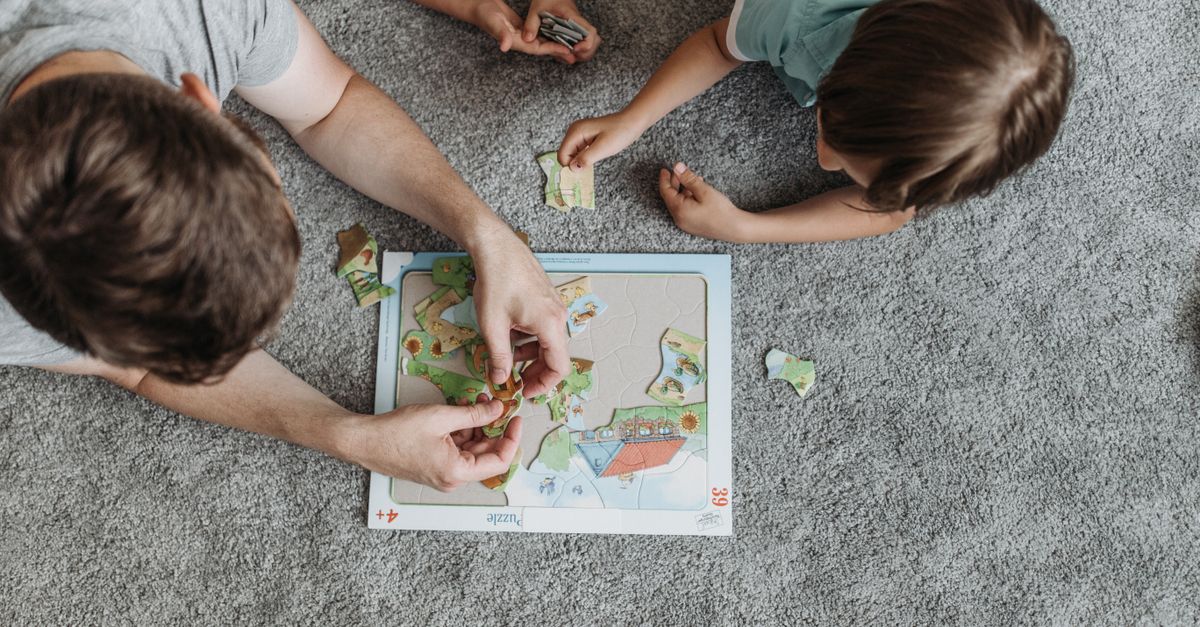
Project-based learning, where small, diverse groups of children must work together to build a structure, solve a puzzle, or create an art piece, naturally fosters the necessary negotiation and cooperation.
Educators are trained to act as facilitators, gently guiding the interactions and ensuring that all voices are heard and respected, thereby institutionalizing the benefits of mixed-sex play within the daily academic environment.
15. When to Seek Professional Guidance
If a child consistently isolates themselves, exhibits extreme distress when asked to play with peers, or consistently acts out aggressively during peer interactions, a consultation with a pediatric psychologist or developmental pediatrician is warranted.
Furthermore, if a child demonstrates rigid, obsessive adherence to gender stereotypes that causes them distress when those rules are challenged, professional guidance can help uncover underlying anxieties and provide strategies to increase cognitive flexibility.
Early intervention is highly effective in addressing social and behavioral challenges, ensuring that every child has the opportunity to develop the robust social skills necessary for a healthy, integrated life.
16. Frequently Asked Questions (FAQ)
1. Is it normal for my four-year-old to only want to play with children of the same sex?
Yes, this is a completely normal developmental stage known as gender segregation. Around age three or four, children naturally gravitate toward same-sex peers as they begin to understand social categories. However, gently encouraging mixed play alongside this is beneficial.
2. How can I encourage mixed-sex play at home?
Provide open-ended toys like building blocks, art supplies, and neutral dress-up clothes that do not push a specific gender narrative. Arrange playdates with a diverse group of children and organize collaborative games that require everyone to work together.
3. Should I stop rough-and-tumble play between boys and girls?
As long as the play is consensual, safe, and all children are laughing and willing participants, rough-and-tumble play is healthy. It helps children learn physical boundaries and self-control. Intervene only if the play becomes aggressive or a child is in distress.
4. Does playing with opposite-sex toys confuse a child’s development?
Not at all. In fact, it enhances their development. A boy playing with a doll is learning vital nurturing and empathy skills. A girl playing with building blocks is developing spatial reasoning and engineering skills. All children benefit from a full spectrum of experiences.
5. What if my child refuses to participate in mixed groups at school?
Do not force the child, as this can increase social anxiety. Instead, speak with the teacher about gradually integrating the child into mixed groups through highly structured, small-group activities where the child feels safe and supported by adult facilitation.
17. Bibliography
Disclaimer: The content is for informational purposes only and does not replace medical advice. Always consult your doctor for personalized treatment.