
1. Introduction
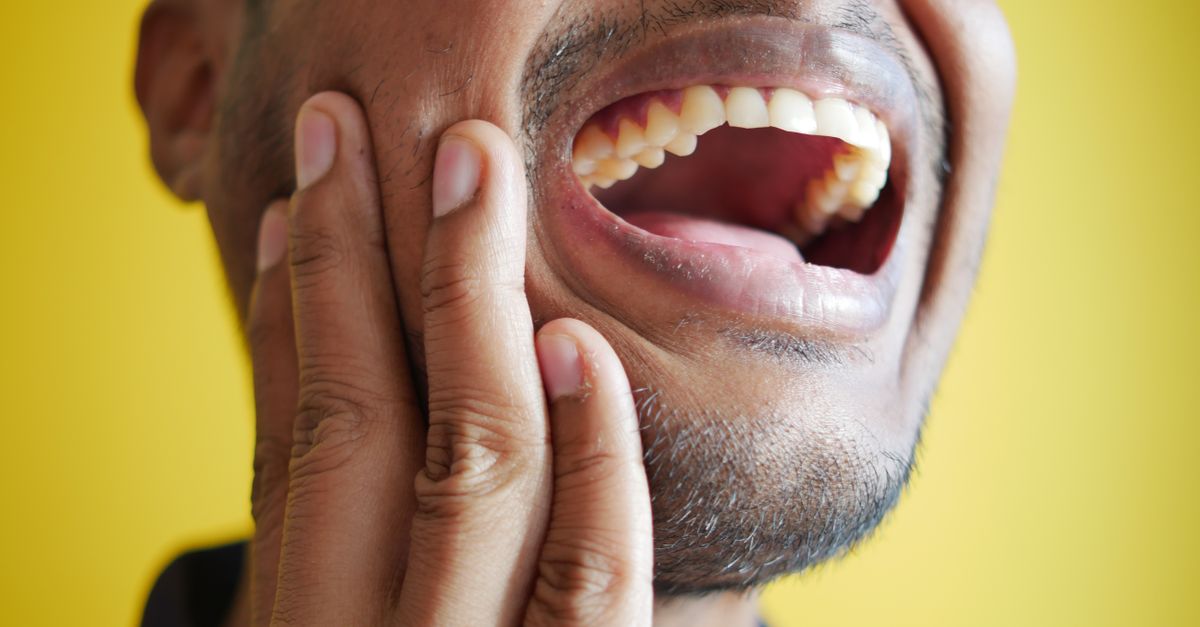
Jaw pain that is worse in the morning is predominantly caused by sleep bruxism, a condition characterized by nocturnal teeth grinding and clenching that severely fatigues the masticatory muscles and inflames the temporomandibular joint. While asleep, the protective reflexes that normally prevent excessive biting force are diminished. Consequently, the jaw muscles can exert immense, continuous pressure for hours, leading to profound micro-trauma, lactic acid buildup, and joint compression that presents as a dull, aching pain immediately upon waking.
The human jaw is a complex hinge mechanism, relying on a delicate balance of muscular coordination, cartilage discs, and bone alignment. When this system is subjected to chronic, unconscious mechanical stress during the night, the structural integrity of the temporomandibular joint is compromised. Factors such as psychological stress, obstructive sleep apnea, and poor cervical spine posture significantly amplify this nocturnal activity.
Addressing morning jaw discomfort requires a targeted clinical approach that identifies the root cause of the nocturnal muscle hyperactivity. By implementing physical barriers to protect the teeth, utilizing muscular relaxation techniques, and addressing underlying sleep disordered breathing, clinicians can successfully alleviate the severe pain and prevent long-term degenerative damage to the jaw joint.
2. The Dynamics of Sleep Bruxism
Sleep bruxism is a sleep-related movement disorder characterized by the rhythmic, involuntary grinding of the teeth and sustained clenching of the jaw muscles. Unlike awake bruxism, which is often a subconscious nervous habit or physical reaction to stress, sleep bruxism involves powerful, centrally mediated muscle contractions that the patient cannot control.
During normal chewing, the teeth only make contact for brief milliseconds. The jaw muscles exert moderate force and quickly relax. In sleep bruxism, the masseter and temporalis muscles lock the teeth together with extraordinary force, sometimes generating over two hundred and fifty pounds of pressure per square inch.
This sustained, monumental force places an extreme mechanical burden on the facial structures. Because the patient is asleep, they do not feel the pain building up. They only register the devastating aftereffects of this muscular marathon when consciousness returns in the morning.
3. Anatomy of the Temporomandibular Joint
To understand the pain, one must understand the temporomandibular joint. Located just in front of each ear, this joint connects the mandible (lower jaw) to the temporal bone of the skull. It is unique because it must act as both a hinge and a sliding joint to allow the mouth to open wide and move side to side.
Between the bones lies a small, fibrous cartilage disc that acts as a shock absorber. This disc prevents the bones from rubbing against each other during movement. The entire joint is surrounded by a highly innervated and vascularized joint capsule.
When a patient engages in severe nocturnal clenching, the intense muscular force drives the lower jaw upward and backward into the joint socket. This compresses the delicate blood vessels and nerves behind the cartilage disc, leading to severe, localized joint inflammation and the sharp pain often felt directly in front of the ear upon waking.
4. Muscular Fatigue and Spasm
The primary source of morning jaw pain is often the muscles themselves, rather than the joint. The masseter muscle, located at the angle of the jaw, and the temporalis muscle, fanning out over the side of the head, are the main elevators of the mandible.
When these muscles contract continuously for hours during sleep bruxism, they deplete their local oxygen and energy stores. This ischemic environment forces the muscles to rely on anaerobic metabolism, which produces lactic acid and other irritating metabolic waste products.
The accumulation of these toxins, combined with structural micro-tears in the muscle fibers, causes profound delayed onset muscle soreness. The muscles become chronically tight and may enter a state of protective spasm. This muscular fatigue is perceived as a deep, radiating ache that spans the jaw, cheeks, and temples when the patient first attempts to open their mouth in the morning.
5. The Role of Stress and Cortisol
Psychological stress is a massive biological driver of nocturnal jaw clenching. The autonomic nervous system processes daily anxieties, financial worries, and emotional distress long after the patient has fallen asleep.
Chronic stress elevates basal levels of cortisol and adrenaline. This hyper-aroused state alters the central nervous system’s motor output. Instead of resting in a parasympathetic state, the brain remains vigilant, discharging excess nervous energy through the cranial nerves directly into the jaw muscles.
Patients frequently report that their morning jaw pain correlates precisely with periods of high stress at work or in their personal lives. Breaking this cycle requires cognitive and physical down-regulation before sleep, as the brain will unconditionally manifest unresolved daytime tension as nocturnal muscular hyperactivity.
6. Sleep Architecture and Micro-Arousals
Sleep is not a uniform state; it cycles through periods of deep, slow-wave sleep and lighter, rapid eye movement sleep. Clinical polysomnography studies reveal that episodes of sleep bruxism occur predominantly during light sleep and during transitions between sleep stages, known as micro-arousals.
A micro-arousal is a brief, three-to-ten-second shift toward wakefulness that the patient does not remember. During these arousals, heart rate increases, brain activity spikes, and the jaw muscles rhythmically contract.
Conditions that cause frequent micro-arousals, such as environmental noise, restless leg syndrome, or chronic pain, drastically increase the frequency of bruxism episodes. A fragmented sleep architecture guarantees a higher volume of grinding, directly resulting in severe morning jaw pain.
7. The Obstructive Sleep Apnea Link
There is a highly significant clinical correlation between obstructive sleep apnea and sleep bruxism. Sleep apnea involves the repeated collapse of the soft tissues in the throat, cutting off the airway and halting oxygen flow to the lungs.
When the brain senses this severe lack of oxygen, it triggers an emergency micro-arousal to force the airway open. As part of this desperate physical effort to breathe, the brain commands the jaw muscles to contract forcefully, thrusting the lower jaw forward to physically pull the tongue out of the throat.
This reflex saves the patient’s life by reopening the airway, but it subjects the temporomandibular joint and the masseter muscles to violent, repetitive mechanical stress throughout the night. Treating the underlying apnea is often the only way to resolve this specific cause of morning jaw pain.
8. Sleep Posture and Cervical Alignment
The alignment of the cervical spine directly influences the resting posture of the mandible. The muscles of the neck, upper back, and jaw are intimately connected via complex fascial webs and shared neurological pathways.
Sleeping on the stomach with the head turned sharply to one side is highly detrimental. This position applies direct, asymmetrical mechanical pressure to the jawbone, pushing it out of alignment. It also places severe torque on the upper cervical vertebrae, causing the neck muscles to spasm.
These neck spasms refer pain directly into the jaw and temple. Furthermore, poor pillow support that forces the head too far forward closes the airway slightly, increasing the likelihood of reflexive clenching. Maintaining a neutral, supine sleeping posture with adequate neck support minimizes structural strain on the temporomandibular joint.
9. Dental Occlusion and Bite Misalignment
Dental occlusion refers to how the upper and lower teeth fit together when the mouth is closed. An abnormal bite, whether due to genetics, missing teeth, or poorly fitted dental crowns, forces the jaw muscles to work much harder to achieve a stable resting position.
If the teeth do not interlock harmoniously, the central nervous system constantly searches for a comfortable resting spot during the night. This continuous searching manifests as grinding.
Furthermore, a misaligned bite creates uneven pressure distribution. When the patient clenches, the force is not absorbed evenly across all the teeth. Instead, it is concentrated on a few specific teeth and the corresponding side of the temporomandibular joint, leading to localized, severe unilateral joint pain in the morning.
10. Structured Overview of Morning Jaw Pain Causes
Differentiating the source of the mechanical stress aids in targeted clinical treatment. The table below outlines the primary triggers for nocturnal jaw pain.
| Trigger Category | Specific Cause | Mechanism of Jaw Pain |
|---|---|---|
| Neuromuscular | Sleep bruxism (grinding/clenching) | Severe muscle fatigue and lactic acid buildup. |
| Airway/Respiratory | Obstructive sleep apnea | Reflexive jaw thrusting to open a collapsed airway. |
| Biomechanical | Stomach sleeping, poor neck posture | Direct joint compression and referred pain from cervical spine. |
11. Osteoarthritis of the Temporomandibular Joint
Long-term, untreated sleep bruxism eventually degrades the anatomical structures of the jaw. Over years of immense pressure, the protective cartilage disc inside the joint can wear thin or become permanently displaced, leading to internal derangement.
Once the cartilage is compromised, the bone of the mandibular condyle begins to rub directly against the bone of the skull. This mechanical friction causes osteoarthritis of the temporomandibular joint.
Like osteoarthritis in the knees or hands, arthritic jaw joints are highly susceptible to stiffness after periods of immobility. The lack of movement during the night allows inflammatory fluids to pool within the joint space, resulting in severe stiffness and a grating or clicking sensation upon opening the mouth in the morning.
12. Medication-Induced Bruxism
A thorough clinical evaluation must review the patient’s pharmacological profile. Certain medications are well-documented triggers for severe nocturnal bruxism, a side effect clinically known as drug-induced movement disorders.
Selective serotonin reuptake inhibitors, a widely prescribed class of antidepressants, alter the balance of serotonin and dopamine in the brain. This neurochemical shift can induce powerful, involuntary jaw clenching during sleep in a significant subset of patients.
If morning jaw pain begins shortly after initiating a new psychiatric medication, the physician may need to adjust the dosage, switch to a different class of medication, or prescribe a counteracting agent to calm the motor pathways.
13. Immediate Morning Relief Techniques
When waking up with severe jaw pain, immediate physical intervention helps break the muscle spasm and restore circulation. Applying moist heat to the masseter muscles (the sides of the cheeks) and the temporalis muscles (the temples) dilates blood vessels, flushing out accumulated lactic acid and relaxing the tight muscle fibers.
Gentle, active range of motion exercises are crucial. Opening and closing the mouth slowly, without pushing into the pain, circulates synovial fluid within the joint.
Self-massage of the masseter muscle can release specific trigger points. Using the fingertips to apply firm, circular pressure to the bulky muscle just above the angle of the jaw helps physically elongate the contracted tissue and interrupt the pain signaling loop.
14. Oral Appliances and Occlusal Splints
The most universally effective clinical intervention for sleep bruxism is the fabrication of a custom occlusal splint, commonly known as a night guard. Provided by a dentist, this hard acrylic device fits precisely over the upper or lower teeth.
The night guard serves multiple mechanical purposes. First, it physically protects the enamel from grinding away. Second, it provides a smooth, even surface for the opposing teeth to glide against, reducing the friction and strain on the temporomandibular joint.
Crucially, a well-adjusted splint slightly opens the vertical dimension of the bite. This minor stretch alters the resting length of the masseter and temporalis muscles, putting them at a mechanical disadvantage that makes it physically harder for them to contract with maximum force, significantly reducing morning pain.
15. When to Consult a Specialist
Occasional morning jaw soreness after a stressful day is common, but chronic, severe pain requires professional dental and medical evaluation.
If the patient experiences an inability to fully open their mouth (trismus), severe clicking that causes the jaw to lock in place, or pain that radiates down the neck and into the shoulders, immediate specialist intervention is necessary.
A dentist specializing in orofacial pain can evaluate the integrity of the temporomandibular joint using advanced imaging. If sleep apnea is suspected due to accompanying loud snoring or daytime fatigue, a referral to a sleep medicine physician for a comprehensive sleep study is mandatory to address the systemic root cause of the nocturnal grinding.
16. Frequently Asked Questions
1. Why does my jaw only hurt when I first wake up?
Morning jaw pain is the classic symptom of sleep bruxism. While you are asleep, you are unconsciously clenching your jaw or grinding your teeth with immense force. You do not feel it happening, but you wake up feeling the severe muscle fatigue and joint inflammation caused by this hours-long workout.
2. Can stress really cause my jaw to hurt?
Absolutely. Psychological stress keeps your central nervous system highly aroused even while you sleep. The brain discharges this nervous tension by sending signals to your jaw muscles, causing them to clench tightly throughout the night.
3. Will an over-the-counter mouthguard fix my jaw pain?
Over-the-counter boil-and-bite mouthguards are soft and can actually encourage more chewing and clenching while you sleep, making the muscle pain worse. A custom, hard acrylic night guard made by a dentist is required to properly protect the joint and relax the muscles.
4. Is it possible that my sleeping position is causing my jaw pain?
Yes. Sleeping on your stomach with your head twisted to the side places direct mechanical pressure on your jaw joint and forces your neck muscles into an unnatural position. This torque directly contributes to jaw joint compression and morning pain.
5. When should I see a doctor about my jaw pain?
You should see a dentist or doctor if the pain is severe and chronic, if your jaw clicks loudly and locks, if you cannot fully open your mouth, or if you also suffer from loud snoring and daytime exhaustion, which may indicate sleep apnea.
17. Bibliography
Disclaimer: The content is for informational purposes only and does not replace medical advice. Always consult your doctor for personalized treatment.
