
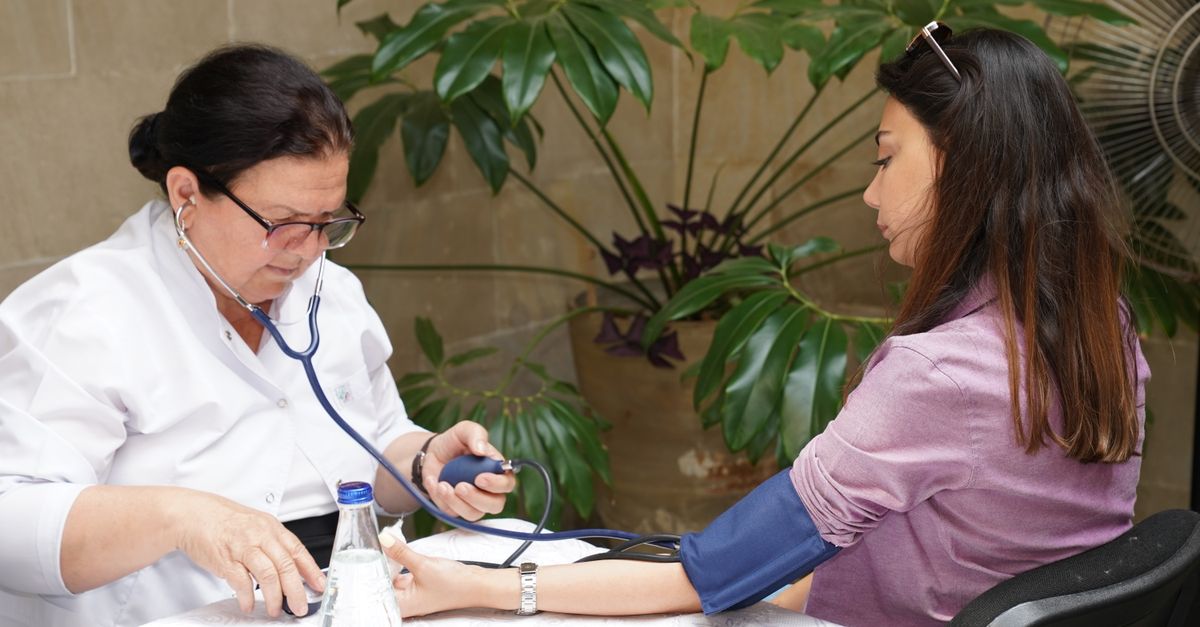
1. Introduction
Hypertension in the obstetric context encompasses a spectrum of cardiovascular disorders that develop prior to or during pregnancy, representing a significant risk to both maternal and fetal health. Elevated blood pressure during gestation is not a singular disease but rather a complex physiological disturbance characterized by increased vascular resistance and altered endothelial function. During a healthy pregnancy, the maternal circulatory system undergoes profound adaptations, including widespread vasodilation, to ensure optimal blood flow to the developing placenta. When this delicate hemodynamic balance fails, systemic blood pressure rises, initiating a cascade of pathological events that can compromise organ function.
The clinical management of obstetric hypertension requires a precise balance. The primary goal is to lower maternal blood pressure sufficiently to prevent dangerous neurological or cardiovascular complications while maintaining adequate perfusion to the placenta to sustain fetal growth. Accurate classification of the hypertensive disorder is the cornerstone of effective treatment. Interventions range from rigorous outpatient monitoring and lifestyle modifications to potent pharmacological therapy and, ultimately, the timed delivery of the fetus. Timely recognition and expert obstetric care are essential to mitigate the risks and guide the patient safely through pregnancy and the postpartum period.
2. Hemodynamic Adaptations in Normal Pregnancy
To comprehend the pathology of elevated blood pressure during gestation, one must understand the remarkable cardiovascular adaptations required to sustain a developing fetus. Early in the first trimester, the maternal blood vessels undergo generalized relaxation. This vasodilation is largely mediated by hormones such as progesterone and increased production of nitric oxide within the vascular endothelium.
This widespread relaxation of the blood vessels naturally lowers systemic vascular resistance, causing a typical drop in blood pressure during the early and middle stages of pregnancy. To fill this newly expanded vascular space and provide adequate blood flow to the placenta, the maternal body retains sodium and water, increasing total blood volume by a substantial margin. The heart works harder, increasing cardiac output to pump this expanded volume. In a healthy pregnancy, the blood vessels remain relaxed, accommodating the extra volume without a rise in pressure.
3. Classification of Obstetric Hypertension
Obstetricians carefully classify elevated blood pressure during pregnancy into distinct clinical categories to dictate appropriate monitoring and therapy. These classifications are based on the timing of onset and the presence of systemic symptoms.
The primary categories include chronic hypertension, gestational hypertension, preeclampsia, and preeclampsia superimposed on chronic hypertension. Chronic hypertension is identified when elevated blood pressure is present before conception or diagnosed prior to the twentieth week of gestation. Gestational hypertension involves elevated blood pressure developing strictly after twenty weeks of gestation, without any evidence of protein in the urine or other systemic organ damage. Accurate classification is vital because the risk trajectory and management protocols differ significantly among these groups.
4. Chronic Hypertension in Pregnancy
Women entering pregnancy with preexisting chronic hypertension face unique physiological challenges. The underlying stiffening of the blood vessels associated with chronic high blood pressure can impede the normal vasodilatory adaptations required during the first trimester.
These patients are at a statistically higher risk for developing superimposed preeclampsia, a condition where the baseline hypertension suddenly worsens and begins damaging end organs. Furthermore, chronic hypertension increases the likelihood of fetal growth restriction, as the narrowed maternal blood vessels may fail to deliver optimal nutrients and oxygen across the placenta. Management involves transitioning the patient to pregnancy-safe antihypertensive medications and implementing rigorous ultrasound surveillance to monitor fetal development closely.
5. Gestational Hypertension Pathophysiology
Gestational hypertension is characterized by a new-onset elevation in blood pressure occurring in the latter half of pregnancy. While the exact physiological trigger remains under investigation, it is believed to result from an abnormal maternal vascular response to the advancing pregnancy.
Unlike chronic hypertension, gestational hypertension typically resolves within a few weeks postpartum. However, it requires intense clinical vigilance because a substantial percentage of women with this diagnosis will progress to develop preeclampsia. The vascular resistance increases, placing additional workload on the maternal heart and decreasing the efficiency of placental perfusion.
6. Preeclampsia and the Placental Mechanism
Preeclampsia is a complex, systemic syndrome whose origins lie exclusively in the abnormal development of the placenta during the initial stages of pregnancy. In a healthy gestation, specialized fetal cells invade the maternal uterine blood vessels, remodeling them from narrow tubes into wide channels capable of delivering high-volume, low-pressure blood flow.
In preeclampsia, this cellular invasion is shallow and incomplete. The maternal spiral arteries remain narrow and rigid. As the fetus grows and demands more oxygen, these narrow vessels fail to deliver adequate blood, leading to placental ischemia. The stressed, oxygen-deprived placenta releases an array of anti-angiogenic proteins into the maternal bloodstream, which trigger systemic disease.
7. Endothelial Dysfunction and Vascular Spasm
The proteins released by the ischemic placenta act as toxins to the mother’s vascular endothelium, the delicate inner lining of all her blood vessels. This widespread endothelial injury causes the blood vessels to become intensely constricted and highly permeable, leaking fluid into the surrounding tissues.
This generalized vasoconstriction drives the hallmark symptom of severe hypertension. Simultaneously, the damaged endothelium activates the coagulation cascade, forming microscopic blood clots and consuming platelets. The leaky blood vessels cause fluid shifts, leading to profound systemic swelling and concentrating the blood, which significantly reduces blood flow to the mother’s brain, liver, and kidneys.
8. Clinical Symptoms of High Blood Pressure
While mild gestational hypertension is often completely asymptomatic, the progression to severe disease generates warning signs reflecting systemic organ stress. The primary biochemical sign is proteinuria, indicating that the delicate filtering units of the kidneys have been damaged by the high pressure.
Physical symptoms include rapid weight gain and severe swelling, particularly in the hands and face. As the disease affects the liver, patients frequently report persistent pain in the upper right quadrant of the abdomen. Neurologically, the high pressure and cerebral fluid shifts present as a persistent, severe headache that does not respond to standard pain relievers, often accompanied by visual disturbances such as blurred vision or seeing flashing lights.
9. Fetal Implications and Growth Restriction
The disease process of obstetric hypertension heavily compromises the health of the developing fetus. Because the maternal blood vessels are constricted systemically, the blood flow delivering oxygen and nutrients across the placenta is diminished.
This chronic placental insufficiency frequently results in intrauterine fetal growth restriction. The fetus fails to achieve its genetic growth potential, remaining small for its gestational age. Furthermore, the stressed placenta is at a high risk for placental abruption, an event where the placenta prematurely separates from the uterine wall, cutting off the fetal oxygen supply and causing maternal hemorrhage.
10. Diagnostic Laboratory Assessments
The vigilant monitoring of a pregnant woman with hypertension requires rigorous, repeated diagnostic testing to detect any subtle transition into more severe disease states.
| Diagnostic Evaluation | Clinical Purpose |
|---|---|
| Urine Protein Assessment | Quantifies exact protein spillage to confirm early renal endothelial damage. |
| Complete Blood Count | Monitors platelet levels to detect systemic consumption and clotting abnormalities. |
| Comprehensive Metabolic Panel | Evaluates liver transaminases and kidney function markers like serum creatinine. |
| Fetal Doppler Ultrasound | Measures the resistance of blood flow in the umbilical artery to assess placental health. |
11. Differentiating Preeclampsia from Chronic Hypertension
Distinguishing between an exacerbation of chronic hypertension and the onset of superimposed preeclampsia is a critical clinical determination.
While chronic hypertension features a steady elevation in pressure, superimposed preeclampsia involves a sudden, sharp spike in blood pressure that becomes resistant to previously effective medications. The appearance of new-onset proteinuria, a sudden drop in blood platelets, or an unexplained elevation in liver enzymes definitively signals the transition to preeclampsia, mandating an immediate shift toward a more aggressive treatment and delivery strategy.
12. Outpatient Monitoring and Care
For women diagnosed with mild gestational hypertension or well-controlled chronic hypertension, the clinical strategy is vigilant outpatient monitoring to safely prolong the pregnancy.
The patient is instructed to monitor her blood pressure daily at home and attend frequent prenatal visits. Fetal monitoring, utilizing non-stress tests and biophysical profiles, is performed routinely to ensure the fetus remains well-oxygenated. Patients are advised to reduce physical stress and immediately report any severe headaches, visual changes, or abdominal pain to their obstetrician.
13. Pharmacological Blood Pressure Management
When blood pressure reaches severe levels, pharmacological intervention is required to prevent a maternal stroke or placental abruption. The goal of medication is to keep the maternal pressure safe without dropping it so low that placental blood flow is compromised.
Oral medications, commonly labetalol, nifedipine, or methyldopa, are utilized for maintenance therapy. It is critical to note that certain common blood pressure medications in the general population, specifically angiotensin-converting enzyme inhibitors, are strictly contraindicated during pregnancy, as they cause severe structural defects and renal failure in the developing fetus. In acute, severe hypertensive crises, intravenous medications are administered in a hospital setting for rapid control.
14. The Role of Delivery in Obstetric Care
The ultimate, definitive medical treatment for severe preeclampsia and gestational hypertension is the delivery of the fetus and the removal of the placenta. The timing of delivery is the most critical decision made by the obstetric team.
If the pregnancy is at or beyond thirty-seven weeks, delivery is typically induced. If the pregnancy is premature and the mother’s condition is stable, the team attempts to delay delivery to administer corticosteroid injections. These steroids accelerate the development of the fetal lungs, reducing the risk of respiratory distress when the premature baby is born. However, if the mother develops uncontrollable blood pressure or organ failure, the baby must be delivered instantly to preserve maternal life.
15. Postpartum Monitoring and Cardiovascular Health
The danger associated with obstetric hypertension does not vanish the moment the baby is born. The period following childbirth remains a critical window. While removing the placenta stops the release of toxic proteins, it takes time for the maternal endothelium to heal and for fluid shifts to resolve.
Mothers are kept under close observation for extended monitoring and frequently require oral blood pressure medications upon discharge. They must remain vigilant for severe headaches or shortness of breath in the weeks following delivery. Furthermore, women who experience hypertensive disorders of pregnancy face a substantially elevated lifetime risk of developing chronic cardiovascular disease, requiring lifelong preventative health strategies.
16. When to Consult a Healthcare Provider
Pregnant women must attend all scheduled prenatal appointments to ensure their blood pressure and urine are routinely screened.
Immediate emergency medical evaluation is mandated if a pregnant or recently postpartum woman experiences a severe, pounding headache that does not resolve, visual spots or flashing lights, sudden swelling of the hands or face, or severe pain in the upper abdomen. These symptoms indicate a hypertensive emergency that requires immediate hospital intervention to prevent severe neurological or organ complications.
17. Frequently Asked Questions FAQ
1. Does having high blood pressure in pregnancy mean I will always have it?
In most cases of gestational hypertension, the blood pressure returns to normal within a few weeks to months after delivery. However, experiencing this condition indicates a higher risk of developing chronic high blood pressure later in life.
2. Can taking low-dose aspirin prevent these conditions?
For women identified as high-risk early in pregnancy, doctors frequently prescribe low-dose aspirin starting in the first trimester. It has been shown to safely reduce the risk of developing severe placental blood vessel issues.
3. Is it safe to take my regular blood pressure pills while pregnant?
Many common blood pressure medications are highly toxic to a developing baby. You must consult your doctor immediately upon becoming pregnant or when planning a pregnancy to be safely switched to pregnancy-approved medications.
4. Why do doctors focus so much on protein in the urine?
Protein in the urine is a primary indicator that the high blood pressure is actively damaging the delicate blood vessels inside your kidneys. It marks the transition from simple high blood pressure to a more severe systemic disease.
5. Can this condition happen after I go home from the hospital?
Yes. A significant percentage of severe complications happen in the first week after you go home. You must immediately report severe headaches, vision changes, or sudden swelling to your doctor, even after a healthy delivery.
18. Bibliography
Disclaimer: The content is for informational purposes only and does not replace medical advice. Always consult your doctor for personalized treatment.

