
Gallstone Pancreatitis: Mechanisms, Diagnosis, and Treatment Protocols

Gallstone Pancreatitis: Mechanisms, Diagnosis, and Treatment Protocols

1. Introduction Gallstone pancreatitis, clinically recognized as biliary pancreatitis, is a severe, acute inflammatory condition of the pancreas triggered by the migration of a gallstone. The pancreas is a vital glandular organ located deep in the abdomen, responsible for producing potent digestive enzymes and essential hormones like insulin. When a gallstone escapes the gallbladder and … Read more
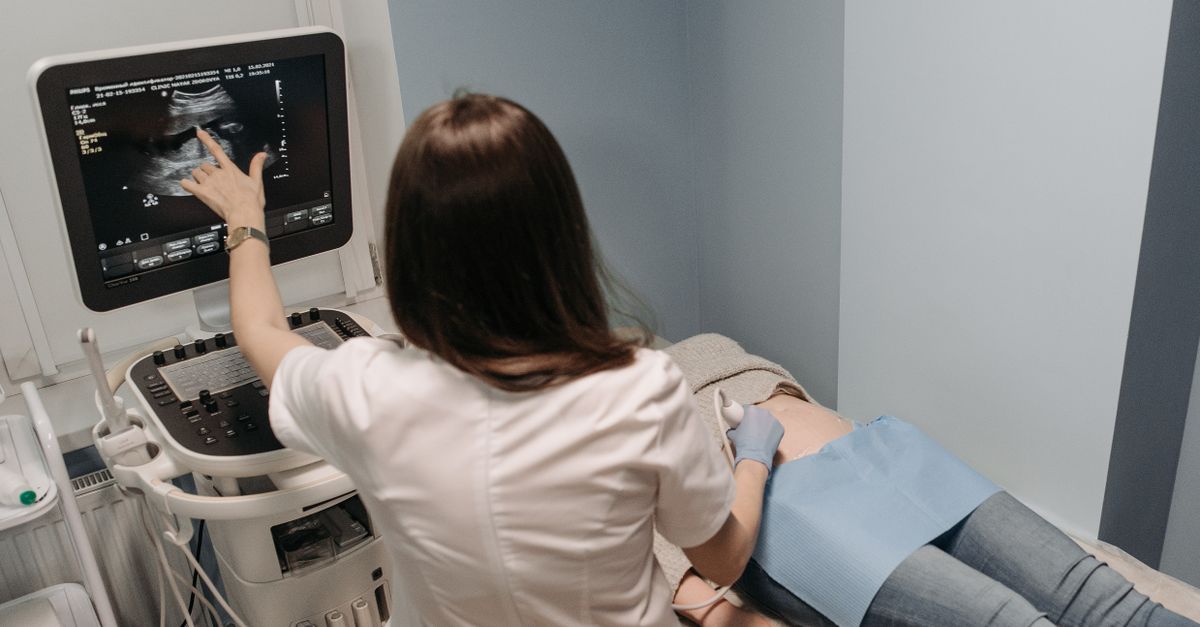
Acute Cholecystitis Due to Gallstones Without Obstruction: A Clinical Guide

Acute Cholecystitis Due to Gallstones Without Obstruction: A Clinical Guide

1. Introduction Acute cholecystitis due to a gallbladder calculus without obstruction of the common bile duct is a severe inflammatory condition of the gallbladder wall. This condition arises when a gallstone becomes physically impacted in the neck of the gallbladder or the cystic duct. The critical clinical distinction in this diagnosis is that while the … Read more

Gallstones: Pathophysiology, Diagnosis, and Clinical Management

Gallstones: Pathophysiology, Diagnosis, and Clinical Management

1. Introduction Gallstones are hardened, pebble-like deposits that develop within the gallbladder, a small, pear-shaped organ situated just beneath the liver on the right side of the abdomen. The clinical term for the presence of these stones is cholelithiasis. The gallbladder functions as a storage reservoir for bile, a complex digestive fluid produced by the … Read more

Gallbladder and Bile Duct Calculi: Causes, Symptoms, and Treatment

Gallbladder and Bile Duct Calculi: Causes, Symptoms, and Treatment

1. Introduction Gallbladder and bile duct calculi are hardened deposits of digestive fluid that form within the biliary tract. The biliary system consists of the gallbladder, which stores bile, and a network of ducts that transport this fluid from the liver to the small intestine. When calculi, commonly known as gallstones, develop and migrate within … Read more

When should I worry about frequent heart palpitations and a racing pulse?

When should I worry about frequent heart palpitations and a racing pulse?

1. Introduction Frequent heart palpitations and a racing pulse necessitate medical evaluation when they occur abruptly at rest, induce profound dizziness, or present alongside distinct chest pressure and severe shortness of breath. The sensation of the heart pounding rapidly, fluttering violently, or seemingly skipping beats in the chest is an intensely alarming experience that instantly … Read more

When should I worry about chronic lower back pain that radiates down my leg?

When should I worry about chronic lower back pain that radiates down my leg?

1. Introduction Chronic lower back pain radiating down the leg is a classic presentation of sciatica or lumbar radiculopathy, requiring urgent assessment if accompanied by progressive motor weakness or bowel and bladder incontinence. While an isolated, dull ache in the lower back is an incredibly common, often benign musculoskeletal complaint resulting from poor posture or … Read more

When should I worry about a mole that is changing color and shape?

When should I worry about a mole that is changing color and shape?

1. Introduction A mole that is changing color and shape demands immediate dermatological assessment to definitively rule out the development of malignant melanoma. While the vast majority of moles on the human body are entirely benign collections of pigment cells that remain stable for decades, any spontaneous, visible alteration in their structural architecture or hue … Read more

When should I worry about chest pain that comes and goes randomly?

When should I worry about chest pain that comes and goes randomly?

1. Introduction Intermittent chest pain requires prompt medical evaluation if the discomfort radiates to the jaw or arm, worsens with exertion, or is accompanied by shortness of breath and profound sweating. Experiencing a sudden ache, sharp twinge, or squeezing sensation in the chest that appears randomly and then vanishes is a deeply unsettling event. Because … Read more

When should I worry about severe abdominal bloating that makes me look pregnant?

When should I worry about severe abdominal bloating that makes me look pregnant?

1. Introduction Severe abdominal bloating that creates a physically distended, pregnant appearance warrants prompt medical evaluation when it is accompanied by unyielding pain, unintended weight loss, or a distinct change in bowel habits. While transient bloating is a commonplace physiological response to digesting fermentable carbohydrates, a profound and visible expansion of the abdominal wall indicates … Read more

Galactorrhea Not Associated with Childbirth: Clinical Evaluation and Care

Galactorrhea Not Associated with Childbirth: Clinical Evaluation and Care

1. Introduction Galactorrhea not associated with childbirth, clinically termed nonpuerperal galactorrhea, is a distressing condition characterized by the spontaneous secretion of milk from the breasts in individuals completely disconnected from the obstetric cycle of pregnancy and weaning. Because society almost exclusively links lactation with motherhood, experiencing this symptom can cause profound psychological confusion and anxiety … Read more