Red Eye: Common Causes, Differential Diagnosis, and Medical Treatment

Red Eye: Common Causes, Differential Diagnosis, and Medical Treatment

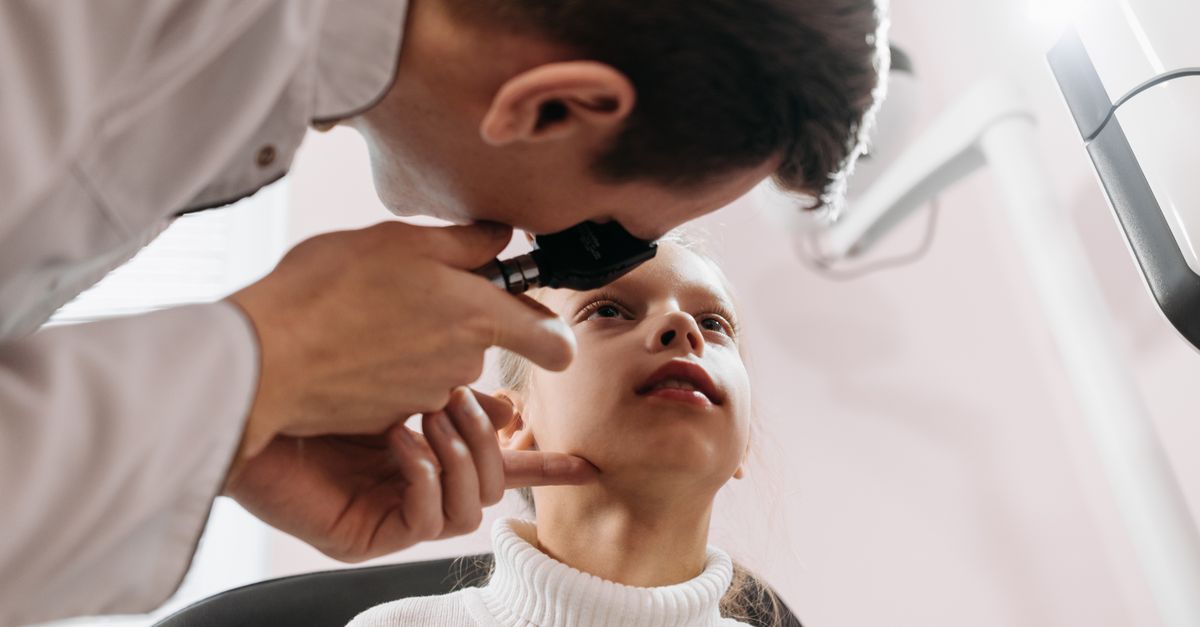
1. Introduction to Ocular Erythema A red eye, clinically referred to as ocular erythema, is one of the most frequent presenting complaints in primary care and emergency medicine. The striking red appearance occurs when the vast network of superficial blood vessels supplying the conjunctiva, episclera, or sclera becomes intensely dilated and engorged with blood. This … Read more

Red Blood Cell Count Below Reference Range: Causes, Symptoms, and Treatment

Red Blood Cell Count Below Reference Range: Causes, Symptoms, and Treatment

1. Introduction to Erythropenia and Anemia A red blood cell count below the reference range, clinically termed erythropenia, is a fundamental laboratory finding indicating a deficit in the oxygen-carrying capacity of the blood. Red blood cells, or erythrocytes, are the most abundant cells in the human circulatory system. Their primary biological function is the transport … Read more

Recurrent Falls in the Elderly: Clinical Evaluation and Preventive Strategies

Recurrent Falls in the Elderly: Clinical Evaluation and Preventive Strategies

1. Introduction to Geriatric Fall Risk Recurrent falls represent a pervasive and highly destructive clinical syndrome, predominantly affecting the geriatric population. A fall is defined as an event which results in a person coming to rest inadvertently on the ground or floor or other lower level. When an individual experiences recurrent falls, typically defined as … Read more

Recurrent Anxiety: Pathophysiology, Differential Diagnosis, and Clinical Management

Recurrent Anxiety: Pathophysiology, Differential Diagnosis, and Clinical Management

1. Introduction to Recurrent Anxiety Recurrent anxiety describes a persistent, episodic, or chronic state of heightened psychological arousal and apprehension. While transient anxiety is a normal, adaptive physiological response to acute stressors, recurrent anxiety signifies a dysregulation within the central nervous system. This condition extends beyond simple worry; it manifests as a profound neurobiological disruption … Read more

Recumbent Body Position: Physiological Effects and Clinical Applications

Recumbent Body Position: Physiological Effects and Clinical Applications

1. Introduction to the Recumbent Position The recumbent body position refers to any posture in which a person is lying down. In clinical medicine, this orientation is fundamental for patient examination, surgical procedures, and recovery. Assuming a recumbent posture initiates a cascade of immediate and delayed physiological adaptations across multiple organ systems. When an individual … Read more

Why Do My Eyes Feel Dry and Irritated When Wearing Silicone Hydrogel Contact Lenses?

Why Do My Eyes Feel Dry and Irritated When Wearing Silicone Hydrogel Contact Lenses?

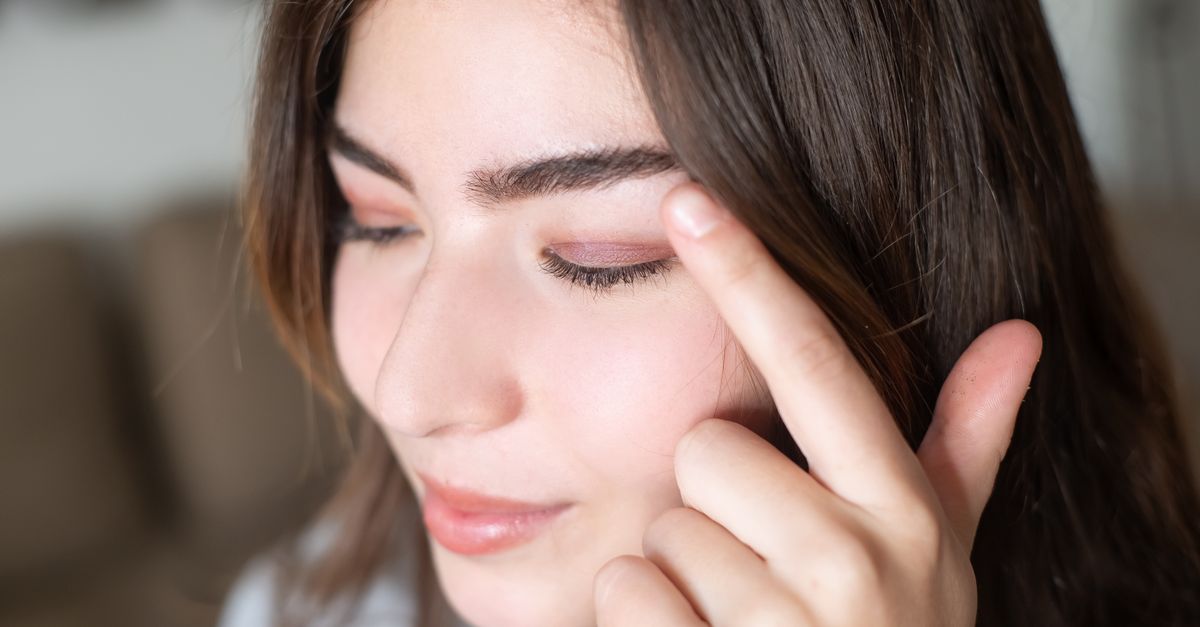
1. Introduction Dry and irritated eyes while wearing silicone hydrogel contact lenses primarily occur because the inherent hydrophobic properties of the silicone matrix disrupt the natural stability of the human tear film. This structural disruption accelerates the evaporation of the underlying aqueous layer and promotes the heavy accumulation of lipid deposits directly onto the lens … Read more

Why Does My Throat Burn Severely After Drinking Fresh Orange Juice?

Why Does My Throat Burn Severely After Drinking Fresh Orange Juice?

1. Introduction Severe throat burning after drinking fresh orange juice is generally caused by direct chemical irritation of the pharyngeal mucosa by densely concentrated citric and ascorbic acids. In individuals with underlying gastroesophageal reflux, the highly acidic beverage further compromises the muscular sphincter of the esophagus, allowing caustic stomach acid to rise upward and compound … Read more

Why Do My Legs Feel Weak and Shaky After Going Down Three Flights of Stairs?

Why Do My Legs Feel Weak and Shaky After Going Down Three Flights of Stairs?

1. Introduction Weak and shaky legs after walking down several flights of stairs are the direct result of eccentric muscle contractions, a specific biomechanical action where the quadriceps must actively lengthen while simultaneously generating tension to control the descent. This dual demand places considerable mechanical stress on the muscle fibers, leading to rapid cellular fatigue, … Read more

Why Do I Get a Throbbing Pain in My Upper Molar When Biting Down?

Why Do I Get a Throbbing Pain in My Upper Molar When Biting Down?

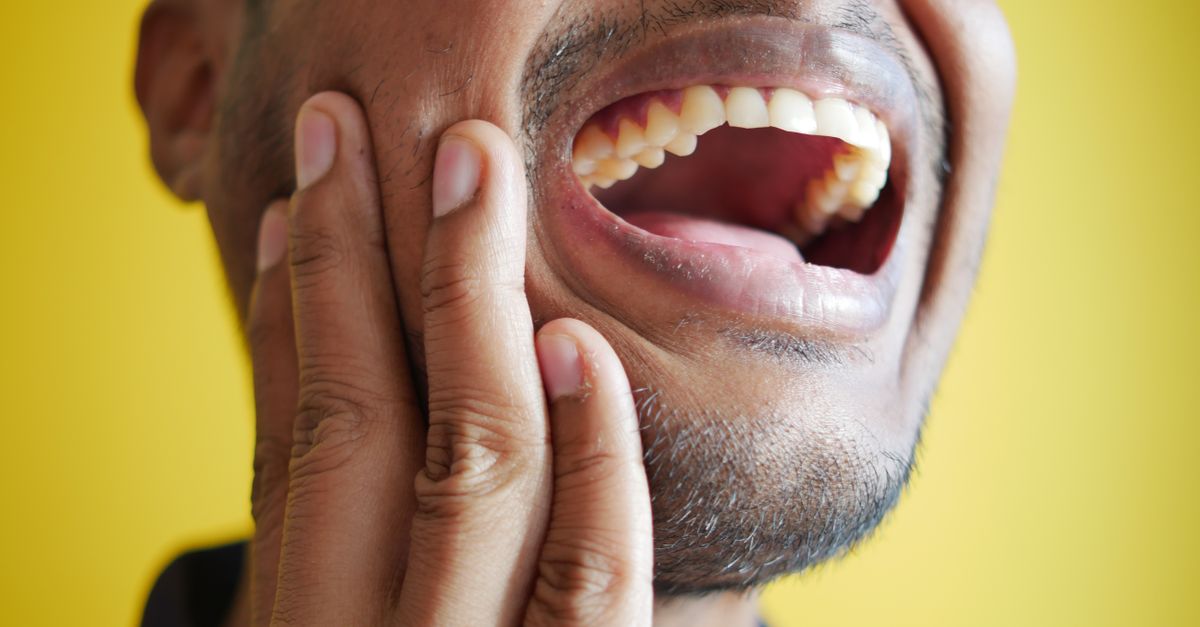
1. Introduction A throbbing pain in an upper molar when biting down usually indicates underlying structural damage, such as a microscopic fracture, or profound inflammation within the dental pulp and surrounding ligaments. Biting pressure physically forces cracked segments of enamel apart or compresses a swollen periodontal ligament, sending sharp, pulsating pain signals directly through the … Read more