Why Does My Stomach Feel Like a Hard Rock After Drinking Protein Powder?

Why Does My Stomach Feel Like a Hard Rock After Drinking Protein Powder?

1. Introduction A stomach feeling like a hard rock after drinking protein powder is primarily caused by rapid gastric distension from trapped gas, usually secondary to lactose intolerance, sensitivity to artificial sweeteners, or the rapid ingestion of excess air. The digestive system struggles to break down certain concentrated proteins and complex additives, leading to extensive … Read more

Why Do I Get a Dry Cough That Only Happens When I Am Talking?

Why Do I Get a Dry Cough That Only Happens When I Am Talking?

1. Introduction A dry cough that occurs exclusively during speech is typically caused by laryngeal hyperresponsiveness, sensory neuropathy of the vagus nerve, or severe vocal cord irritation, where the mechanical act of phonation triggers an abnormal, defensive cough reflex. During conversation, the rapid airflow and vibration of the vocal cords act as physical stimuli that … Read more

Why Do My Lymph Nodes Swell Up Behind My Knee?

Why Do My Lymph Nodes Swell Up Behind My Knee?

1. Introduction Lymph nodes swelling behind the knee, clinically known as popliteal lymphadenopathy, usually occurs as a localized immune response to an infection, severe skin injury, or inflammatory joint condition in the lower leg or foot. The popliteal fossa contains a small cluster of deep lymph nodes responsible for filtering lymphatic fluid returning from the … Read more

Why Do I Get a Sharp Shooting Pain in My Groin When I Walk Up Stairs?

Why Do I Get a Sharp Shooting Pain in My Groin When I Walk Up Stairs?

1. Introduction Sharp shooting pain in the groin when walking up stairs is frequently caused by femoroacetabular impingement or a hip labral tear, conditions where bone friction or damaged cartilage pinches sensitive tissues during deep hip flexion. Navigating stairs requires the hip joint to bear the full weight of the body while moving through a … Read more

Why Do My Toes Feel Like They Are Burning When I Walk Barefoot on Tile?

Why Do My Toes Feel Like They Are Burning When I Walk Barefoot on Tile?

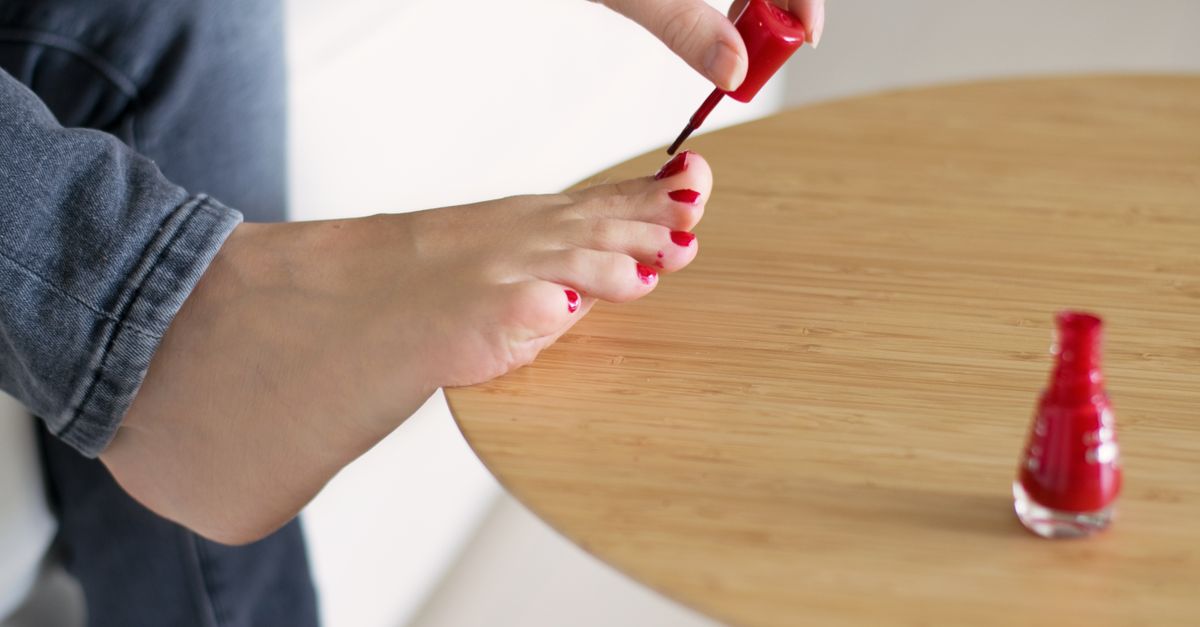
1. Introduction The burning sensation in your toes when walking barefoot on cold tile is typically caused by cold allodynia, a distinct symptom of peripheral neuropathy where damaged nerve endings misinterpret harmless cool temperatures as painful thermal burns. Identifying the underlying systemic cause of this nerve damage is the first critical step in clinical management. … Read more

Pupils Equal, React to Light and Accommodation (PERRLA): Clinical Assessment Guide

Pupils Equal, React to Light and Accommodation (PERRLA): Clinical Assessment Guide

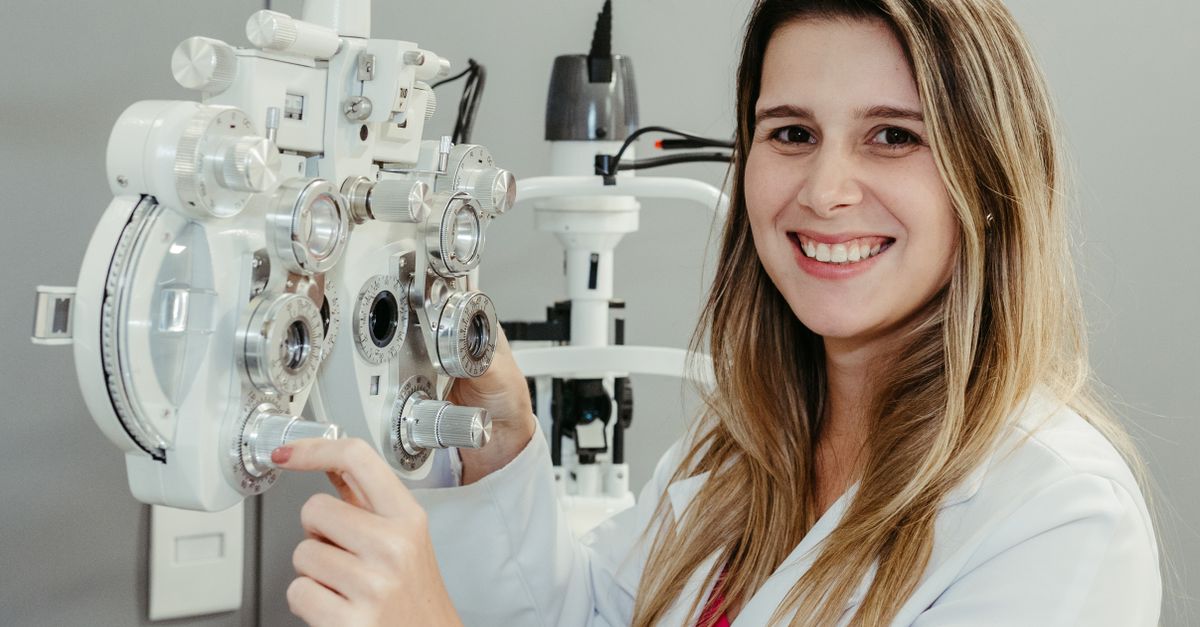
1. Introduction PERRLA stands for Pupils Equal, Round, React to Light and Accommodation, serving as a comprehensive standard for documenting a fully intact pupillary reflex pathway. While the basic light reflex verifies the fundamental neurological loop between the optic nerve and the brainstem, adding the accommodation assessment confirms a higher level of cortical function. It … Read more

Pupils Equal, Round, and Reacting to Light (PERRL): Neurological Significance

Pupils Equal, Round, and Reacting to Light (PERRL): Neurological Significance

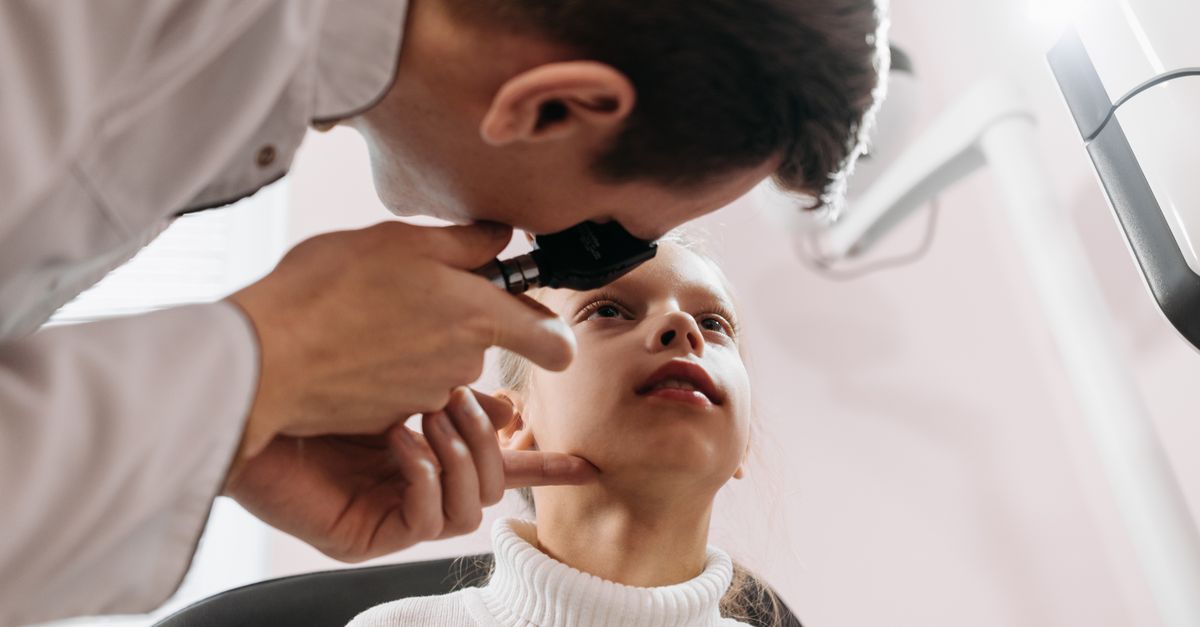
1. Introduction The clinical acronym PERRL stands for Pupils Equal, Round, and Reacting to Light, representing a normal neurological baseline during a pupillary examination. This finding confirms the structural integrity of the iris and the intact neurological pathways of the optic and oculomotor nerves. The pupillary assessment is one of the most fundamental, rapid, and … Read more

Punctate Calcification: Mechanisms, Diagnostic Imaging, and Clinical Significance

Punctate Calcification: Mechanisms, Diagnostic Imaging, and Clinical Significance

1. Introduction Punctate calcification refers to the presence of tiny, dot like deposits of calcium within soft tissues, often identified during radiological imaging. These microscopic calcifications can represent benign inflammatory processes or serve as early markers for malignant cellular changes, particularly in breast and thyroid tissues. The term “punctate” derives from the Latin word for … Read more

Slow Pulse (Bradycardia): Causes, Symptoms, and Clinical Management

Slow Pulse (Bradycardia): Causes, Symptoms, and Clinical Management

1. Introduction A slow pulse, medically defined as bradycardia, occurs when the resting heart rate drops below 60 beats per minute. While often a normal physiological finding in highly conditioned athletes, it can indicate a dysfunction in the sinoatrial node or atrioventricular block in symptomatic individuals. The human heart relies on a sophisticated electrical system … Read more

Irregular Pulse: Causes, Diagnostic Evaluation, and Treatment

Irregular Pulse: Causes, Diagnostic Evaluation, and Treatment

1. Introduction An irregular pulse is a clinical sign indicating that the heart is beating in an uneven or chaotic rhythm. This typically stems from an underlying electrical disruption in the heart muscle, commonly diagnosed as an arrhythmia such as atrial fibrillation or premature ventricular contractions. In a healthy cardiovascular system, the heart beats with … Read more