How to relieve constant neck tension that causes severe tension headaches?

How to relieve constant neck tension that causes severe tension headaches?
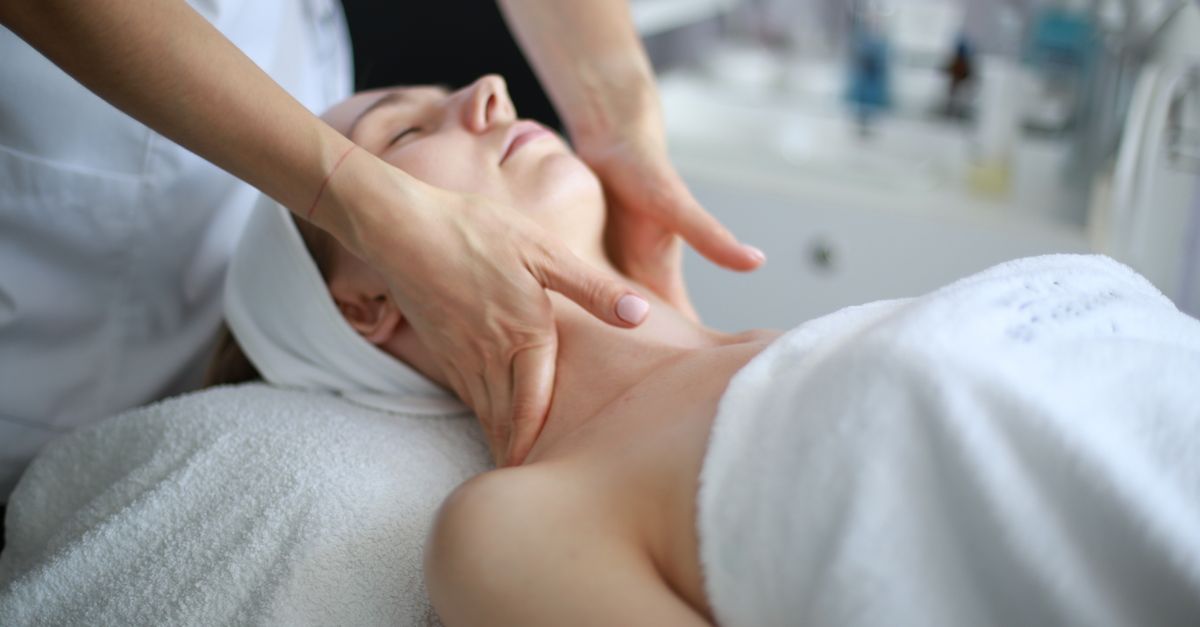
1. Introduction To relieve constant neck tension that causes severe tension headaches, you must address the underlying mechanical strain by applying targeted thermal therapy and utilizing deep myofascial release to desensitize the hypertonic cervical muscles. Correcting poor postural habits, specifically forward head posture, removes the relentless isometric burden placed on the suboccipital musculature, which is … Read more

How to stop feeling extremely short of breath after eating a very large meal?

How to stop feeling extremely short of breath after eating a very large meal?

1. Introduction To stop feeling short of breath after eating a very large meal, you must immediately alter your posture by sitting completely upright to relieve physical compression on the diaphragm, allowing your lungs to expand fully. Implementing paced, diaphragmatic breathing helps override the restrictive sensation, while taking an over-the-counter simethicone or a prokinetic agent … Read more

How to get rid of hard painless lumps under the skin on the arms?

How to get rid of hard painless lumps under the skin on the arms?

1. Introduction To safely get rid of hard, painless lumps under the skin on the arms, you must first secure an accurate clinical diagnosis through a dermatological examination or ultrasound, as these nodules frequently represent benign lipomas, epidermoid cysts, or dermatofibromas. Because these structures possess a distinct cellular capsule or dense fibrous matrix, topical creams … Read more

How to relieve intense throbbing pain in a completely newly filled tooth?

How to relieve intense throbbing pain in a completely newly filled tooth?

1. Introduction To relieve intense throbbing pain in a completely newly filled tooth, you must primarily utilize nonsteroidal anti-inflammatory drugs to suppress the acute pulpal inflammation triggered by the dental procedure. Avoiding extreme thermal stimuli, such as hot coffee or ice water, prevents the damaged nerve endings from misfiring while the tooth heals. If the … Read more

How to stop frequent recurrent urinary tract infections without daily antibiotics?

How to stop frequent recurrent urinary tract infections without daily antibiotics?

1. Introduction To stop frequent recurrent urinary tract infections without relying on daily antibiotics, you must alter the chemical and biological environment of the bladder by utilizing supplements such as D-mannose to prevent bacterial adhesion. Enhancing local tissue defenses through topical vaginal estrogen therapy in postmenopausal patients and restoring the urinary microbiome with targeted probiotics … Read more

Propensity to Adverse Drug Reactions: Pharmacogenomics and Patient Safety

Propensity to Adverse Drug Reactions: Pharmacogenomics and Patient Safety

1. Introduction The administration of any pharmacological agent carries an inherent risk, but a propensity to adverse drug reactions indicates that a specific patient is biologically predisposed to experiencing severe, unintended, and harmful responses to standard medication dosages. An adverse drug reaction is a distinct clinical event that significantly alters a patient’s physiological stability, requiring … Read more

Propensity to Adverse Reactions: Clinical Assessment and Immunological Mechanisms

Propensity to Adverse Reactions: Clinical Assessment and Immunological Mechanisms

1. Introduction In clinical practice, predicting how a patient’s biological system will respond to external stimuli—whether pharmacological, environmental, or dietary—is a fundamental component of safe medical care. A propensity to adverse reactions indicates that a patient possesses specific genetic, immunological, or metabolic traits that render them statistically highly vulnerable to unexpected, harmful physiological responses. These … Read more

Prone Body Position: Clinical Applications, Physiology, and Anatomical Effects

Prone Body Position: Clinical Applications, Physiology, and Anatomical Effects

1. Introduction The prone body position, defined anatomically as lying flat with the chest and face directed downward, is a critical therapeutic maneuver utilized extensively in clinical medicine, particularly within intensive care units and specific surgical theaters. While it represents a natural sleeping posture for some individuals, from a medical perspective, prone positioning fundamentally alters … Read more

Promoted at Work: Managing the Psychological and Physiological Stress of Career Advancement

Promoted at Work: Managing the Psychological and Physiological Stress of Career Advancement

1. Introduction While receiving a promotion at work is universally recognized as a positive milestone, from a clinical perspective, sudden career advancement acts as a profound environmental stressor. Moving into a new occupational role requires rapid neurological adaptation, immense cognitive processing, and a significant shift in daily responsibilities. This transition frequently triggers a robust physiological … Read more

Promiscuous Behavior: Clinical Perspectives on Sexual Health and Risk Management

Promiscuous Behavior: Clinical Perspectives on Sexual Health and Risk Management

1. Introduction In clinical medicine, evaluating a patient who reports having multiple sexual partners requires an objective, non-judgmental approach focused entirely on health maintenance and risk stratification. The term promiscuous behavior is generally a sociological construct, whereas the medical community typically refers to this pattern as engaging in sexual activity with multiple concurrent or sequential … Read more