Ductal Carcinoma In Situ (NOS): Comprehensive Clinical Guidelines and Management

Ductal Carcinoma In Situ (NOS): Comprehensive Clinical Guidelines and Management
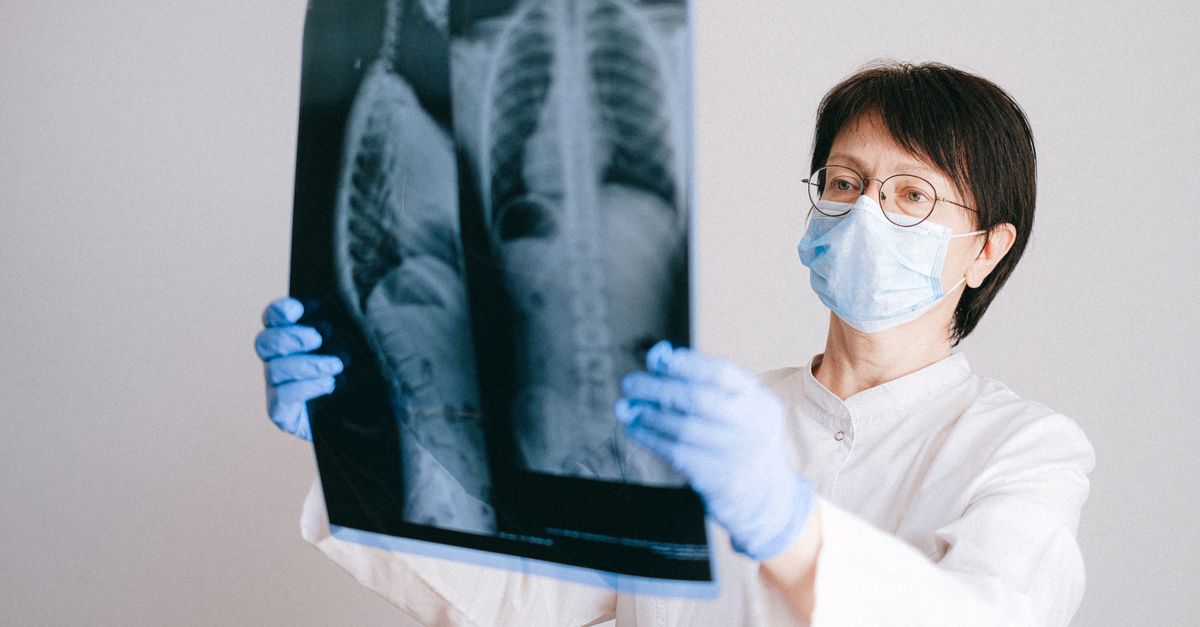
1. Introduction to Ductal Carcinoma In Situ Ductal carcinoma in situ is a non-invasive condition characterizing the earliest identifiable stage of breast malignancy. The terminology specifically dictates the anatomical boundaries of the disease: malignant epithelial cells are proliferating uncontrollably, but they remain strictly confined “in situ,” meaning in their original place within the milk ducts … Read more


Noninfiltrating Intraductal Carcinoma: Diagnosis, Pathology, and Treatment

Noninfiltrating Intraductal Carcinoma: Diagnosis, Pathology, and Treatment

1. Introduction to Noninfiltrating Intraductal Carcinoma Noninfiltrating intraductal carcinoma is a localized cellular abnormality characterized by the uncontrolled proliferation of malignant epithelial cells confined entirely within the milk ducts of the breast. This condition represents an early stage in the spectrum of breast neoplasms. The term noninfiltrating confirms a crucial biological reality: the abnormal cells … Read more

Why do my joints feel achy and inflamed after eating processed sugar?

Why do my joints feel achy and inflamed after eating processed sugar?

1. Introduction Achy and inflamed joints after consuming processed sugar are a direct result of a rapid spike in blood glucose triggering a systemic inflammatory cascade. High levels of circulating refined sugar promote the formation of advanced glycation end products and stimulate the massive release of pro-inflammatory cytokines from the immune system. These toxic biological … Read more

Why do I get a sudden sharp headache that disappears in ten seconds?

Why do I get a sudden sharp headache that disappears in ten seconds?

1. Introduction A sudden, sharp headache that vanishes within seconds is clinically classified as a primary stabbing headache, frequently referred to in medical literature as an ice pick headache. This alarming phenomenon is caused by the spontaneous, transient misfiring of sensory nerve branches within the trigeminal nerve system. The brain receives a massive, unprovoked electrical … Read more

Why do my fingertips feel raw and painful after playing acoustic guitar?

Why do my fingertips feel raw and painful after playing acoustic guitar?

1. Introduction Raw and painful fingertips after playing an acoustic guitar result from the concentrated mechanical friction and high tensile pressure of steel strings pressing into unconditioned epidermal tissue. This repetitive mechanical load causes acute microtrauma to the superficial skin layers, triggering a localized inflammatory response and stimulating the densely packed nociceptors in the fingertips. … Read more

Why do my ears pop continuously when driving through mountain passes?

Why do my ears pop continuously when driving through mountain passes?

1. Introduction Ear popping during a drive through mountain passes is the physiological result of the Eustachian tube opening to equalize the pressure difference between the middle ear cavity and the changing atmospheric pressure outside. As altitude increases, ambient atmospheric pressure drops, causing the air trapped inside the middle ear to expand and press outward … Read more

Why do my abdominal muscles feel sore after a day of heavy laughing?

Why do my abdominal muscles feel sore after a day of heavy laughing?

1. Introduction Sore abdominal muscles after a day of heavy laughing result from repeated, forceful, and involuntary isometric and concentric contractions of the core musculature. This unaccustomed mechanical stress leads to muscular fatigue and microscopic tearing in the muscle fibers, precipitating a condition recognized clinically as delayed onset muscle soreness. While humans utilize these muscles … Read more

Noninfiltrating Intraductal Papillary Adenocarcinoma: Pathology and Treatment Guidelines

Noninfiltrating Intraductal Papillary Adenocarcinoma: Pathology and Treatment Guidelines

1. Introduction to Noninfiltrating Papillary Adenocarcinoma Noninfiltrating intraductal papillary adenocarcinoma is a rare, localized malignancy that develops within the fluid-filled ductal spaces of glandular tissue, most frequently in the breast. The terminology precisely defines the clinical reality of the disease. “Adenocarcinoma” indicates a malignant proliferation of glandular epithelial cells, and “papillary” describes their specific, fern-like … Read more

Intraductal Papillary Neoplasm with High-Grade Intraepithelial Neoplasia: Clinical Guide

Intraductal Papillary Neoplasm with High-Grade Intraepithelial Neoplasia: Clinical Guide

1. Introduction to High-Grade Papillary Neoplasms An intraductal papillary neoplasm with high-grade intraepithelial neoplasia is a critical, precancerous tumor most frequently identified within the ductal system of the pancreas or the biliary tract. This lesion is characterized by the proliferation of abnormal, mucin-producing cells that form delicate, branching structures within the ducts. The designation of … Read more

Noninfiltrating Comedocarcinoma: Characteristics, Diagnosis, and Surgical Care

Noninfiltrating Comedocarcinoma: Characteristics, Diagnosis, and Surgical Care

1. Introduction to Noninfiltrating Comedocarcinoma Noninfiltrating comedocarcinoma is a specific, aggressive subtype of ductal carcinoma in situ. It is characterized by the rapid proliferation of high-grade, abnormal epithelial cells that are strictly confined within the milk ducts of the breast. The hallmark feature of this condition is central cellular necrosis—the death of the rapidly multiplying … Read more