What Causes Sudden Color Blindness or Faded Colors in One Eye?

What Causes Sudden Color Blindness or Faded Colors in One Eye?

1. Introduction Sudden color blindness or faded colors in one eye, known clinically as acquired dyschromatopsia, typically indicates severe inflammation of the optic nerve (optic neuritis) or a profound vascular or structural event in the macula. Unlike congenital color blindness, which is genetic, bilateral, and present from birth, a sudden loss of color saturation in … Read more

Can Thyroid Problems Cause Bulging or Prominent Eyes?

Can Thyroid Problems Cause Bulging or Prominent Eyes?

1. Introduction Yes, thyroid problems—most notably Graves’ disease—can directly cause bulging or prominent eyes, a condition clinically termed exophthalmos or proptosis. This striking visual change is the hallmark of Thyroid Eye Disease (TED), an autoimmune condition where the body’s immune system mistakenly attacks the healthy tissues within the bony orbital cavity. The resulting aggressive inflammation … Read more

What Does It Mean When Your Eye Twitches Every Time You Sneeze?

What Does It Mean When Your Eye Twitches Every Time You Sneeze?

1. Introduction When your eye twitches every time you sneeze, it typically indicates a harmless neuromuscular reflex interaction between the trigeminal nerve and the facial nerve, or localized muscle fatigue of the orbicularis oculi. Sneezing is a violent physiological event that initiates a massive reflex arc, forcing the eyes to close tightly. When the muscles … Read more

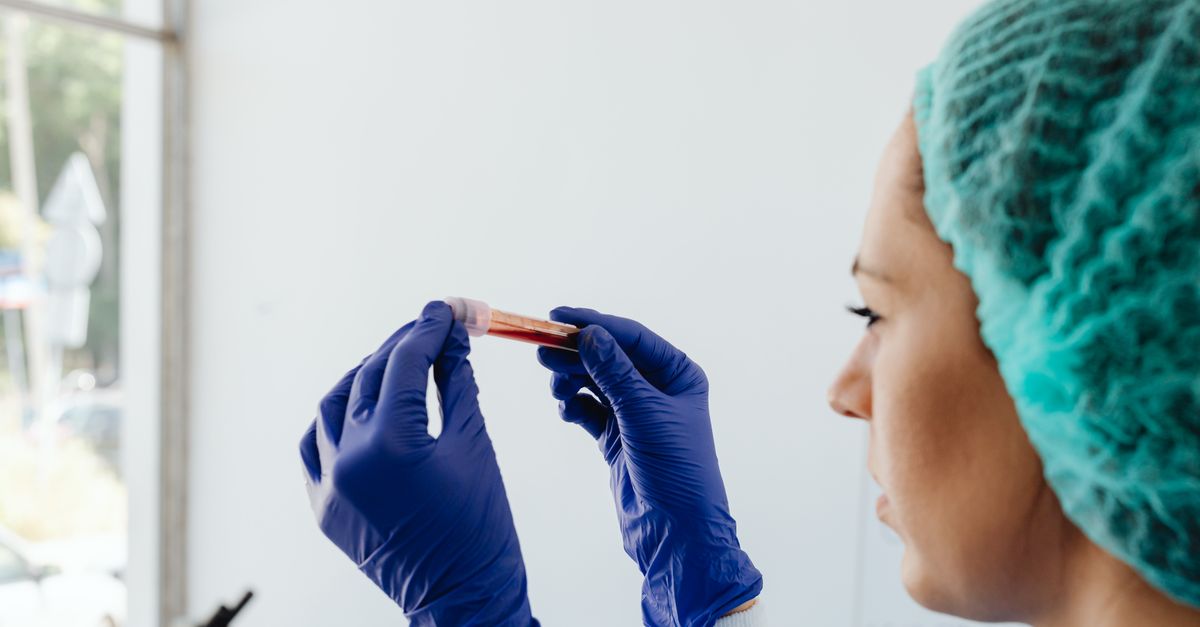
P1k Phenotype: Rare Blood Group Genetics and Transfusion Medicine

P1k Phenotype: Rare Blood Group Genetics and Transfusion Medicine

1. Introduction The P1k phenotype represents an extraordinarily rare and clinically perilous condition within the architecture of human blood groups. Individuals with this phenotype exhibit a unique serological profile: their red blood cells abundantly express the P1 and Pk glycosphingolipid antigens, but fundamentally lack the P antigen (globotetraosylceramide). Because the immune system is intolerant to … Read more

P1 Phenotype Blood Group: Clinical Characteristics and Immunological Aspects

P1 Phenotype Blood Group: Clinical Characteristics and Immunological Aspects

1. Introduction The P1 phenotype is the most prevalent phenotypic expression within the P1PK and GLOB blood group systems, characterizing the erythrocytes of approximately 75% of the Caucasian population. Individuals with this phenotype express the P1, P, and trace amounts of Pk glycosphingolipid antigens on their red blood cell membranes. While the P1 phenotype represents … Read more

p Phenotype (Tj(a-) Blood Group): Rare Genetics and Clinical Implications

p Phenotype (Tj(a-) Blood Group): Rare Genetics and Clinical Implications

1. Introduction The p phenotype, historically designated as the Tj(a-) blood group, represents an exceedingly rare and clinically critical null phenotype within the realm of immunohematology. Individuals with this phenotype exhibit a complete absence of the P, P1, and Pk antigens on the surface of their erythrocytes and nucleated tissues. This absolute deficiency is not … Read more

P Blood Group Phenotype: Genetics, Clinical Significance, and Transfusion

P Blood Group Phenotype: Genetics, Clinical Significance, and Transfusion

1. Introduction The P blood group system is a complex and clinically significant carbohydrate antigen system expressed on the surface of human erythrocytes, as well as on various tissue cells, including the urothelium and endothelium. Originally discovered in the early 20th century by Karl Landsteiner and Philip Levine, the system has evolved significantly in its … Read more

Oxalate-Restricted Diet: Clinical Guidelines for Kidney Stone Prevention

Oxalate-Restricted Diet: Clinical Guidelines for Kidney Stone Prevention

1. Introduction An oxalate-restricted diet is a targeted nutritional intervention designed to limit the dietary intake of oxalates (oxalic acid) and thereby reduce the urinary excretion of oxalate, a condition known as hyperoxaluria. This dietary protocol is the cornerstone of conservative management for individuals prone to developing calcium oxalate nephrolithiasis (kidney stones), which constitutes approximately … Read more

Is It Normal to Have Mismatched Pupil Sizes in the Dark?

Is It Normal to Have Mismatched Pupil Sizes in the Dark?

1. Introduction Having mismatched pupil sizes that become more pronounced in the dark indicates a disruption in the sympathetic nervous system, often pointing to Horner syndrome, though it can also be a harmless physiological variation. The pupil acts as the eye’s dynamic aperture, constantly adjusting to regulate the amount of light striking the retina. This … Read more

What Causes Severe Burning Eyes After a Long Flight?

What Causes Severe Burning Eyes After a Long Flight?

1. Introduction Severe burning eyes after a long flight are caused by the aggressively dry, pressurized air within the airplane cabin, which rapidly evaporates the protective tear film and desiccates the corneal surface. The modern commercial aircraft environment is designed to ensure structural integrity and passenger oxygenation at high altitudes, but it is exceptionally hostile … Read more