What does a sharp pain under the left armpit mean?

What does a sharp pain under the left armpit mean?

1. Introduction A sharp pain under the left armpit indicates irritation or injury to the dense network of anatomical structures located within the axilla, ranging from simple musculoskeletal strains to localized lymph node infections or nerve compression. The axilla is a complex junction box where major muscles, blood vessels, lymph nodes, and the brachial plexus … Read more

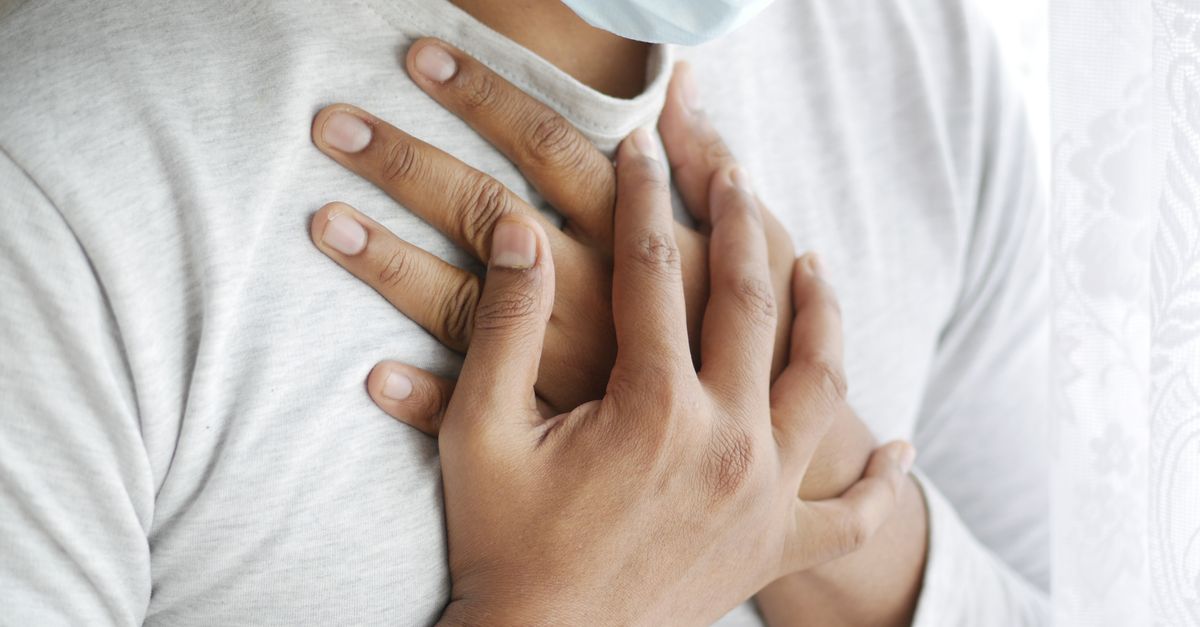
How to stop chest tightness associated with intense emotional stress?

How to stop chest tightness associated with intense emotional stress?

1. Introduction Stopping chest tightness associated with intense emotional stress requires actively disengaging the sympathetic nervous system through specific somatic techniques, such as diaphragmatic breathing and progressive muscle relaxation, to halt the cascade of stress hormones. When the brain perceives intense emotional distress, it rapidly initiates a “fight or flight” response, flooding the body with … Read more

Can severe acid reflux trigger asthma-like breathing problems?

Can severe acid reflux trigger asthma-like breathing problems?

1. Introduction Severe acid reflux can directly trigger asthma-like breathing problems, a clinical phenomenon often referred to as reflux-induced asthma or airway reflux. This connection exists because the respiratory and digestive systems share a close anatomical and neurological relationship. When highly acidic gastric contents escape the stomach and travel up the esophagus, they can provoke … Read more

What does it mean when food feels like it gets stuck in your chest?

What does it mean when food feels like it gets stuck in your chest?

1. Introduction When food feels like it gets stuck in your chest, it clinically indicates a disruption in the transit of a food bolus through the esophagus, a condition known as esophageal dysphagia. This sensation arises when the muscular tube connecting the throat to the stomach fails to propel food smoothly, or when a physical … Read more

No Help Available From Lay Caregiver: Clinical Risks and Patient Vulnerability

No Help Available From Lay Caregiver: Clinical Risks and Patient Vulnerability

1. Introduction The successful management of chronic disease, cognitive decline, and acute post-operative recovery frequently relies on an invisible pillar of the healthcare system: the lay caregiver. A lay caregiver is typically an unpaid family member, friend, or neighbor who assists a vulnerable patient with activities of daily living, medication administration, and medical coordination. When … Read more

No Help Available: The Clinical Impact of Medical and Social Isolation

No Help Available: The Clinical Impact of Medical and Social Isolation

1. Introduction The state of having no help available—whether due to geographic remoteness, social estrangement, or a systemic failure of care networks—constitutes a state of severe medical vulnerability. In clinical practice, the absence of a reliable support system is not merely a psychosocial issue; it is an independent risk factor that drastically worsens the prognosis … Read more

No Handwashing Facilities at Work: Occupational Hazards and Infection Transmission

No Handwashing Facilities at Work: Occupational Hazards and Infection Transmission

1. Introduction The absence of adequate handwashing facilities in the occupational environment constitutes a severe breach of basic industrial hygiene and a profound public health hazard. The human hand acts as the primary mechanical vector for the transmission of infectious pathogens, hazardous chemicals, and biological contaminants from the external environment to the vulnerable mucosal membranes … Read more

No Formal Education: Health Literacy, Cognitive Development, and Medical Outcomes

No Formal Education: Health Literacy, Cognitive Development, and Medical Outcomes

1. Introduction The absence of formal education is a powerful social determinant of health that exerts a lifelong influence on neurocognitive development, physiological resilience, and overall mortality. In clinical practice, education is recognized not just as a marker of socioeconomic status, but as a critical variable that shapes the structural architecture of the brain and … Read more

No Fixed Abode: Clinical Implications, Health Risks, and Medical Management

No Fixed Abode: Clinical Implications, Health Risks, and Medical Management

1. Introduction Residing with no fixed abode is a profound social determinant of health that fundamentally alters an individual’s physiological baseline and susceptibility to disease. In the clinical setting, housing instability is recognized not merely as a socioeconomic challenge but as a pervasive environmental exposure that complicates every aspect of medical care. The human body … Read more

How to relieve vocal cord strain and hoarseness quickly?

How to relieve vocal cord strain and hoarseness quickly?

1. Introduction Relieving vocal cord strain and hoarseness quickly requires absolute vocal rest, aggressive systemic hydration, and the inhalation of warm steam to lubricate the laryngeal mucosa. Avoiding chemical irritants like caffeine, alcohol, and stomach acid reflux is also essential to allow the inflamed vocal folds to reduce in swelling and regain their normal vibratory … Read more