Intracranial Cavernous Hemangioma: Diagnosis, Symptoms, and Management

Intracranial Cavernous Hemangioma: Diagnosis, Symptoms, and Management
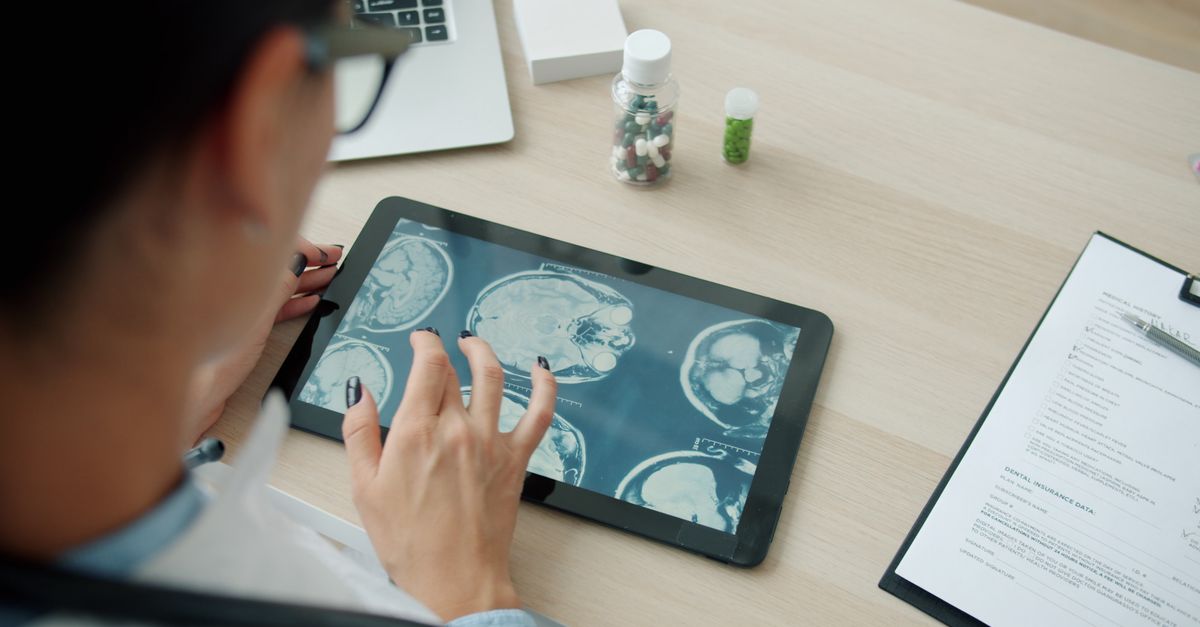
1. Introduction to Intracranial Cavernous Hemangioma An intracranial cavernous hemangioma, commonly referred to as a cavernoma or cavernous malformation, is a specific type of vascular abnormality occurring within the central nervous system. These lesions are characterized by clusters of abnormally dilated, thin-walled capillary vessels that lack the normal structural support of surrounding brain tissue. Visually, … Read more

Intracranial Aneurysm: Causes, Symptoms, and Treatment Options

Intracranial Aneurysm: Causes, Symptoms, and Treatment Options

1. Introduction to Intracranial Aneurysm An intracranial aneurysm is a localized dilation or ballooning of a blood vessel within the brain, resulting from a structural weakness in the arterial wall. This vascular abnormality can remain asymptomatic for an individual’s entire life, or it can rupture, releasing arterial blood into the spaces surrounding the brain. The … Read more

Why Do My Temples Strongly Pulse After an Intense Heavy Lifting Session?

Why Do My Temples Strongly Pulse After an Intense Heavy Lifting Session?

1. Introduction Experiencing strong, visible pulsations in the temples following an intense heavy lifting session is a direct physiological response to massive, transient spikes in systemic blood pressure and extreme muscular exertion. The temporal arteries, running superficially just beneath the skin of the temples, are highly sensitive barometers of cardiovascular demand. During heavy resistance training, … Read more

Why Do I Get a Sharp Pain in My Neck When Sleeping Without a Supportive Pillow?

Why Do I Get a Sharp Pain in My Neck When Sleeping Without a Supportive Pillow?

1. Introduction Experiencing a sharp, acute pain in the neck after sleeping without a supportive pillow is a classic manifestation of cervical mechanical overload, often resulting in acute torticollis or facet joint irritation. The human head weighs an average of ten to twelve pounds. During sleep, the musculature that normally supports and balances this weight … Read more

Why Do My Neck Muscles Feel Incredibly Tight When I Wake Up From a Short Nap?

Why Do My Neck Muscles Feel Incredibly Tight When I Wake Up From a Short Nap?

1. Introduction Waking up from a short nap with incredibly tight neck muscles is typically the result of an awkward, sustained cervical posture combined with localized muscle ischemia. Unlike deep, nocturnal sleep where the body shifts positions regularly, a brief daytime nap often occurs in non-ideal environments—such as slouched on a sofa, leaning against a … Read more

Why Do My Shoulders Drop Excessively Low When I Fully Relax Standing Up?

Why Do My Shoulders Drop Excessively Low When I Fully Relax Standing Up?

1. Introduction Excessively dropped or depressed shoulders when standing in a relaxed posture typically result from a lack of basal resting tension in the superior suspensory muscles of the shoulder girdle, particularly the upper trapezius and levator scapulae. The human shoulder blade relies almost entirely on active muscular support to counteract the constant downward pull … Read more

Why Do My Collarbones Look Noticeably Uneven When I Look in the Mirror?

Why Do My Collarbones Look Noticeably Uneven When I Look in the Mirror?

1. Introduction Noticeably uneven collarbones are most frequently the result of functional muscular imbalances, postural adaptations, or a historical bone fracture. The clavicle is a superficial bone that connects the sternum to the shoulder blade, meaning any discrepancy in shoulder elevation or spinal curvature immediately alters its visible angle. While this asymmetry can be aesthetically … Read more

Diabetic Intracapillary Glomerulosclerosis: Mechanisms, Diagnosis, and Treatment

Diabetic Intracapillary Glomerulosclerosis: Mechanisms, Diagnosis, and Treatment

1. Introduction to Diabetic Intracapillary Glomerulosclerosis Diabetic intracapillary glomerulosclerosis, a hallmark pathological lesion of diabetic nephropathy, represents a devastating microvascular complication of chronic, poorly controlled diabetes mellitus. It is the leading cause of end-stage renal disease worldwide. This condition is characterized by the progressive, structural destruction of the kidney’s microscopic filtering units, driven entirely by … Read more

Intra-Amniotic Fetal Infection: Causes, Clinical Signs, and Obstetric Management

Intra-Amniotic Fetal Infection: Causes, Clinical Signs, and Obstetric Management

1. Introduction to Intra-Amniotic Infection Intra-amniotic infection, historically and clinically referred to as chorioamnionitis, is an acute inflammatory and infectious condition affecting the vital structures of pregnancy. This severe obstetric complication involves the bacterial infection of the amniotic fluid, the fetal membranes, the placenta, and potentially the umbilical cord and the fetus itself. It is … Read more

Opioid Intoxication: Recognition, Pathophysiology, and Emergency Management

Opioid Intoxication: Recognition, Pathophysiology, and Emergency Management

1. Introduction to Opioid Intoxication Opioid intoxication, commonly referred to as an opioid overdose, is an acute, life-threatening medical emergency resulting from the excessive consumption of natural, semi-synthetic, or fully synthetic opioid compounds. These powerful pharmacological agents are widely utilized in medicine for their profound analgesic properties, but they carry a narrow therapeutic index and … Read more