Why do my fingertips turn white when I hold a cold glass of water?

Why do my fingertips turn white when I hold a cold glass of water?

1. Introduction Fingertips turning distinctively white upon contact with a cold object, such as a glass of water, is the classic clinical presentation of Raynaud’s phenomenon. This physiological response is characterized by an exaggerated vasospasm, where the small blood vessels supplying the extremities constrict sharply and inappropriately. Instead of merely slowing blood flow to conserve … Read more

Knee Ligament Injury: Mechanisms, Pathology, and Reconstructive Management

Knee Ligament Injury: Mechanisms, Pathology, and Reconstructive Management

1. Introduction A knee ligament injury encompasses the pathological stretching, partial tearing, or complete rupture of the primary fibrous bands connecting the femur to the tibia and fibula. The knee relies heavily on this intricate ligamentous network to govern its complex, multi-planar kinematics, ensuring stability during profound dynamic loading. When violent kinetic forces overwhelm the … Read more

Why do I get a paper cut feeling on my fingers but there is absolutely no visible cut?

Why do I get a paper cut feeling on my fingers but there is absolutely no visible cut?

1. Introduction Experiencing the sharp, stinging sensation of a paper cut on the fingers without the presence of a visible wound is typically caused by microscopic epidermal fissures or localized sensory neuropathy. The fingertips possess an exceptionally dense network of sensitive nerve endings designed to provide detailed tactile feedback. When the outermost protective layer of … Read more

Knee Injury: Structural Trauma, Biomechanics, and Clinical Interventions

Knee Injury: Structural Trauma, Biomechanics, and Clinical Interventions

1. Introduction A knee injury involves mechanical damage to the largest and most complex hinge joint in the human body. Serving as the vital pivot point between the femur and the tibia, the knee joint relies entirely on a sophisticated network of ligaments, fibrocartilage, and powerful musculature to maintain stability while bearing substantial dynamic loads. … Read more

Why do my hands get dry and crack after handling rough cardboard boxes?

Why do my hands get dry and crack after handling rough cardboard boxes?

1. Introduction Experiencing dry, cracked hands after handling rough cardboard boxes is primarily the result of irritant contact dermatitis, mechanical friction, and the hygroscopic nature of paper products. Cardboard is inherently designed to absorb moisture, and when the hands repeatedly grasp and manipulate this material, the cardboard acts as a sponge, actively pulling essential water … Read more

Integumentary Injury: Pathophysiology, Wound Healing, and Clinical Care

Integumentary Injury: Pathophysiology, Wound Healing, and Clinical Care

1. Introduction An integumentary injury involves the physical disruption of the skin, the human body’s largest and most superficial organ system. This continuous barrier provides essential protection against environmental pathogens, regulates core body temperature, and prevents profound fluid loss. When mechanical trauma, thermal energy, or chemical agents breach this protective envelope, the body immediately initiates … Read more

Why do I sneeze uncontrollably when I scoop out the dusty cat litter box?

Why do I sneeze uncontrollably when I scoop out the dusty cat litter box?

1. Introduction Uncontrollable sneezing while scooping a dusty cat litter box is typically caused by the inhalation of fine particulate matter or specific animal allergens. The physical act of pouring or scooping clay-based litters disturbs microscopic silica dust, sending a plume of irritating particles into the air. When these particles enter the nasal cavity, they … Read more

Hip Region Injury: Anatomy, Mechanisms, and Clinical Management

Hip Region Injury: Anatomy, Mechanisms, and Clinical Management

1. Introduction A hip region injury involves structural damage to the pelvic bones, the proximal femur, or the intricate network of ligaments, tendons, and muscles that articulate the lower extremity with the axial skeleton. These injuries manifest clinically as profound localized pain, an inability to bear weight, and a significant loss of ambulatory function. Because … Read more

Head Injury: Traumatic Brain Injury, Diagnostics, and Clinical Management

Head Injury: Traumatic Brain Injury, Diagnostics, and Clinical Management

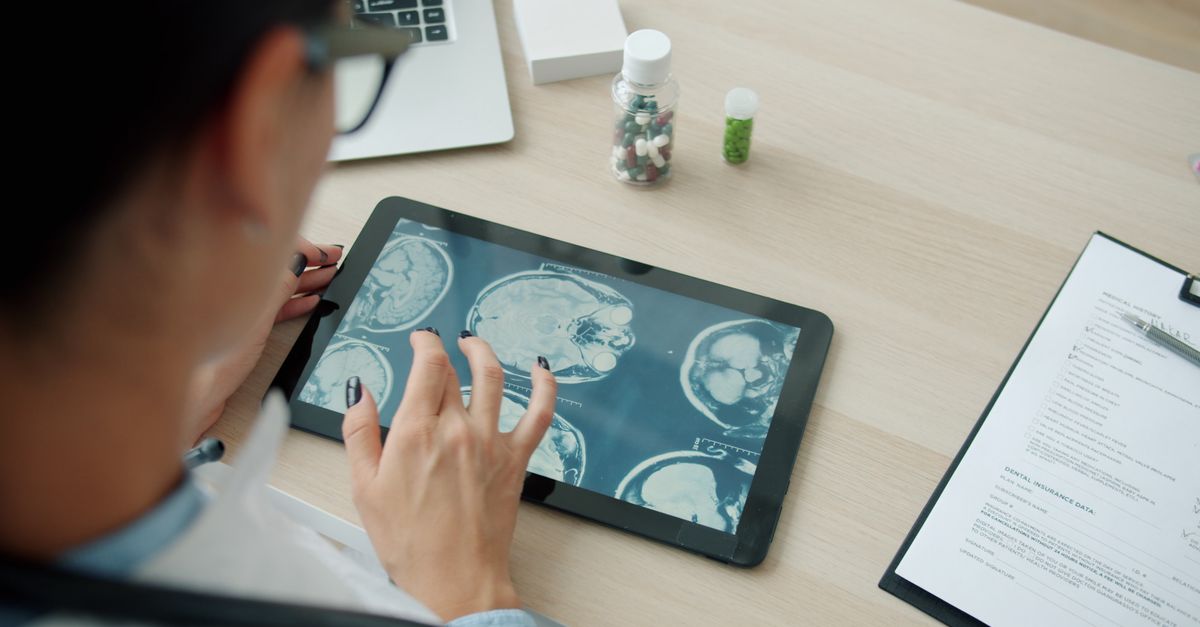
1. Introduction A head injury constitutes any traumatic insult to the scalp, skull, or the profoundly delicate neurological tissues of the brain. While superficial lacerations to the scalp bleed profusely but are rarely dangerous, true traumatic brain injury represents one of the most critical and complex emergencies in modern medicine. When immense external kinetic forces … Read more