Horizontal Alveolar Bone Loss: Causes, Symptoms, and Dental Treatments

Horizontal Alveolar Bone Loss: Causes, Symptoms, and Dental Treatments

1. Introduction to Alveolar Bone Loss Horizontal alveolar bone loss is a chronic, progressive dental condition characterized by the uniform reduction in the height of the bone that surrounds and supports the teeth. This structural degradation is a hallmark complication of advanced periodontal disease. When the supporting foundation of the teeth diminishes, patients face a … Read more

How long does intense skin sensitivity last after breaking a high fever?

How long does intense skin sensitivity last after breaking a high fever?

1. Introduction Intense skin sensitivity following the resolution of a high fever typically persists for twenty-four to forty-eight hours. This sensation is a result of recovering peripheral nerve endings and stabilizing superficial blood vessels that dilated during the immune response. Ensuring adequate systemic hydration and wearing loose clothing facilitates neurosensory recovery and minimizes tactile discomfort. … Read more

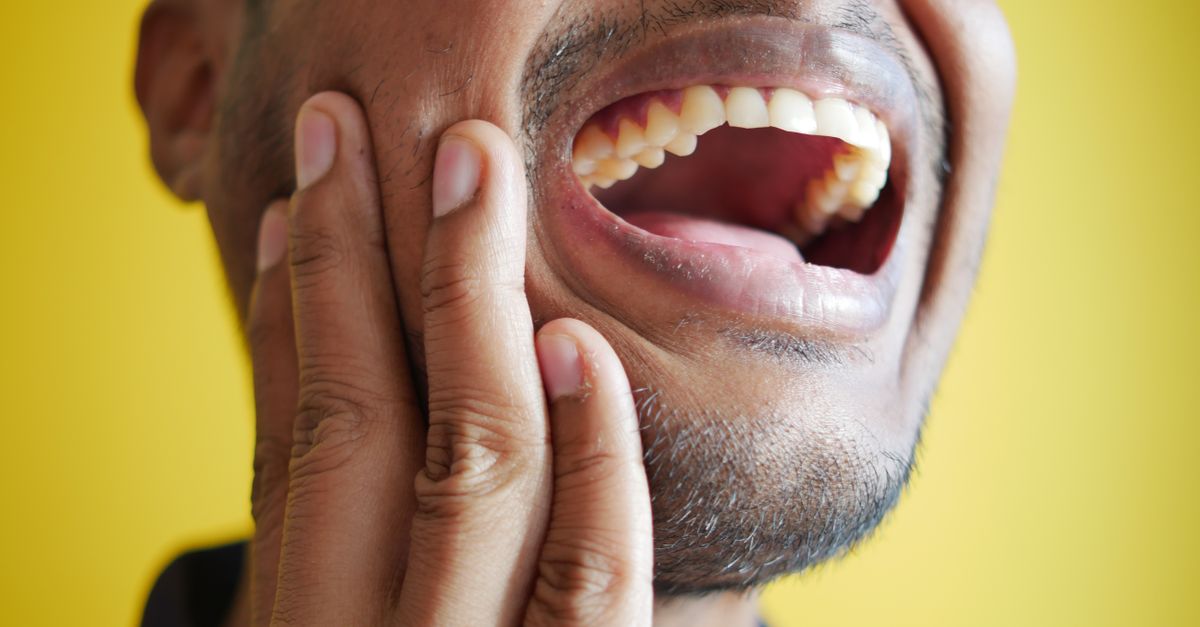
How long does a sharp shooting pain in the jaw last after a tooth extraction?

How long does a sharp shooting pain in the jaw last after a tooth extraction?

1. Introduction A sharp shooting pain in the jaw following a tooth extraction typically peaks within the first forty-eight hours and gradually subsides over three to seven days. Adhering to postoperative instructions, including cold therapy and prescribed analgesics, effectively controls the acute inflammatory response. If the sharp pain intensifies significantly after the third day, it … Read more

How long does chest tightness last after recovering from a severe panic attack?

How long does chest tightness last after recovering from a severe panic attack?

1. Introduction Chest tightness following a panic attack typically persists for several hours to a couple of days as the intercostal muscles recover from sustained tension. Engaging in diaphragmatic breathing and applying warm compresses can facilitate muscular relaxation and expedite relief. If the tightness worsens or is accompanied by pain radiating down the arm, immediate … Read more

How long does a painfully stiff neck last after sleeping in a weird position?

How long does a painfully stiff neck last after sleeping in a weird position?

1. Introduction A painfully stiff neck resulting from an awkward sleep posture typically lasts between twenty-four to seventy-two hours. Applying localized thermal therapy and engaging in gentle mobilization accelerates blood flow and resolves the muscular spasm. If the restricted mobility persists beyond one week without improvement, a clinical evaluation is recommended to rule out underlying … Read more

External Hordeolum: Causes, Symptoms, and Ophthalmic Treatment

External Hordeolum: Causes, Symptoms, and Ophthalmic Treatment

1. Introduction to External Hordeolum An external hordeolum, recognized universally in lay terms as a stye, is an acute, localized bacterial infection of the superficial glands located at the margin of the eyelid. This common ocular condition presents rapidly as a tender, erythematous, and distinct inflammatory nodule, often causing significant physical discomfort and cosmetic concern … Read more

Homozygous Factor V Leiden Mutation: Thrombosis Risks and Clinical Management

Homozygous Factor V Leiden Mutation: Thrombosis Risks and Clinical Management

1. Introduction to Homozygous Factor V Leiden The homozygous Factor V Leiden mutation represents a severe, inherited thrombophilia—a profound genetic predisposition to forming abnormal blood clots. While the heterozygous carrier state is relatively common and often benign, the homozygous condition occurs when an individual inherits two copies of the mutated gene, one from each parent. … Read more

Homozygous Beta Thalassemia Major: Pathophysiology, Symptoms, and Treatment

Homozygous Beta Thalassemia Major: Pathophysiology, Symptoms, and Treatment

1. Introduction to Homozygous Beta Thalassemia Homozygous beta thalassemia, clinically recognized as thalassemia major or Cooley anemia, is a profound genetic blood disorder characterized by the complete absence or severe reduction of beta-globin chain synthesis. This biochemical failure drastically disrupts the formation of healthy red blood cells, leading to a state of severe, life-threatening microcytic … Read more

Homocystinemia: Causes, Cardiovascular Risks, and Clinical Management

Homocystinemia: Causes, Cardiovascular Risks, and Clinical Management

1. Introduction to Homocystinemia Homocystinemia, also known as hyperhomocysteinemia, is a metabolic condition characterized by an abnormally elevated concentration of the amino acid homocysteine in the blood. This biochemical anomaly significantly elevates the risk of vascular thrombosis, systemic cardiovascular disease, and specific neurological impairments. Homocysteine is a naturally occurring intermediate compound in cellular metabolism, but … Read more