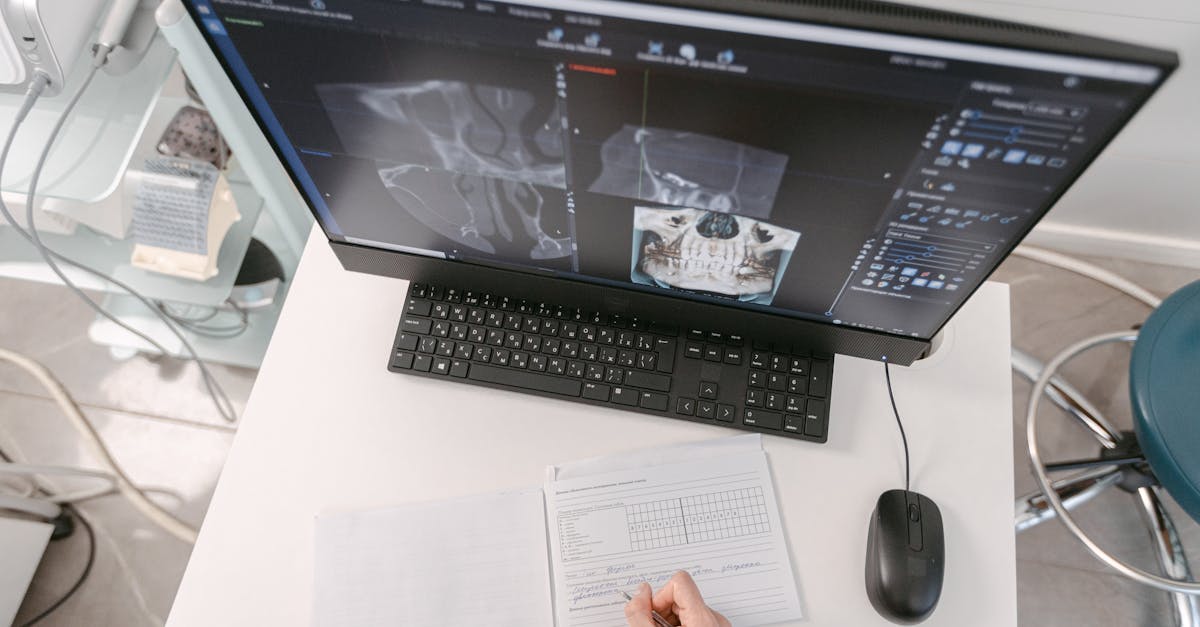
Great Toe Fracture: Causes, Symptoms, and Clinical Management

Great Toe Fracture: Causes, Symptoms, and Clinical Management

1. Introduction A great toe fracture, involving the structural failure of the hallux, is a significant orthopedic injury that differs profoundly from fractures of the lesser toes. The primary clinical objective in managing a broken big toe is to restore the bone’s anatomical alignment, ensuring the preservation of normal gait mechanics and preventing the onset … Read more


Forearm Fracture: Causes, Symptoms, and Treatment Options

Forearm Fracture: Causes, Symptoms, and Treatment Options

1. Introduction A forearm fracture represents a structural failure of the radius bone, the ulna bone, or a combination of both. The primary clinical objective in managing this injury is to precisely restore the anatomical alignment of the affected bones to ensure the preservation of forearm rotation and overall upper extremity function. These fractures are … Read more

How to Tell if Brain Fog is From Stress or an Autoimmune Disease?

How to Tell if Brain Fog is From Stress or an Autoimmune Disease?

1. Introduction Stress-induced brain fog involves profound concentration difficulties and mental exhaustion that improve significantly with adequate rest and the removal of the specific psychological stressor. Autoimmune brain fog is a neurological symptom of systemic inflammation, presenting alongside profound joint pain, chronic physical fatigue, and unrefreshing sleep that persists relentlessly despite extensive rest. Distinguishing a … Read more

How to Tell if a Lump in the Breast is a Cyst or a Tumor?

How to Tell if a Lump in the Breast is a Cyst or a Tumor?

1. Introduction A breast cyst typically feels like a smooth, round, fluid-filled grape that is highly mobile under the skin and frequently fluctuates in size and tenderness in tandem with the menstrual cycle. A solid breast tumor generally presents as a firm, hard, irregularly shaped mass that is immovable, completely painless, and persists unchanged regardless … Read more

How to Tell if Frequent Urination is Diabetes or a Urinary Tract Infection?

How to Tell if Frequent Urination is Diabetes or a Urinary Tract Infection?

1. Introduction A urinary tract infection causes a sudden, urgent need to pass small amounts of urine, usually accompanied by sharp burning pain and lower pelvic pressure. Diabetes mellitus causes the production of abnormally large volumes of urine, leading to frequent bathroom trips paired with unquenchable thirst and systemic fatigue, but entirely lacks the localized … Read more

How to Tell if Excessive Sweating is Hyperhidrosis or a Thyroid Issue?

How to Tell if Excessive Sweating is Hyperhidrosis or a Thyroid Issue?

1. Introduction Primary hyperhidrosis causes localized, symmetrical sweating predominantly on the palms, soles, or underarms, typically beginning in adolescence without any other signs of illness. Hyperthyroidism causes generalized, whole-body sweating accompanied by a rapid resting heart rate, profound unexplainable weight loss, and severe heat intolerance. Determining whether excess perspiration is a localized nervous system overreaction … Read more

How to Tell if Chest Tightness is GERD or Angina?

How to Tell if Chest Tightness is GERD or Angina?

1. Introduction Angina causes a deep, squeezing pressure in the center of the chest that predictably worsens with physical exertion and frequently radiates to the left arm or jaw. Gastroesophageal reflux disease, abbreviated as GERD, produces a distinct burning sensation behind the breastbone that typically worsens when lying down flat or after consuming a large … Read more

Foot Fracture: Causes, Symptoms, and Clinical Management

Foot Fracture: Causes, Symptoms, and Clinical Management

1. Introduction A fracture of the foot involves a structural disruption in one or more of the twenty-six bones that constitute the human pedal skeleton. The primary clinical objective in managing these injuries is to precisely align the fractured segments to restore the intricate biomechanical architecture of the foot. Accurate restoration is imperative to ensure … Read more

Fibula Fracture: Causes, Symptoms, and Orthopedic Treatment

Fibula Fracture: Causes, Symptoms, and Orthopedic Treatment

1. Introduction A fibula fracture involves a structural disruption of the smaller, laterally positioned bone in the lower leg. The primary clinical objective in managing this fracture is to evaluate the mechanical stability of the adjacent ankle and knee joints, alleviate acute pain, and ensure the bone heals in proper anatomical alignment to preserve normal … Read more

Neonatal Femur Fracture Due to Birth Trauma: Causes, Symptoms, and Care

Neonatal Femur Fracture Due to Birth Trauma: Causes, Symptoms, and Care

1. Introduction A neonatal femur fracture resulting from birth trauma is a significant, albeit rare, orthopedic injury sustained during the delivery process. It involves a structural break in the infant’s thigh bone as they are navigated through the maternal pelvis. The primary clinical objective is rapid diagnosis, ruling out underlying metabolic bone disorders, and implementing … Read more