Can High Blood Pressure Cause a Persistent Ringing in the Ears?

Can High Blood Pressure Cause a Persistent Ringing in the Ears?

1. Introduction Yes, high blood pressure can cause a persistent ringing or whooshing sound in the ears, a condition medically known as pulsatile tinnitus. Elevated blood pressure forces blood through the delicate vascular networks surrounding the auditory system with increased velocity and force. This forceful movement changes the normal, smooth flow of blood into a … Read more

Can Iron Deficiency Cause Extreme Shortness of Breath When Walking?

Can Iron Deficiency Cause Extreme Shortness of Breath When Walking?

1. Introduction Yes, iron deficiency can cause severe shortness of breath when walking or performing mild physical exertion. This occurs because the body relies on iron to produce hemoglobin, the specific protein within red blood cells responsible for carrying oxygen from the lungs to the body tissues. When iron stores are depleted, oxygen delivery becomes … Read more

Fetal Disorders Due to Malpresentation During Delivery: Mechanical Trauma and Surgical Extraction

Fetal Disorders Due to Malpresentation During Delivery: Mechanical Trauma and Surgical Extraction

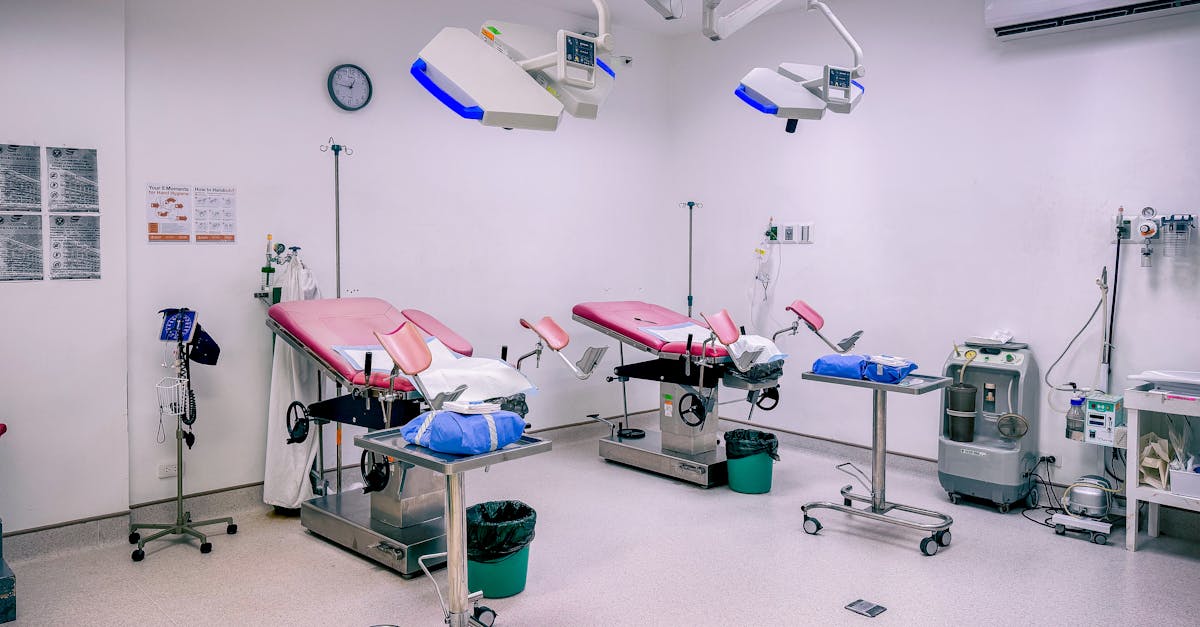
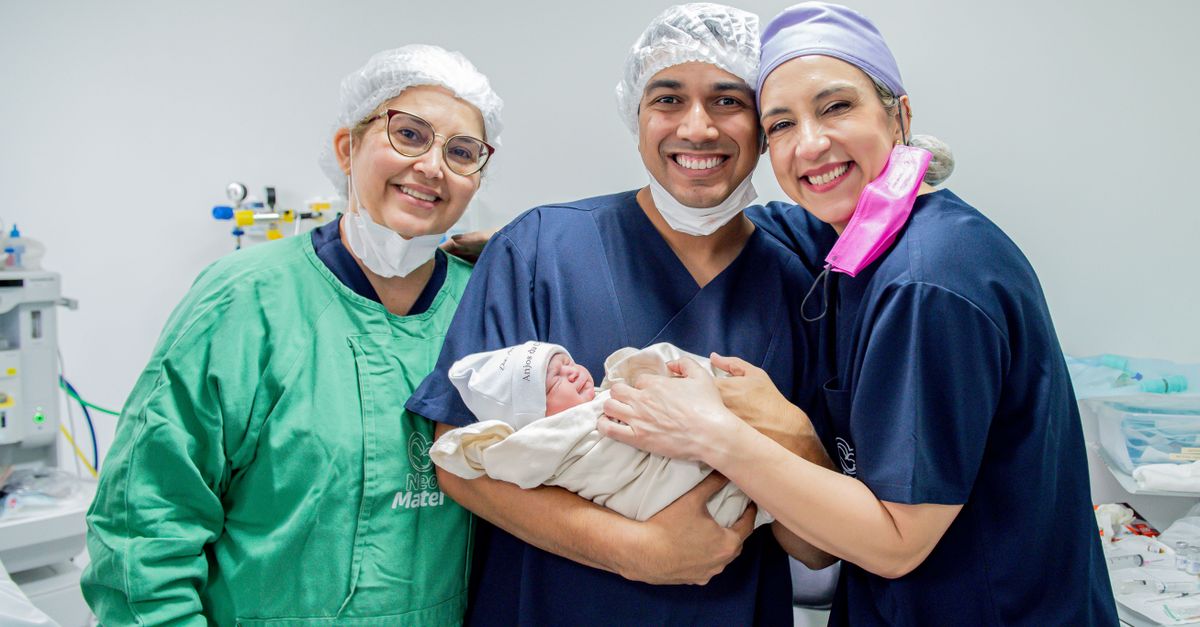
1. Introduction A fetal disorder resulting from malpresentation during delivery represents an acute obstetrical crisis occurring when a fetus enters the final, expulsive phase of childbirth in any orientation other than a tucked, head-first position. Malpresentations include breech (buttocks or feet first), face, brow, and transverse (shoulder first) presentations. Unlike malposition, which involves a head-first … Read more

Fetal Disorders Due to Malposition During Labor: Hypoxia and Stalled Progression

Fetal Disorders Due to Malposition During Labor: Hypoxia and Stalled Progression

1. Introduction A fetal disorder arising from malposition during labor develops when the fetus is oriented in a structurally disadvantageous position during the active phase of cervical dilation. Unlike malpresentation, which involves a non-head-first orientation, malposition typically refers to a cephalic (head-down) fetus that is facing the wrong direction, most commonly the occiput posterior or … Read more

Fetal Disorders Due to Malposition During Delivery: Mechanisms and Obstetrical Management

Fetal Disorders Due to Malposition During Delivery: Mechanisms and Obstetrical Management

1. Introduction A fetal disorder resulting from malposition during delivery occurs when the fetal head is oriented abnormally within the maternal pelvis during the final, expulsive phase of childbirth. The condition leads to significant mechanical obstruction and frequently necessitates instrumental extraction, which can inflict physical trauma on the newborn. Managing this obstetrical challenge requires precise … Read more

Can Low Vitamin D Cause Chronic Joint Pain in the Knees?

Can Low Vitamin D Cause Chronic Joint Pain in the Knees?

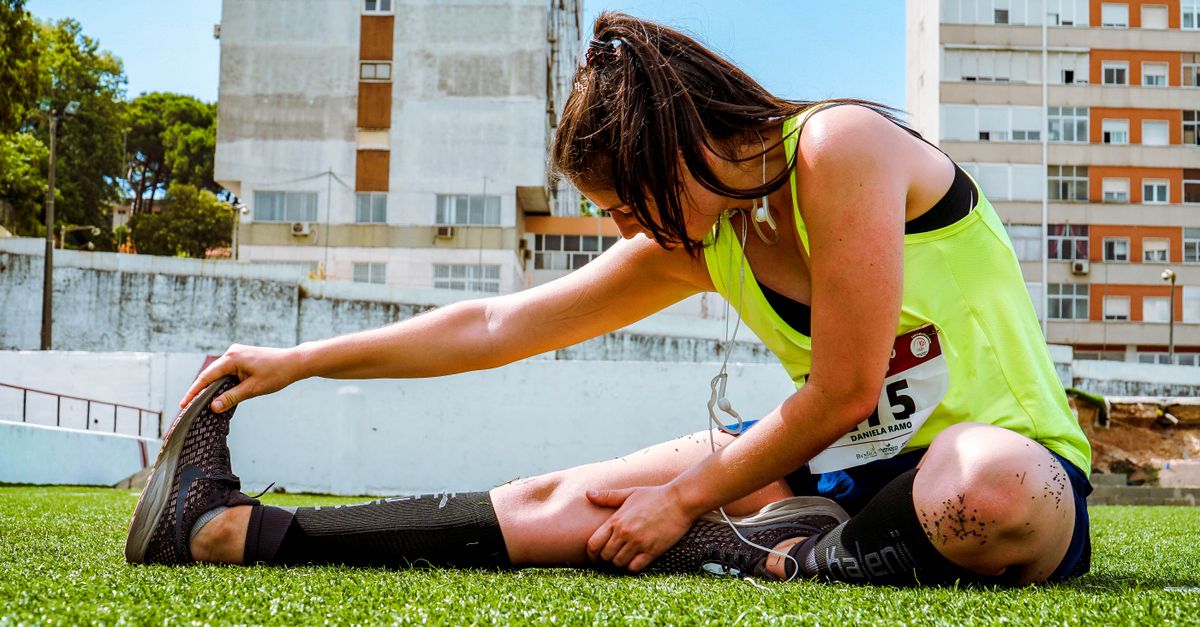
1. Introduction Yes, a deficiency in vitamin D can cause chronic joint pain in the knees. Vitamin D is essential for calcium absorption and bone mineralization; insufficient levels lead to osteomalacia, a softening of the bones that causes deep, aching joint pain. Furthermore, low vitamin D compromises muscle function and increases systemic inflammation, directly contributing … Read more

Can Drinking Too Much Coffee Cause Random Muscle Twitches?

Can Drinking Too Much Coffee Cause Random Muscle Twitches?

1. Introduction Yes, consuming excessive amounts of coffee can cause random muscle twitches, medically known as fasciculations. High doses of caffeine stimulate the central nervous system and increase the release of excitatory neurotransmitters, leading to spontaneous firing of motor neurons. This neurological hyperactivity causes the affected muscle fibers to contract involuntarily. Caffeine is a powerful … Read more

Can Severe Stress Cause Physical Chest Pain and Tightness?

Can Severe Stress Cause Physical Chest Pain and Tightness?

1. Introduction Yes, severe stress can cause physical chest pain and tightness through the activation of the sympathetic nervous system. A surge in stress hormones like adrenaline induces acute spasms in the intercostal muscles and sudden vascular constriction, creating a heavy, restrictive sensation in the chest. While not a cardiac event, this physiological response causes … Read more