Benign Fibrous Histiocytoma: Pathology, Diagnosis, and Management

Benign Fibrous Histiocytoma: Pathology, Diagnosis, and Management
1. Introduction to Benign Fibrous Histiocytoma A benign fibrous histiocytoma is a common, non-cancerous dermatological growth composed of a mixture of fibroblastic and histiocytic cells. These localized nodules typically present on the lower extremities and are completely harmless, requiring medical intervention only if they become symptomatic or cosmetically burdensome. In clinical practice, this entity is … Read more

Why does my neck feel painful and locked when I try to look over my shoulder?

Why does my neck feel painful and locked when I try to look over my shoulder?

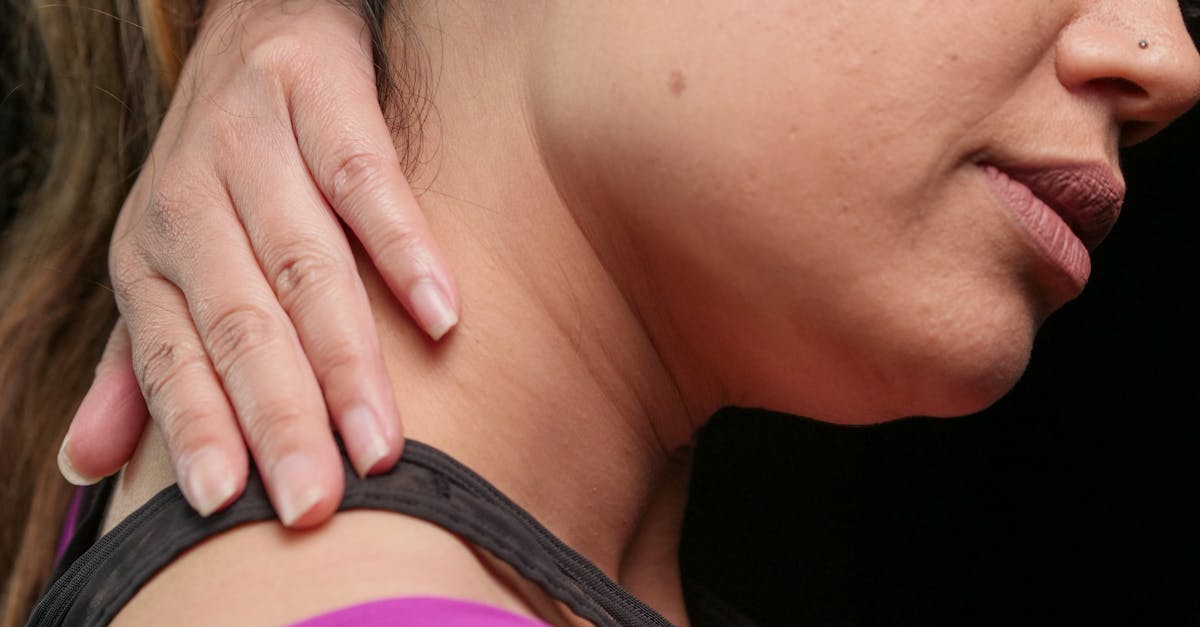
1. Introduction A painful, locked sensation in the neck when attempting to look over the shoulder is predominantly caused by acute cervical facet joint dysfunction accompanied by a protective muscular spasm. The intricate architecture of the cervical spine relies on small, gliding joints to facilitate rotation. When one of these joints becomes inflamed, mechanically impinged, … Read more

Why do my knees feel sore and tender after kneeling on a hardwood floor?

Why do my knees feel sore and tender after kneeling on a hardwood floor?

1. Introduction Sore and tender knees after kneeling on a hardwood floor are primarily caused by the intense mechanical compression of the prepatellar bursa and the acute restriction of blood flow to the anterior soft tissues of the joint. The rigid, unyielding surface of the wood forces the entire weight of the upper body onto … Read more

Why do I get a burning pain behind my ribs after drinking red wine?

Why do I get a burning pain behind my ribs after drinking red wine?

1. Introduction A burning pain behind the ribs after drinking red wine is classically associated with gastroesophageal reflux, driven by the beverage’s unique chemical ability to relax the lower esophageal sphincter and stimulate aggressive gastric acid production. Red wine combines ethanol, natural acids, histamines, and sulfites into a complex liquid that lowers the defensive barriers … Read more

Why do my forearms feel weak and tired after scrubbing kitchen counters?

Why do my forearms feel weak and tired after scrubbing kitchen counters?

1. Introduction Forearm weakness and fatigue after scrubbing kitchen counters are the direct physiological results of sustained isometric gripping combined with repetitive isotonic wrist movements. This specific cleaning motion forces the flexor and extensor muscles of the forearm to operate simultaneously under constant tension, rapidly depleting cellular energy reserves and restricting local capillary blood flow. … Read more

Why do my eyes feel heavy and strained after driving at dusk for an hour?

Why do my eyes feel heavy and strained after driving at dusk for an hour?

1. Introduction Heavy and strained eyes after driving at dusk for an hour are caused by the profound muscular and neurological effort required to maintain visual acuity during the transition from daylight to darkness. This transitional lighting phase forces the visual system into mesopic vision, a state where neither the cone cells nor the rod … Read more

Angiomyofibroblastoma: Pathology, Presentation, and Surgical Management

Angiomyofibroblastoma: Pathology, Presentation, and Surgical Management

1. Introduction to Angiomyofibroblastoma An angiomyofibroblastoma is an exceedingly rare, benign mesenchymal neoplasm that predominantly arises within the female genital tract, most notably the vulva and the vagina. The complex nomenclature of this tumor precisely describes its unique triphasic cellular composition: it incorporates prominent, abundant blood vessels (angio), specialized smooth muscle-like cells known as myofibroblasts … Read more

Benign Fibromatous Neoplasms: Diagnosis, Pathology, and Treatment

Benign Fibromatous Neoplasms: Diagnosis, Pathology, and Treatment

1. Introduction to Benign Fibromatous Neoplasms Benign fibromatous neoplasms are a very common and diverse group of non-cancerous tumors that originate strictly from fibrous connective tissue. These lesions are characterized by the localized, highly regulated proliferation of fibroblasts, which are the primary cells responsible for synthesizing structural collagen throughout the human body. Because fibrous tissue … Read more

Fibromatous Neoplasms: Pathophysiology, Types, and Clinical Management

Fibromatous Neoplasms: Pathophysiology, Types, and Clinical Management

1. Introduction to Fibromatous Neoplasms Fibromatous neoplasms represent a broad and diverse spectrum of tumors that originate from fibrous connective tissue. These tumors are fundamentally characterized by the abnormal, localized proliferation of fibroblasts and the subsequent overproduction of structural collagen. Because fibrous connective tissue is a ubiquitous supportive component found throughout the entire human body, … Read more

Borderline Serous Cystadenofibroma: Clinical Characteristics and Surgical Care

Borderline Serous Cystadenofibroma: Clinical Characteristics and Surgical Care

1. Introduction to Borderline Serous Cystadenofibromas A borderline serous cystadenofibroma is a rare and highly complex epithelial neoplasm that predominantly originates within the female ovary. The architecture of this tumor is defined by a striking triphasic composition incorporating large fluid-filled cystic spaces, a dense network of benign fibrous connective tissue, and an actively proliferating atypical … Read more