Undifferentiated Carcinoma with Osteoclast-Like Giant Cells: Pathology, Diagnosis, and Treatment

Undifferentiated Carcinoma with Osteoclast-Like Giant Cells: Pathology, Diagnosis, and Treatment
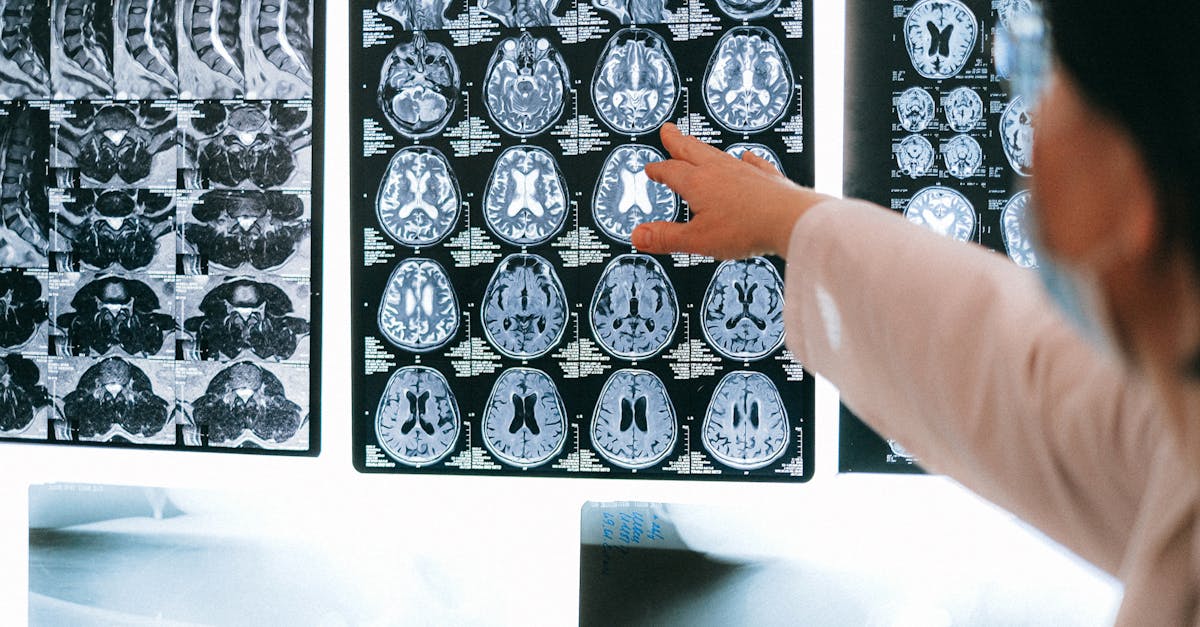
1. Introduction to Undifferentiated Carcinoma with Osteoclast-Like Giant Cells Undifferentiated carcinoma with osteoclast-like giant cells is a rare and distinct morphological variant of carcinoma characterized by a dual cellular population. The tumor consists of an invasive, malignant epithelial component that lacks structural differentiation, intermingled with a prominent population of non-neoplastic, multinucleated giant cells resembling osteoclasts. … Read more


Why do my fingertips feel numb after typing on a mechanical keyboard?

Why do my fingertips feel numb after typing on a mechanical keyboard?

1. Introduction Fingertip numbness after typing on a mechanical keyboard is primarily caused by repetitive micro-concussive trauma to the digital nerves and sustained compressive forces on the median nerve at the wrist. Mechanical keyboards often require a highly repetitive, forceful keystroke that terminates in an abrupt impact when the switch bottoms out against the metal … Read more

Why do my ears pop repeatedly when driving up a steep mountain highway?

Why do my ears pop repeatedly when driving up a steep mountain highway?

1. Introduction Repeated popping in the ears when driving up a steep mountain highway is caused by the physiological process of equalizing the pressure between the middle ear cavity and the rapidly decreasing ambient barometric pressure outside the vehicle. As altitude increases, the air pressure drops, causing the air trapped behind the eardrum to expand. … Read more

Why do my stomach muscles feel tender to touch after doing sit ups?

Why do my stomach muscles feel tender to touch after doing sit ups?

1. Introduction Tenderness in the stomach muscles after performing sit ups is the direct result of delayed onset muscle soreness, which occurs due to microscopic tears in the muscle fibers and surrounding connective tissue. Sit ups demand intense, repetitive concentric and eccentric contractions of the rectus abdominis, placing immense mechanical stress on tissues that may … Read more

Why do my feet feel clammy and cold even when wearing leather boots?

Why do my feet feel clammy and cold even when wearing leather boots?

1. Introduction Clammy and cold feet inside leather boots are primarily caused by localized overactivity of the sweat glands combined with inadequate evaporation, leading to rapid heat loss from the skin surface. When feet perspire inside an enclosed, thermally insulative environment, the trapped moisture utilizes the body heat to attempt evaporation. Because the moisture cannot … Read more

Why does my throat feel raw and dry after sleeping in an air conditioned room?

Why does my throat feel raw and dry after sleeping in an air conditioned room?

1. Introduction A raw and dry throat after sleeping in an air-conditioned room is primarily caused by the mechanical extraction of moisture from the ambient air, which significantly reduces the relative humidity of the sleeping environment. As you breathe this desiccated air, the delicate mucous membranes lining the pharynx rapidly lose hydration, leading to cellular … Read more

Squamous Carcinoma with Osteoclast-Like Giant Cells: Pathology, Diagnosis, and Management

Squamous Carcinoma with Osteoclast-Like Giant Cells: Pathology, Diagnosis, and Management

1. Introduction to Squamous Carcinoma with Osteoclast-Like Giant Cells Squamous carcinoma with osteoclast-like giant cells is an exceedingly rare and biologically fascinating morphological variant of squamous cell carcinoma. This unusual malignancy is characterized by the presence of a conventional squamous cell carcinoma tightly intermingled with a dense population of multinucleated giant cells that precisely resemble … Read more

Dedifferentiated Carcinoma: Molecular Mechanisms, Histopathology, and Clinical Treatment

Dedifferentiated Carcinoma: Molecular Mechanisms, Histopathology, and Clinical Treatment

1. Introduction to Dedifferentiated Carcinoma Dedifferentiated carcinoma is a unique and aggressive pathological entity defined by a distinct, abrupt morphological transition within a single tumor. It is characterized by the presence of a low-grade, well-differentiated carcinoma that sits immediately adjacent to, and sharply transitions into, a high-grade, undifferentiated malignant component. This dual-component nature creates immense … Read more

Anaplastic Undifferentiated Carcinoma: Pathophysiology, Diagnosis, and Therapeutic Approaches

Anaplastic Undifferentiated Carcinoma: Pathophysiology, Diagnosis, and Therapeutic Approaches

1. Introduction to Anaplastic Undifferentiated Carcinoma Anaplastic undifferentiated carcinoma represents one of the most aggressive and rapidly lethal forms of human malignancy. The term anaplastic refers to a profound loss of cellular differentiation and tissue organization. In these tumors, the malignant cells have mutated so extensively that they no longer resemble the mature, specialized cells … Read more