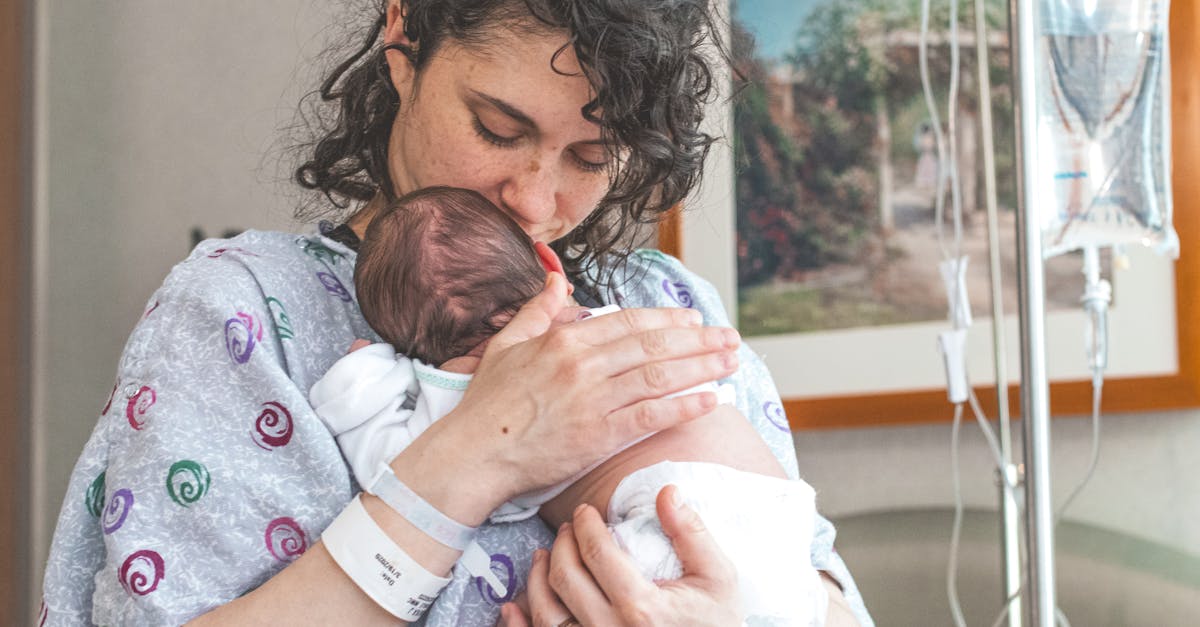
1. Introduction to the Postpartum State
The postpartum state, medically termed the puerperium, is a critical phase of female reproductive physiology that begins immediately following the delivery of the placenta and typically spans six to eight weeks. During this period, the maternal body undergoes profound and rapid physiological, endocrine, and anatomical adaptations to revert to a non-pregnant state. Concurrently, the body initiates the complex biological processes required for lactation and neonatal nourishment.
Navigating the postpartum state requires careful clinical monitoring, as the rapid physiological shifts make women highly vulnerable to acute complications such as secondary hemorrhage, thromboembolic events, and severe hypertensive disorders. Providing comprehensive medical care and patient education during the puerperium is essential to ensure physical recovery, psychological stability, and the long-term health of the mother.
2. Uterine Involution and Hemostasis
Immediately after the expulsion of the placenta, the uterus must contract forcefully to compress the exposed maternal blood vessels at the placental implantation site. This muscular contraction is the primary mechanism of postpartum hemostasis. The process by which the uterus returns to its pre-pregnant size and position is known as uterine involution.
Oxytocin, released from the posterior pituitary gland, drives these powerful myometrial contractions. Clinicians continuously monitor the firmness and position of the uterine fundus during the first few hours postpartum. A soft, “boggy” uterus indicates uterine atony, a life-threatening condition and the leading cause of primary postpartum bleeding, which requires immediate pharmacological and mechanical intervention to prevent massive hemorrhage.
3. Lochia: Assessing Postpartum Bleeding
As the superficial layer of the uterine lining, the decidua, breaks down and is shed, it produces a physiological vaginal discharge known as lochia. The assessment of lochia provides critical clinical insight into the normal progression of uterine healing. The discharge undergoes a predictable transition in color and volume over several weeks.
Initially, for the first three to four days, the discharge is dark red and relatively heavy, known as lochia rubra. It then transitions to a pinkish-brown serous fluid called lochia serosa, which lasts for approximately ten to fourteen days. Finally, the discharge becomes yellowish-white, termed lochia alba, and can persist for up to six weeks. Any sudden return to heavy, bright red bleeding warrants immediate medical evaluation to rule out retained placental fragments or delayed hemorrhage.
4. Cardiovascular and Hemodynamic Shifts
Pregnancy induces a massive increase in circulating blood volume and cardiac output. In the immediate postpartum state, this fluid dynamic shifts drastically. The removal of the placental circulation and the mobilization of extracellular fluid back into the vascular space result in a significant, transient increase in venous return and cardiac workload.
The body eliminates this excess fluid through two primary mechanisms: profound postpartum diuresis, resulting in the production of high volumes of urine, and significant diaphoresis, leading to heavy sweating, particularly at night. While these cardiovascular shifts are normal, women with pre-existing cardiac conditions must be monitored closely during this phase, as the sudden hemodynamic burden can precipitate acute heart failure.
5. Hormonal Fluctuations and Lactation
The delivery of the placenta triggers an immediate, precipitous drop in maternal estrogen and progesterone levels. This sudden withdrawal removes the inhibitory effect on the anterior pituitary gland, allowing for a surge in prolactin secretion. Prolactin stimulates the glandular tissue of the breasts to initiate milk synthesis, transitioning from the production of colostrum to mature breast milk within three to five days postpartum.
Simultaneously, the sensory stimulus of the infant suckling at the breast triggers the release of oxytocin, which causes the contraction of myoepithelial cells in the mammary glands, resulting in the milk ejection reflex, or “let-down.” These complex endocrine pathways require adequate maternal hydration, nutrition, and rest to function optimally.
6. Perineal and Pelvic Floor Recovery
For women who undergo a vaginal delivery, the structural integrity of the pelvic floor and perineum is frequently compromised. The intense mechanical stretching can cause micro-trauma to the levator ani muscles, while spontaneous perineal lacerations or a surgical episiotomy create acute tissue wounds requiring sutures.
The perineum is highly vascular, leading to significant edema and localized pain during the early puerperium. Clinical care focuses on rigorous hygiene to prevent infection, the application of localized cold therapy to reduce swelling, and the use of oral analgesics. Patients are instructed to begin gentle pelvic floor muscle training, known as Kegel exercises, as soon as comfortable to restore muscular tone and prevent long-term stress urinary incontinence.
7. Cesarean Section Wound Management
Recovery from a cesarean delivery entails the management of a major abdominal surgical incision. The patient experiences pain not only from uterine involution but also from the transection of the abdominal fascia and musculature. The postoperative state demands rigorous monitoring of the surgical site for signs of infection, such as spreading erythema, induration, or purulent exudate.
Mobility must be carefully managed. Early ambulation is strictly encouraged to mitigate the risk of deep vein thrombosis, but the patient must adhere to strict lifting restrictions to prevent fascial dehiscence or the development of an incisional hernia. Adequate multimodal pain management is crucial to allow the mother to comfortably care for and feed the newborn.
8. Gastrointestinal and Urinary System Adaptations
The gastrointestinal system is notoriously sluggish in the immediate postpartum state. Lingering effects of progesterone, decreased intra-abdominal pressure, and restricted oral intake during labor contribute to decreased bowel motility. Fear of pain from perineal lacerations or hemorrhoids frequently exacerbates severe postpartum constipation. Prophylactic stool softeners and adequate hydration are standard clinical interventions.
The urinary system also faces significant challenges. The bladder often experiences decreased sensitivity due to the trauma of labor or the effects of regional anesthesia. This decreased tone can lead to urinary retention and bladder overdistension. Clinicians closely monitor the first few postpartum voids to ensure adequate bladder emptying and prevent ascending urinary tract infections.
9. Musculoskeletal Changes and Rehabilitation
During pregnancy, the hormone relaxin causes the softening and relaxation of the pelvic ligaments and joints to facilitate birth. In the postpartum state, these ligaments remain lax for several months. This instability, combined with changes in the body’s center of gravity and the physical demands of holding and feeding a newborn, frequently results in severe lower back and pelvic girdle pain.
Additionally, many women experience diastasis recti, a separation of the vertical rectus abdominis muscles. Targeted physical therapy focusing on deep core stabilization and proper ergonomic lifting techniques is highly recommended to restore structural integrity and alleviate musculoskeletal pain.
10. Postpartum Mood Disorders
The dramatic drop in reproductive hormones, combined with acute sleep deprivation and the psychological stress of transitioning to motherhood, creates a high-risk environment for mood disturbances. Clinicians must differentiate between normal transient emotional shifts and clinical psychiatric conditions.
| Condition | Onset and Duration | Clinical Features |
|---|---|---|
| Postpartum Blues | Days 3-10, resolves within 2 weeks. | Weepiness, mild anxiety, emotional lability. |
| Postpartum Depression | Anytime within the first year. | Persistent sadness, anhedonia, extreme guilt, apathy. |
| Postpartum Psychosis | Usually within the first 2 weeks. | Hallucinations, delusions, severe agitation (Medical Emergency). |
11. Managing Postpartum Pain
Effective pain management is vital for facilitating maternal-infant bonding and early mobilization. Pain in the puerperium arises from multiple sources: uterine cramping, perineal trauma, surgical incisions, and breast engorgement.
Standard pharmacological management involves a scheduled regimen of non-steroidal anti-inflammatory drugs to target inflammation and uterine cramping, supplemented by acetaminophen. Opioid analgesics are strictly reserved for severe breakthrough pain, particularly following a cesarean section, and their use is minimized to prevent neonatal exposure through breast milk and maternal constipation.
12. Nutritional Requirements and Supplementation
The metabolic demands of the postpartum state, especially for a lactating woman, are exceptionally high. The maternal body requires additional calories, high-quality protein, and adequate hydration to support tissue repair and sustain milk production.
Clinicians typically advise continuing prenatal vitamins throughout the entire duration of breastfeeding. Specific attention is given to maintaining adequate iron stores, particularly if the patient experienced significant blood loss during delivery, to prevent postpartum anemia, which directly exacerbates fatigue and increases the risk of mood disorders.
13. Resuming Physical and Sexual Activity
Medical clearance for resuming strenuous physical exercise and sexual intercourse is generally granted following a comprehensive pelvic examination at the six-week postpartum visit. Before this time, the cervix may not be fully closed, and the placental site is still healing, making the introduction of foreign objects highly dangerous due to the risk of endometritis.
When sexual activity resumes, women frequently experience dyspareunia due to low estrogen levels in lactating mothers, which causes vaginal dryness and tissue thinning. The clinical use of water-based lubricants or low-dose localized vaginal estrogen is often recommended, alongside thorough contraceptive counseling, as ovulation can occur unpredictably before the return of regular menstruation.
14. Frequently Asked Questions FAQ
1. Why do I sweat so much at night after giving birth?
Night sweats are a normal physiological response. During pregnancy, your body retains a massive amount of extra fluid. In the postpartum state, the body eliminates this excess fluid rapidly through increased urination and heavy sweating, especially while sleeping.
2. How long is it normal to bleed after delivery?
Vaginal bleeding, known as lochia, is completely normal and can last anywhere from four to six weeks. It should gradually change from dark red to pinkish-brown, and finally to a yellowish-white discharge.
3. What are the signs of postpartum depression versus normal baby blues?
The baby blues typically resolve within two weeks and involve mild mood swings or tearfulness. Postpartum depression is more severe and persistent, involving feelings of deep sadness, hopelessness, extreme anxiety, or an inability to bond with the infant, requiring professional medical support.
4. Why do I feel sharp cramps when I breastfeed?
When the baby suckles, your brain releases oxytocin, the same hormone that causes labor contractions. This hormone signals your uterus to contract and shrink back to its normal size, which feels like sharp menstrual cramps and helps prevent excessive bleeding.
5. When is it safe to start exercising and having sex again?
Doctors generally advise waiting until your six-week postpartum checkup before engaging in strenuous exercise or sexual intercourse. This allows sufficient time for your cervix to close, incisions to heal, and the risk of uterine infection to decrease significantly.
15. Bibliography
Disclaimer: The content is for informational purposes only and does not replace medical advice. Always consult your doctor for personalized treatment.