
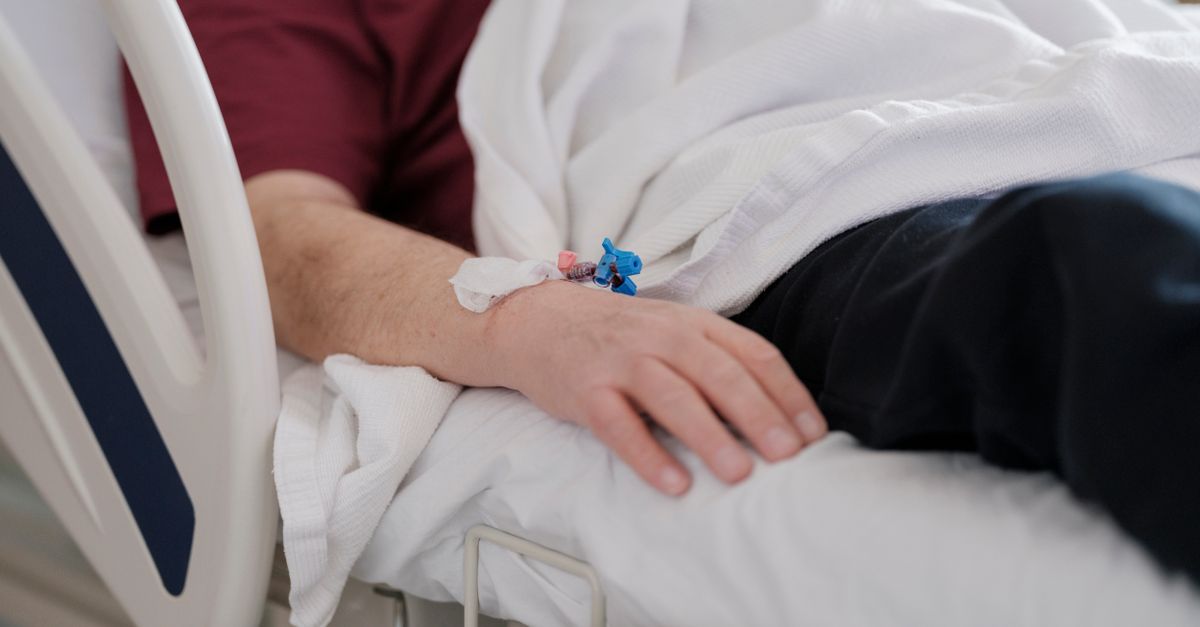
1. Introduction to Privacy in Clinical Settings
The availability of private areas in healthcare accommodations—spanning hospitals, psychiatric facilities, memory care units, and long-term assisted living—is a critical component of environmental psychology and therapeutic architecture. Clinical privacy is not merely a comfort measure; it is a fundamental requirement that significantly impacts autonomic nervous system regulation, psychological safety, and the overall efficacy of medical treatment.
When patients transition into a care facility, they experience a profound loss of autonomy and personal territory. The clinical environment is inherently intrusive, involving continuous monitoring, physical examinations, and shared spaces. Without designated private areas, the patient is subjected to chronic sensory and psychosocial overload.
Medical research consistently demonstrates that environments lacking adequate private spaces elevate patient stress hormones, delay physical healing, and exacerbate psychiatric symptoms. Consequently, modern clinical architecture prioritizes the integration of accessible private spaces to support the biological and psychological resilience of the patient.
2. The Psychophysiology of Privacy
Human beings possess an innate biological need for territorial control and periods of isolation. When a patient is unable to withdraw from the scrutiny of medical staff or other patients, the brain perceives this continuous exposure as a subtle but chronic threat. This perception activates the sympathetic nervous system, initiating a prolonged fight-or-flight response.
This sympathetic arousal results in the continuous release of cortisol and adrenaline. Chronic hypercortisolemia has severe clinical implications: it suppresses the immune system, impairs wound healing, and destabilizes glucose metabolism. For patients recovering from surgery or combating severe infections, this environmental stress directly prolongs physical recovery times.
Conversely, access to a private area allows the patient to engage the parasympathetic nervous system (the rest-and-digest state). In a private, controllable environment, heart rate variability improves, blood pressure stabilizes, and the body redirects metabolic energy toward cellular repair and immune function.
3. Privacy in Psychiatric Care Facilities
In acute psychiatric accommodations, the balance between patient safety (which requires observation) and patient privacy is highly delicate. However, providing secure, private areas is essential for therapeutic progress. Patients experiencing acute psychosis, severe depression, or sensory processing disorders are highly vulnerable to environmental overstimulation.
A continuous lack of privacy in psychiatric wards often leads to increased agitation, paranoia, and behavioral dysregulation. When patients cannot retreat to a quiet, private space, they frequently employ defensive coping mechanisms, which may manifest as aggression or complete social withdrawal, complicating clinical assessments.
Therapeutic architecture in modern psychiatric care integrates “low-stimulus” private rooms. These areas allow patients to de-escalate independently, maintain their dignity during vulnerable moments, and process therapeutic sessions without the anxiety of being observed by peers.
4. Dementia and Memory Care Accommodations
For individuals with Alzheimer’s disease and other forms of dementia, the environment plays a profound role in behavioral symptom management. Cognitive decline strips away the patient’s ability to filter out background noise and visual clutter. A crowded, public environment quickly becomes overwhelming, triggering catastrophic reactions, severe anxiety, and wandering behaviors.
Private accommodations in memory care facilities provide a predictable, quiet sanctuary. Familiar objects placed in a private room help orient the patient and reduce the panic associated with memory loss. The ability to retreat to a private space drastically reduces the incidence of “sundowning,” a state of severe confusion and agitation that typically occurs in the late afternoon.
Furthermore, private areas facilitate dignified assistance with activities of daily living. Bathing and dressing are highly intimate activities; performing them in spaces that lack strict privacy guarantees induces severe distress in cognitively impaired patients, often leading to combative behaviors.
5. Infection Control and Private Isolation
From a purely biological and epidemiological standpoint, private rooms in acute care hospitals are the primary defense against healthcare-associated infections (HAIs). Shared patient accommodations significantly increase the vector transmission rate of multi-drug resistant organisms, such as Methicillin-resistant Staphylococcus aureus (MRSA) and Clostridioides difficile.
Airborne pathogens require strict environmental control. Private rooms equipped with negative pressure ventilation are non-negotiable clinical requirements for accommodating patients with tuberculosis, severe acute respiratory syndromes, or other highly contagious infectious diseases.
By isolating the patient physically, the private accommodation acts as a necessary barrier, protecting the vulnerable hospital population while allowing the infected patient to recover without the psychological burden of potentially endangering others.
6. Sleep Architecture and Healing
Quality sleep is one of the most potent clinical interventions available, essential for tissue regeneration, immune competence, and cognitive function. However, sleep architecture is notoriously poor in shared healthcare accommodations. The constant disruption from medical alarms, staff conversations, and other patients’ medical emergencies fragments the sleep cycle.
Patients in shared rooms rarely achieve adequate slow-wave (deep) sleep or Rapid Eye Movement (REM) sleep. This severe sleep deprivation exacerbates pain perception (hyperalgesia), increases delirium risk in elderly populations, and significantly delays post-surgical healing.
Private rooms allow for the control of lighting and noise levels, mitigating these disruptions. Patients in private accommodations consistently report better sleep quality, require lower doses of analgesic medications, and demonstrate shorter overall hospital stays compared to those in shared wards.
7. The Role of Privacy in Palliative and Hospice Care
In palliative and end-of-life care, the provision of a private area transcends basic medical necessity and becomes a matter of profound human dignity. The dying process is an intimate physiological and psychological transition. Patients require a serene environment to manage severe pain and to engage in emotional closure with their families.
A shared room in a hospice setting denies the patient and their family the necessary privacy to grieve, have difficult conversations, or perform religious and cultural rituals. The presence of a roommate can inhibit the patient’s willingness to express fear or physical distress openly.
Private accommodations in palliative care allow for the presence of extended family members, unrestricted visiting hours, and a customized environment (such as playing specific music or adjusting lighting), all of which are central to providing a dignified and peaceful death.
8. Autonomy and Patient Identity
Institutionalization in long-term care or rehabilitation facilities often results in the erosion of a patient’s personal identity. The strict adherence to institutional schedules for eating, bathing, and sleeping diminishes the patient’s sense of self-efficacy and autonomy.
A private room serves as the last bastion of personal territory. It allows the patient to exercise control over their immediate environment—choosing when to close the door, when to socialize, and how to arrange their personal belongings. This preservation of autonomy is a powerful psychological protective factor.
Clinical studies indicate that patients who retain environmental control exhibit lower rates of institutional depression and are more engaged in their physical or occupational therapy regimens, driven by a maintained sense of personal agency.
9. Confidentiality and Clinical Communication
Effective medical treatment relies heavily on accurate patient history and honest communication. However, the Health Insurance Portability and Accountability Act (HIPAA) and general medical ethics mandate strict confidentiality. Discussing sensitive medical information, prognoses, or psychiatric symptoms in a shared accommodation inherently violates this principle.
When private consultation areas are unavailable, patients routinely withhold critical health information for fear of being overheard by roommates or visitors. This lack of transparency can lead to misdiagnoses, inappropriate medication prescribing, and missed opportunities to identify issues like domestic abuse or substance use disorders.
Access to designated private spaces ensures that physicians can conduct thorough, confidential interviews, fostering the trust required for an accurate clinical assessment and effective treatment planning.
10. The Impact on Family and Caregiver Dynamics
The health and involvement of a patient’s support network are vital for long-term recovery. In shared accommodations, family members often feel intrusive or are restricted by limited space and visiting hours. This barrier reduces the frequency and quality of familial support.
Private rooms facilitate the active integration of family members into the care plan. Caregivers can stay overnight, participate in medical rounds without compromising the privacy of another patient, and learn complex care routines (like wound dressing or injection administration) in a quiet, focused environment.
This uninterrupted family presence significantly reduces patient anxiety and ensures a safer transition when the patient is eventually discharged to home care, as the family is better prepared and educated.
11. Design Considerations for Clinical Privacy
Creating effective private accommodations involves more than simply adding walls and a door. Modern therapeutic design integrates acoustic engineering to ensure conversations and medical alarms do not permeate through walls. Sound-absorbing materials are critical for true clinical privacy.
Visual privacy must also be carefully managed. The strategic placement of windows, privacy glass, and adjustable blinds allows patients to maintain a connection to the outside world—which prevents sensory deprivation—while preventing observation from corridors.
Furthermore, private areas must remain clinically accessible. Nurses must have clear lines of sight or technological monitoring capabilities to ensure patient safety without physically intruding into the patient’s space unnecessarily.
12. Pediatric Accommodations and Family-Centered Care
In pediatric hospitals, private rooms are essential for implementing family-centered care. A hospitalized child experiences immense fear and disorientation. The continuous presence of a primary caregiver is the most effective intervention to regulate the child’s nervous system.
Shared pediatric wards expose children to the distress, crying, and medical emergencies of other children, which is highly traumatizing and elevates pediatric anxiety.
Private pediatric rooms are designed to accommodate parent sleep areas, allowing the parent to remain continuously at the bedside. This proximity enables the parent to co-regulate the child’s emotions, assist with feeding and basic care, and act as a consistent, comforting presence during painful medical procedures.
13. Summary of Privacy Impacts in Healthcare
To clearly delineate the necessity of private accommodations, the clinical impacts are summarized below.
| Clinical Domain | Impact of Shared Space (Lack of Privacy) | Benefit of Private Accommodation |
|---|---|---|
| Infection Control | High risk of cross-contamination and HAIs | Effective isolation, reduced transmission |
| Psychological State | High cortisol, anxiety, paranoia | Autonomic regulation, dignity, safety |
| Sleep Quality | Severe fragmentation, delirium risk | Restorative sleep, accelerated healing |
| Medical Communication | Withheld information, privacy breaches | Honest reporting, HIPAA compliance |
14. Economic and Operational Considerations
Historically, healthcare facilities utilized shared wards to maximize bed capacity and minimize construction costs. However, current healthcare economics demonstrate that the initial investment in private rooms yields significant long-term financial returns.
Private accommodations drastically reduce the incidence of costly hospital-acquired infections. Furthermore, the improved sleep architecture and reduced psychological stress associated with private rooms consistently shorten the average length of stay.
Facilities with predominantly private rooms also report lower rates of patient transfers (moving a patient due to roommate conflicts or infection control), which reduces operational friction and decreases the workload on nursing staff.
15. Legal and Ethical Mandates
The right to privacy is deeply embedded in medical ethics. It encompasses not only the protection of data but the physical protection of the patient’s body and space. Forcing patients to undergo vulnerable medical procedures, use bedside commodes, or receive grim prognoses in the presence of strangers is increasingly viewed as an ethical failure.
Healthcare accreditation bodies are continuously updating facility guidelines to mandate higher percentages of private rooms in new hospital construction and long-term care renovations.
The clinical consensus is clear: physical privacy is intrinsically linked to patient dignity, and preserving that dignity is a core responsibility of any healthcare institution.
16. Frequently Asked Questions (FAQ)
1. Why do hospitals still use shared rooms if private rooms are better?
Many older hospitals were built decades ago when shared wards were the standard. While new hospitals are almost exclusively built with private rooms, retrofitting older facilities requires massive capital investment and reduces overall bed count.
2. Does having a private room speed up recovery?
Yes. Private rooms significantly improve sleep quality and lower stress hormones (cortisol). Better sleep and lower stress allow the immune system to function optimally, accelerating physical healing.
3. How does privacy help dementia patients?
Patients with dementia become easily overwhelmed by noise and strangers. A private, quiet space with familiar belongings helps them feel safe, reducing severe agitation and defensive behaviors.
4. Can a patient demand a private room?
Patients can request a private room, but availability depends on the facility’s capacity and infection control protocols. Patients requiring isolation for infectious diseases are always prioritized for private rooms.
5. How does a lack of privacy affect medical diagnoses?
If a patient feels they can be overheard by a roommate, they are highly likely to omit sensitive, yet crucial, medical or psychological details, which can lead to an incomplete or inaccurate diagnosis.
Bibliography
Disclaimer: The content is for informational purposes only and does not replace medical advice. Always consult your doctor for personalized treatment.
