
1. Introduction
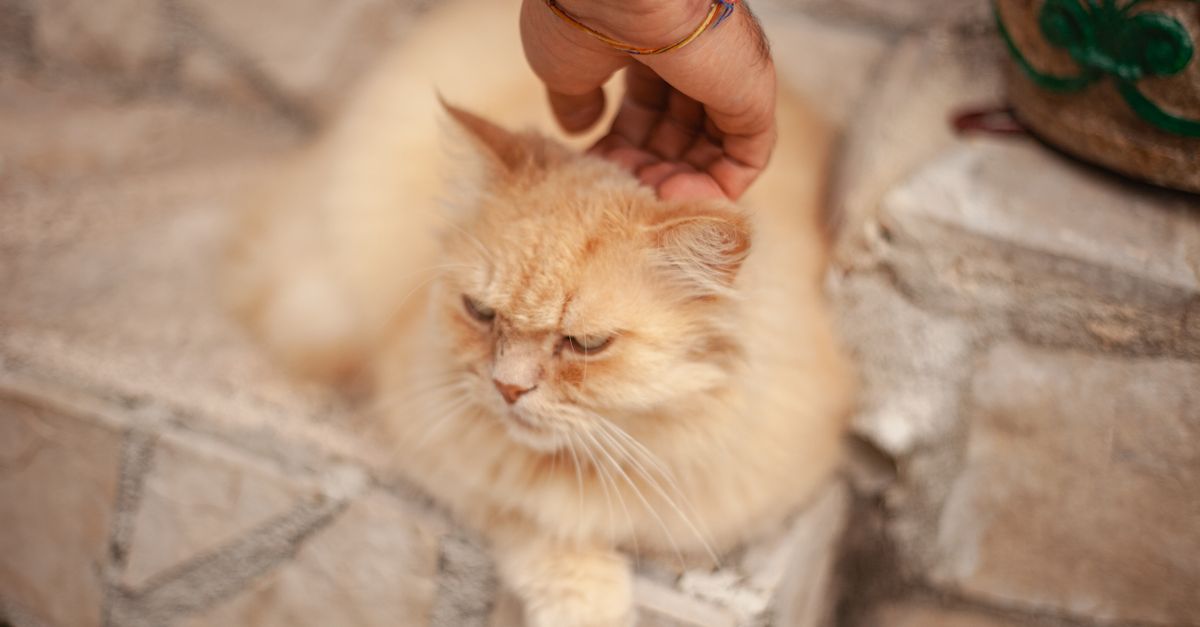
Red and itchy eyes experienced after petting a cat are caused by allergic conjunctivitis, an immune system overreaction to specific microscopic proteins found in feline saliva and dander. When a person touches a cat and subsequently rubs their face, these invisible proteins are transferred directly onto the sensitive mucous membranes of the eye. The immune system mistakenly identifies these harmless proteins as dangerous pathogens, triggering a massive, localized release of histamine. This chemical cascade causes severe inflammation, resulting in immediate ocular redness, profound itching, and excessive tearing.
Feline allergies are exceptionally common and highly potent. The primary culprit is not the cat’s fur itself, but a unique protein synthesized in the animal’s salivary and sebaceous glands. Because cats are meticulous groomers, they coat their entire body in this protein daily. This microscopic allergen is remarkably sticky and easily transfers to human skin, clothing, and the surrounding environment, making avoidance highly challenging even during a brief interaction.
Understanding the specific cellular mechanisms of this allergic response is essential for effectively managing the discomfort. The rapid onset of symptoms demonstrates the incredible speed of the human immune reflex. By analyzing how these allergens penetrate the ocular barrier and initiate the histamine cascade, individuals can implement rapid decontamination protocols and targeted pharmacological interventions to calm the inflamed tissues and prevent severe allergic conjunctivitis.
2. The Fel d 1 Allergen
The specific biological trigger responsible for the vast majority of feline allergies is a protein known as Fel d 1. This secretoglobin protein is produced primarily in the cat’s salivary glands and the sebaceous glands located at the base of their hair follicles.
When a cat grooms itself, it spreads saliva containing high concentrations of Fel d 1 across its entire coat. As the saliva dries, the protein binds to microscopic flakes of dead skin, known as dander. These dander particles are incredibly small and lightweight, roughly one-tenth the size of a dust mite allergen.
Because they are so small, Fel d 1 particles remain airborne for extended periods and adhere tenaciously to human skin, clothing, and furniture. Merely petting the cat transfers millions of these potent protein molecules directly onto the hands of the individual.
3. How Allergens Reach the Eyes
The transfer of the allergen from the cat to the eyes is almost always a mechanical process facilitated by the individual. While airborne dander can settle directly onto the surface of the eye, the most severe reactions occur when an individual pets the animal and unconsciously touches or rubs their face.
The hands act as efficient vectors, depositing the sticky Fel d 1 proteins directly onto the eyelids, the lashes, and the ocular surface. The human eye is designed to absorb moisture and maintain a delicate tear film, making it highly receptive to binding with foreign proteins.
Once the Fel d 1 protein lands on the tear film, it dissolves rapidly. The fluid dynamics of blinking spread the dissolved allergen evenly across the entire front surface of the eye, ensuring maximum contact with the highly reactive immune cells lining the ocular tissues.
4. Anatomy of the Conjunctiva
The severe inflammatory reaction occurs within the conjunctiva, a thin, transparent mucous membrane that covers the white part of the eye (the sclera) and lines the inside of the eyelids. This tissue is heavily vascularized and serves as the eye’s primary immunological barrier against the outside world.
Because the conjunctiva is exposed to the environment, it is densely packed with specialized immune cells, specifically mast cells. These mast cells act as sentinels, constantly sampling the tear film for invading bacteria, viruses, or foreign particles.
In an individual with a feline allergy, these mast cells are primed with specific IgE antibodies that are perfectly shaped to recognize and bind to the Fel d 1 protein. When the dissolved cat allergen washes over the conjunctiva, it binds directly to these waiting receptors.
5. Mast Cells and the Immune Response
The binding of the Fel d 1 protein to the IgE antibodies acts as a biological tripwire. It immediately destabilizes the cellular membrane of the mast cell. The mast cell undergoes a dramatic and instantaneous process known as degranulation.
During degranulation, the mast cell violently expels hundreds of tiny internal vesicles called granules into the surrounding conjunctival tissue. These granules are packed with potent, pre-formed inflammatory chemicals designed to orchestrate a rapid defense against the perceived threat.
This process is instantaneous. It explains why a person can go from having perfectly clear, comfortable eyes to experiencing severe, agonizing itching within seconds of petting a cat and rubbing their face.
6. The Histamine Cascade
The most abundant and critical chemical released during mast cell degranulation is histamine. Histamine is a powerful signaling molecule that radically alters the local physiological environment of the eye.
Once released, histamine binds rapidly to specialized H1 and H2 receptors located on the blood vessels and sensory nerves embedded within the conjunctiva. This binding initiates the intense allergic cascade that produces all the hallmark symptoms of allergic conjunctivitis.
The presence of histamine essentially puts the localized tissue into a state of acute emergency, triggering rapid vascular and neurological changes designed to flush the invading allergen out of the eye, despite the severe discomfort it causes the individual.
7. Vasodilation and Ocular Redness
One of the primary effects of histamine binding to the H1 receptors on the blood vessels is profound vasodilation. The tiny, normally invisible capillaries within the conjunctiva widen dramatically and become engorged with arterial blood.
This sudden rush of blood to the surface of the eye is physically visible. The sclera loses its white appearance and becomes intensely pink or bloodshot red. This is an active physiological process attempting to bring more immune cells to the site of the allergen exposure.
The vasodilation also increases the permeability of the capillary walls. This means the blood vessels become slightly leaky, allowing fluid and white blood cells to escape from the bloodstream and seep directly into the conjunctival tissue.
8. Sensory Nerve Irritation and Itching
The intense, uncontrollable urge to rub the eyes is caused by histamine directly stimulating the sensory nerve endings located in the conjunctiva and the margins of the eyelids.
These delicate nerves are exquisitely sensitive to chemical irritation. When bathed in histamine, they fire rapid, continuous signals to the brain that are perceived as severe pruritus, or itching.
The itching is a primal reflex designed to prompt the individual to physically wipe away the irritating substance. However, rubbing the eyes only exacerbates the problem, creating a vicious cycle of mechanical trauma and further chemical release.
9. Tear Film Disruption and Chemosis
As the capillaries leak fluid into the surrounding tissues, the conjunctiva physically swells. This localized swelling is clinically termed chemosis. In severe reactions, the conjunctiva can swell so much that it resembles a fluid-filled blister protruding slightly over the cornea.
Simultaneously, the neurological irritation triggers the lacrimal glands to produce copious amounts of reflex tears in an attempt to flush the Fel d 1 protein away. This results in heavy, continuous watering of the eyes.
Despite the excess fluid, the structural integrity of the tear film is compromised by the inflammation. The resulting tears are watery and lack the necessary lipid layer, leaving the eye feeling gritty, burning, and dry despite the continuous tearing.
10. Late-Phase Allergic Reactions
While the immediate redness and itching are caused by the sudden release of histamine, allergic conjunctivitis can also feature a late-phase reaction. Hours after the initial exposure, the mast cells begin to synthesize and release a second wave of inflammatory mediators, including prostaglandins and leukotrienes.
These newly synthesized chemicals sustain the inflammation, ensuring that the blood vessels remain dilated and the tissues remain swollen long after the individual has washed their hands and left the presence of the cat.
This late-phase response explains why the eyes can remain red, puffy, and highly sensitive to light for twelve to twenty-four hours after a brief interaction with the animal, causing significant ongoing discomfort and visual fatigue.
11. Differentiating Allergies from Ocular Infections
It is clinically important to differentiate sudden allergic conjunctivitis from infectious conditions like viral or bacterial pink eye. Allergic reactions typically affect both eyes simultaneously, onset within minutes of exposure, and feature intense, unrelenting itching as the primary symptom. The discharge is almost always clear and watery.
Conversely, bacterial conjunctivitis often begins in one eye before spreading to the other, features a burning or gritty sensation rather than severe itching, and produces a thick, yellow, or greenish purulent discharge that causes the eyelids to stick together.
Viral conjunctivitis shares the watery discharge of allergies but is usually accompanied by systemic illness, such as a sore throat or swollen lymph nodes, and develops over several days rather than instantaneously.
12. The Danger of Eye Rubbing
When the histamine triggers intense itching, the immediate human reflex is to rub the eyes vigorously. This action must be strictly avoided. Mechanically grinding the knuckles into the eye sockets inflicts severe physical trauma on the delicate conjunctival tissues.
Rubbing physically crushes the remaining intact mast cells, forcing them to degranulate and release even more histamine into the tissue, exponentially worsening the redness and the swelling.
Furthermore, vigorous rubbing can introduce bacteria from the unwashed hands directly into the compromised ocular environment, transforming a sterile allergic reaction into a painful, secondary bacterial eye infection or causing microscopic abrasions on the surface of the cornea.
13. Immediate Decontamination Protocols
When an allergic reaction begins, immediate mechanical removal of the allergen is required. The individual must immediately wash their hands and face thoroughly with soap and water to prevent further transfer of the Fel d 1 protein.
The eyes should be flushed copiously with sterile saline solution or preservative-free artificial tears. Flooding the ocular surface dilutes the dissolved allergen and physically washes it out of the tear film and away from the mast cell receptors.
Applying a clean, cold compress over closed eyelids induces localized vasoconstriction. The cold temperature shrinks the engorged, leaky blood vessels, rapidly reducing the chemosis (swelling) and slightly numbing the irritated sensory nerves to relieve the itching.
14. Pharmacological Interventions
For individuals with known feline allergies, over-the-counter pharmacological interventions are highly effective. Topical antihistamine eye drops act directly on the conjunctival tissues. These medications physically block the H1 receptors on the blood vessels and nerves, preventing the released histamine from binding and causing symptoms.
Many modern allergy eye drops also contain mast cell stabilizers. These compounds reinforce the cellular membrane of the mast cell, preventing it from bursting and releasing histamine in the first place when exposed to the allergen.
Oral antihistamines can be taken prior to visiting a home with a cat to provide systemic protection. However, oral medications can occasionally cause a drying effect on the mucous membranes, which may slightly exacerbate the feeling of gritty, dry eyes if not combined with artificial tears.
15. Environmental Allergen Reduction
For individuals who own cats or frequently interact with them, managing the environmental allergen load is critical. The Fel d 1 protein is highly resilient and remains active in the environment for months.
Utilizing high-efficiency particulate air filters in the home continuously scrubs the microscopic dander from the air before it can settle on the face or eyes. Cats should be strictly prohibited from entering the allergic individual’s bedroom to ensure the sleeping environment remains a clean zone.
Washing hands immediately after petting the cat, avoiding touching the face, and changing clothes after intense cuddling sessions drastically reduces the mechanical transfer of the sticky salivary proteins to the vulnerable mucous membranes of the eyes.
| Ocular Condition | Primary Symptoms and Characteristics |
|---|---|
| Allergic Conjunctivitis | Intense itching, sudden onset, bilateral redness, clear watery tearing. |
| Bacterial Conjunctivitis | Burning, thick yellow/green discharge, eyelids glued shut in morning. |
| Viral Conjunctivitis | Gritty feeling, watery discharge, often accompanies a cold or sore throat. |
| Corneal Abrasion | Sharp, severe stabbing pain, extreme light sensitivity, feeling of a foreign body. |
16. Frequently Asked Questions (FAQ)
1. Can a hairless cat still make my eyes swell and itch?
Yes. The Fel d 1 allergen is produced in the cat’s saliva and skin glands, not the hair itself. Hairless cats still groom themselves and shed dander, which means they spread the exact same highly reactive protein that causes the allergic response.
2. Will splashing tap water in my eyes help stop the itching?
Splashing tap water can help rinse the allergen away in an emergency, but tap water is not sterile and its pH does not match natural tears. It can cause further burning. Flushing with sterile saline or artificial tears is much safer and more comfortable.
3. Why do my eyes stay red the next day even after I took an allergy pill?
Oral antihistamines take time to work and may not fully penetrate the ocular tissues once the inflammatory cascade is fully active. The late-phase release of other chemicals like prostaglandins keeps the blood vessels dilated, which requires time or topical anti-inflammatory drops to resolve.
4. Is there a cure for being allergic to cats?
There is no complete cure, but allergen immunotherapy (allergy shots or sublingual drops) can desensitize the immune system over time. The therapy exposes the body to tiny amounts of Fel d 1, teaching the immune system to tolerate the protein without triggering a massive histamine release.
5. Does the cat’s diet affect how allergic I am to it?
Recent veterinary developments have introduced specific cat foods coated with an antibody that neutralizes the Fel d 1 protein in the cat’s mouth. When the cat grooms itself, the neutralized protein is less capable of binding to human IgE receptors, potentially reducing the severity of the allergic reaction.
17. Bibliography
- Read relevant clinical studies on PubMed
- Search for academic articles on Google Scholar
- Read relevant clinical studies on PubMed
- Search for academic articles on Google Scholar
Disclaimer: The content is for informational purposes only and does not replace medical advice. Always consult your doctor for personalized treatment.
