1. Introduction
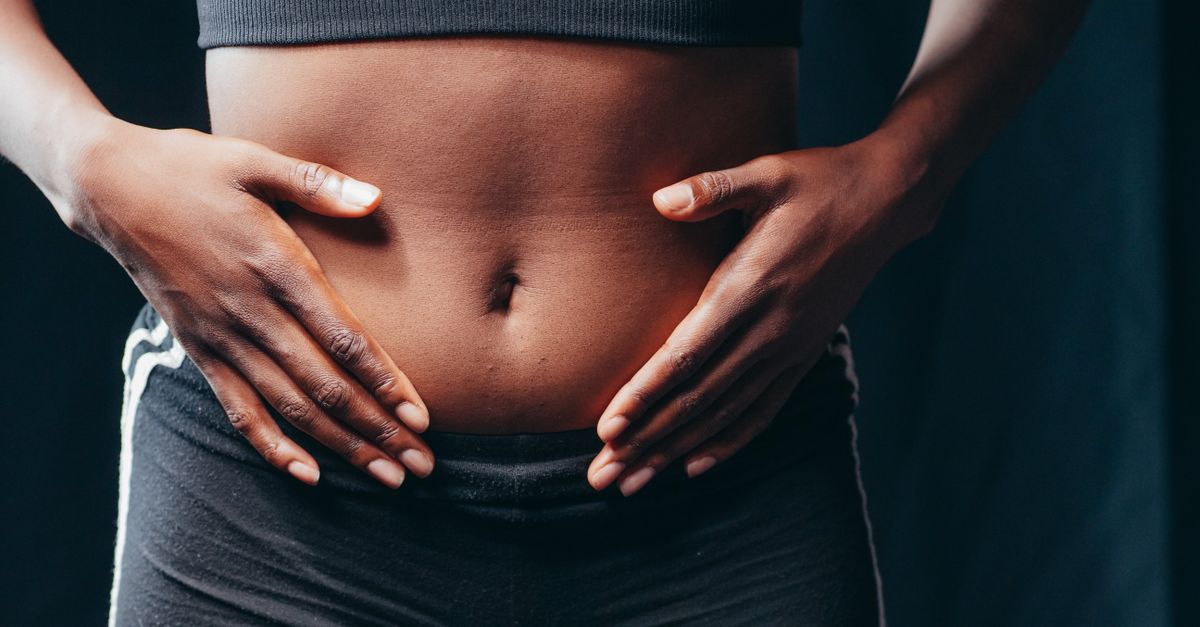
To relieve acute bloating and gas rapidly, one must utilize physical movement, targeted visceral massage, and specific postural adjustments to facilitate the expulsion of trapped air. Walking briskly, performing the knee-to-chest stretch, and applying gentle clockwise pressure to the abdomen mechanically encourage gastrointestinal motility. These direct physical interventions stimulate peristalsis, forcing trapped gas bubbles through the colon and out of the body.
Bloating is a ubiquitous and uncomfortable clinical symptom characterized by a subjective feeling of abdominal distension, often accompanied by objective visual swelling. When gas accumulates rapidly within the gastrointestinal tract, the resulting outward pressure on the abdominal wall causes significant physical discomfort and a sensation of profound fullness. Understanding the physiological origin of this trapped gas is essential for applying the correct relief mechanism.
Clinical assessment of sudden meteorism focuses on identifying whether the distension is caused by an actual increased volume of gas, altered gut motility, or a heightened sensory perception within the enteric nervous system. Rapid relief relies on bypassing any temporary paralytic state of the bowel and mechanically assisting the natural evacuation process.
2. The Physiology of Intestinal Gas
Intestinal gas is a normal byproduct of human digestion. The average adult produces and passes gas numerous times a day without significant discomfort. This gas originates from two primary sources: exogenous air that is swallowed during eating or drinking, and endogenous gas produced by bacterial fermentation within the large intestine.
When undigested carbohydrates, such as dietary fiber, complex sugars, or sugar alcohols, reach the colon, the resident microbiome rapidly ferments them. This bacterial metabolism releases large volumes of hydrogen, carbon dioxide, and methane gases. Under normal physiological conditions, these gases are either absorbed into the bloodstream and exhaled through the lungs or propelled downward by smooth muscle contractions.
Bloating occurs when this orderly transit system stalls. If peristalsis slows down, or if the sheer volume of bacterial gas exceeds the bowel’s clearance capacity, the gas bubbles coalesce. These large pockets of air become physically trapped in the sharp bends of the colon, stretching the intestinal walls and triggering acute pain receptors.
3. Mechanical Versus Functional Bloating
In a clinical setting, it is important to distinguish between mechanical and functional bloating. Mechanical bloating involves an actual, measurable increase in the physical volume of the abdomen. The patient will present with a taut, visibly distended stomach, typically worsening as the day progresses.
Functional bloating, conversely, is often related to a phenomenon known as visceral hypersensitivity. In patients with functional gastrointestinal disorders, the actual volume of intestinal gas may be completely normal. However, the nerves lining the gut are hyper-reactive. Normal digestive distension is perceived by the brain as severe, painful bloating.
Additionally, some individuals exhibit an abnormal somatic reflex known as abdomino-phrenic dyssynergia. Instead of the diaphragm relaxing and the abdominal muscles contracting to accommodate gas, the diaphragm pushes down and the abdominal wall relaxes. This paradoxical reflex pushes the intestines outward, creating the visual appearance of severe bloating without any excess gas being present.
4. Postural Adjustments for Rapid Relief
When acute gas pain strikes, immediate postural adjustments can utilize gravity and mechanical compression to force the trapped air downward. The human colon is a structured tube with ascending, transverse, and descending segments. Changing the angle of the pelvis physically straightens out the sharp anatomical corners of the colon.
Assuming a deep squatting position is one of the most effective non-pharmacological methods for passing gas. Squatting aligns the anorectal angle, providing a straight, unobstructed pathway for gas evacuation. It simultaneously increases intra-abdominal pressure, which gently squeezes the colon.
If squatting is not feasible, simply kneeling on the floor and resting the upper body forward onto the forearms can provide similar relief. This position elevates the pelvis above the stomach, allowing trapped gas bubbles in the lower colon to rise toward the rectum for expulsion.
5. The Knee-to-Chest Supine Stretch
A specific physical maneuver, often utilized in physical therapy and pediatric nursing, is the knee-to-chest stretch. This targeted movement applies direct, localized pressure to the descending colon, mechanically forcing trapped air toward the exit.
To perform this stretch, the patient lies flat on their back on a firm surface. Both knees are brought up toward the chest and held firmly with the arms. The patient is instructed to take deep, diaphragmatic breaths. With every exhalation, the patient pulls the knees slightly closer to the chest.
This repetitive mechanical compression mimics the natural peristaltic action of the bowel. Holding this position for two to three minutes while rocking gently side to side effectively dislodges gas pockets trapped in the splenic flexure, the sharp bend of the colon located under the left rib cage.
6. Clockwise Abdominal Massage Techniques
Visceral massage is a safe, direct intervention for sluggish bowel motility. The large intestine follows a specific anatomical pathway: up the right side of the abdomen, across the top just below the ribs, and down the left side. Massaging the abdomen in this exact clockwise direction physically pushes gas along the digestive tract.
The patient should lie flat and use the pads of their fingers to apply firm, but not painful, pressure. The massage begins at the lower right quadrant, near the appendix, and slowly moves upward toward the rib cage. The pressure is then guided horizontally across the upper abdomen.
Finally, the fingers push firmly down the left side toward the pelvis. Repeating this circular, clockwise motion for five to ten minutes stimulates the enteric nervous system, prompting the smooth muscles of the bowel to contract and propel the gas forward.
7. The Role of Thermal Therapy
Applying heat to the abdominal region is a rapid, soothing intervention for the acute cramping associated with trapped gas. The smooth muscles of the gastrointestinal tract frequently go into spasm when stretched suddenly by gas bubbles. These spasms cause sharp, localized pain.
Placing a warm heating pad or a hot water bottle directly over the distended abdomen induces localized vasodilation and muscle relaxation. The warmth penetrates the abdominal wall, calming the hyperactive neural signals and relaxing the cramped intestinal musculature.
Once the smooth muscle relaxes, the bowel can resume its normal, rhythmic peristaltic waves. This normalization of movement allows the trapped gas to pass seamlessly through the previously spastic segments of the colon.
8. Hydration and Gastric Emptying
While it may seem counterintuitive to ingest fluid when feeling bloated, warm hydration is crucial for resolving sluggish digestion. Dehydration forces the colon to extract maximum water from stool, resulting in a hard, impacted bowel that physically blocks the escape of gas.
Drinking a cup of warm water, particularly peppermint or chamomile tea, accelerates gastric emptying. The warmth relaxes the pyloric sphincter, allowing stomach contents to move into the small intestine.
Peppermint oil contains menthol, an active compound with documented antispasmodic properties. Menthol directly blocks calcium channels in the intestinal smooth muscle, preventing spasms and facilitating the rapid clearance of trapped air. Therefore, sipping warm peppermint tea is a front-line defense against sudden meteorism.
9. Pharmacological Interventions
When mechanical maneuvers are insufficient, targeted over-the-counter pharmacological agents can provide rapid relief. The most common and benign of these is simethicone. Simethicone is an anti-foaming agent that acts entirely within the gut lumen and is not absorbed into the bloodstream.
This medication works by altering the surface tension of small gas bubbles trapped in the stomach and intestines. By breaking this surface tension, simethicone causes thousands of tiny, immobile bubbles to coalesce into one large bubble.
A larger gas bubble is significantly easier for the digestive tract to move via normal peristalsis. The patient can then expel the consolidated gas through belching or flatulence, achieving rapid reduction in abdominal distension.
10. Dietary Triggers of Acute Meteorism
Understanding what precipitated the acute bloating is vital for future prevention. The sudden onset of gas is almost always linked to a recent dietary intake of specific fermentable carbohydrates, known clinically as FODMAPs.
Foods such as onions, garlic, beans, lentils, and certain artificial sweeteners contain short-chain carbohydrates that the human small intestine cannot break down. These intact sugars pass directly into the colon, where the resident bacteria ferment them enthusiastically, producing massive quantities of gas.
Patients who experience recurrent, severe bloating following meals should undergo a systematic dietary review to identify specific intolerances, such as lactose or fructose malabsorption, which are frequent drivers of sudden abdominal distension.
11. Aerophagia and Swallowed Air
Not all bloating originates from bacterial fermentation in the lower bowel. A significant portion of intestinal gas is simply swallowed ambient air, a condition known as aerophagia. This air accumulates in the stomach and upper small intestine, causing early satiety and upper abdominal bloating.
Aerophagia is commonly triggered by eating too quickly, talking while chewing, drinking carbonated beverages, or chewing gum. The mechanical act of chewing gum forces the individual to swallow repeatedly, introducing a constant stream of air into the stomach.
Additionally, individuals experiencing acute anxiety or stress often engage in subconscious hyperventilation and frequent swallowing. Addressing the mechanics of eating and drinking, such as slowing down meal times and avoiding straws, drastically reduces the volume of swallowed air.
12. The Impact of Physical Ambulation
Physical stagnation is the enemy of gastrointestinal motility. Sitting at a desk or lying on a couch for prolonged periods immediately following a large meal slows down the entire digestive apparatus. The lack of somatic movement translates to a lack of visceral movement.
Brisk physical ambulation, such as a ten to fifteen-minute walk, utilizes the body’s natural biomechanics to compress and massage the colon. The rhythmic impact of walking, combined with the engagement of the core abdominal muscles, mechanically stimulates the bowel.
This gentle exercise triggers the gastrocolic reflex, a physiological response where the stomach signals the colon to empty its contents. Activating this reflex through movement is one of the fastest natural ways to clear trapped intestinal gas.
13. Gut Microbiome Dysbiosis
When acute bloating becomes a frequent daily occurrence rather than an isolated incident, it indicates a deeper imbalance within the gastrointestinal ecosystem. The human gut microbiome consists of trillions of bacteria, fungi, and viruses that regulate digestion and immunity.
Dysbiosis occurs when the delicate balance of these microbes is disrupted, often due to recent antibiotic use, chronic stress, or a diet devoid of diverse plant fibers. An overgrowth of certain gas-producing bacterial strains can lead to disproportionate gas production even from normally benign foods.
In cases of small intestinal bacterial overgrowth, bacteria that normally reside in the colon migrate upward into the small intestine. Here, they prematurely ferment food before it is fully absorbed, causing immediate and severe bloating within minutes of eating.
14. Differentiating Gas from Visceral Pathology
While the vast majority of acute abdominal distension is benign, clinicians must differentiate simple gas from severe visceral pathology. Bloating that does not resolve with the passing of gas, or bloating accompanied by severe, unyielding pain, requires urgent investigation.
Conditions such as an acute bowel obstruction present with sudden, profound bloating, but the patient will also experience severe nausea, bilious vomiting, and an absolute inability to pass gas or stool.
Similarly, chronic bloating in female patients that is accompanied by early satiety, pelvic pain, and unexplained weight loss warrants prompt gynecological evaluation to rule out ovarian pathology. A careful review of accompanying symptoms is the cornerstone of safe clinical practice.
15. When to Seek Emergency Evaluation
Benign intestinal gas, while intensely uncomfortable, will eventually move through the digestive tract. The pain associated with trapped gas is typically crampy, shifting in location, and subsides significantly once flatulence occurs.
Emergency medical evaluation is strictly required if the abdominal distension is accompanied by a high fever, severe abdominal tenderness that is worse upon physical touch, blood in the stool, or a rigid, board-like abdomen.
These red flag symptoms suggest an acute inflammatory or infectious process, such as appendicitis, peritonitis, or a perforated viscus. In these scenarios, the bloating is a secondary sign of a critical surgical emergency, and immediate diagnostic imaging is mandatory.
| Relief Strategy | Physiological Mechanism |
|---|---|
| Knee-to-Chest Stretch | Mechanically compresses the descending colon to force gas downward. |
| Clockwise Massage | Follows the anatomical path of the large intestine to stimulate peristalsis. |
| Brisk Walking | Engages core muscles and triggers the natural gastrocolic reflex. |
| Warm Peppermint Tea | Menthol acts as a natural antispasmodic, relaxing intestinal smooth muscle. |
16. Frequently Asked Questions
1. Does drinking carbonated water help with bloating?
No. While a burp from carbonation may provide a split-second feeling of relief in the stomach, drinking carbonated beverages introduces a large volume of exogenous carbon dioxide gas directly into the digestive tract, ultimately making the bloating significantly worse.
2. Can holding in gas cause permanent damage?
Holding in gas temporarily will not cause permanent physical damage to the bowel, but it will significantly increase intraluminal pressure, leading to severe cramping, acute pain, and subsequent prolonged distension.
3. Why do I wake up with a flat stomach but look pregnant by the evening?
This progressive daily distension is classic for functional bloating and bacterial fermentation. As you consume food throughout the day, bacteria produce gas. Gravity and weakened abdominal muscles allow the abdomen to distend outward as the day progresses.
4. Will taking probiotics immediately stop my gas?
No. Probiotics are intended to alter the long-term composition of the gut microbiome. They take weeks of consistent use to colonize the gut and will not provide immediate, acute relief for sudden trapped gas.
5. Is it normal for trapped gas to cause chest pain?
Yes. Gas trapped high in the transverse colon or the splenic flexure can stretch the bowel just beneath the diaphragm. This can cause referred pain that shoots up into the chest or the left shoulder, sometimes mimicking cardiovascular discomfort.
17. Bibliography
Disclaimer: The content is for informational purposes only and does not replace medical advice. Always consult your doctor for personalized treatment.